Japan with Kids: Tokyo, Kyoto & One Ryokan Night

Marlene Azeez
Director of Travel
The best Japan trip with kids is nine or ten nights: four in Tokyo, one night in a ryokan, then four in Kyoto, with suitcases forwarded ahead so the family rides the Shinkansen light. Children of six and over get the most from it, spring and autumn are the most beautiful windows, and the single ryokan night is the part they will talk about at school.
This guide is written for parents. Our 2 weeks in Japan itinerary covers the longer adult route, and our Tokyo city guide covers the restaurants and neighborhoods in depth. Here the questions are different: what each age can enjoy, how to beat jet lag with children, which hotels and inns genuinely welcome families, and what a day-by-day plan looks like when the youngest traveler sets the pace.
Why Japan Works So Well for Families
Japan is one of the easiest long-haul destinations to travel with children. Cities are clean and orderly, public transport is punctual, convenience stores sell good food at any hour, and the culture is deeply courteous toward young travelers. What children remember, though, is how different everything feels: shoes off at the door, bullet trains that glide into the station on the minute, vending machines on every corner, temple gates painted vermilion, and deer that bow for crackers in Nara.
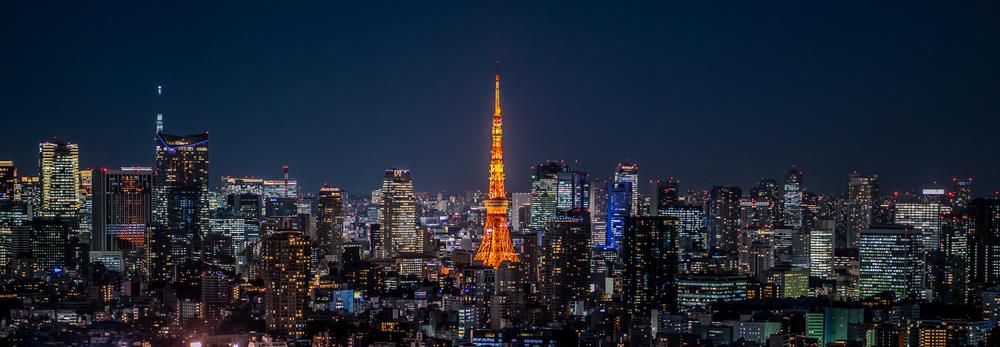
The pairing of Tokyo and Kyoto gives a family two very different halves. Tokyo is the city of the future, with digital art museums, giant toy and game stores and views from the top of skyscrapers. Kyoto is the city of the past, with wooden lanes, gardens, shrines and tea. Linking them with one night in a traditional inn turns the train journey west into the heart of the trip rather than a transfer.
When to Go with Children
Spring Break and Easter (Late March to Early April)
Cherry blossom season usually reaches Tokyo and Kyoto in late March to early April, which lines up with many American spring breaks; Easter Sunday is March 28, 2027. It is the prettiest and most crowded time of the year, and the best hotels book months ahead. Our cherry blossom forecast explains how bloom dates move from year to year.
Golden Week (Late April to Early May)
Golden Week, the cluster of Japanese public holidays from late April into early May, is the busiest domestic travel period of the spring. Trains, inns and attractions fill with Japanese families. If your dates allow, arrive just after it ends; May is mild, green and calmer.
Summer Break (June to August)
The rainy season usually runs through June and into July, and July and August are hot and humid in both cities. Summer can still work well for families who plan early starts, indoor afternoons and a pool at the hotel. Mid-August brings the Obon holiday, another peak domestic travel week.
Thanksgiving (November 25, 2027)
Thanksgiving week is one of the best family windows of the year. Kyoto's autumn colour usually peaks from mid-November into early December, the air is cool and clear, and the summer humidity is long gone. Book early: Kyoto's autumn weeks are as sought after as cherry blossom.
Winter Break (Late December to Early January)
Winter is cold, dry and often brilliantly clear, and Kyoto's temples are at their quietest outside the New Year itself. Around New Year's Day, shrines fill with families making their first visit of the year and some businesses close for several days, so build the plan around that rhythm.
Rule of thumb: For a first family trip, choose late March to early April for blossom or Thanksgiving week for autumn colour, and book the hotels first. Everything else can follow.
Ages: What Each Stage Gets from Japan
Under Five
Japan is very manageable with toddlers, but plan around the pace. Major stations have elevators, yet many temples and shrines involve gravel paths, steps and long walks, so a light stroller plus a carrier works better than a heavy stroller alone. On JR trains, children aged one to five generally travel free, up to two per paying adult, as long as they do not take their own reserved seat, according to JR Central; a reserved seat for a toddler requires a child fare. Some fine-dining counters do not accept young children, so expect more relaxed dining and room service.
Six to Nine
This is a wonderful age for Japan. Children pay the child fare on the Shinkansen from age six and will happily ride it all day. They are old enough for a sushi-making class, the digital art rooms of teamLab in Tokyo, the deer of Nara Park and a dawn walk through the torii gates of Fushimi Inari, and young enough to find a vending machine thrilling.
Ten to Thirteen
Pre-teens can handle full days and longer walks, and their interests start to drive the trip: anime and manga, Pokémon, Nintendo, trains, or samurai history. The Ghibli Museum in Mitaka sells tickets only in advance, with each month's tickets released on the 10th of the month before. A private samurai or ninja experience and a calligraphy lesson are favourites at this age.
Teenagers
Teens often love Tokyo most: Shibuya and Harajuku, vintage and streetwear shopping, arcades and the late-evening city lights. In Kyoto, give them responsibility for one part of the day, a ramen counter or a street they want to explore. Some hotel facilities carry their own age rules for teens, which we note in the hotel section below.
Haute Intel: Forward your large suitcases directly from the Tokyo hotel to the Kyoto hotel and pack one small overnight bag per person for the ryokan. Japan's luggage-forwarding services usually deliver within a day, so the family boards the Shinkansen with nothing heavier than a backpack. It is the single change that makes a multi-stop family trip in Japan feel effortless.
Jet Lag and the First Two Days
Tokyo is 13 hours ahead of New York during US daylight time and 14 hours ahead in winter, which is hard on children. Plan the first full day lightly: a morning walk in the Imperial Palace East Gardens, a long lunch, an afternoon nap and an early dinner. Children often wake very early for the first few days; use it, because Tokyo's fish market breakfasts, shrines and parks are at their best at dawn. Arriving at Haneda, the closer of Tokyo's two airports, saves time on the drive into the city, and a private driver meeting you at arrivals removes the first queue of the trip. Families who prefer a private arrival can speak to us about Haute Jets.
A Sample Nine-Night Family Itinerary
The shape below is how we build most first family trips to Japan. It follows the same arc as our Kyoto and Tokyo Twin Cities journey, with one ryokan night added between the two cities.
DAYS 1–4 · TOKYO
Four nights in Tokyo give a family time to recover from the flight and still see the city. Day one is for gardens and an early night. Day two might start at Senso-ji in Asakusa before the crowds, followed by a river or harbour cruise and an afternoon at teamLab. Day three suits a sushi-making class, a visit to a toy or game flagship and a sunset view from a city observatory. Day four can hold a day at Tokyo Disneyland or Tokyo DisneySea for younger children, or Harajuku, Shibuya and a ramen counter with teens. Keep evenings simple: the hotel restaurant, an early yakitori dinner or room service after a long day.
DAY 5 · THE RYOKAN NIGHT
Take the Shinkansen from Tokyo to Odawara, the gateway to Hakone, and drive up into the hills. Arrive mid-afternoon, change into yukata robes, bathe before dinner and eat a long, seasonal kaiseki meal. Children usually remember the futon beds on tatami, the robes and slippers, and the ritual of the bath more than any museum. The next morning, Hakone's ropeway, the lake and, on a clear day, views of Mount Fuji make a natural half day before continuing west.
DAYS 6–9 · KYOTO
From Odawara, the Shinkansen continues to Kyoto in around two hours. Four nights in Kyoto allow one big morning each day and slow afternoons. Start early at Fushimi Inari, whose gate-lined paths are quiet at dawn, and at Arashiyama's bamboo grove, which is calmest at opening. Spend a day in Nara, under an hour away, for the Great Buddha at Todai-ji and the deer of Nara Park. Leave time for a private tea ceremony adapted for children, the Kyoto Railway Museum for train lovers, the food stalls of Nishiki Market and a gentle evening walk in Gion with a guide who explains the etiquette of the district.
DAY 10 · DEPARTURE
Fly home from Kansai International near Osaka so that nobody backtracks to Tokyo, or return by train to Tokyo for a final night near Haneda.
Where to Stay in Tokyo with Kids
Families do best in a large room or suite high above the city, close to Tokyo Station for the Shinkansen. Aman Tokyo sits on the upper floors of the Otemachi Tower beside the Imperial Palace gardens. According to its guest directory, children aged 15 and under may use the 30-metre pool with a guardian over 18, though infants in diapers may not; spa treatments are for guests aged 16 and over, and the Musashi by Aman sushi counter for diners aged 13 and over. The Peninsula Tokyo, at the edge of the palace gardens and an easy walk to Ginza, Four Seasons Hotel Tokyo at Otemachi and Mandarin Oriental, Tokyo are also strong family bases. See all the Tokyo hotels we recommend in Tokyo Luxury Hotels, and confirm connecting rooms, extra beds and children's policies for your dates.
For a ryokan experience without leaving the city, Hoshinoya Tokyo, featured in our Japan Ryokan Immersion, is a ryokan tower in Otemachi with tatami rooms and a hot-spring bath on the top floor. Hoshino Resorts lists bed sharing for children under 12 up to each room's maximum occupancy.
The Ryokan Night: How to Choose
A ryokan is a traditional Japanese inn: shoes off at the entrance, tatami rooms, yukata robes, hot-spring baths and a multi-course kaiseki dinner. Not every ryokan accepts children, and many have rules for the shared baths, so this is the part of the trip that most needs an advisor.
Gora Kadan, the Relais & Châteaux ryokan in Hakone that we highlight in our guide to places to visit in Japan, is a natural family choice. Its published FAQ says there is no age restriction for children, and it provides children's yukata, sandals and toothbrushes, with a baby crib, baby chair and child toilet seat on loan. Its rules are worth knowing in advance: children aged seven and over use the bath of their own sex, children who are not yet toilet-trained cannot use the public bath or the pool, and pool use is by reservation, with children aged 12 and under accompanied by an adult.
Two habits make a family ryokan night work. First, ask for a room with a private open-air bath, so that tattoos, shyness and bathing etiquette never become a question. Second, warn the inn of any food preferences in advance; most luxury ryokan prepare children's meals, but kaiseki is a fixed, seasonal menu.
Etiquette for children: Wash and rinse fully before entering any bath, keep towels out of the water, speak softly in the corridors and leave slippers at the edge of the tatami. Children pick this up quickly and are proud of it.
Where to Stay in Kyoto with Kids
Aman Kyoto sits in a forest garden in the northern Takagamine district near Kinkaku-ji, with 26 rooms, suites and pavilions in a contemporary ryokan style and deep hinoki baths. Aman describes a summer programme of traditional cultural activities for younger guests, from pattern painting to making Japanese sweets. Its hot-spring baths and some dining have age limits, so confirm the current rules for your children's ages when you book.
Four Seasons Hotel Kyoto, beside an 800-year-old pond garden in the Higashiyama temple district, publishes the most detailed family offer in the city: children under 18 stay free when sharing with a parent, a playroom for ages 3 to 8 with a parent, koi feeding in the garden, babysitting on advance request, and an indoor pool with no minimum age, where children under 16 must be accompanied by an adult. The Ritz-Carlton, Kyoto, on the banks of the Kamo River, is another polished base; ask us about family room configurations there.
Hoshinoya Kyoto, reached by boat on the river in Arashiyama, is better saved for a trip with older teenagers. Hoshino Resorts states that it welcomes guests aged 12 and older, and some of its own pages say 13, so confirm with the inn if your youngest is 12. Families with children of different ages often prefer a private machiya townhouse, which we can arrange for one or two nights.
Practical Notes for Parents
Book hotels first, then the Shinkansen, then restaurants and experiences. Spring and autumn rooms in Kyoto go first.
An IC transport card such as Suica or Pasmo works on trains, subways and in convenience stores, and children enjoy tapping their own card.
Many public baths restrict tattoos. A private in-room bath avoids the issue entirely.
Tipping is not part of Japanese culture, even in luxury hotels.
Carry some cash. Smaller restaurants, shrines and markets may not take cards.
Japan is a very safe country, but in crowded stations agree a meeting point with children before you move.
For timing your reservations, read our guide on how far ahead to book a luxury trip, and for more family ideas see family travel.
Plan Japan with Kids the Haute Black Way
We design Japan family trips around your children's ages and your school calendar: the right room configurations in Tokyo and Kyoto, Shinkansen seats, luggage forwarding, a ryokan that welcomes children, private guides who know how to pace a day with an eight-year-old, and the reservations that are hard to secure independently. As a Virtuoso-affiliated agency, we can also add preferred-partner benefits on qualifying stays. For a slower, inn-led route, see our Japan Ryokan Immersion, or explore more of Japan. When you are ready, plan your journey and share your dates and your children's ages.
Japan with Kids: Tokyo, Kyoto & One Ryokan Night — Frequently Asked Questions
Yes. Japan is safe, clean and easy to move around, and children love the trains, food and temples. Under fives travel well with a light stroller and a carrier, and on JR trains children aged one to five generally ride free, up to two per paying adult, unless they take their own reserved seat.
Nine or ten nights is ideal for a first family trip: four nights in Tokyo, one night in a ryokan in Hakone, and four in Kyoto, with a day trip to Nara. Our Kyoto and Tokyo Twin Cities journey follows the same arc.
Many luxury ryokan welcome children, but policies differ. Gora Kadan in Hakone says there is no age restriction and provides children's yukata and baby equipment, while Hoshinoya Kyoto welcomes guests aged 12 and older. A room with a private bath makes the night easier for families. See our Japan Ryokan Immersion.
Late March to early April for cherry blossom, which aligns with many spring breaks, and Thanksgiving week for Kyoto's autumn colour are the most rewarding. Avoid Golden Week in late April and early May and the mid-August Obon holiday if you can, and expect June and July to be rainy and summer to be hot.
Families do well at Aman Tokyo, The Peninsula Tokyo, Four Seasons Hotel Tokyo at Otemachi and Mandarin Oriental, Tokyo, all close to Tokyo Station for the Shinkansen. Compare them in Tokyo Luxury Hotels, then plan your journey with your children's ages.
Related Reading


Related Experiences
From the Journal


Your Journey Starts Here
Ready to Experience This
the Haute Black Way?
Our travel concierge team can arrange every recommendation in this guide — from priority reservations to private experiences and preferred room upgrades.
Begin Your Journey