Haute Black Journal
Things to Do in Patagonia: Unforgettable Adventures Await

Marlene Azeez
Director, HauteBlack
View all articles →
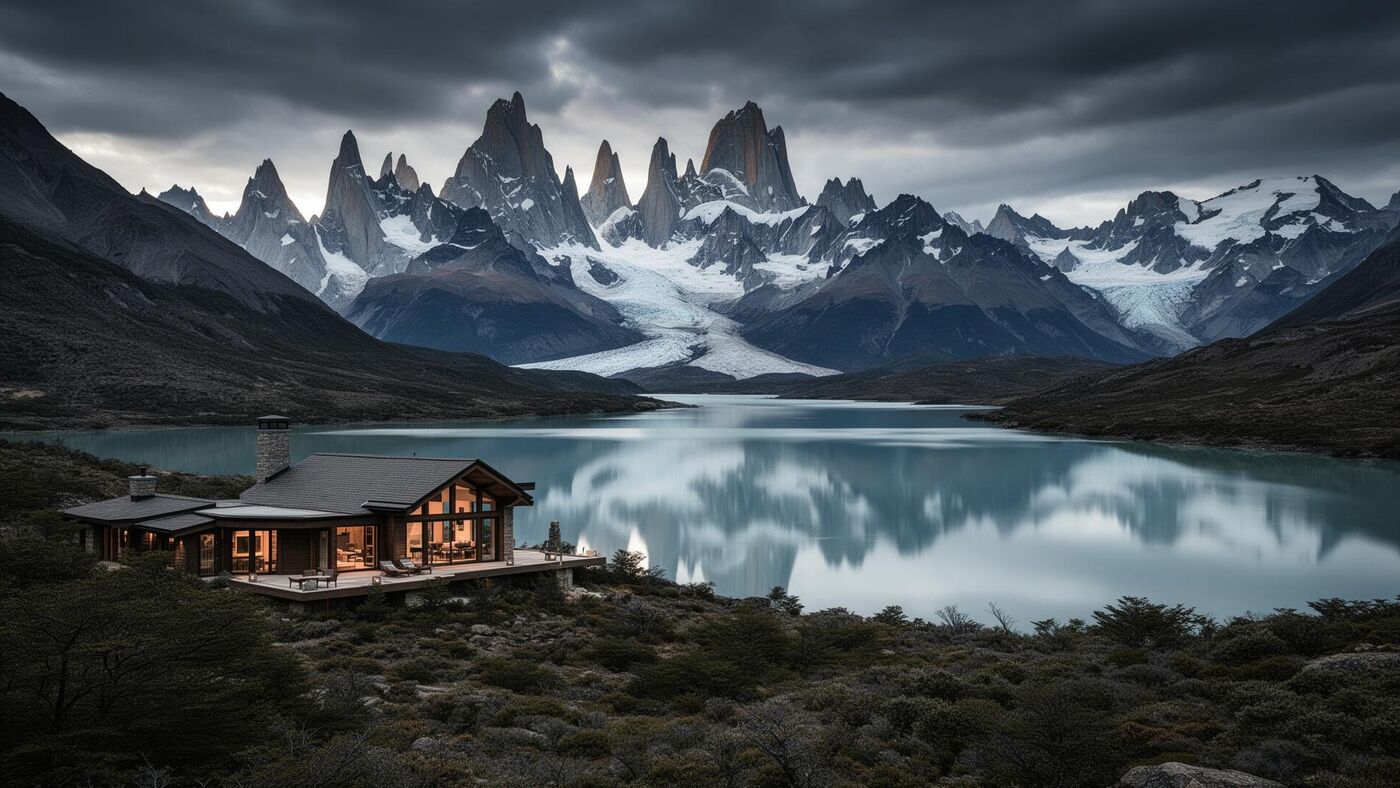
Patagonia rewards scale, not convenience. It covers roughly half of Argentina's and Chile's landmasses while housing only a small fraction of their populations, which is why a standard trip often feels strangely incomplete when you try to do it quickly or cheaply, as noted by Rough Guides on Perito Moreno Glacier and Patagonia's scale. The region is too large, the weather too personal, and the logistics too unforgiving for a generic itinerary to deliver the version of Patagonia that discerning travelers want.
What most visitors see is the postcard. A lookout. A shuttle stop. A famous trail done shoulder to shoulder with everyone else. What the right traveler should want is something else entirely. Time on the ice without the crowd behind you. Access to an estancia that still feels lived in rather than staged. A guide who knows where condors ride the thermals and where silence arrives in full force. Patagonia can give you all of that, but only if the trip is built around access, not attractions.
That is the key distinction in the best things to do in Patagonia. Not what is famous, but what is exceptional. Not what is available, but what is arranged properly. The region's best experiences are not necessarily the loudest ones. Often they are the quietest. A helicopter settling onto a remote ice field. A private horse ride over open steppe before lunch by a fire. A glacier-view suite after a hard day outside. A yacht slipping through channels most travelers only glimpse from land.
This is the version of Patagonia worth pursuing. It is for travelers who understand that true luxury is orchestration, privacy, and fluency in a place that does not forgive lazy planning. If you want the definitive things to do in Patagonia, start here.
1. Private Helicopter Glacier Tours and Landings
If you book one aerial experience in Patagonia, make it a private helicopter glacier landing.
Perito Moreno is impressive from the boardwalks. From the air, it becomes legible. You see the scale of the ice field, the blue seams, the broken ridgelines, and the routes that make sense only once a skilled pilot traces them overhead. This is the version of Patagonia that public infrastructure cannot deliver.
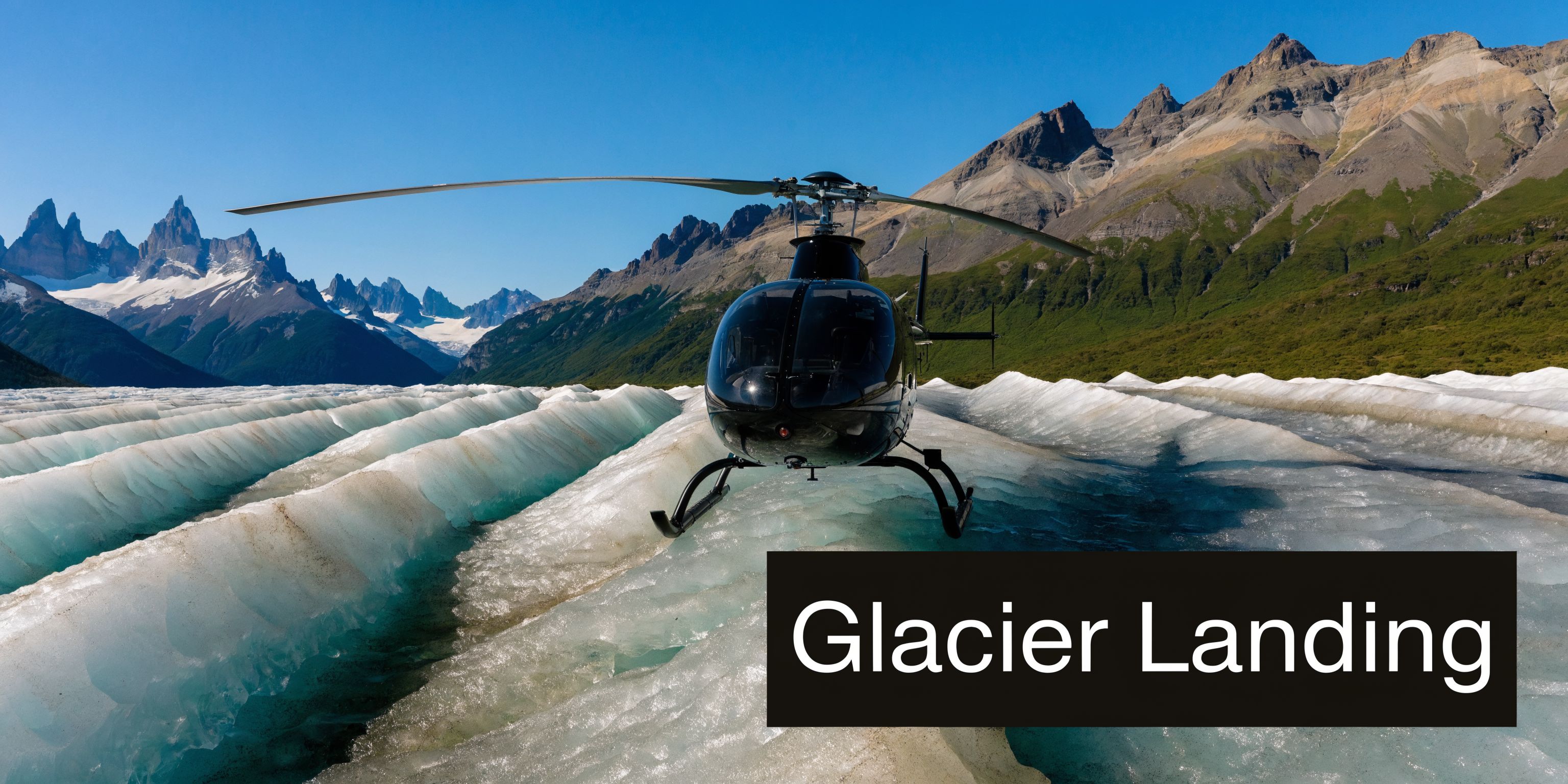
Do not book this as a standard scenic add-on. The right program includes a private aircraft, a mountain pilot with glacier experience, pre-approved landing logistics, and a landing setup that feels deliberate rather than theatrical. That can mean crampons waiting on the ice, a guide ready for a short private walk, and proper hospitality once you touch down.
Base near El Calafate, or fold the flight into an itinerary built around seamless lodge transfers and weather flexibility. A Patagonia wilderness journey designed around access and timing gives you far better odds of flying well than an itinerary crammed with fixed reservations. In this region, the best luxury is optionality.
Schedule the helicopter early in your trip. If weather shifts, you want room to reposition the flight without sacrificing the rest of the itinerary.
Morning departures usually deliver the cleanest light and the steadiest visual conditions. Dress for the ice, not for town. A mild afternoon in El Calafate means nothing once the rotor stops and you step onto a glacier.
Book the helicopter first. Build lunch, spa time, and every secondary outing around it.
For timing, align your planning with peak-season flying conditions in Patagonia, especially if you want the strongest chance of clear views and a smooth landing window.
The best pairing is straightforward. Fly out, land on the ice, take a private lunch or champagne service if the operator does it well, then return to a property that understands recovery and privacy. Patagonia should feel cinematic outside and perfectly composed once you are back indoors.
2. Exclusive Trekking to Mount Fitz Roy with Private Guides and Camp Services
Mount Fitz Roy should never be treated as a casual box to tick.
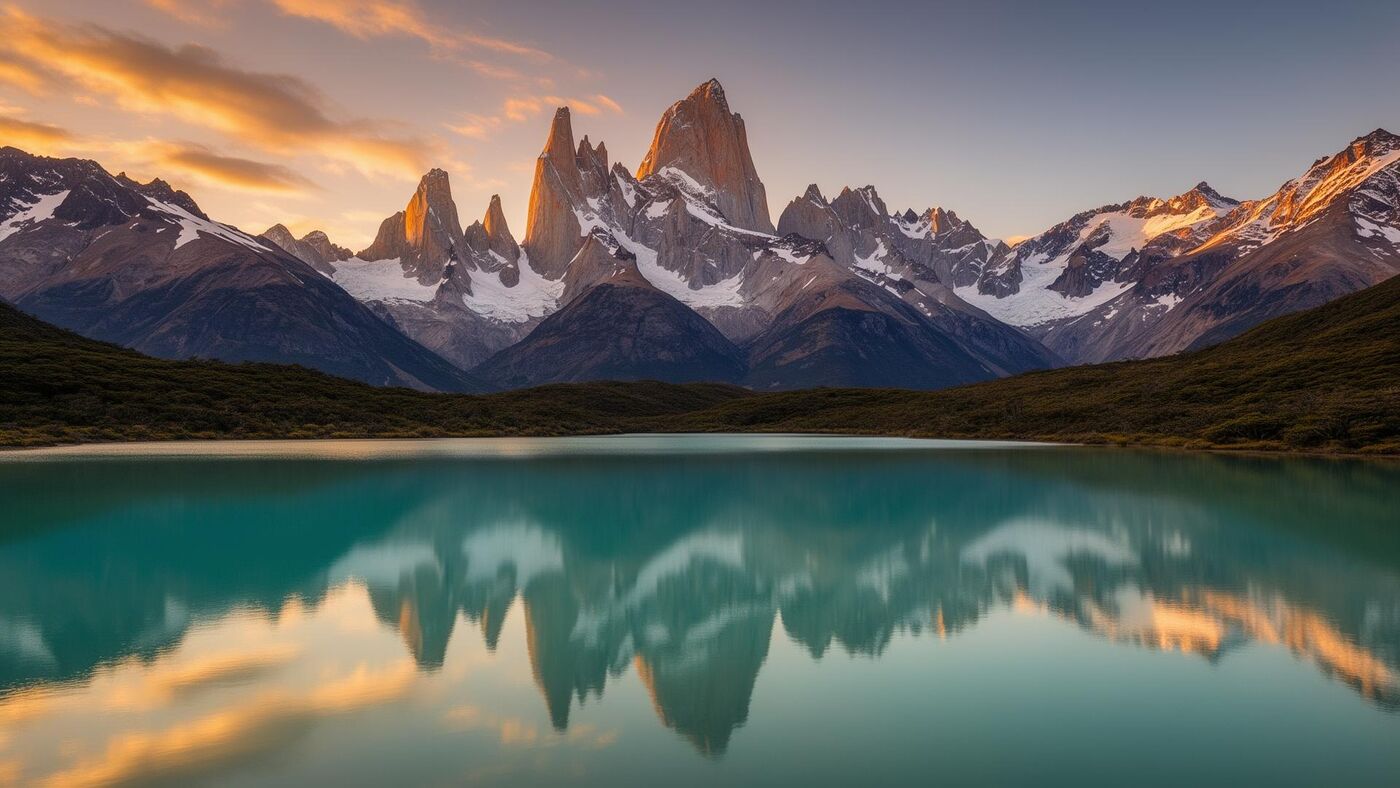
The appeal is obvious. El Chaltén gives direct access to one of Patagonia's most iconic mountain vistas, but the difference between a hard public trail day and a refined private mountain experience is enormous. With the right outfitting, Fitz Roy becomes one of the most rewarding things to do in Patagonia for travelers who want challenge without operational chaos.
A private guide transforms the day immediately. You move at your pace. You avoid the all-too-common errors of late starts and poor layering. You can build the route around photography, endurance, or pure scenery rather than following the rhythm of a mixed group.
What elevated service looks like
The premium version includes a mountain guide, private vehicle logistics, strategic departure timing, and a proper recovery plan for the day's end. On longer programs, that can also mean custom camp support, gourmet trail dining, and a second guide or porter team so you carry less and see more.
This also emphasizes where high-end planning matters. If weather closes in, a private guide can pivot. If visibility opens unexpectedly, they know when to press forward. In Patagonia, judgment is a luxury product.
A discerning approach to Fitz Roy often includes:
- Private trail strategy: Start before the main flow, or build a route around quieter windows rather than the standard mid-morning push.
- On-mountain comfort: Use supported pauses with proper food, hot beverages, and layered gear changes.
- Recovery built in: Return to massage, hydrotherapy, or a very comfortable lodge instead of improvising post-hike logistics.
If you want the broader framework for this style of journey, Haute Black's Patagonia wilderness experiences show how the region should be curated when the traveler values both access and precision.
The best Fitz Roy days feel earned, not endured. That is the line to protect.
3. Private Yacht and Catamaran Expeditions Through Fjords and Channels
Land-based Patagonia is only half the story.
The other half unfolds through channels, fjords, and remote water routes where the geography softens just enough to let you move through it rather than just look at it. Expedition cruise schedules through Tierra del Fuego's fjords are filling months in advance during the high season, part of a broader capacity squeeze across Patagonia's premium infrastructure, according to The Traveler's report on South America travel demand and Patagonia bookings. That makes private yacht and catamaran access more valuable, not less.
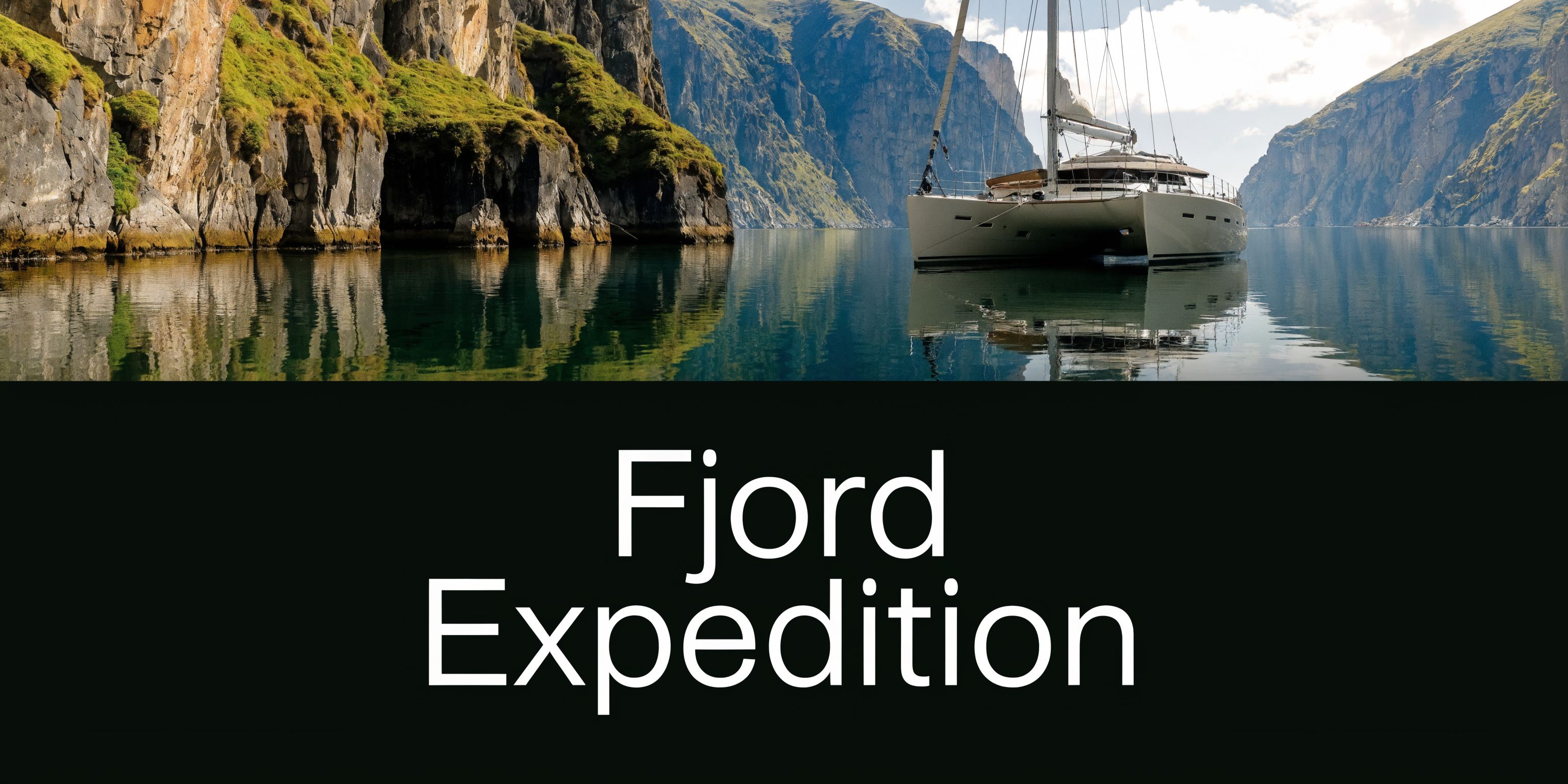
A small private vessel changes the entire mood of the trip. You wake in silence. You move with flexibility. You land where the conditions are best, not where a fixed departure says you must. For clients interested in marine wildlife, photography, or a more cinematic way to cross southern Patagonia, this is one of the most compelling things to do in Patagonia.
Why a private vessel wins
You are buying freedom of sequence. A captain can linger in a fjord, alter a landing, or reposition for weather. A naturalist can shape the day around birds, glaciers, or history rather than working through a pre-scripted announcement. Your chef cooks for your table, not a room.
For some travelers, the right vessel is a full yacht charter. For others, a sleek catamaran is the sweet spot. If you are comparing craft styles and functionality, a quick look at inflatable catamarans is useful context for understanding how different watercraft handle mobility and access.
Book the boat before you book the route. In Patagonia, the vessel and crew determine whether the journey feels intimate or expensive.
The strongest itineraries pair a yacht leg with a land-based finale. End onshore in a serious lodge, not in transit.
4. Private Horseback Riding Expeditions Through Estancias and Remote Valleys
If you want Patagonia with texture, ride it.
The estancia experience is one of the most overlooked answers to the question of things to do in Patagonia because so much public coverage stays trapped in the same circuit of famous viewpoints and standard treks. That is a mistake. Some of the most memorable luxury travel in the region happens on private ranch land, with gauchos, open valleys, working sheep country, and long lunches that feel inseparable from the natural surroundings itself.
The best private riding programs are not staged folkloric performances. They begin with horse matching, a pace assessment, and a route built around your riding confidence. Good operations can keep it elegant for beginners or make it ambitious for experienced riders.
The cultural layer matters
Here, Patagonia starts to reveal its human story.
Private estancia visits can include sheep-farming heritage, hilltop rides between October and May, and intimate conversations with local hosts whose relationship to the land is practical rather than performative. These experiences answer a common luxury problem in Patagonia. Many itineraries are visually spectacular but culturally thin. Estancias solve that.
You can strengthen the cultural dimension with a customized extension into Punta Arenas or remote heritage sites. The lesser-known side of the region includes opportunities for deeper indigenous context, from museum access to conversations that connect the region with Kaweskar, Selknam, and Yagan history.
A strong estancia day often includes:
- A private gaucho-led ride through valleys or steppe with minimal traffic
- A ranch lunch focused on local ingredients and proper pacing
- A quiet afternoon add-on such as fly-casting, walking, or staying put and watching the weather move
Done well, horseback travel gives Patagonia rhythm. You stop rushing through scenery and start inhabiting it.
5. Exclusive Ice Trekking and Mountaineering on Glaciers with Expert Alpinists
The best glacier experience in Patagonia happens on the ice, not from the railing.
Perito Moreno has a rare sense of force and movement that makes standard viewpoints feel passive. If you have the fitness for it, book a private glacier day with a serious alpinist and step onto the ice itself. That is the version worth your time.
A properly arranged private outing changes the entire quality of the experience. You avoid the herd logistics, the generic safety talk, and the compromised group pace that flattens so many adventure excursions. Instead, you get equipment fitted to you, a route matched to your ability, and a guide who can push farther, slow down, or add technical instruction based on your confidence and ambition.
This is luxury in its most intelligent form. Precision, privacy, and access.
The right client for this is not chasing a souvenir photo. It suits travelers who want Patagonia to feel demanding and exacting, families with older children who already ski or climb, and couples who would rather earn one extraordinary day than collect five forgettable ones. For executives and high performers, it is also one of the few experiences in the region that restores focus instead of diluting it.
For stronger clients, ask for a mountaineering extension rather than a standard trek. That can include steeper sections, rope work, movement coaching, crampon technique, and longer time on more complex terrain. The difference is substantial. You are not buying comfort. You are buying competence, access, and a guide team capable of creating a day that fits your level rather than the market average.
Book this with operators who can show real alpine credentials, private ratios, and a clear rescue framework. In Patagonia, that separates polished adventure from true high-end expedition planning.
Frequently Asked Questions
Explore Our Guides
Signature Experiences