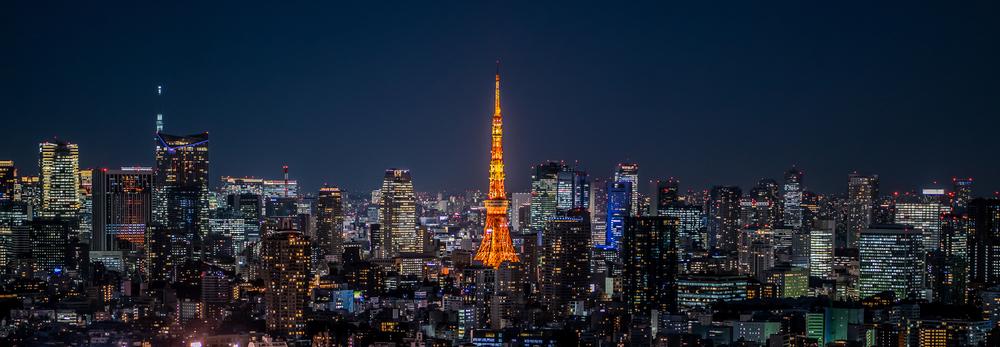
Tokyo: The City That Earns Every Superlative

Angelika Semilof
Travel Writer
Tokyo defies the standard operating procedure of luxury travel writing. Most cities can be summarized — Paris is romance and cuisine, Dubai is scale and spectacle, New York is energy and access. Tokyo is all of these simultaneously, with none of the trade-offs. It is the city with more Michelin stars than any other on the planet — 160 starred restaurants in the 2026 Guide alone, including 12 with three stars. It has produced hotel properties — Aman Tokyo, The Peninsula, the Park Hyatt — that appear on every serious global best-of list. And it has maintained, alongside all of this, a depth of cultural and aesthetic life that rewards both the first-time visitor and the person on their twentieth stay.
For the Black traveler, Tokyo carries a particular resonance. Japan's relationship with African American culture — jazz, hip-hop, streetwear, art — is deep and specific in ways that many visitors find unexpectedly moving. The city's record stores and vintage shops contain archives of Black American music assembled with a collector's reverence. The hospitality culture — the concept of omotenashi, the Japanese commitment to anticipating a guest's needs before they are expressed — operates at a standard that makes even the finest Western service cultures look approximate.
Tokyo is the only city in the world where you can eat at the world's best restaurant, then spend the evening in a neighborhood that looks exactly as it did in 1930. The gap between these experiences, in any other city, would require days of transit.
This guide covers the luxury infrastructure of the city: where to stay, where to eat, where the cultural life happens, and how to navigate one of the world's most complex urban environments with the confidence of someone who has been doing it for years.
TIMING
When to Go
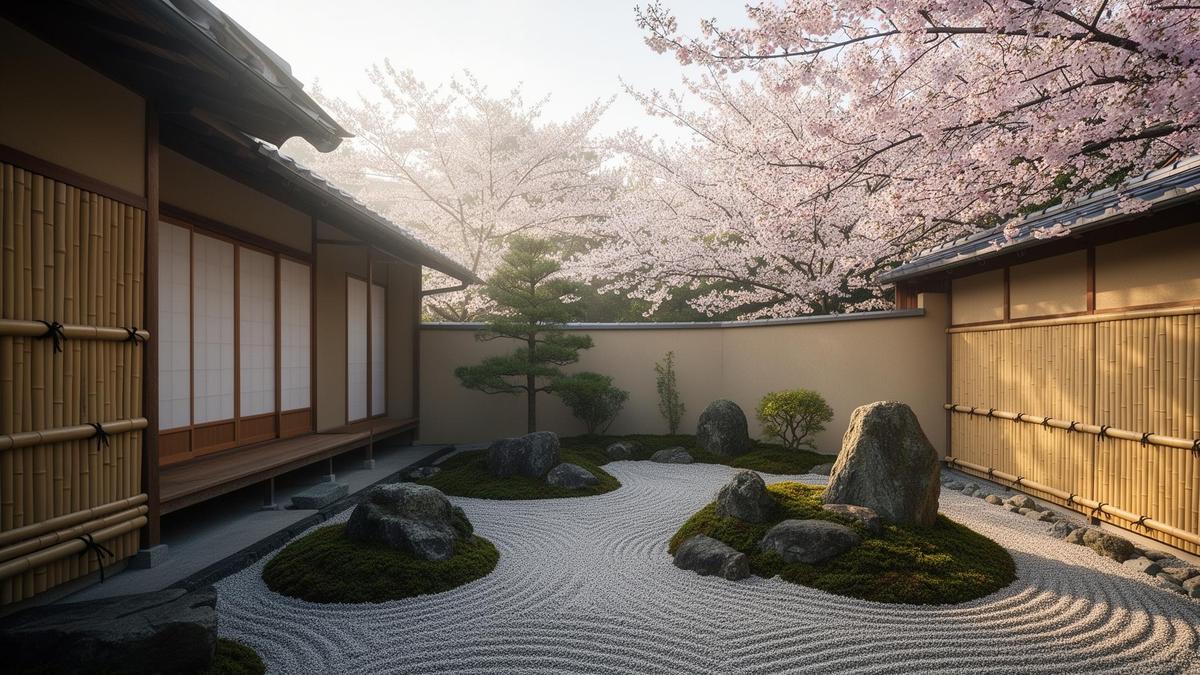
Tokyo operates at a high level year-round, but three windows stand apart. Spring — late March through early May — brings the cherry blossoms, one of the most genuinely spectacular natural events in the world. The sakura season is also peak tourism season; book accommodation and the most sought-after restaurants six months ahead if you want this window.
Autumn — October and November — is the other peak season. The koyo, or autumn foliage, transforms the city's parks and temple gardens into an extraordinary palette of deep red, orange, and gold. The weather is cool and clear; the light in the late afternoon is exceptional. Late October and November represent the finest general window for first-time visitors.
Summer (June–August) is humid and occasionally oppressive, but the city in August — Obon season, when Tokyoites leave for their hometowns — is remarkably quiet and strangely intimate. Not the obvious choice, but with its own rewards.
ACCOMMODATION
Where to Stay
Tokyo's luxury accommodation landscape divides roughly between two philosophies: the grand international hotel (Aman, Peninsula, Four Seasons, Ritz-Carlton) and the ryokan — the traditional Japanese inn, where the experience of sleeping, bathing, and eating is inseparable from the architecture and ritual of the space. The most sophisticated itinerary accommodates both.
Aman Tokyo — Otemachi
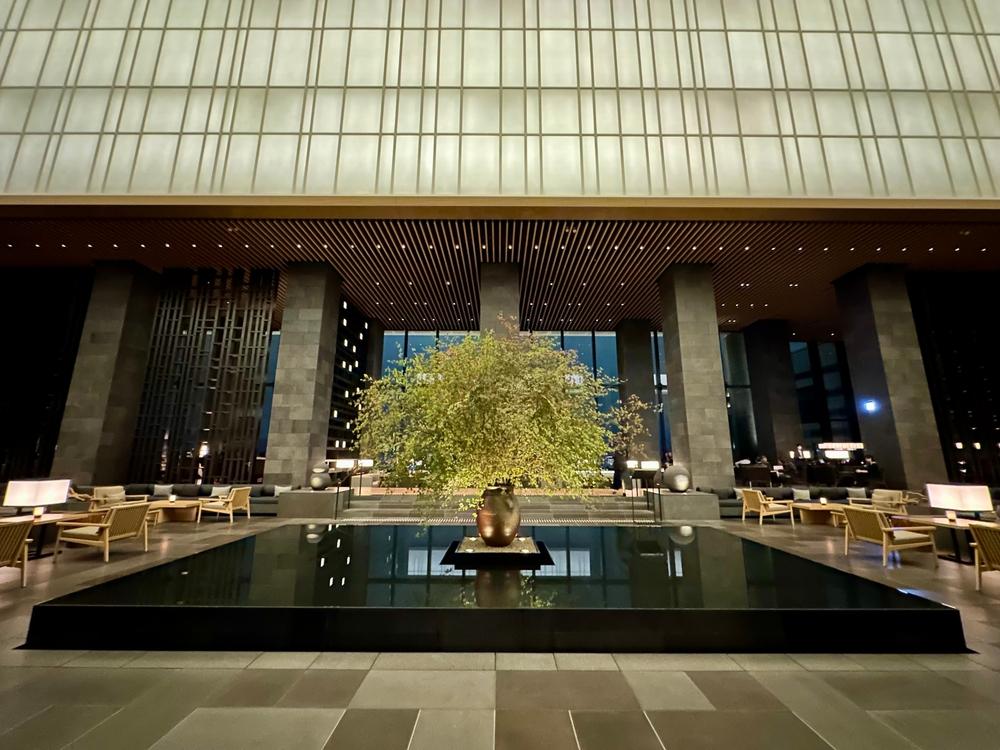
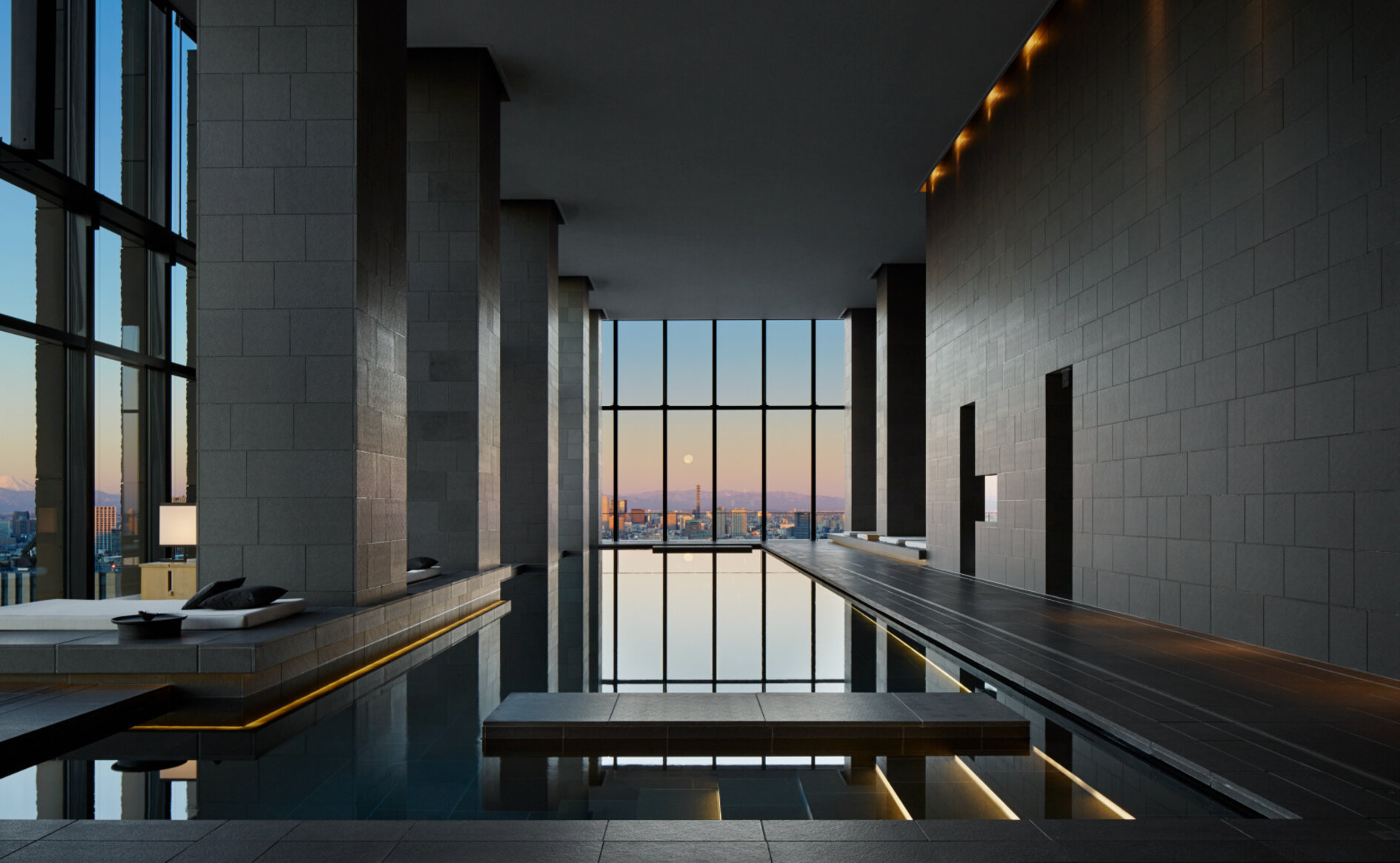
The finest hotel in the city, and one of the finest in the world. Eighty-four rooms and suites in the Otemachi Tower, designed to evoke a traditional ryokan through washi paper screens, tatami mat rugs, natural stone finishes, and — in every room — a furo soaking bath, steam room, and eight treatment rooms — is among the best urban spa experiences globally. Musashi by Aman, the intimate chef's table restaurant operating in the Edomae sushi tradition, requires its own reservation strategy.
Haute Intel: Book a suite on the higher floors facing southwest for views that include both Tokyo Tower and, on clear winter days, Mount Fuji on the horizon. Request the spa's Aman Signature treatment — a two-hour ritual combining shiatsu pressure work and hot stone techniques specific to the Japanese tradition. The waiting list for Musashi by Aman runs weeks; book it before your room.
The Peninsula Tokyo — Marunouchi
Purpose-built in 2007 — rare for Tokyo, where most luxury hotels occupy the upper floors of mixed-use towers — The Peninsula sits adjacent to the Imperial Palace Gardens in Marunouchi. The location delivers the hotel's defining feature: complete darkness at night, in a city that is otherwise illuminated around the clock. The rooms are among the largest in Tokyo; the bathrooms feature deep soaking tubs with garden views. Peter, the rooftop restaurant and bar on the 24th floor, has been a social anchor for the expatriate and diplomatic community since the hotel opened.
Haute Intel: The Peninsula Spa's Seasonal Treatment — 'Sui,' a Japanese cleansing ritual designed for seasonal transition — is one of the more unusual and restorative treatment experiences available in the city. Book it for an early morning appointment on your first full day to reset from jet lag.
Park Hyatt Tokyo — Shinjuku
The cultural mythology of Lost in Translation precedes any serious writing about this hotel, and the Park Hyatt has learned to honor rather than resist it. After a full closure and renovation that concluded in December 2025, the hotel has finally — after two decades of trading on Sofia Coppola's imagery — earned its reputation entirely on its own terms. The New York Bar on the 52nd floor remains one of the most atmospheric rooms in the city, with views across Shinjuku to Mount Fuji on clear days.
Haute Intel: The New York Bar hosts live jazz nightly from 8pm. Arrive at 7:30pm for a table before the bar fills. The L.I.T. cocktail remains on the menu — order it once, for the story. Then order whatever the bartender recommends.
Fufu Tokyo Ginza — Ginza [NEW: Nov 2025]
The newest entry at the very top of Tokyo's accommodation landscape: a 34-room luxury ryokan opened in November 2025 on Chuo-dori Avenue in Ginza, with private hot spring water transported from Atami in Shizuoka piped to every room's private bath. The rooftop foot bath lounge overlooks the Ginza skyline. This is the urban ryokan experience delivered at a level — room rates targeting the $2,000 per night range — that places it firmly in the company of the city's finest Western luxury hotels. For travelers who want the ryokan format without traveling to the countryside, this is the current best answer.
Haute Intel: Reservations through late 2026 are reportedly running near capacity. Book 6 months ahead. The private dining room can be commissioned for a kaiseki dinner; arrange this through the hotel's concierge at reservation time.
DINING
Where to Eat
Tokyo is the world's leading culinary city. The 2026 Michelin Guide listed 12 three-star restaurants and 160 starred establishments total — a number that no other city on Earth approaches. The range and quality across cuisine type, price point, and neighborhood is genuinely without parallel. This guide covers the essential entries at the top of the hierarchy and the neighborhood experiences that frame them.
SÉZANNE — Four Seasons Marunouchi · ⭐⭐⭐ Michelin
Ranked 7th on the World's 50 Best Restaurants 2025, and best restaurant in Japan on Asia's 50 Best 2025. Chef Daniel Calvert's French cuisine, elevated by Japanese seasonal ingredients and the precision of Japanese technique, operated at the Four Seasons Marunouchi until his departure in March 2026; Stephen Lancaster has taken the kitchen from April 2026. The restaurant's position atop the 50 Best rankings was built on a borderless sensibility — foie gras alongside soy sauce and sake lees, vin jaune alongside dashi — that represents the most sophisticated culinary synthesis currently operating in any city. Note: the transition to Chef Lancaster represents a potential shift; confirm current standing before booking.
Reservation Strategy: SÉZANNE is booked through the Four Seasons Marunouchi concierge and through Tableall. The restaurant's 2025 rankings have made reservations extremely competitive. Hotel guests at the Four Seasons receive priority for a very limited number of tables — staying at the property is currently the most reliable path to a seat.
Sazenka — Hiroo · ⭐⭐⭐ Michelin
Chef Tomoya Kawada's exploration of Chinese cuisine through a Japanese sensibility has held three Michelin stars for six consecutive years. The seasonal menu operates in dialogue with both traditions — the fire and oil base of Chinese technique combined with the restraint and water-based elegance of Japanese cookery. The Shanghai Hairy Crab seasonal menu in autumn is one of the most celebrated tasting experiences in the city: drunken crab marinated in Shaoxing wine, double-boiled soups, Peking duck executed at a level that no Beijing restaurant has approached. Pairings with Chinese tea are as thoughtfully composed as any Western wine list.
Kanda — Roppongi · ⭐⭐⭐ Michelin
Nineteen consecutive years with three Michelin stars — the longest sustained three-star run in Tokyo. Chef Hirohisa Kanda's kaiseki embodies the essence of Japanese culinary philosophy: ingredients at their absolute seasonal peak, preparation that enhances rather than transforms, presentation that functions as a form of visual poetry. This is the restaurant for the traveler who wants to understand Japanese cuisine at its most classical and refined expression.
Myojaku — Newly Awarded ⭐⭐⭐ Michelin 2026
The newest three-star in the Tokyo Guide, awarded in the 2026 edition. The Michelin committee's notes reference Japanese cuisine of extraordinary precision and seasonal sensitivity. As the newest addition to the three-star tier, this is currently the most interesting and least documented of Tokyo's top addresses.
Jimbocho Den — Jinbocho · ⭐ Michelin
Chef Zaiyu Hasegawa's modern kaiseki is among the most beloved restaurants in the city — not only for its cooking, which is exquisite, but for its atmosphere. Den is playful, warm, and genuinely funny in ways that most fine dining refuses to be. The signature Den salad is a work of edible absurdist theater; the DFC (Den Fried Chicken) is an inside joke that has become one of the most recognized dishes in Tokyo's restaurant culture. This is a restaurant for people who love food and do not need it to be serious all the time.
Haute Intel: Den is bookable through Tableall and Pocket Concierge with reasonable lead time (3–4 weeks for most dates). Request the counter if available — watching Hasegawa's team in motion is as much the experience as the food itself.
Sushi Saito — By Introduction Only
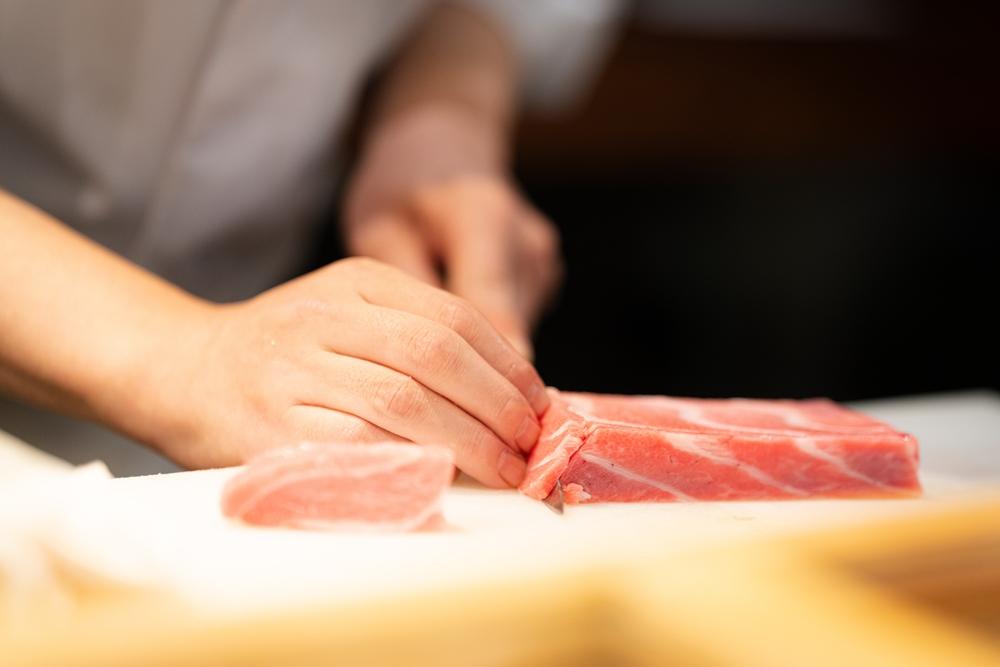
Not technically bookable, included for cultural completeness. Chef Takashi Saito's sushi counter in Roppongi is considered by the global food community to be the finest sushi experience in the world — a designation the chef has never sought and the restaurant's almost complete unavailability confirms. Reservations require a personal introduction from a regular guest. If you have such a connection, use it. If you don't, Sushisho Masa and Sushi Yoshitake (both three Michelin stars) are bookable through specialist concierge services and represent the accessible tier of the city's highest-level sushi.
NEIGHBOURHOODS & CULTURE
The Neighbourhoods
Yanaka — Old Tokyo Preserved
The neighborhood that survived both the 1923 Kanto Earthquake and the Allied bombing of World War II intact. Yanaka is the closest experience Tokyo offers to the city as it existed before the twentieth century's twin catastrophes: wooden machiya townhouses, narrow lanes where artisans maintain workshops producing textiles, pottery, and woodblock prints, temples on every other corner, and Yanaka Cemetery — a 26-acre park where cherry blossoms in spring are extraordinary and the afternoon light filters through ancient trees year-round.
Yanaka Ginza, the central shopping street, is genuinely of the neighborhood rather than designed for tourists. The street's cats — strays cared for by local residents — have made the neighborhood's reputation internationally. Hire a private guide from a specialist company for a half-day walking tour; the difference between navigating Yanaka independently and with someone who understands the history and can introduce you to specific craftspeople is significant.
Ginza — Luxury and Culture
Tokyo's premier luxury shopping district and one of the most concentrated luxury retail environments in the world. Ginza Six, designed by Yoshito Taniguchi with an interior by Teamlab, houses over 200 boutiques across six floors; the basement gallery space features rotating contemporary art installations of genuine quality alongside the retail. Dover Street Market Ginza — Rei Kawakubo's concept store — is essential for understanding the overlap between luxury fashion and contemporary art that defines the most interesting end of Ginza's retail proposition.
The Chuo-dori pedestrian closure on weekends transforms Ginza's main boulevard into an open-air social space that has no real equivalent in Western cities. The Kabukiza Theatre — where Kabuki performances run daily — sits at the eastern edge of the district; single-act tickets are available without advance reservation and represent one of the most accessible introductions to classical Japanese performing arts.
Omotesando & Aoyama — Design and Quiet Luxury
The most architecturally interesting shopping avenue in the world: a 1.2-kilometer boulevard lined with flagship buildings by Tadao Ando (Omotesando Hills), Herzog & de Meuron (Prada Aoyama), Kengo Kuma (LVMH), and Toyo Ito (Tod's). Aoyama Cemetery — a 26-hectare park — anchors the western end of the district and is one of the city's most beautiful places to spend an hour on foot. The gallery and restaurant density in the backstreets between Omotesando and Minami-Aoyama is exceptional; this is where Tokyo's creative class maintains its most permanent addresses.
Marunouchi & Nihonbashi — The Historic Commercial Core
The district built around the Otemachi Tower and Tokyo Station houses Aman Tokyo, SÉZANNE, and the headquarters of most of Japan's major financial institutions. The Marunouchi Building — a 1923 Kanto Earthquake survivor rebuilt along its original neoclassical lines — anchors the pedestrian retail corridor between the station and the Imperial Palace Gardens. Contemporary art installations rotate along the district's outdoor plazas; the Mitsubishi Ichigokan Museum, housed in a faithful reconstruction of a 1894 British-designed office building, presents consistently ambitious Western art exhibitions.
EXPERIENCES
Essential Experiences
Private Sento or Onsen
The public bath culture — sento for neighborhood bathhouses, onsen for hot spring water — is one of the most distinctive and misunderstood aspects of Japanese daily life. In the luxury context, several ryokans including Fufu Tokyo Ginza and the traditional inns of the Okutama district (90 minutes west of the city) offer private onsen rooms that can be reserved by the hour. For a less formal introduction, Oedo Onsen Monogatari in Odaiba is a large-scale public facility accessible to all. The bathing ritual — wash first, enter clean, soak as long as you wish — is one of the most restorative experiences the city offers.
Sumo at the Ryogoku Kokugikan
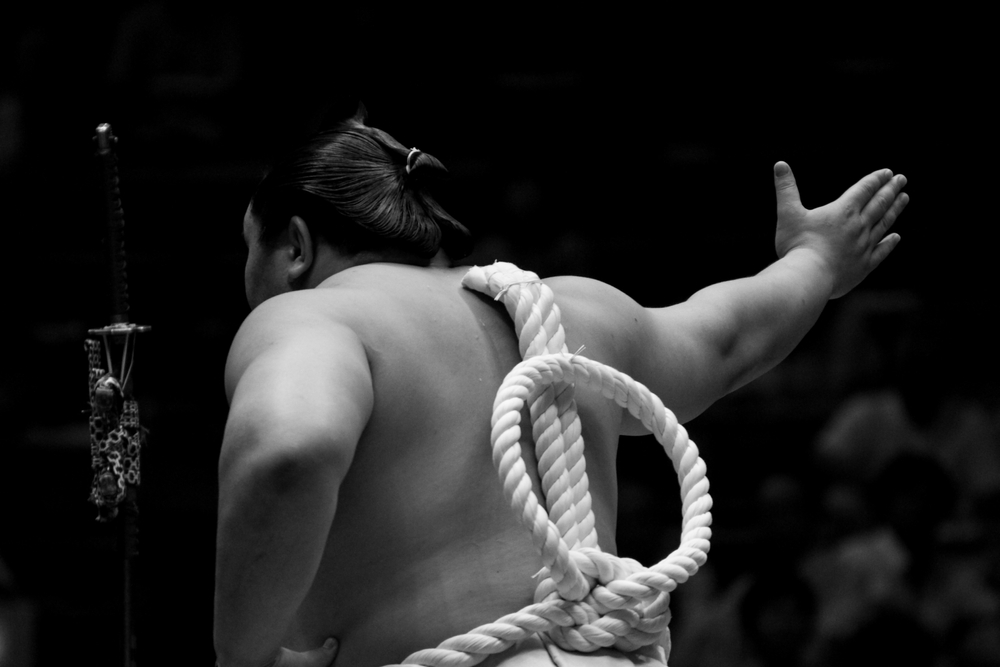
Three of the six annual Grand Sumo Tournaments take place at the Ryogoku Kokugikan in Tokyo: January, May, and September. A two-week tournament where the world's finest rikishi compete daily from 8am to 6pm — the final days of each tournament, when the championship is decided, carry an atmosphere unlike any sporting event in the Western world. Box seats (masu-seki) accommodate four people and include a meal served during the day. Book through an authorized reseller; premium boxes sell out months in advance for the final weekend.
The Tsukiji Outer Market at Dawn
The inner Tsukiji wholesale fish market relocated to Toyosu in 2018, but the outer market — a dense warren of sushi stalls, ingredient merchants, and kitchen supply shops — remains on its original Chuo site. Arriving at 6am, before the tourist crowds, delivers an experience of raw commercial energy that is specific to Tokyo and impossible to replicate anywhere else. The maguro don (tuna rice bowl) at one of the market's oldest counters — eaten standing at a narrow shelf in the market's interior — is, without sentimentality, among the finest breakfasts available in the city.
INSIDER INTELLIGENCE
Ten Things the Other Guides Won't Tell You
English is not as widely spoken as you expect, even in luxury hotel contexts. Your hotel concierge is exceptional; your cab driver may not speak a word. Download Google Translate offline with Japanese before you land, and use the camera translation feature for menus and signage.
The IC card (Suica or Pasmo) is the single most useful piece of technology in the city. Load it at the airport; it works on every train, subway, and most convenience store transactions. The transportation network is extraordinary — 13 subway lines, JR trains, private railways — and an IC card makes it seamless.
Pocket Concierge and Tableall are the serious reservation platforms. These are where the city's highest-end restaurants manage their international bookings. For Michelin three-star reservations, start here 4–8 weeks ahead for accessible restaurants. For the most difficult tables (Sazenka, Kanda, SÉZANNE), 8–12 weeks minimum.
The yen exchange rate makes Tokyo exceptional value at the luxury level. As of early 2026, the yen trades around 150 to the USD. A Michelin three-star dinner that would cost $400 per person in New York costs $200–300 in Tokyo. A suite at Aman Tokyo that would list above $2,000 in equivalent Western markets is available for $800–1,200.
Cash is still necessary. Despite rapid change, Japan's cash culture persists: many restaurants, including several Michelin-starred establishments, accept only cash or Japanese credit cards. Carry 30,000–50,000 yen at all times; ATMs at 7-Eleven convenience stores reliably accept foreign cards.
The konbini (convenience store) — 7-Eleven, FamilyMart, Lawson — is not a compromise. The onigiri (rice triangles), hot foods, and prepared sandwiches are genuinely good; the sake and beer selections curated by the Japanese convenience store system represent some of the best value drinking in the city. This is not ironic.
Tokyo's record stores and vintage markets are among the finest in the world for Black American music. Disk Union in Shinjuku has six floors by genre; Tower Records Shibuya stocks imports that have been out of print in the US for decades. For streetwear, the Harajuku backstreets and Ueno's Ameyoko market operate at a level of archive depth that no Western city matches.
Tipping is not practiced in Japan and in some contexts is actively offensive — it implies the server needed to be incentivized. The extraordinary service in Tokyo exists as a matter of professional pride and cultural commitment, not because of a supplemental economy. Do not tip at any restaurant, hotel, or taxi.
The night train (last trains typically around 12:30am) sets a social rhythm. Many high-end restaurants and bars are designed for post-train evenings; ask your hotel concierge to map your evening around the train schedule, or budget for a taxi home. Taxis in Tokyo are expensive, clean, and universally reliable.
Haute Black members receive access to preferred concierge services including priority reservations at Aman Tokyo and The Peninsula, introductions to SÉZANNE, Den, and Sazenka through our network contacts, and private guidance for navigating the experiences in this guide that are genuinely difficult to access independently.
Getting There & Around
Tokyo is served by two international airports: Narita (NRT), 60 kilometers northeast of the city, and Haneda (HND), significantly closer at 15 kilometers south. For most luxury travelers, Haneda is the superior arrival point — shorter ground transfer, a newer international terminal, and access via the Tokyo Monorail or the Keikyu Line directly to the city center.
Private terminal access through FBO operators is available at Haneda; ground transportation to Marunouchi or Roppongi takes 20–35 minutes in light traffic. From Narita, the Narita Express (N'EX) connects to Shinjuku and Tokyo Station in 53 minutes and is the most practical option for non-FBO arrivals.
Within the city: the subway and JR network covers virtually every destination in this guide efficiently and reliably. For late evening travel, a taxi account pre-arranged through your hotel is the appropriate solution. Private car hire through the hotel concierge is available and recommended for multi-stop cultural days when the weight of navigation would otherwise accumulate.
Experience Tokyo the Haute Black Way
Our concierge team arranges priority reservations at SÉZANNE, Sazenka, Kanda, and Den; private ryokan experiences in Ginza and Yanaka; Grand Sumo box tickets; and preferred room categories with complimentary upgrades at our partner properties — including Aman Tokyo and The Peninsula.
Tokyo: The City That Earns Every Superlative — Frequently Asked Questions
Late March to mid-April for cherry blossom season is iconic but extremely busy. October and November offer autumn colors, comfortable temperatures, and fewer crowds. January and February are cold but clear, with excellent dining availability. Summer (June–August) brings heat, humidity, and the rainy season.
Aman Tokyo offers the city's most refined minimalist experience with panoramic views from Otemachi. The Peninsula Tokyo in Marunouchi provides classic grand hotel luxury. The Four Seasons Hotel Tokyo at Otemachi and Park Hyatt Tokyo (of Lost in Translation fame) remain exceptional choices.
Tokyo holds more Michelin stars than any city on Earth — over 200 starred restaurants. The city's depth ranges from three-star kaiseki temples like Kanda and RyuGin to single-star sushi counters that would be considered national treasures anywhere else in the world.
Yes. Our concierge team arranges priority reservations at SÉZANNE, Sazenka, Kanda, and Den; private ryokan experiences; Grand Sumo box tickets; and preferred room categories with complimentary upgrades at partner properties including Aman Tokyo and The Peninsula.
Related Reading


Related Experiences
From the Journal

Your Journey Starts Here
Ready to Experience This
the Haute Black Way?
Our travel concierge team can arrange every recommendation in this guide — from priority reservations to private experiences and preferred room upgrades.
Begin Your Journey