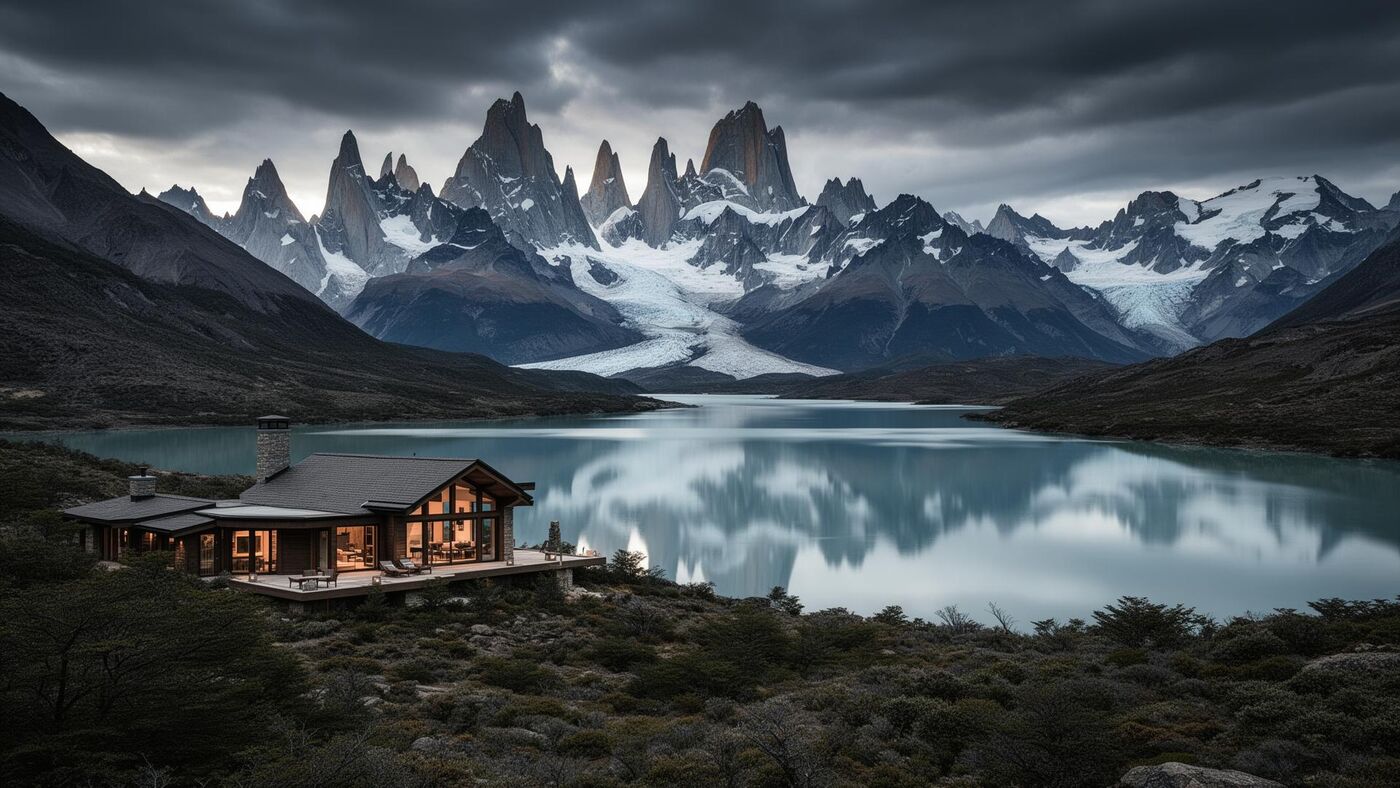
New Zealand with Kids: A South Island Summer

Marlene Azeez
Director of Travel
New Zealand with kids is at its best on the South Island between December and February, when days are long, lakes are warm enough to swim and trails are open. Ten to fourteen nights lets a family split the trip between two or three bases: Queenstown or Wānaka for lakes and adventure, Aoraki/Mount Cook and Lake Tekapo for glaciers and stars, and a day for Milford Sound. It suits every age from toddlers to teenagers, provided the driving days are short and the bigger adventures are matched to each child's age.
Our New Zealand South Island Summer journey is the full itinerary for adults, and our 10-day New Zealand itinerary compares ten different routes across both islands. This guide is narrower: which weeks suit a family, what each age actually enjoys, which adventures have published minimum ages, how to pace twelve nights so nobody spends the holiday in a car, and how we choose where a family stays.
On the South Island the landscape does the entertaining. The job is to keep the drives short and leave room for the lake, the swing bridge and the extra hour at the beach.
TIMING
When to Go to New Zealand with Kids
Christmas and New Year
The holiday weeks are the reason most North American families choose New Zealand: you swap a northern winter for a southern summer and celebrate Christmas outdoors. They are also the most committed weeks of the year. New Zealand's own school summer holidays begin just before Christmas and run through January, so local families fill the lakes and campsites too, and the best guides, helicopters, lodges and private homes are held many months ahead. Our note on how far ahead to book a luxury trip explains the timing.
January and February
January is the heart of summer, with the warmest water and the latest sunsets. February is often the most settled month of the season and noticeably quieter once New Zealand schools go back, which makes it a strong choice for families who can travel in a winter half-term or take children out of school for a week.
November and March
November and March are the shoulder months, with quieter roads and often settled weather. Lakes are colder and some alpine walks can still hold snow in November, but for families with younger children who are not chasing big adventures, they are calm, unhurried weeks. March adds autumn color in Central Otago toward the end of the month.
The Rest of the Year
Outside summer, the South Island becomes a ski destination, which is a different trip entirely. In any month, mountain and Fiordland weather changes quickly, so we always build in one flexible day for flights and boat trips.
Haute Intel: Book the helicopter or fixed-wing flight to Milford Sound for an early day in the trip, never the last. If weather grounds it, there is still time to move it, and children will remember the waterfalls far longer than the drive.
AGES
New Zealand by Age
Under 5
The South Island is gentle with small children: the food is familiar, the people are relaxed and almost every lake has a pebble beach. Keep driving legs under two hours, plan around naps and choose short walks with a reward at the end, such as a waterfall or a swing bridge. Boat trips on the lakes are easy wins. A carrier is more useful than a stroller on most tracks. Note that Whale Watch Kaikōura does not take children under three, and its captain can raise that minimum at check-in when the sea is rough.
Ages 5 to 9
This is the golden age for New Zealand. Children of this age love the swing bridges, feeding ducks on the lakes, a jet boat up a river canyon, and the first sight of a glacier lake with icebergs floating in it. Kaikōura's whales, dolphins and fur seals land every time, as do the glowworm caves across Lake Te Anau, reached by boat. At eight, children can ride the Kawarau Zipride and the Kawarau Swing near Queenstown, where eight- and nine-year-olds ride the Zipride in tandem with an adult.
Ages 10 to 13
Ten opens the door to the famous adventures. AJ Hackett's minimum age for the Kawarau Bridge Bungy, the world's first commercial bungy site, is ten, with a minimum weight of 35 kg and signed adult consent for anyone under 18; spectators watch free from the viewing deck, so the rest of the family can come along. Tweens can also manage the full Hooker Valley Track at Aoraki/Mount Cook, a heli-hike on a West Coast glacier where the operator's age rules allow, and a full day of mountain biking on the gentle Central Otago trails.
Teenagers
Teens want speed, freedom and a story to tell. From thirteen they can try the Nevis Bungy and the Nevis Catapult, which have higher weight minimums; a helicopter landing on snow high in the Southern Alps, a canyoning or rafting day and an overnight on Doubtful Sound round it out. Rafting, canyoning and heli-hike ages depend on the operator and the river or ice conditions, so we confirm them for your dates rather than assume them.
ITINERARY
A Twelve-Night Family Itinerary
Days 1 to 2: Christchurch and Kaikōura
Most families fly into Auckland and connect to Christchurch. Spend a slow first day in the city to recover from the long-haul flight, then drive north to Kaikōura, where the deep Kaikōura Canyon comes close to shore. That is why the town is known for whale watching, including sperm whales, along with dolphins, fur seals and albatross. Go out by boat in the morning, when seas are often calmer, or by air if anyone gets seasick.
Days 3 to 5: Lake Tekapo and Aoraki/Mount Cook
Cross the Canterbury Plains to the Mackenzie Basin. Lake Tekapo sits inside the Aoraki Mackenzie International Dark Sky Reserve, where a guided stargazing session shows children the Southern Cross and the Magellanic Clouds. In midsummer it gets dark late, so let younger children nap in the afternoon. At Aoraki/Mount Cook, New Zealand's highest mountain, walk the Hooker Valley Track: the Department of Conservation lists it as about 10 km return, three to four hours, on gravel with some steps and three swing bridges, ending at Hooker Lake beneath the peak. The new second swing bridge, opened in July 2026, is the longest suspension bridge in New Zealand at 189 meters. With younger children, the first swing bridge and Mueller Lookout make a satisfying 45-minute return walk.
Days 6 to 9: Queenstown and Wānaka
Queenstown on Lake Wakatipu is the family base for the adventure days: a jet boat, the gondola, a private boat on the lake and a scenic drive to Glenorchy at the head of the lake. An hour over the Crown Range, Wānaka is quieter, with a lake beach, easy walks and Mount Aspiring National Park close by. We use one of the two towns as a single base for four nights, so most days start and end in the same place rather than with a suitcase.
Day 10: Milford Sound
Milford Sound, or Piopiotahi, lies in Fiordland National Park, part of the Te Wāhipounamu World Heritage Area. The road from Te Anau is beautiful but long, so from Queenstown the most seamless way for a family is a scenic flight over the mountains with a cruise on the fiord itself. Waterfalls are at their best after rain, which children find thrilling rather than disappointing. Bring insect repellent for the sandflies.
Days 11 to 12: Central Otago
Finish slowly in Central Otago, inland from Queenstown, where summer means orchards, gentle cycle trails through old gold-mining country, and swimming in the lakes. Parents get a long lunch at a cellar door in the Gibbston Valley or Bannockburn, with a driver arranged, while children pick cherries or apricots when they are in season.
Two big adventures per base is plenty. The rest is the lake, the picnic and the long summer evening.
STAY
Where Families Stay on the South Island
Families usually do best with a private home or a lodge cottage over a single hotel room. Around Queenstown and Wānaka, we look for lakeside or hillside homes with space for children to run and a kitchen for easy breakfasts. In the Mackenzie Basin, a high-country station or small lodge with family cottages puts the stars right outside the door. In Kaikōura, a coastal property close to the harbor keeps the early boat departure simple. We have not named specific properties in this guide; your advisor shortlists them for your dates and children's ages, confirms layouts and child policies, and never quotes rates or availability until they are confirmed in writing.
PRACTICAL
Entry, Driving and Practical Notes
Most visa-waiver visitors, including US citizens, need a New Zealand Electronic Travel Authority, the NZeTA, before departure, and every traveler needs their own, children included. Most visitors also pay the International Visitor Conservation and Tourism Levy with it. Biosecurity on arrival is strict: declare food, hiking boots and outdoor gear, and clean any mud off shoes before you fly. We confirm current entry rules for everyone in your party.
New Zealand drives on the left, and mountain roads are narrow and winding, so we arrange private drivers for longer legs and scenic flights where the road takes too long. The summer sun is strong, so pack hats, rash guards and high-SPF sunscreen even on cool days, and carry warm, waterproof layers on every walk, because alpine weather turns quickly. Some wildlife outings and adventures have minimum ages, which we confirm before booking.
ARRANGING
How Haute Black Arranges It
Most families fly to Auckland and connect to Christchurch or Queenstown; there are also flights into both from Australia. For the most seamless long-haul leg, private flights can be arranged through Haute Jets. Your advisor holds every moving part: domestic flights, private drivers and guides, scenic flights and heli-hikes, the boat days, and a weather day built into the plan.
Continuing to the far south or comparing family trips? See our Australia: The Reef & the Red Centre journey, Antarctica by Expedition Yacht, our Patagonia with kids itinerary, the Hawaii island-hopping guide for families, or our family adventure vacations guide. When you are ready, plan your journey and tell us your dates, your children's ages and how adventurous your family wants to be.
New Zealand with Kids: A South Island Summer — Frequently Asked Questions
Yes. The South Island suits children of almost any age, with short walks, lake beaches, wildlife and swing bridges woven between bigger adventures. Keep driving legs short, use two or three bases and match each activity to your children's ages. Our New Zealand South Island Summer journey shows the full route.
December to February, the southern summer, has the longest days and warmest lakes. Christmas and New Year are the most in-demand weeks and overlap New Zealand's own school holidays, so book early. February is often settled and quieter, and November and March suit families with younger children who want calm roads.
AJ Hackett's minimum age for the Kawarau Bridge Bungy is ten, with a minimum weight of 35 kg and signed adult consent for anyone under 18. The Kawarau Zipride and Swing start at eight, and the Nevis Bungy and Catapult at thirteen. Limits can change, so we confirm them for your dates.
Ten to fourteen nights on the South Island is ideal for a family. That allows two or three bases, such as Kaikōura, Lake Tekapo and Aoraki/Mount Cook, and Queenstown or Wānaka, plus a flexible day for Milford Sound, without long driving days. Adding the North Island usually needs three weeks.
Yes. Most visa-waiver visitors, including US citizens of every age, need their own New Zealand Electronic Travel Authority before departure, and most also pay the International Visitor Conservation and Tourism Levy. Your advisor confirms the current entry rules for everyone in your party before you travel.
Related Reading


Related Experiences
From the Journal

Your Journey Starts Here
Ready to Experience This
the Haute Black Way?
Our travel concierge team can arrange every recommendation in this guide — from priority reservations to private experiences and preferred room upgrades.
Begin Your Journey