Haute Black Journal
10 Day Itinerary New Zealand: A Luxury Journey 2026

Marlene Azeez
Director, HauteBlack
View all articles →

Published August 20, 2026 by Marlene Azeez
Ten days is the standard planning horizon for U.S. holiday visitors to New Zealand, yet the strongest luxury itinerary depends entirely on the traveler's priority. Private aviation, flexible transfers, and concierge planning are what make diverse regions feel accessible without turning the journey into a sequence of airport lounges and rushed road days.
New Zealand's scale creates a clear tension. The country rewards slow observation, but its most compelling experiences are spread across cities, geothermal country, alpine valleys, vineyards, and fiords. A successful 10 day itinerary in New Zealand therefore needs more than a list of destinations. It needs a routing decision.
The ten journeys below are designed around distinct luxury priorities, including exploration, romance, family time, adventure, culture, wellness, wine, photography, executive retreat, and scenic driving. Each route shows where private flights, helicopters, expert drivers, preferred hotel recognition, exclusive lodges, villas, and trusted concierge relationships protect time and improve access.
New Zealand's tourism network has been developing for more than a century. The country recorded its first annual international tourist count in 1903, while tourism had become its largest export earner by 2000, milestones that help explain why today's travel infrastructure supports multi-region journeys. Tourism Industry Aotearoa's historical overview provides the wider context.
Haute Black is a relevant option for travelers who want one advisor coordinating preferred-property benefits, private aviation, transfers, villas, dining, and concierge details. Its travel planning and publication context are presented through the Haute Black News section, where the journey can be shaped around the traveler rather than a fixed tour template.
1. Classic North and South Island Explorer Auckland to Queenstown
This is the right choice for a first visit when the priority is breadth without sacrificing privilege. Begin in Auckland, use Rotorua for geothermal features and Māori cultural connection, then move south to Wellington, Queenstown, Central Otago, and Milford Sound. The route delivers the broadest introduction, but it also carries the greatest logistical pressure.
A luxury version should use a private vehicle and an expert guide for the road segments around Queenstown, Glenorchy, and Arrowtown. Choose a refined city base in Auckland or Wellington, an intimate lodge near Rotorua, and a preferred partner property in Queenstown. Haute Black's preferred relationships across brands such as Aman, Rosewood, Four Seasons, Belmond, and Ritz-Carlton can add room preferences, arrival recognition, upgrades when available, and property credits.
How to preserve the pace
Private aviation between islands is the decisive upgrade. It removes the friction of commercial connections and gives the itinerary room for a meaningful cultural appointment or an unhurried dinner. Schedule Milford Sound early enough to retain weather flexibility, rather than placing the region at the very end of the journey.
Arrange Māori cultural experiences through established local relationships, with enough lead time for respectful, properly interpreted encounters. A private wine tasting in Central Otago should focus on cellar access and conversation with knowledgeable hosts, not a succession of tasting rooms.
Practical rule: Use aviation to protect time between major regions, then slow down on the ground with one excellent guide and a small number of premium bases.
The trade-off is clear. This itinerary offers the most complete overview, but travelers who want true downtime should choose a single-island design instead. A visual comparison of luxury and standard touring reinforces how private logistics change the experience.
2. Romantic Luxury Honeymoon Akaroa to Bay of Islands
Couples should avoid treating a honeymoon as a compressed sightseeing contest. This route favors privacy, water, and unstructured time, beginning in the French-influenced atmosphere of Akaroa, continuing through the Coromandel Peninsula, and ending among the secluded coves of the Bay of Islands.
Use a private villa in Akaroa with an in-house chef, then move to a small luxury lodge with exclusive-use options in the Bay of Islands. Private yacht charters create a more intimate day on the water than a shared cruise, while a helicopter flight can turn the journey itself into a romantic highlight. The best schedule leaves space for a beach, a long lunch, or a spontaneous swim rather than filling every daylight hour.
Details that make the journey personal
A dedicated concierge can coordinate flowers, champagne, jewelry services, anniversary surprises, and private dining without placing the burden on one partner. Reserve spa treatments at the property whenever possible. That keeps the experience private and avoids turning a restorative afternoon into another transfer.
Private wine tastings should be guided by a sommelier who understands the couple's preferences. Active days can include private hiking or kayaking, but each activity should be calibrated to the couple's energy and comfort, not selected because it appears on a standard itinerary.
Book a chef-led dinner in a private room and use private aviation where the alternative would consume most of a day. The purpose isn't to see every region. It's to give the couple control over when the journey feels social, adventurous, or completely secluded.
For couples building a dedicated celebration, Haute Black's honeymoon planning service can coordinate villas, dining, transfers, and personal surprises within one itinerary.
3. Multi-Generational Family Adventure Wellington to Glenorchy
A family itinerary succeeds when every generation can participate without every generation doing the same thing. Start in Wellington with cultural attractions and private interpretation, then move to Queenstown and Glenorchy for scenery, gentle adventure, and flexible family time.
The routing should use adjoining suites or a family residence, with a clear distinction between children's activities and adult recovery time. Properties offering kids' programs, spa facilities, and private dining make it possible for grandparents to rest, parents to reconnect, and younger travelers to stay engaged without splitting the group for the entire day.
Build around shared moments
Private guides are especially valuable for families because they can adjust the pace in real time. A jet-boat experience can be adjusted for participation across age groups, while a scenic drive can include natural science, Māori history, and short walks rather than one demanding excursion.
Keep travel days light. Lower-intensity activities belong on transfer days, and the schedule should preserve room for an unexpected family choice. A child may want more time by the water, while a grandparent may prefer a quiet garden or a lodge lunch. Luxury planning should accommodate both without making either feel like a compromise.
- Share the age range early: An advisor needs to know who can walk, who needs accessible transfers, and which activities interest each generation.
- Protect adult time: Use children's programs or supervised activities to create space for spa appointments and quiet dinners.
- Choose private interpretation: A family guide can turn cultural and environmental experiences into meaningful conversations rather than passive observation.
Families should share these details well before arrival. Haute Black's family travel planning can coordinate adjoining accommodation, private guides, flexible transport, and child-aware concierge support.
4. Adventure-Focused Premium Expedition Queenstown to Fiordland
For active travelers, Queenstown and Fiordland provide the strongest concentration of dramatic terrain and high-level adventure. Base the journey around Queenstown, the Rees Dart region, Te Anau, Milford Sound, and Doubtful Sound, with luxury lodges and carefully selected guides between demanding days.
The central principle is to pair serious access with serious recovery. A private heli-hiking expedition can reach terrain that would otherwise require a long approach, while a certified mountain guide can tailor a climbing or mountaineering day to the group's actual ability. A private yacht through Doubtful Sound offers remote scenery with a controlled, comfortable platform.
Adventure requires operational discipline
Share detailed fitness information before the itinerary is built. Guides need to understand endurance, mobility, previous mountain experience, and any medical considerations. Insurance must cover the activities selected, and professional videography can document the expedition without forcing travelers to manage cameras during technical sections.
Despite the adventurous brief, schedule rest. A luxury lodge is not merely an overnight stop. It gives the body time to recover, allows weather decisions to be made intelligently, and protects the quality of the next outing. Private aviation can also reduce road exposure when the route would otherwise consume valuable energy.
The best expedition itinerary treats comfort as part of performance, not as an alternative to adventure.
Secure specialized guides early during the preferred travel season. For a more considered Fiordland base, read the Te Anau and Fiordland luxury lodge guide. This route is not for travelers who want to sample every region. It's for those who want to go deeper into the country's most powerful areas.
5. Cultural and Culinary Deep Dive Auckland to Rotorua
This itinerary is built for travelers who measure luxury by access and interpretation rather than by the number of experiences collected. Auckland, Wellington, and Rotorua form the cultural spine, with private museum experiences, contemporary art, Māori heritage, and chef-led dining shaping the days.
Begin in Auckland with a private introduction to the city's galleries, food scene, and waterfront. Wellington adds national cultural institutions and deeper historical context, while Rotorua provides a setting for geothermal features and Māori experiences. Private audiences with cultural leaders and artists should be arranged with care, including guidance on language, protocol, and appropriate photography.
Let food carry the narrative
Dining should connect place, ingredients, and people. Arrange private chef consultations, cooking sessions, and wine-and-cheese education with a specialist sommelier. The chefs named in the planning brief, Juno Rector, Simon Gault, and Peter Gordon, can serve as reference points for the level of culinary conversation and access being sought, subject to availability.
A private visit to Te Papa Tongarewa should focus on interpretation rather than moving through galleries. Cultural specialists can explain context, while translation support can be arranged when useful. Travelers should prepare before departure by reading about Māori history and discussing cultural interests and sensitivities with the advisor.
Keep evenings quiet after demanding cultural days. Reflection is part of the itinerary, especially when experiences involve living traditions rather than museum displays. This route is strongest for couples, private groups, and intellectually curious travelers who prefer depth over geographical range.
6. Luxury Wellness Retreat Rotorua to Tongariro
Rotorua and Tongariro suit a restorative itinerary because thermal bathing, forest, open terrain, movement, and carefully planned meals can share one measured rhythm. Set the wellness objective before arrival, then protect time for recovery rather than filling every hour.
Rotorua works well as the primary base. Choose private thermal pools, customized yoga or meditation, nature-based practices, and wellness-focused cuisine arranged through the lodge or resort. On-site facilities reduce transfers, while regular spa appointments and guided forest time keep the program connected to its surroundings.
For ultra-high-net-worth travelers, logistics determine the quality of the retreat. Private aviation can shorten arrival time, a dedicated transfer can remove unnecessary waiting, and preferred hotel benefits may secure better room placement, flexible dining, or discreet service. A concierge relationship should coordinate practitioners, dietary requirements, privacy, and treatment timing before the journey begins.
Build the rhythm around the traveler
Share health information and wellness goals with the advisor in advance. Recovery from executive fatigue calls for a different pace than fitness, nutrition, sleep, or mobility work. Coordinate relevant considerations with personal physicians, and arrange practitioner consultations before departure if preparation is required.
Keep the schedule intentionally light. A morning yoga session, thermal soak, nourishing lunch, and quiet nature walk can produce a stronger result than a dense sequence of treatments. Private instruction allows practitioners to adjust movement and meditation to the traveler instead of imposing a group format.
Choose restoration, movement, nutrition, sleep, or mental clarity as the primary goal. Keep the base stable, since fewer hotel changes support deeper rest. Ask the concierge to arrange dietary preferences, physician coordination, treatment timing, and privacy requirements before arrival.
Extend the route toward Tongariro for mountain scenery and nature immersion. Use private transfers to preserve energy, and add no region merely to make the map look fuller. This journey suits travelers who want New Zealand to restore them, with romance, family recovery, or an executive reset taking priority over constant sightseeing.
7. Wine Country Connoisseur Journey Central Otago to Marlborough
A serious wine itinerary needs fewer appointments and better access. Begin in Central Otago, where the South Island route is anchored by producer conversations, distinctive terroir, and cellar time. Continue to Marlborough for a contrasting regional expression, then add Waiheke Island only if boutique estates and an island setting justify the extra transfer.
Arrange private visits with producers such as Felton Road and Cloudy Bay around the traveler's palate, collection goals, and preferred level of technical detail. Kumeu River and selected Waiheke estates broaden the range. A sommelier can organize barrel tastings, vineyard walks, and food pairings, while a private transfer keeps the schedule flexible between appointments.
Keep the day focused. The planning brief sets three to four vineyards as a quality ceiling, leaving room for a proper lunch, palate-cleansing activities, and a private-chef dinner with a wine-pairing menu. More stops weaken attention and reduce the value of each producer relationship.
Central Otago dining can include Kappa Haka and Rātā. In Marlborough, prioritize educational tastings and direct access to producers. Travelers building a personal cellar should consult a professional before purchasing, then have the concierge confirm export, insurance, storage, shipping, and delivery requirements.
- Share collection goals: Specify whether the priority is discovery, cellar building, gifts, or particular varietals.
- Protect the palate: Pair tastings with food and water, and leave time away from the glass.
- Set up logistics early: Confirm shipment, insurance, storage, and delivery before buying.
Private aviation works best here as a time-saving tool between distant regions, while preferred hotel benefits can secure discreet dining and flexible check-in. For broader wine-sector context, Wine Labs market intelligence provides relevant market information. Keep the journey measured, personal, and relationship-led.
8. Scenic Luxury Photography Expedition South Island Highlights
Photography changes the meaning of a luxury itinerary. The question isn't where to go, but when to arrive, how long to remain, and whether the conditions justify moving on. A South Island route through Milford Sound, Aoraki, Mount Cook, Queenstown, and Central Otago should be built around light, weather, and access.
Private guides with photographic expertise can identify compositions that a standard transfer would pass without stopping. Helicopter access opens remote viewpoints and aerial perspectives, while a luxury base gives the photographer a comfortable place to edit, recharge, and organize equipment between shoots.
Protect the light
Discuss the photographer's skill level, equipment, and goals before departure. Someone creating a fine-art portfolio needs a different schedule from a family traveler seeking memorable images. Arrange professional rental equipment if required, and confirm whether any drone work is permitted and properly managed.
Build buffer time into the route. Weather can close or delay helicopter operations, and the best conditions may appear unexpectedly. The itinerary should therefore prioritize flexible bases over constant hotel changes. A professional photographer can also provide instruction on location, while an editing specialist can help with post-trip image selection if desired.
A photography itinerary should move when the light is right, not when the brochure says it's time to leave.
Place one media element early in the route to establish the visual purpose of the journey.
Later, use a dedicated viewing session to review compositions, adjust the remaining schedule, and decide whether a second flight or a longer stay at one location will produce stronger work.
9. Executive Wellness and Strategic Retreat Bay of Islands to Wellington
An executive retreat has two jobs. It must create conditions for strategic thinking, and it must give senior travelers enough restoration to think clearly. Begin in the Bay of Islands for privacy, water, and decompression, then use Wellington for structured meetings, cultural programming, and high-quality dining.
Schedule business sessions in the morning and wellness in the afternoon. Secure private meeting rooms, reliable video conferencing, and discreet transport at each property. A strategic advisor or executive coach can facilitate planning sessions, while private dining creates a more natural setting for conversations that shouldn't happen in a boardroom.
Separate output from recovery
The itinerary should distinguish between individual restoration and group networking. Haute Living's AI-powered network can support curated introductions among verified founders, executives, investors, athletes, and creators, while a smaller participant group keeps the retreat relevant rather than performative.
Communicate business objectives before selecting participants. A retreat for succession planning requires different expertise from one focused on growth, leadership, or investor relationships. Arrange executive coaching well ahead of departure and coordinate secure work infrastructure with the accommodation.
Team-building can include a private water activity or guided cultural experience, but it shouldn't displace the strategic agenda. The best schedule leaves senior travelers with space to process decisions privately, especially after an intensive morning.
This route is particularly suitable for a founder, leadership group, or executive traveling with a partner who wants genuine leisure rather than a conference schedule. Wellington's cultural setting provides a useful final layer, while the Bay of Islands establishes the quiet needed at the beginning.
10. Iconic Scenic Drive Luxury Journey Christchurch to Doubtful Sound
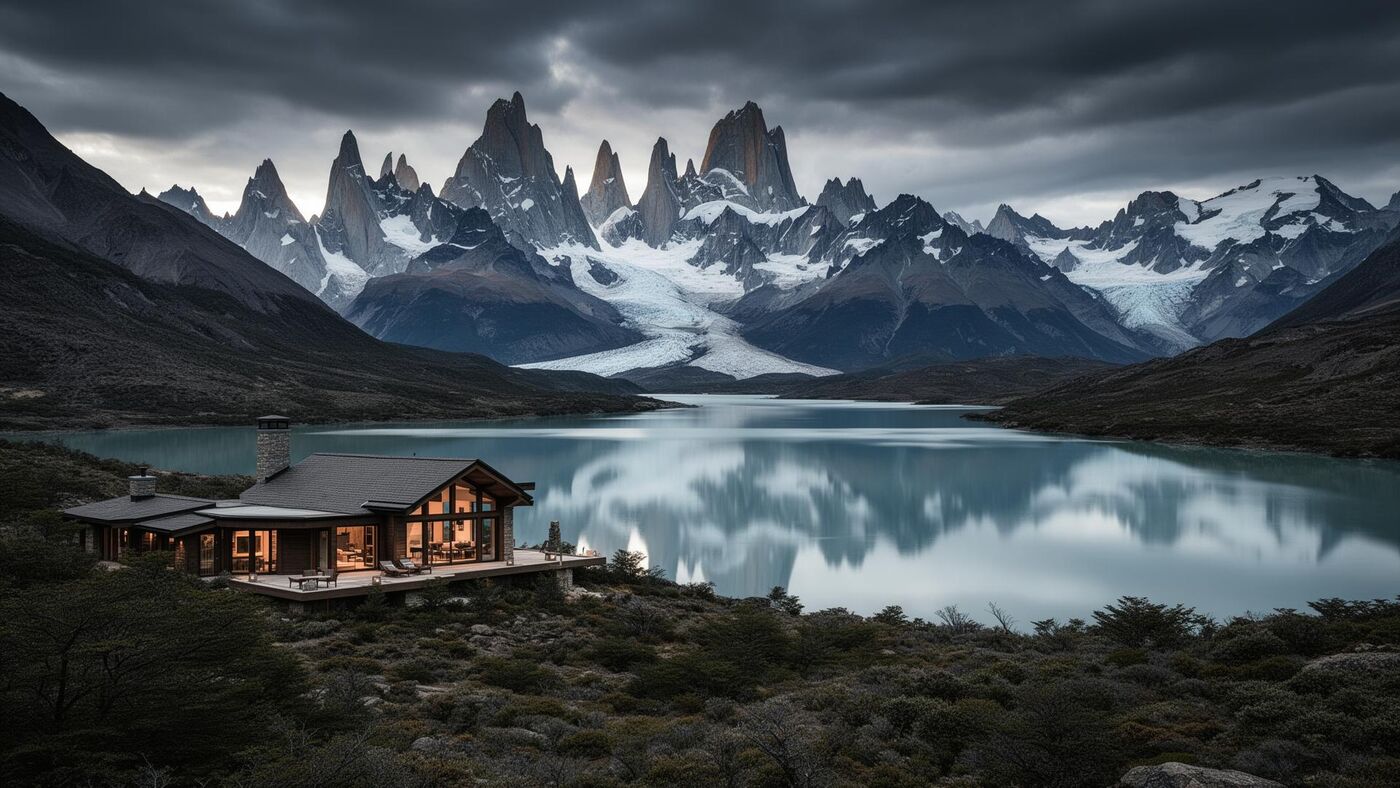
Make the road the centerpiece. Christchurch, the Mackenzie Basin, Aoraki Mount Cook, the Milford Sound access road, and Doubtful Sound form a South Island route where changing scenery matters more than ticking off attractions.
Choose a Mercedes, Range Rover, or equivalent with a private driver who knows the roads, viewpoints, weather patterns, and local stories. Confident drivers can self-drive, but a chauffeur-led itinerary suits travelers who want to photograph from the passenger seat, enjoy wine with lunch, or adjust the day without handling navigation. Private aviation can shorten the arrival or departure legs, while a trusted concierge can coordinate aircraft, vehicles, guides, and hotel preferences around road conditions.
Give the road a clear rhythm
Use well-placed lodges and premium bases to avoid unnecessary backtracking. Gourmet picnic provisions turn selected overlooks into proper meals. A private guide can arrange wildlife viewing, photography stops, and local encounters while preserving the route's structure.
Road conditions deserve respect. MBIE notes that tourist land travel relies heavily on rental or privately owned cars, and its tourism infrastructure review assesses New Zealand's road quality at 4.7 out of 7, placing it 43rd in the referenced global comparison. The MBIE tourism infrastructure review supports a practical recommendation: plan realistic driving days and protect time for weather-related changes.
- Drive longer early: Schedule the more substantial transfers near the beginning, when energy and flexibility are highest.
- Shorten the final days: Finish with easier movements and more time beside the water.
- Keep the itinerary open: Reserve space for viewpoints, changing conditions, and worthwhile roadside stops.
This route favors immersion over speed. It is the strongest choice for travelers who value scenic continuity, private pacing, and the pleasure of watching the South Island change from plains to alpine country, lakes, valleys, and remote fiord country. It gives up some efficiency, yet delivers the most satisfying relationship with the road itself.
10-Day New Zealand Itinerary Comparison
| Itinerary | Complexity 🔄 | Resource Requirements ⚡ | Expected Quality ⭐ | Impact / Results 📊 | Ideal Use Cases / Key Advantages 💡 |
|---|---|---|---|---|---|
| Classic North & South Island Explorer: Auckland to Queenstown | High, multi-vendor coordination, inter-island logistics | Very high, private aviation, 5★ properties, private guides, helis | ⭐⭐⭐⭐⭐ | 📊 Comprehensive NZ overview; iconic nature + culture access | 💡 Best for ultra-HNW first-time visitors; book private flights & Milford early |
| Romantic Luxury Honeymoon: Akaroa to Bay of Islands | Medium–High, bespoke moments & privacy logistics | High, private yachts, Michelin chefs, helicopters, intimate villas | ⭐⭐⭐⭐⭐ | 📊 Deeply personalized intimacy and surprise moments | 💡 Ideal for couples; secure chefs/charters well in advance |
| Multi-Generational Family Adventure: Wellington to Glenorchy | High, pacing & accessibility for varied ages | High, family suites, private guides, multi-activity operators | ⭐⭐⭐⭐ | 📊 Strengthened family bonds; flexible multi-age programming | 💡 Best for families; communicate ages/preferences 90+ days ahead |
| Adventure-Focused Premium Expedition: Queenstown to Fiordland | High, safety, permits, remote logistics | Very high, heli access, certified guides, technical gear | ⭐⭐⭐⭐ | 📊 High-adrenaline, remote-access experiences with pro support | 💡 For active affluent travelers; require fitness disclosure and insurance |
| Cultural & Culinary Deep Dive: Auckland to Rotorua | Medium–High, cultural permissions & chef scheduling | High, tribal leaders, private museum access, celebrated chefs | ⭐⭐⭐⭐ | 📊 Deep cultural immersion and culinary education | 💡 For culturally curious travelers; book chefs and cultural audiences 120+ days out |
| Luxury Wellness Retreat: Rotorua to Tongariro | Medium, personalized health programming | High, private spas, wellness practitioners, bespoke cuisine | ⭐⭐⭐⭐ | 📊 Restoration, preventative-health outcomes; deep relaxation | 💡 Suited to wellness-focused HNWIs; provide health goals/records in advance |
| Wine Country Connoisseur Journey: Central Otago to Marlborough | Medium, vineyard coordination & logistics | High, private tastings, sommeliers, cellar access, shipping logistics | ⭐⭐⭐⭐ | 📊 Terroir education, exclusive tastings, collection acquisitions | 💡 For wine collectors; limit daily tastings and arrange shipment logistics |
| Scenic Luxury Photography Expedition: South Island Highlights | High, timing, permits, remote access for golden hour | High, pro instructors, helicopter access, equipment rental | ⭐⭐⭐⭐ | 📊 Exceptional imagery and skill development; private locations | 💡 Ideal for photographers; plan buffer days and pre-book gear/helis |
| Executive Wellness & Strategic Retreat: Bay of Islands to Wellington | High, integrates business tech, coaching, security | Very high, executive coaches, secure tech, curated networking | ⭐⭐⭐⭐ | 📊 Strategic outcomes plus restoration; curated peer access | 💡 For C-suite teams; clearly define objectives and select coaches 90+ days out |
| Iconic Scenic Drive Luxury Journey: Christchurch to Doubtful Sound | Medium, route optimization and long driving days | Medium–High, luxury vehicle/driver, strategic lodges, gourmet stops | ⭐⭐⭐⭐ | 📊 Immersive landscape-led travel with personalized pacing | 💡 For travelers valuing scenic immersion; book lodges 120+ days and hire expert driver |
Turn the Right Route Into a Seamless Journey
The best 10 day itinerary in New Zealand starts with a decision about the experience you want to remember. Choose the Classic Explorer for a broad first impression, the honeymoon route for privacy and romance, the family journey for shared access across generations, or the expedition for demanding terrain and remote areas. Cultural travelers should stay close to Auckland, Wellington, and Rotorua, while wellness guests should reduce movement and establish a stable restorative base.
Wine connoisseurs need producer relationships and careful tasting rhythm. Photographers need light, weather flexibility, and time in the field. Executives need secure workspaces, disciplined scheduling, and the separation of strategy from recovery. Scenic drivers should embrace the road rather than treating it as an obstacle.
The country's visitor model supports this kind of careful sequencing. Tourism New Zealand's United States market snapshot reports an average stay of 10 days for U.S. holiday visitors, making this length a realistic planning horizon for a major long-haul market. Tourism Industry Aotearoa's industry overview also traces how air links and tourism infrastructure developed to support multi-stop travel.
At the same time, independent itinerary guidance advises that ten days is usually best spent on one island, because splitting between both can create long transit days and little slack. NZ Trip's guidance on trip length is useful when deciding whether a detailed route justifies private aviation or whether a single-island journey will produce a more relaxed result.
Book in the right order
Start by confirming the travel season, passport validity, visa or entry requirements, and any health documentation relevant to the travelers. Then send the advisor a complete preference brief that includes dietary requirements, mobility needs, fitness levels, family ages, cultural interests, privacy expectations, and tolerance for driving or flying.
Reserve scarce lodges, private guides, helicopters, yacht charters, and chef-led experiences before finalizing the day-by-day detail. Build weather buffers around helicopter operations and Fiordland, where conditions can alter plans. Confirm a private-transfer plan, aviation alternatives, luggage handling, and airport contingencies so one delay doesn't destabilize the entire journey.
Domestic visitor research shows how strongly travelers value satisfaction and expectation management. MBIE's October 2025 Domestic Visitor Survey found that 49% of overnight travelers were very satisfied and 39% satisfied, while 95% said expectations were met or exceeded. For day trips, 44% were very satisfied and 45% satisfied, and 97% said expectations were met or exceeded. The MBIE Domestic Visitor Survey also identifies destination websites, online resources, and recommendations from friends or family as major planning inputs, with cost and weather among the leading barriers.
That evidence supports a luxury planning approach based on information and flexibility, not excess. Give every hotel the correct arrival profile. Confirm preferred rooms, dietary notes, celebration details, mobility support, and transfer timing. Finalize packing around the season and activity level, then review travel insurance so it covers adventure, helicopter, and remote-region plans where applicable.
Private aviation can make a two-island itinerary viable, but it shouldn't be used to excuse poor routing. The advisor's task is to minimize backtracking, keep road days moderate, place premium experiences where they belong, and preserve enough slack for weather, fatigue, and discovery. For executive travelers who need a discreet multi-city chauffeur plan, MLR Worldwide Service's itinerary planning resource offers a useful reference point for the transport layer.
Haute Black can coordinate dedicated advisory support, VIP hotel recognition, private aviation, helicopter and first-class transfers, villas and estates, dining, and concierge execution. Its membership model adds a dedicated advisor and waived planning fees, while non-members can also book signature journeys and tailor-made trips. For travelers who want one accountable partner from the first conversation through final departure, the right next step is to submit a preference-led brief rather than request a generic New Zealand package.
Haute Black can design a New Zealand journey around your preferred pace, travel party, hotel style, private aviation needs, villas, dining, and access requirements. Visit Haute Black to begin a conversation with a travel advisor who can turn the right itinerary concept into a coordinated departure.
Frequently Asked Questions
Explore Our Guides
Signature Experiences


