Christchurch · Kaikōura · Aoraki/Mount Cook · Lake Tekapo · Wānaka · Queenstown · Fiordland & Milford Sound · Central Otago
New Zealand South Island Summer
A fully bespoke luxury journey, designed entirely around you.
DURATION
8–12 Nights
BEST TIME TO GO
December – February (southern-hemisphere summer: the longest days, warmest weather and the most open trails); November and March for quieter roads and settled weather; the Christmas and New Year weeks are the most in-demand of the season
IDEAL FOR
Discerning travelers seeking an extraordinary experience
A bespoke 8–12 nights journey through Christchurch · Kaikōura · Aoraki/Mount Cook · Lake Tekapo · Wānaka · Queenstown · Fiordland & Milford Sound · Central Otago — designed entirely around your preferences, pace, and vision of extraordinary. Every detail is curated by advisors who know this destination from the inside.
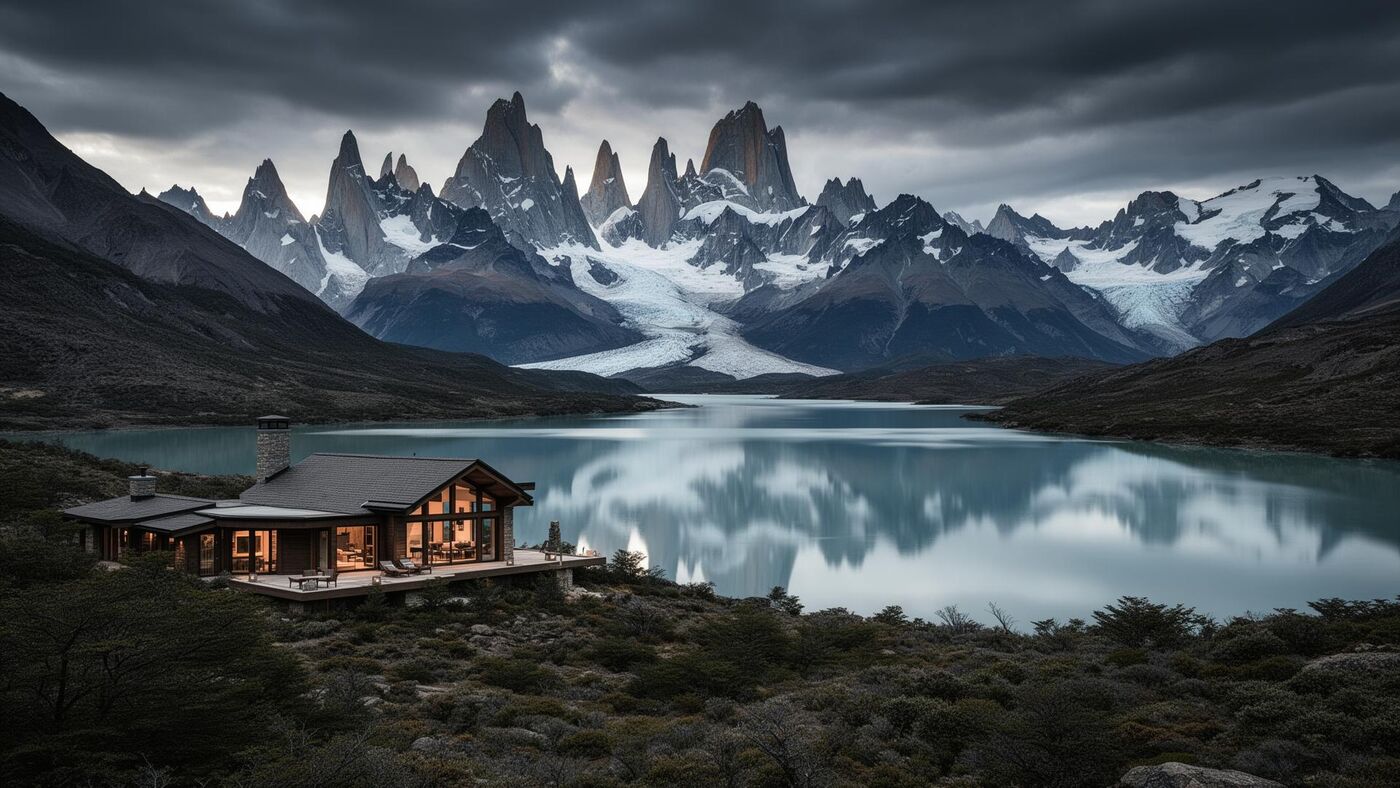
New Zealand South Island Summer is HauteBlack’s inquiry journey to the South Island in the southern-hemisphere summer: Queenstown and Wānaka on their alpine lakes, Milford Sound and Fiordland National Park, Aoraki/Mount Cook and the dark skies of Lake Tekapo, Central Otago Pinot Noir, and whales and wildlife on the coast at Kaikōura.
HauteBlack designs it as eight to twelve nights with few moves and long stays, using Queenstown as an anchor, scenic flights where the roads take too long, and private guides in every region, with one advisor holding every flight, drive, helicopter and guide.
When is the best time to visit the South Island? December to February for the longest, warmest days; November and March for quieter roads and settled weather. Mountain and Fiordland weather can change quickly in any month, so the plan includes flexible days. The Christmas and New Year weeks are the most in-demand of the season and are best held many months ahead.
How do you get there? Fly to Auckland and continue to Queenstown or Christchurch. US citizens need an NZeTA before travel. Private flights can be arranged through Haute Jets.
Is it good for families? Yes. The South Island is one of the best summer destinations for families when days mix short walks, lakes and wildlife with bigger adventures; activity age limits are confirmed before you book.
Do I need a membership? No. Non-members are welcome. An advisor responds within 24 hours when you plan your journey.
The Journey
Your Itinerary
Chapter 01
Chapter 01 — Why the South Island in Summer
Why visit New Zealand’s South Island in summer? Because when the northern hemisphere is at its coldest and darkest, the South Island is at its most generous: long days that stay light well into the evening, warm lakes, open alpine trails and roads, and orchards and vineyards in full leaf. The island packs glaciers, fiords, a high mountain range, turquoise lakes and one of the world’s great dark-sky reserves into a place you can cross in a day by air. New Zealand South Island Summer is HauteBlack’s eight-to-twelve-night inquiry journey for that version of the country: fewer moves, longer stays, private guides in each region, and scenic flights where the roads take too long. It is designed around your family’s pace and the weather, not a coach timetable.
Chapter 02
Chapter 02 — Queenstown and the Lakes
What is there to do in Queenstown in summer? Queenstown sits on the shore of Lake Wakatipu beneath the Remarkables range and is the South Island’s busiest base for both adventure and long lunches. Summer days here can be as gentle or as fast as you like: a private boat on the lake, a jet boat up a river canyon, mountain biking, a scenic drive to Glenorchy at the head of the lake, or the original commercial bungy jump at the Kawarau Gorge for the bravest member of the family. An hour away over the Crown Range, Wānaka is quieter, with a lake, mountain walks and easy access to Mount Aspiring National Park. Your advisor uses these two towns as anchors, so most days begin and end in the same place rather than with a suitcase.
Chapter 03
Chapter 03 — Fiordland and Milford Sound
How do you see Milford Sound? Milford Sound, or Piopiotahi, is a fiord in Fiordland National Park, part of the Te Wāhipounamu World Heritage Area, where sheer rock walls rise straight out of dark water and waterfalls pour from the cliffs, especially after rain. You can reach it by a long and beautiful road from Te Anau, but the most seamless way from Queenstown is a scenic flight by fixed-wing aircraft or helicopter over the mountains, with a cruise on the fiord itself. Doubtful Sound, larger and much quieter, is reached by boat and road from Manapouri and rewards an overnight or a full day. Fiordland is one of the wettest places in New Zealand, so flights are always weather-dependent; your advisor builds in a flexible day so the fiord is seen at its best, not just on the day the itinerary said.
Chapter 04
Chapter 04 — Aoraki/Mount Cook and the Dark Sky
Is Aoraki/Mount Cook worth visiting? Yes, for most travelers it is the emotional high point of the island. Aoraki/Mount Cook is New Zealand’s highest mountain, at the heart of a national park of glaciers, moraine lakes and walking tracks such as the Hooker Valley Track, an easy, mostly flat walk to a glacier lake beneath the peak. Scenic flights land on snow high in the range, even in midsummer. Nearby, Lake Tekapo and the Mackenzie Basin sit inside the Aoraki Mackenzie International Dark Sky Reserve, one of the largest in the world, where guided stargazing reveals the southern sky: the Southern Cross, the Magellanic Clouds and the Milky Way overhead. In high summer the nights are short, so stargazing starts late; your advisor plans the evening around it.
Chapter 05
Chapter 05 — Central Otago Wine and the Long Table
What is Central Otago known for? Central Otago, inland from Queenstown, is the world’s southernmost major wine region and is best known for Pinot Noir, grown in a dry, sunny landscape of schist rock, thyme and mountain light. Summer is the time for long lunches at cellar doors in the Gibbston Valley, Bannockburn and around Cromwell, private tastings with winemakers, and rides on the gentle cycle trails that link the old gold-mining country. Further north, Marlborough, at the top of the island, is the home of New Zealand Sauvignon Blanc and can be added for wine-focused travelers. Your advisor arranges a driver for every tasting day.
Chapter 06
Chapter 06 — Wildlife, Glaciers and the Wild Coast
What wildlife can you see on the South Island? On the coast at Kaikōura, north of Christchurch, the deep Kaikōura Canyon comes close to shore, which is why the town is known for whale watching, including sperm whales, along with dolphins, fur seals and albatross, by boat or by air. On the West Coast, the Franz Josef and Fox glaciers flow down from the Southern Alps toward temperate rainforest, and the best way to stand on the ice is a heli-hike. Around Otago and the Catlins in the far south, guided outings can include fur seals, sea lions and rare penguins such as the yellow-eyed penguin. Every encounter is arranged through operators who respect the protected areas, and some outings have minimum ages, which we confirm before you book.
Chapter 07
Chapter 07 — When to Go and How Many Nights
When is the best time to visit New Zealand’s South Island? December to February is summer, with the longest days and warmest weather; November and March are often quieter, with settled weather and fewer visitors. The weather in the mountains and in Fiordland can change quickly in any month, so flexibility matters more than a perfect forecast. The Christmas and New Year weeks are the most in-demand of the year, and the best guides, helicopters and lodges are committed many months ahead; see how far ahead to book a luxury trip. How many days do you need on the South Island? Eight nights covers Queenstown, Fiordland and Aoraki/Mount Cook at an unhurried pace; ten to twelve nights adds Wānaka, Kaikōura or the West Coast glaciers. Is New Zealand good for families? Yes. It is one of the best summer destinations for families with children of almost any age, with short walks, lakes and wildlife woven between the bigger days. Families looking for more adventure ideas can read our family adventure vacations guide.
Chapter 08
Chapter 08 — Getting There and How HauteBlack Arranges It
How do you get to New Zealand’s South Island? Most travelers from North America fly to Auckland, then continue on a domestic flight to Queenstown or Christchurch; there are also flights into Christchurch and Queenstown from Australia. New Zealand requires most visa-waiver visitors, including US citizens, to hold an NZeTA electronic travel authority before departure, and biosecurity rules on arrival are strict; your advisor confirms current entry requirements for every traveler. Within the island, helicopters and light aircraft turn long drives into short scenic flights, and for the most seamless long-haul connection, private flights can be arranged through Haute Jets. Your advisor holds every moving part: flights, private drivers and guides, scenic flights and heli-hikes, cruises in the fiords, and weather days built into the plan. Accommodation is shortlisted and confirmed for your dates before anything is booked; we never quote rates or availability until they are confirmed in writing. Planning a wider far-south journey? See Antarctica by Expedition Yacht or Patagonia. Start when you plan your journey; an advisor responds within 24 hours, and no membership is required.
Make This Itinerary Yours
Every Haute Black journey is crafted around you — your passions, your pace, your vision of extraordinary. Tell us about yourself and we'll create something entirely yours.
Good to Know
Questions About This Journey.
Completely. Every HauteBlack journey is a starting point, not a fixed package. Your dedicated travel advisor will reshape every element — accommodations, pacing, dining, private guides, and experiences — entirely around your preferences, travel style, and what you want to remember. Nothing is off the shelf.
For peak-season travel and premium properties — particularly safari lodges like Singita Ebony Lodge or Delaire Graff Estate — we recommend booking 6 to 12 months in advance. For more flexible dates and destinations, 3 to 6 months is typically sufficient. Your advisor will always tell you honestly what's achievable in your timeframe and find alternatives if first-choice properties are unavailable.
No. All HauteBlack journeys are available without membership. You work with a dedicated travel advisor and receive Virtuoso preferred partner benefits — complimentary upgrades, resort credits, daily breakfast, and VIP arrival — on every qualifying stay, membership or not. Membership adds waived planning fees, a dedicated senior advisor, priority access to private events, and deeper concierge support.
A dedicated HauteBlack travel advisor contacts you within 24 hours — usually sooner. They'll start with a conversation, not a form. You'll discuss your vision, travel style, dates, and any preferences. From there, your advisor builds a fully bespoke itinerary proposal. There is no obligation and no planning fee for the initial consultation.
Before You Go
What to Expect
New Zealand’s South Island is reached via Auckland (AKL) with domestic flights to Queenstown (ZQN) or Christchurch (CHC); flights from Australia also serve both. Private flights can be arranged through Haute Jets. Most visa-waiver visitors, including US citizens, need an NZeTA before travel. Summer runs December to February; November and March are quieter shoulder months. Scenic flights to Milford Sound and onto the glaciers are weather-dependent, so the itinerary keeps flexible days. Accommodation is shortlisted and confirmed for your dates before booking. Cross-links: Antarctica by Expedition Yacht, Patagonia, Lapland Christmas & Northern Lights, family adventure vacations. Share dates and party size when you plan your journey.
Every HauteBlack itinerary is fully bespoke. While the journey outlined above represents our curated recommendation for Christchurch · Kaikōura · Aoraki/Mount Cook · Lake Tekapo · Wānaka · Queenstown · Fiordland & Milford Sound · Central Otago, your dedicated travel advisor will tailor every element — from accommodations and dining to private guides and cultural immersions — to match your preferences, pace, and travel style.
Best experienced during December – February (southern-hemisphere summer: the longest days, warmest weather and the most open trails); November and March for quieter roads and settled weather; the Christmas and New Year weeks are the most in-demand of the season, this 8–12 Nights journey can be extended, shortened, or combined with neighboring destinations. Whether you're celebrating a milestone, traveling as a family, or seeking a private retreat, we adapt the experience to you.
Your Advisor Takes Care Of:
- ◆Private airport transfers and in-destination transportation
- ◆Hotel reservations and room upgrades
- ◆Restaurant access and private dining arrangements
- ◆Guided experiences and exclusive site access
- ◆24/7 support before and throughout your journey
Designed by Marlene Azeez, Director of Travel — with direct knowledge of this destination and long-standing relationships at every property.





Stay Inspired
Get Our Weekly Insider List
Curated destinations, exclusive offers, and travel intelligence — delivered every week to discerning travelers.
No spam, ever. Unsubscribe anytime.
BEGIN YOUR JOURNEY
Ready to Make This Journey Yours?
Every detail can be tailored to your vision. Our travel specialists handle everything from first inquiry to final farewell.
Non-members welcome. No membership required.