Haute Black Journal
Trip to Peru 2026: Luxury VIP Itineraries & Machu Picchu

Marlene Azeez
Director, HauteBlack
View all articles →
# Trip to Peru 2026: Luxury VIP Itineraries & Machu Picchu
Published August 18, 2026 by Marlene Azeez
You've chosen the hotels, saved the restaurants, and perhaps even found the perfect photograph of Machu Picchu. Then the practical questions arrive. Will your entry time fit the train? Can your body handle Cusco on arrival? Should you stay in the city or the Sacred Valley? What happens if rain, capacity rules, or a delayed flight disrupts the one moment you can't repeat?
A trip to Peru in 2026 deserves a more disciplined answer than a list of beautiful properties. Peru is a spectacular destination, but the experience depends on sequencing altitude, weather, transportation, hotel location, and regulated access. For a private client, luxury means removing friction before it appears.
Why a Trip to Peru Is Really a Planning Challenge
Peru has recovered as a tourism destination, but recovery has created a new planning reality. The country received 4,157,469 international visitors by the end of 2025, a 4.1% increase over 2024 and 78.8% of pre-pandemic levels, according to Andina's report on Peru's 2025 visitor arrivals. That figure sits far above Peru's historical annual average of 1,488,745 visitors from 1980 through 2024, although it remains below the all-time high of 4,419,430 visitors recorded in 2018.
The practical lesson is more important than the rebound itself. Demand has returned at a speed that makes availability, timed access, and reliable transfers central to the journey. Peru isn't a destination where you should assume that a last-minute decision will produce the most elegant result, especially when the centerpiece of the itinerary operates under daily visitor limits.
The luxury version of Peru is planned in the correct order, not simply booked at a higher price.
The geography compounds the challenge. Lima sits on the coast, the Sacred Valley and Cusco occupy the Andes, and the Amazon introduces heat, humidity, river transfers, and an entirely different rhythm. A route that looks efficient on a map can feel exhausting in practice if it moves a traveler from sea level directly into demanding high-altitude sightseeing.
Weather adds another layer. Rain can change train logistics, trail conditions, road timing, and the visual quality of mountain excursions. A private guide and a beautiful suite can't compensate for an itinerary that leaves no room to absorb a delay.
If you're building the trip yourself, a practical primer such as Cartograph Coffee's backpacking guide can help you understand the destination's broad planning variables. Luxury planning then takes that foundation further, replacing improvisation with carefully timed transfers, preselected room categories, private touring, and contingency options.
The right mindset is simple. Treat Peru as a sequencing problem solved before departure. Decide where you'll acclimatize, which base will support Machu Picchu, how much movement your party wants, and which experiences deserve protected space in the calendar.
The Regions That Actually Matter for a Luxury Trip
A well-planned Peru itinerary doesn't need every famous stop. It needs the right combination of regions, each assigned a clear role.
Lima establishes the tone
Use Lima as the coastal opening or closing chapter, not merely an airport stop. Its strongest luxury proposition is culinary, with polished restaurants, ocean-facing neighborhoods, contemporary galleries, and private dining that help the trip begin at an unhurried pace. Barranco suits travelers who prefer character and art, while Miraflores offers a more conventional base with easy access to the waterfront and established hotels.
For a short visit, one well-designed day is better than an overstuffed city tour. Reserve the serious meal, arrange a private architectural or culinary walk, and keep the arrival evening deliberately light.
The Sacred Valley should carry the Machu Picchu load
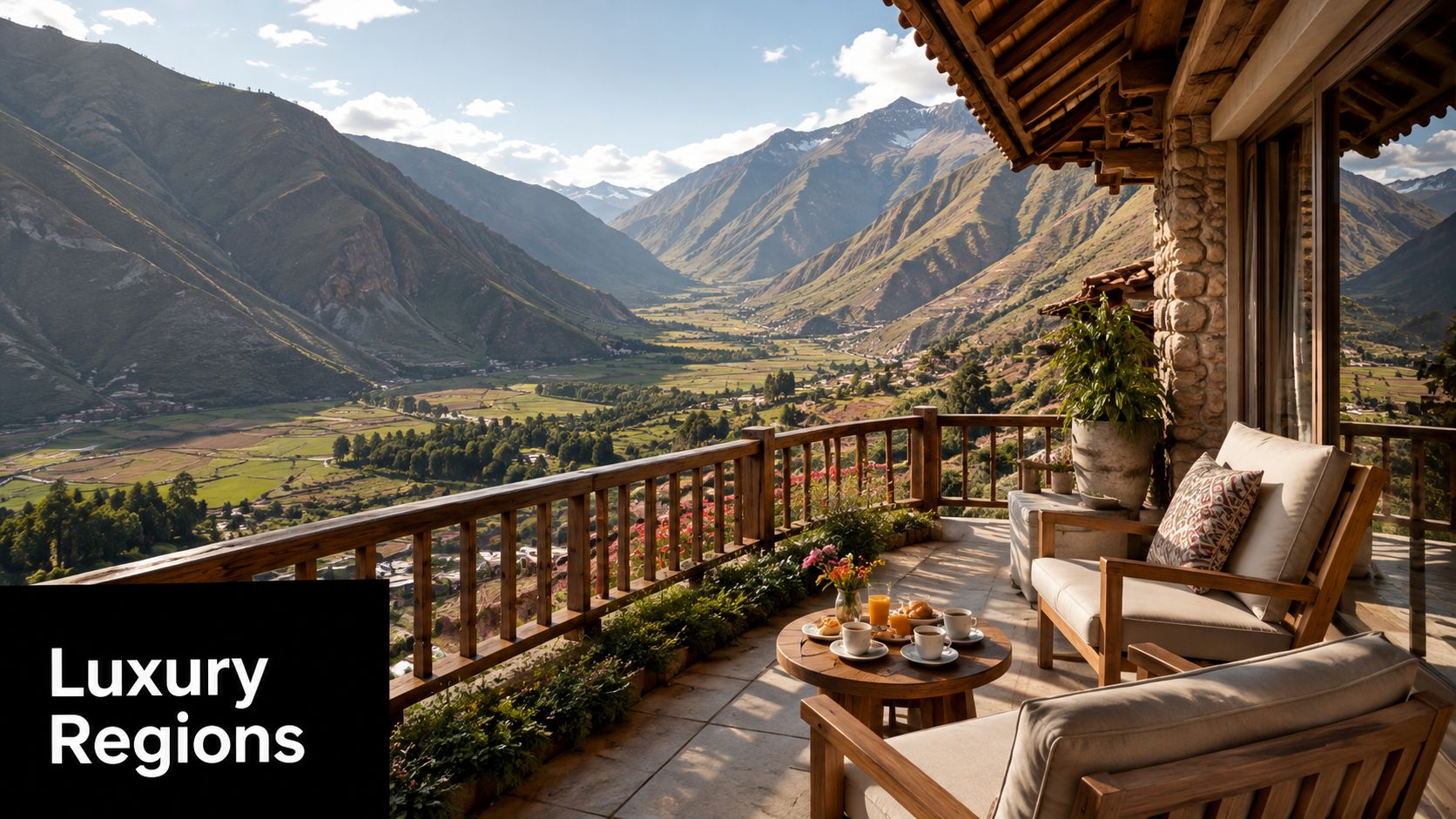
The Sacred Valley is the operational heart of the itinerary. Its lower elevation than Cusco makes it a more comfortable base for acclimatization, and its position reduces the strain of making repeated high-altitude day trips from the city. Properties such as Belmond Hotel Rio Sagrado, Sol y Luna, and Tambo del Arriero appeal for different reasons, from river views and character to a more secluded resort feel.
Stay here when Machu Picchu is the priority. You'll be closer to the rail departure points, better positioned for early logistics, and able to explore Pisac, Ollantaytambo, Moray, and the valley's views without treating every excursion as a race.
Cusco supplies the cultural depth
Cusco deserves time, but it shouldn't automatically be your first night in the Andes. Once acclimatized, use the city for private museum visits, colonial architecture, Inca stonework, excellent dining, and a guided exploration of the surrounding archaeological sites. A private guide changes the experience by controlling pace and choosing the right level of walking.
The Amazon changes the texture completely
The Amazon basin is the counterpoint to the Andes. Lodges near Puerto Maldonado offer river excursions and forest immersion, while Iquitos provides access to a different Amazon setting. Choose one rather than trying to force both into a compressed itinerary. The value lies in slowing down, not collecting another transfer.
Arequipa and Colca reward extra time
Arequipa is Peru's most underrated luxury base. Its white volcanic-stone architecture, refined culinary scene, and strong boutique-hotel character create a more intimate urban experience than Lima or Cusco. Add Colca when you have enough time for the canyon to feel like a destination, not a rushed detour.
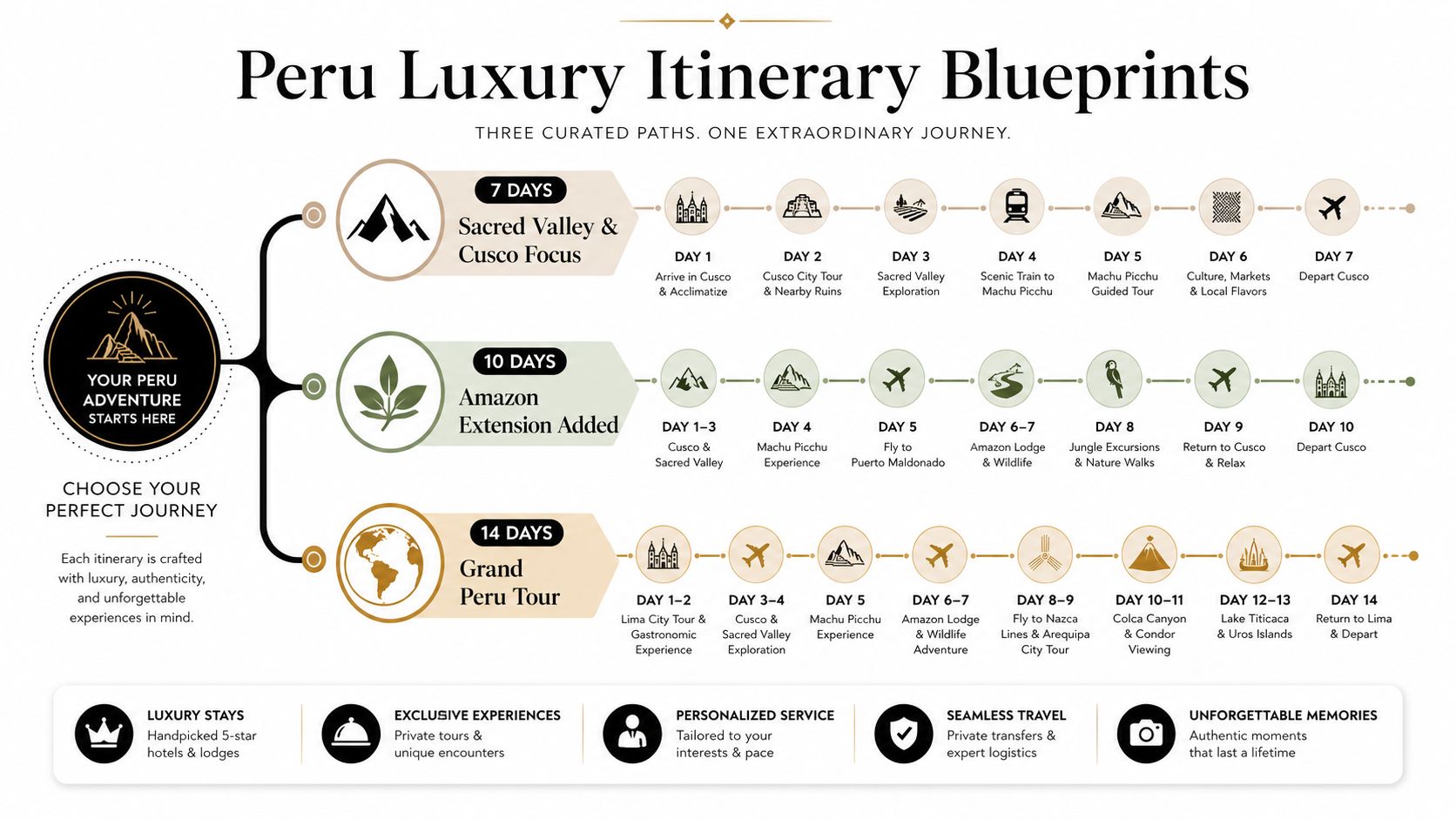
For seven days, focus on the Sacred Valley, Machu Picchu, and Cusco. For ten days, add the Amazon. For fourteen days, include Lima, Arequipa, and Colca, provided your party enjoys movement and varied scenery.
Building a 7 to 14 Day Luxury Itinerary
The best Peru itinerary depends on what you're willing to omit. A luxury trip should have a dominant narrative, whether that's Inca heritage, wildlife, food, or geographic contrast.
The seven-day focus
Days 1 and 2: Arrive in Lima, rest, and enjoy a carefully chosen dinner or private food experience. If your international arrival is late, don't pretend the first day is a sightseeing day.
Days 3 and 4: Transfer to the Sacred Valley and settle into a high-comfort property. Keep the first full day gentle, with a private valley drive, a relaxed lunch, and an archaeological site selected for manageable walking.
Day 5: Visit Machu Picchu using a prearranged train and timed entry. Return to the Sacred Valley rather than adding an unnecessary late-night transfer.
Days 6 and 7: Move to Cusco for cultural touring, a private dinner, and a final morning that leaves room for flight schedules. This route works for couples and executives who want the essential experience without turning every day into a departure day.
The ten-day Amazon extension
Use the seven-day structure, then add the Amazon only if you can protect several nights for it.
After Cusco, fly or transfer into your selected Amazon gateway, depending on the lodge and routing. Spend the rainforest days on guided river outings, canopy walks, wildlife observation, and quiet time at the property. Return to Lima for the final night when your international flight timing requires a reliable buffer.
The Amazon should be the decompression phase. Don't place it between two tightly scheduled Machu Picchu movements unless your aviation plan and lodge transfers are exceptionally well coordinated.
The fourteen-day grand route
Begin with Lima, then move to the Sacred Valley for acclimatization and Machu Picchu. Continue to Cusco, then travel south to Arequipa and the Colca extension before finishing with the Amazon or returning to Lima for coastal dining.
This version works because it separates the trip into distinct chapters. The Andes deliver history and altitude, Arequipa provides architectural calm, Colca adds scale, and the Amazon closes with immersion rather than another museum.
Protect the first high-altitude days and the Machu Picchu entry. Everything else should be arranged around those fixed points.
The route below shows the pacing logic, not a rigid prescription.
| Trip length | Core route | Best for |
|---|---|---|
| Seven days | Lima, Sacred Valley, Machu Picchu, Cusco | First-time visitors with limited time |
| Ten days | Core route plus Amazon | Travelers seeking cultural and wildlife contrast |
| Fourteen days | Lima, Sacred Valley, Machu Picchu, Cusco, Arequipa, Colca, Amazon or Lima | Travelers who want Peru's broadest southern circuit |
A visual overview can help your family or travel office compare the three structures before you commit. The itinerary should then be rebuilt around actual flight schedules, rail availability, entry windows, and the physical preferences of everyone traveling.
Securing Premium Access to Machu Picchu in 2026
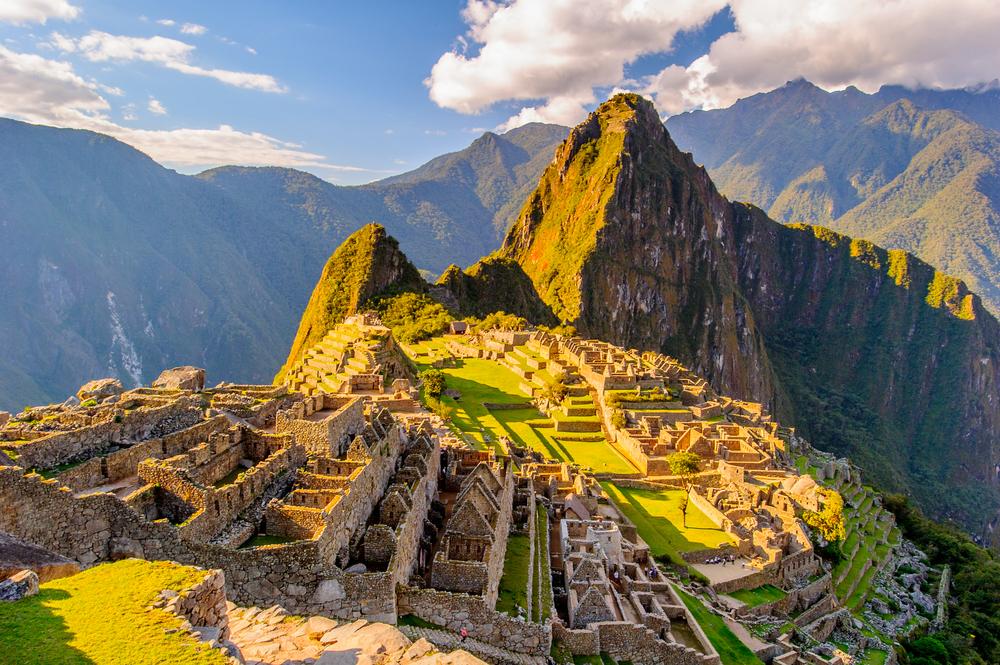
Machu Picchu is not a flexible sightseeing stop. It's a regulated experience with fixed entry conditions, a controlled daily volume, and a transport chain that must work in sequence.
Peru's Ministry of Culture has set a standard daily cap of 4,500 visitors, while peak-season periods in 2026 can permit up to 5,600 visitors per day, as reported in the official Machu Picchu access guidance. High-season limits apply from June 19 to November 2, with additional selected dates including December 30 and 31, according to Andina's coverage of the 2026 high season.
| Period | Daily Cap | Notes |
|---|---|---|
| Regular periods in 2026 | 4,500 | Standard access limit |
| Peak-season periods in 2026 | 5,600 | Applies during designated high-season windows and selected dates |
The cap is only one part of the system. Tickets are tied to circuits and timed entry, so your advisor must coordinate the admission category, train departure, station transfer, guide, and return journey. The popular panoramic routes, including the standard circuit and options associated with Huchuy Picchu, should be selected according to your group's walking ability and priorities, not just because a route appears more exclusive online.
Why the Sacred Valley is the correct base
Staying in the Sacred Valley avoids the worst version of the Machu Picchu day, a pre-dawn departure from Cusco followed by a long return and a late arrival at altitude. The valley places you closer to rail connections and gives your party a calmer evening before or after the visit.
A very early entry can also improve the rhythm of the experience. It tends to support cooler walking conditions, a more composed photographic session, and less pressure on the rest of the day. It won't remove the site's visitor controls, but it can make the schedule feel deliberate rather than crowded.
For a deeper operational perspective, review Haute Black's luxury travel guide to Machu Picchu, then have an advisor confirm the official inventory before booking nonrefundable trains or hotels.
Machu Picchu's historical demand reinforces the need to act early. Officially reported data recorded 22,497 visitors in January 2026, while one compiled series shows monthly arrivals averaging 23,891 from 2002 through January 2026, as documented by CEIC's Machu Picchu visitor-arrival data. Secure the entry before building the rest of the day around it.
VIP Experiences That Are Actually Worth the Splurge
Luxury spending in Peru should solve a problem or deepen the experience. If it does neither, skip it.
Strong yes decisions
A private guide in the Sacred Valley is one of the most dependable upgrades. Your guide can adjust the pace, avoid repetitive stops, explain the agricultural and architectural logic of the valley, and move the day around your interests. That flexibility matters more than adding another generic attraction.
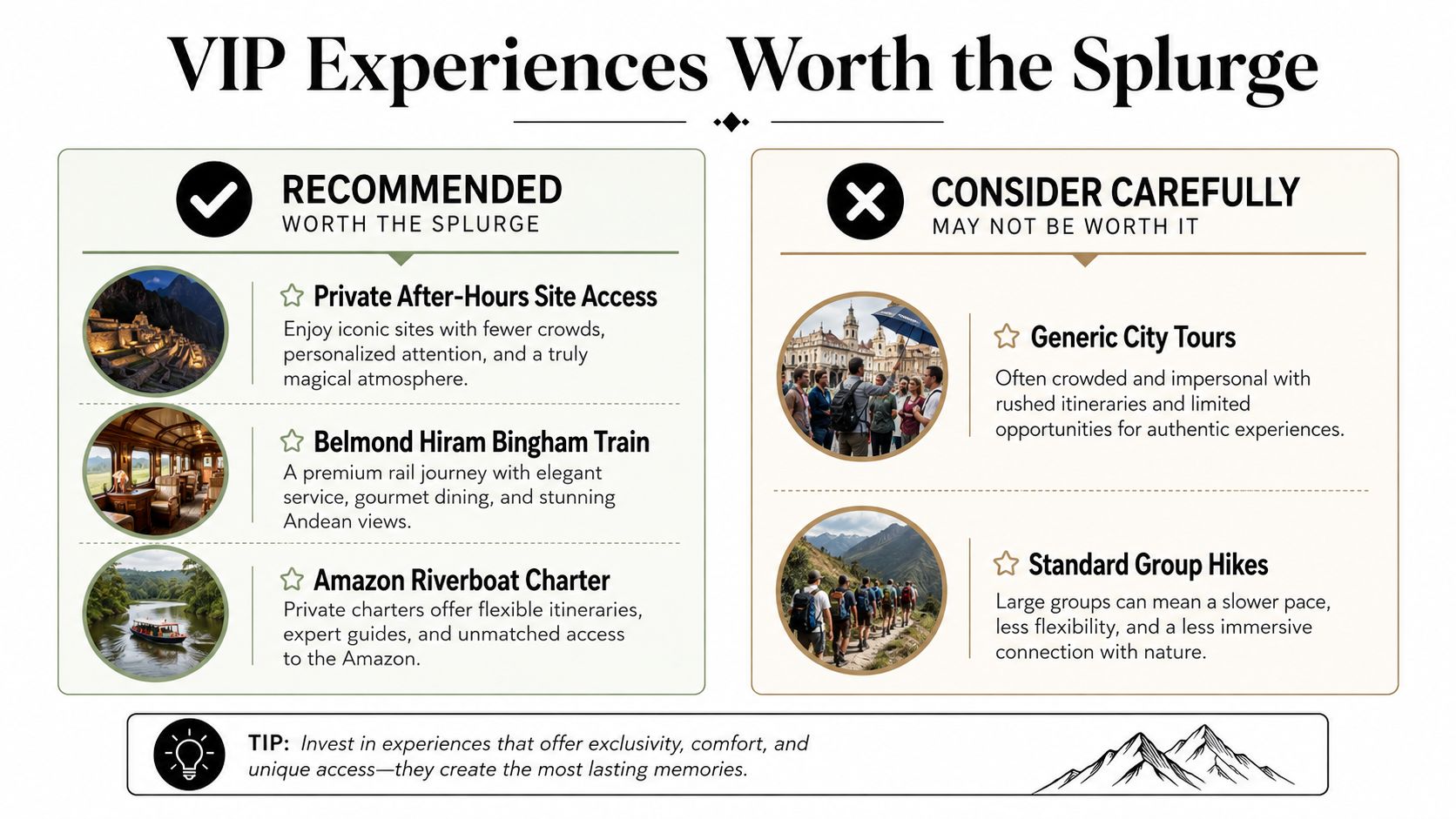
The Belmond Hiram Bingham train is worth considering when the rail journey is part of the fantasy, not just transportation. It delivers a celebratory atmosphere, polished service, and a sense of occasion that suits a honeymoon or milestone trip. If your priority is arriving early and efficiently, choose the train for its schedule first and its branding second.
An Amazon riverboat charter earns its place when privacy, flexible timing, and a customized wildlife program matter to your group. A private boat lets the guide respond to conditions and interests rather than follow a fixed group route.
Private aviation between Lima and Cusco makes sense for travelers with demanding schedules, executive commitments, or a strong preference for controlled ground time. It can also make the transition more private and comfortable, but it doesn't eliminate altitude risk. Your first Cusco-based day should still remain easy.
Spend carefully
A helicopter flight over the Nazca Lines sounds dramatic, but it belongs in a longer southern route where the transfer burden is acceptable. Adding it to a short Sacred Valley itinerary creates more logistical exposure than value.
Generic city tours are rarely worth a premium. So are standard group hikes when your party includes different fitness levels or wants meaningful interpretation. Pay for private access, private guiding, and better positioning, not for a vague “VIP” label.
| Experience | Verdict | Why |
|---|---|---|
| Private Sacred Valley exploration | Worth it | Flexible pacing and deeper interpretation |
| Belmond Hiram Bingham train | Worth it for occasion | Turns transport into a polished experience |
| Amazon riverboat charter | Worth it for privacy | Tailors wildlife and river time |
| Helicopter over the Nazca Lines | Conditional | Best within a longer southern route |
| Generic city tour | Usually skip | Limited flexibility and personalization |
| Standard group hike | Usually skip | Pace and ability levels may conflict |
Altitude, Weather, Visas, and What to Pack
Treat preparation as one system. Altitude affects pacing, weather affects clothing and transport, entry rules affect documentation, and packing determines whether you can move between a mountain lodge and a formal restaurant without carrying your entire wardrobe.
The CDC identifies destinations above 2,500 meters as altitude-illness risk zones and specifically lists Cusco at 3,339 meters and Lake Titicaca at 3,812 meters in its Peru travel health guidance. Acute mountain sickness, HAPE, and HACE are possible, so schedule gradual ascent, avoid strenuous activity immediately after arrival, and discuss acetazolamide prophylaxis with a qualified clinician if you're at risk.
Build a practical preparation kit
- Medical planning: Ask your doctor about altitude history, medication compatibility, and symptoms that require immediate descent or medical attention.
- Hydration and pacing: Drink consistently, eat lightly on the first high-altitude days, and don't use an ambitious sightseeing list as a test of endurance.
- Layering: Pack merino or technical base layers, a warm mid-layer, a waterproof shell, comfortable walking trousers, and refined casual clothing for Lima and resort dining.
- Footwear: Bring one supportive walking shoe with reliable grip and one polished but comfortable option for evenings.
- Small essentials: Include sunscreen, a personal first-aid kit, prescribed medication, a compact day bag, and insect protection for the Amazon.
For a more detailed approach to comfortable, versatile travel clothing, use HikeTee's guide to the best travel clothes. Choose pieces that can be layered rather than bulky items that work in only one climate.
Most Western travelers can enter Peru for tourism without arranging a traditional visa in advance, but eligibility and permitted stay depend on nationality and current government rules. Confirm requirements with the relevant Peruvian consulate or official immigration authority before departure, and make sure your passport meets the required validity conditions.
Wet and dry season choices also depend on the route. Rain can transform the feel of the Andes and alter trail or rail logistics, while the Amazon remains a different climate system entirely. Haute Black's luxury guide to rainy-season travel in Peru is particularly useful when your dates fall in wetter months.
Why Booking Through a Luxury Advisor Changes the Trip
A direct booking can secure a room. It rarely coordinates the entire chain of decisions that makes Peru feel easy.
A Virtuoso-affiliated advisor with preferred-partner relationships can often request priority attention on room categories, upgrades when available, resort credits, flexible benefits, and a more informed arrival. Those advantages matter most outside Lima, where luxury inventory is more specialized and the difference between a river-facing room, a garden room, and a private villa can reshape the stay.
Haute Black operates as a Virtuoso-affiliated agency through Andavo Travel and maintains preferred-partner relationships with properties and brands including Belmond, Rosewood, and Four Seasons. The practical value isn't a logo. It's having an advisor who knows which room to request, which property suits your party, and how to coordinate the hotel with rail, guide, aviation, and dining arrangements.
The service layer matters most during disruption
Peru's access rules and altitude considerations create moments when a small change has a large consequence. A delayed flight can affect a train. A changed entry window can affect a guide and vehicle. A traveler who develops altitude symptoms may need a gentler day, medical support, or a revised hotel sequence.
An advisor can manage those conversations while you stay focused on the trip. That's especially valuable for families, executive assistants arranging travel for a principal, and couples who don't want their anniversary itinerary dominated by operational calls.
Preferred relationships don't guarantee every request, and they don't replace official ticket rules. They do give your advisor a stronger service framework for room placement, recognition, recovery planning, and communication.
For a useful explanation of how to evaluate this model beyond hotel bookings, read what to look for in a VIP travel agency. The right advisor should be able to explain the route, the tradeoffs, and the contingency plan before asking you to approve the deposit.
Your Integrated Blueprint for 2026
Start with the immovable pieces. For most travelers, that means international flights, Machu Picchu entry, rail seats, and the most desirable Sacred Valley or Amazon lodge dates. Build the rest around those anchors, with a planning window of nine to twelve months for a high-touch journey.
Use rough budget bands rather than fixed promises. A seven-day trip should be positioned as a focused luxury escape, a ten-day journey as a cultural and Amazon combination, and a fourteen-day route as a full southern Peru program with more private touring, premium transfers, and multiple hotel chapters. Exact pricing will vary with season, suite category, aviation, guide hours, and the level of exclusivity.
Your advisor should coordinate:
- Machu Picchu access: Entry circuit, timed window, train, guide, and return transfer.
- Altitude management: Lower-elevation arrival planning, buffer nights, and flexible first-day touring.
- Premium movement: Private aviation when schedule or comfort justifies it, plus first-class or helicopter transfers where they solve a real routing problem.
- Accommodation: Preferred room requests, villas or estates where appropriate, and properties that support the itinerary rather than merely look beautiful.
- Arrival service: VIP handling, baggage coordination, private vehicles, and dining reservations.
Shortlist two qualified advisors, send them your preferred dates and nonnegotiables, and ask each to show the route logic before you compare hotels. Lock the hardest date first, usually Machu Picchu, then let the rest of the trip take shape around it.
Haute Black arranges bespoke Peru journeys with luxury hotels, private aviation, villas, VIP arrivals, dining, and on-the-ground coordination designed around the challenges of altitude and regulated access. Visit Haute Black to begin a private consultation and turn your Peru plans into a precisely managed itinerary.
Explore Our Guides
Signature Experiences