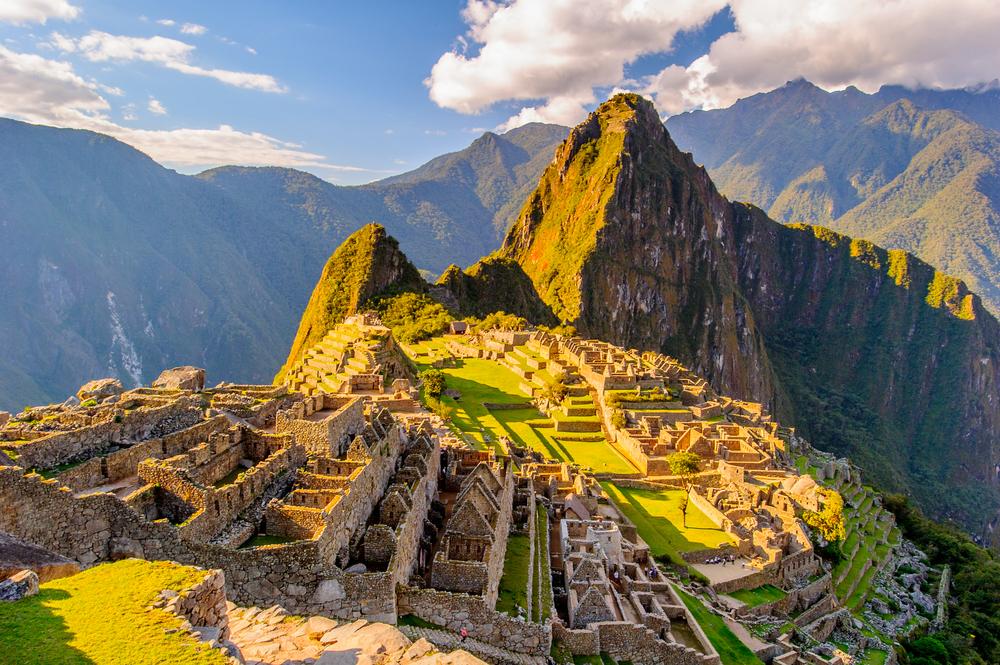
Lima · Cusco · Sacred Valley · Pisac · Moray & Maras · Ollantaytambo · Machu Picchu · Lake Titicaca
Peru Andes & Machu Picchu
A fully bespoke luxury journey, designed entirely around you.
DURATION
8–12 Nights
BEST TIME TO GO
May through October is the Andean dry season, with clear skies, cold nights and the most dependable views of Machu Picchu; April and November are quieter shoulder months; December through March is the rainy season, greener and emptier, with the heaviest rain usually January and February — the classic Inca Trail closes every February for maintenance
IDEAL FOR
Discerning travelers seeking an extraordinary experience
A bespoke 8–12 nights journey through Lima · Cusco · Sacred Valley · Pisac · Moray & Maras · Ollantaytambo · Machu Picchu · Lake Titicaca — designed entirely around your preferences, pace, and vision of extraordinary. Every detail is curated by advisors who know this destination from the inside.
Peru Andes & Machu Picchu is HauteBlack’s inquiry journey through Peru’s heartland: Lima’s Pacific clifftops and tasting menus, the Sacred Valley of the Urubamba with Pisac, Chinchero, Moray and the Maras salt pans, Ollantaytambo and the valley train, Machu Picchu with a private guide, and Cusco once you are acclimatised, with Lake Titicaca as an optional finish.
HauteBlack designs it as eight to twelve nights, valley first and Cusco last, with every ticket, train, guide and transfer held by one advisor.
When should you go? May through October is the dry season and the clearest for Machu Picchu; December through March is the rainy season, and the classic Inca Trail closes every February.
How do Machu Picchu tickets work? Entry is by a named, timed ticket for one of three circuits, with daily visitor caps set by Peru’s Ministry of Culture; a licensed guide is recommended.
How do you get there? Fly nonstop from several US hubs to Lima (LIM), then about an hour and a quarter on to Cusco. US citizens do not need a tourist visa. Private flights can be arranged through Haute Jets.
Do I need a membership? No. Non-members are welcome. An advisor responds within 24 hours when you plan your journey.
The Journey
Your Itinerary
Chapter 01
Chapter 01 — Why Peru’s Andes
Why go to Peru for more than Machu Picchu? Because the citadel is the summit of a journey, not the whole of it. The Inca built an empire from Cusco that ran along the spine of the Andes, and the valley below the city is still farmed on terraces they shaped, still woven in patterns their descendants recognise, still fed by ingredients that now define one of the world’s great cuisines. Peru Andes & Machu Picchu is HauteBlack’s eight-to-twelve-night inquiry journey built to be felt slowly: Lima for the table, the Sacred Valley for altitude and rhythm, Machu Picchu with your own guide on a timed ticket chosen for you, then Cusco when your body is ready for it. One advisor holds every flight, train, ticket, guide and transfer. For the longer Inca heritage route already on our site, see Lords of the Inca.
Chapter 02
Chapter 02 — When to Go
When is the best time to visit Machu Picchu? May through October is the Andean dry season: crisp, clear days, cold nights at altitude and the best odds of an open view over the citadel, which is why June to August is also the busiest stretch, with Inti Raymi, the Festival of the Sun, filling Cusco around 24 June. April and November are the shoulder months, quieter and often still kind. December through March is the rainy season; the valley turns intensely green and crowds thin, but afternoon storms are common, the heaviest rain usually falls in January and February, and the classic four-day Inca Trail closes every February for maintenance. Peak-season tickets and trains sell out months ahead, so start early; see how far ahead to book a luxury trip.
Chapter 03
Chapter 03 — Lima and the Peruvian Table
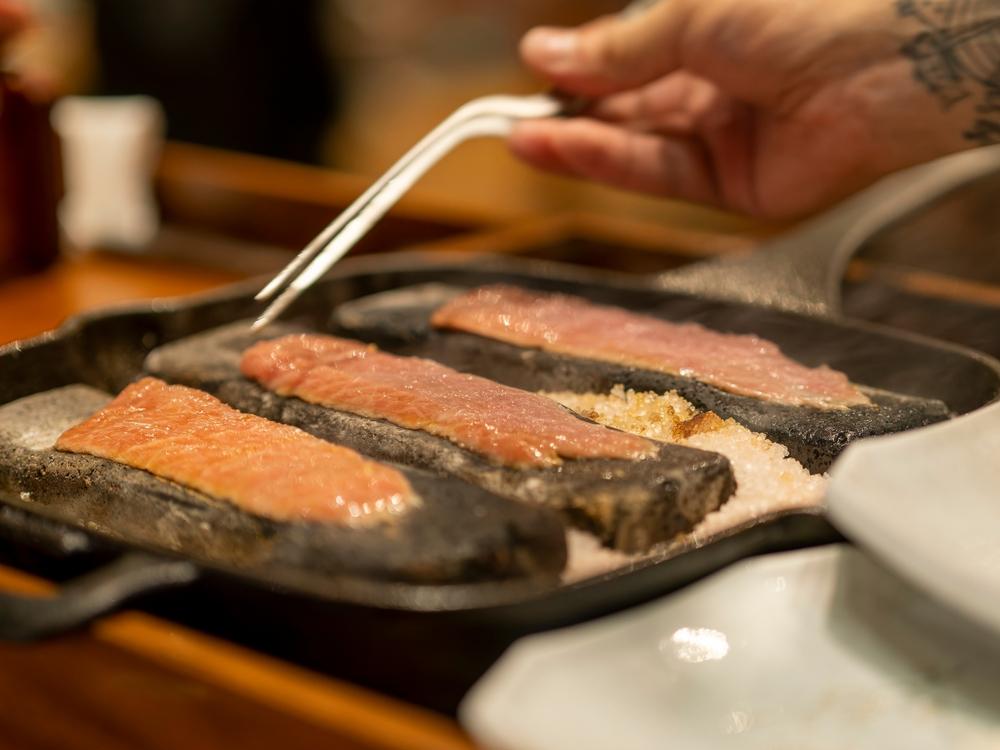
Is Lima worth a stop? Yes, and it is the natural first night after a long flight. Lima sits on cliffs above the Pacific, and its kitchens have made it one of the most talked-about food capitals anywhere; Central, Virgilio Martínez’s restaurant, was named the world’s best in 2023, and the city’s Nikkei, criollo and cevichería traditions are just as rewarding at lunch. HauteBlack shapes a day around that: a guided morning in a neighbourhood market tasting fruits most visitors have never seen, a pisco sour and ceviche by the sea, an afternoon among the galleries and murals of bohemian Barranco, and a long tasting dinner. One or two nights here also let you break the journey before the climb into the mountains.
Chapter 04
Chapter 04 — Altitude and the Sacred Valley
How do you avoid altitude sickness in Cusco? Go low first. Cusco sits at roughly 3,400 metres (about 11,150 feet), while the Sacred Valley of the Urubamba lies several hundred metres lower, at around 2,800 to 2,900 metres, and Machu Picchu itself is lower still at about 2,430 metres. So HauteBlack usually flies you from Lima to Cusco and drives you straight down into the valley for your first nights, with easy days, plenty of water and no heavy meals, before you return to Cusco at the end. The valley rewards that pace: Pisac’s terraced citadel and market, the weaving cooperatives of Chinchero, the concentric terraces of Moray, thought to have served as an Inca agricultural laboratory, and the thousands of salt pools at Maras glittering on the hillside. Anyone with a heart or lung condition, or who is pregnant, should speak with their doctor before travelling to altitude.
Chapter 05
Chapter 05 — Ollantaytambo and the Train to Machu Picchu
How do you get to Machu Picchu? There is no road to the citadel from Cusco, so almost everyone takes the train along the Urubamba from Ollantaytambo, or from the Cusco area, to Machu Picchu Pueblo, often called Aguas Calientes; from Ollantaytambo the ride takes roughly an hour and a half to two hours, with panoramic windows as the valley narrows into cloud forest. A short shuttle bus then climbs the switchbacks to the entrance. Before boarding, spend a morning in Ollantaytambo itself, a living Inca town whose original street grid and great stone terraces are still in use. Trains carry strict luggage limits, so your advisor arranges for main bags to wait or travel ahead while you carry an overnight bag.
Chapter 06
Chapter 06 — Machu Picchu Tickets, Circuits and Guides
How do Machu Picchu tickets work in 2026? Entry is by a named, timed ticket for one of three circuits: a panoramic circuit for the high viewpoints, including Machu Picchu Mountain; the classic Inca city circuit through the urban sector; and a royalty circuit through the lower temples, with routes such as Huayna Picchu. Peru’s Ministry of Culture caps daily visitors, at 5,600 on designated high-season dates in 2026 and 4,500 otherwise, and tickets cannot be changed to another date or name, so the exact circuit, route and hour matter. Carry the original passport used to book. A licensed guide is recommended rather than required, and it is the difference between a walk and an understanding. HauteBlack pairs you with a private guide, times your entry for softer early or late light, and, where it suits you, adds a second visit on another circuit so you see both the classic view and the temples.
Chapter 07
Chapter 07 — The Inca Trail, Day Hikes and Cusco
Do you have to hike the Inca Trail? No. The classic four-day trek is a genuine expedition with limited daily permits sold only through authorised operators, and it suits fit travelers who plan well ahead. Many guests prefer the one-day version from near Kilometre 104, walking through cloud forest to Wiñay Wayna and arriving at the Sun Gate with Machu Picchu below, or simply a guided walk up to the Inca Bridge or the Sun Gate where the circuit allows. The journey then closes in Cusco, once you are acclimatised: the massive walls of Sacsayhuamán above the city, the Qorikancha, where a colonial church rises from the Inca Temple of the Sun, the San Pedro market, cobbled San Blas with its artisans’ workshops, and evenings in courtyards lit against the cold mountain night.
Chapter 08
Chapter 08 — How Many Nights, Lake Titicaca and Pairings
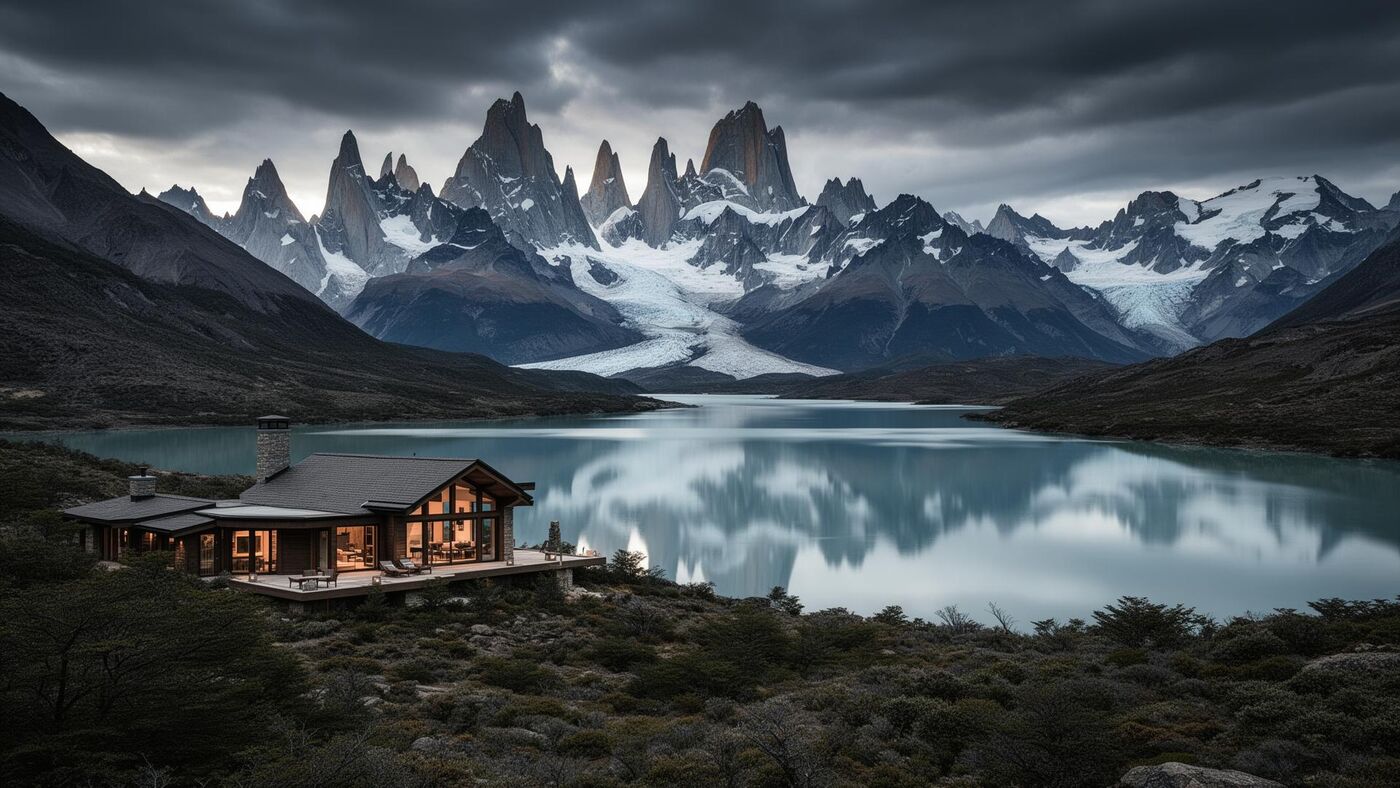
How many days do you need for Peru and Machu Picchu? Eight nights covers the essentials at a comfortable pace: one or two in Lima, three in the Sacred Valley, one near Machu Picchu so you can visit twice without rushing, and two in Cusco. Twelve nights adds Lake Titicaca, the world’s highest navigable lake at about 3,810 metres, reached by a short flight or a scenic rail journey across the altiplano, for a day with the Uros floating-island communities and the quieter island of Taquile. Families do well with the valley-first route and short travel days; honeymooners often add a final beach or wildlife chapter. Peru pairs naturally with the Galápagos Private Expedition, Patagonia Wilderness Expedition for glaciers and steppe, or Colombia’s Golden Triangle.
Chapter 09
Chapter 09 — Getting There, Entry and How HauteBlack Arranges It
How do you get to Peru from the United States? Lima’s Jorge Chávez International Airport (LIM) has nonstop flights from several US hubs, including Miami, Houston, Atlanta and New York, and Cusco is about an hour and a quarter onward by domestic flight. Private flights can be arranged through Haute Jets. Do Americans need a visa for Peru? US citizens do not need a visa for tourism; the length of stay is set by immigration on arrival, and a passport valid for at least six months beyond entry is the standard advice. Requirements can change, so check them before you fly. Your advisor holds every moving part: flights, Machu Picchu circuits and entry times, valley trains, private guides and drivers, altitude pacing and accommodation, which is shortlisted and confirmed for your dates before anything is booked; we never quote rates or availability until they are confirmed in writing. Start when you plan your journey; an advisor responds within 24 hours, and no membership is required.
Make This Itinerary Yours
Every Haute Black journey is crafted around you — your passions, your pace, your vision of extraordinary. Tell us about yourself and we'll create something entirely yours.
Good to Know
Questions About This Journey.
Completely. Every HauteBlack journey is a starting point, not a fixed package. Your dedicated travel advisor will reshape every element — accommodations, pacing, dining, private guides, and experiences — entirely around your preferences, travel style, and what you want to remember. Nothing is off the shelf.
For peak-season travel and premium properties — particularly safari lodges like Singita Ebony Lodge or Delaire Graff Estate — we recommend booking 6 to 12 months in advance. For more flexible dates and destinations, 3 to 6 months is typically sufficient. Your advisor will always tell you honestly what's achievable in your timeframe and find alternatives if first-choice properties are unavailable.
No. All HauteBlack journeys are available without membership. You work with a dedicated travel advisor and receive Virtuoso preferred partner benefits — complimentary upgrades, resort credits, daily breakfast, and VIP arrival — on every qualifying stay, membership or not. Membership adds waived planning fees, a dedicated senior advisor, priority access to private events, and deeper concierge support.
A dedicated HauteBlack travel advisor contacts you within 24 hours — usually sooner. They'll start with a conversation, not a form. You'll discuss your vision, travel style, dates, and any preferences. From there, your advisor builds a fully bespoke itinerary proposal. There is no obligation and no planning fee for the initial consultation.
Before You Go
What to Expect
Peru is entered at Lima’s Jorge Chávez International Airport (LIM), with nonstop flights from several US hubs; Cusco (CUZ) is about an hour and a quarter onward. Private flights can be arranged through Haute Jets. US citizens do not need a tourist visa; carry a passport valid for at least six months beyond entry. Cusco sits at about 3,400 metres and the Sacred Valley at about 2,800 to 2,900 metres, so the journey descends to the valley first. Machu Picchu tickets are named and timed by circuit, cannot be changed to another date or name, and should be booked well ahead in high season. Accommodation is shortlisted and confirmed for your dates before booking. Cross-links: Lords of the Inca, Galápagos Private Expedition, Patagonia Wilderness Expedition, Colombia’s Golden Triangle, how far ahead to book a luxury trip. Share dates and party size when you plan your journey.
Every HauteBlack itinerary is fully bespoke. While the journey outlined above represents our curated recommendation for Lima · Cusco · Sacred Valley · Pisac · Moray & Maras · Ollantaytambo · Machu Picchu · Lake Titicaca, your dedicated travel advisor will tailor every element — from accommodations and dining to private guides and cultural immersions — to match your preferences, pace, and travel style.
Best experienced during May through October is the Andean dry season, with clear skies, cold nights and the most dependable views of Machu Picchu; April and November are quieter shoulder months; December through March is the rainy season, greener and emptier, with the heaviest rain usually January and February — the classic Inca Trail closes every February for maintenance, this 8–12 Nights journey can be extended, shortened, or combined with neighboring destinations. Whether you're celebrating a milestone, traveling as a family, or seeking a private retreat, we adapt the experience to you.
Your Advisor Takes Care Of:
- ◆Private airport transfers and in-destination transportation
- ◆Hotel reservations and room upgrades
- ◆Restaurant access and private dining arrangements
- ◆Guided experiences and exclusive site access
- ◆24/7 support before and throughout your journey
Designed by Marlene Azeez, Director of Travel — with direct knowledge of this destination and long-standing relationships at every property.



Stay Inspired
Get Our Weekly Insider List
Curated destinations, exclusive offers, and travel intelligence — delivered every week to discerning travelers.
No spam, ever. Unsubscribe anytime.
BEGIN YOUR JOURNEY
Ready to Make This Journey Yours?
Every detail can be tailored to your vision. Our travel specialists handle everything from first inquiry to final farewell.
Non-members welcome. No membership required.