Barcelona · Madrid · Córdoba · Seville · Jerez · Ronda · Granada · The Alhambra
Spain: Barcelona, Madrid & Andalusia
A fully bespoke luxury journey, designed entirely around you.
DURATION
11–14 Nights
BEST TIME TO GO
Spring (March to early June) and autumn (mid-September to early November) are the classic windows: Seville’s Holy Week and April Fair fill the spring with processions and dancing, orange blossom scents the Andalusian cities, and autumn brings the grape harvest in Jerez and softer light everywhere; July and August are very hot inland, with Seville and Córdoba often well above 40°C, while winter is mild and quiet in Andalusia and crisp in Madrid
IDEAL FOR
Discerning travelers seeking an extraordinary experience
A bespoke 11–14 nights journey through Barcelona · Madrid · Córdoba · Seville · Jerez · Ronda · Granada · The Alhambra — designed entirely around your preferences, pace, and vision of extraordinary. Every detail is curated by advisors who know this destination from the inside.
Spain: Barcelona, Madrid & Andalusia is HauteBlack’s inquiry journey through three sides of Spain: Barcelona for Gaudí and the Mediterranean, Madrid for the Prado, the Royal Palace and the art of the late evening, and Andalusia for the Mezquita of Córdoba, Seville’s Real Alcázar and flamenco, the sherry bodegas of Jerez, the gorge at Ronda and the Alhambra in Granada.
HauteBlack designs it as eleven to fourteen nights, linked by high-speed train, with every guide, ticket, tasting and transfer held by one advisor.
When should you go? Spring (March to early June) and autumn (mid-September to early November). July and August are very hot inland, often above 40°C in Seville and Córdoba.
How do you get there? Fly nonstop from several US hubs to Barcelona or Madrid; AVE high-speed trains link Barcelona, Madrid, Córdoba, Seville and Granada. US citizens do not need a visa for stays of up to 90 days in any 180-day period across the Schengen area. Private flights can be arranged through Haute Jets.
Do I need a membership? No. Non-members are welcome. An advisor responds within 24 hours when you plan your journey.
The Journey
Your Itinerary
Chapter 01
Chapter 01 — Why Barcelona, Madrid and Andalusia Together
Why combine Barcelona, Madrid and Andalusia in one trip? Because together they show three different Spains in under two weeks: Barcelona’s Mediterranean energy and Modernista architecture, Madrid’s royal grandeur and some of the finest art museums in the world, and Andalusia’s Moorish palaces, flamenco and sherry, a region shaped by nearly eight centuries of Islamic rule. Spain: Barcelona, Madrid & Andalusia is HauteBlack’s eleven-to-fourteen-night inquiry journey built for travelers who want to go beyond a quick city circuit and give the south the time it deserves, with Córdoba, Seville, Jerez, Ronda and Granada each seen properly. Spain’s high-speed AVE trains make the journey smooth, and one advisor holds every guide, ticket, train and transfer. If you prefer a shorter version, our nine-night Madrid, Seville & Barcelona journey covers the classic triangle.
Chapter 02
Chapter 02 — When to Go
When is the best time to visit Spain and Andalusia? Spring and autumn. From March to early June the south is at its most beautiful, with orange blossom in the city squares and mild, sunny days; Seville’s Holy Week (Semana Santa) processions and its April Fair (Feria de Abril), whose dates move with Easter each year, are unforgettable but book out early and raise demand across the city. From mid-September to early November the heat fades, the grape harvest comes to Jerez, and the light turns golden. July and August are very hot inland: Seville and Córdoba regularly pass 40°C, so summer journeys are best built around early mornings, long lunches and late evenings, or shifted toward the coast. Winter is quiet and mild in Andalusia, with fewer visitors at the Alhambra, and cold but bright in Madrid. Timed tickets for the most popular sights sell out weeks ahead in high season, so start early; see how far ahead to book a luxury trip.
Chapter 03
Chapter 03 — Barcelona: Gaudí, the Gothic Quarter and the Sea
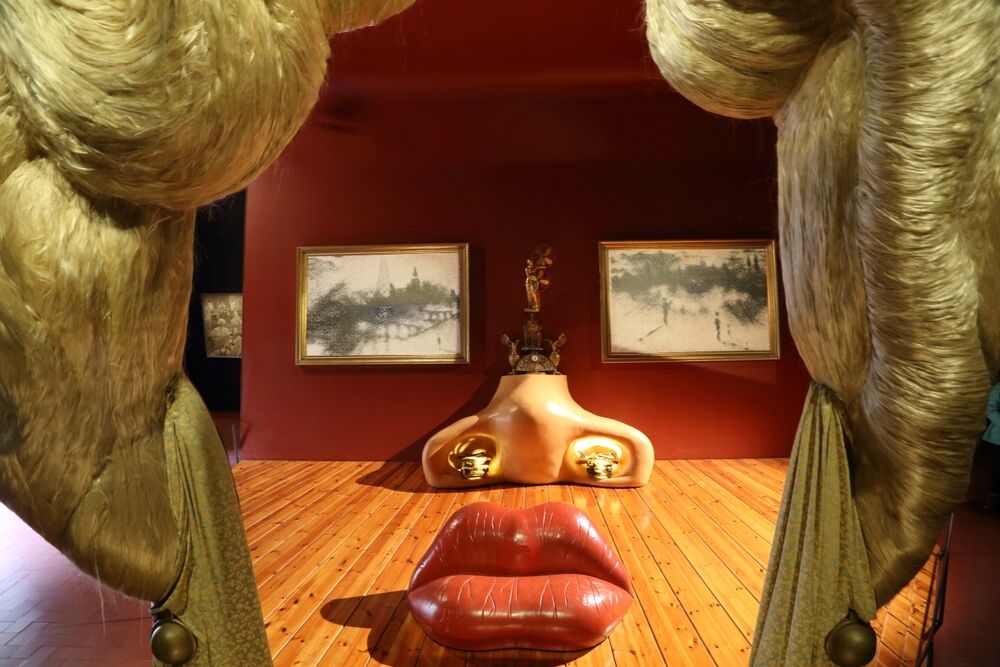
How many days do you need in Barcelona? Three nights is ideal. HauteBlack builds them around a private guide and early, timed entries: the Sagrada Família, Antoni Gaudí’s still-rising basilica, seen in the morning when light pours through its stained glass; the curving façades of Casa Batlló and Casa Milà on the Passeig de Gràcia; and Park Güell above the city. Gaudí’s works are listed together as a UNESCO World Heritage Site. Between them lie the medieval lanes of the Gothic Quarter and El Born, the Picasso Museum, and the Boqueria market for a tasting walk. Evenings follow Spanish time, with dinner rarely before nine. A day beyond the city can take you north to the Dalí Theatre-Museum in Figueres, or into the Penedès wine country, home of cava, and a private boat along the coast is a fine way to end a summer afternoon.
Chapter 04
Chapter 04 — Madrid: The Prado, the Palace and the Art of the Evening
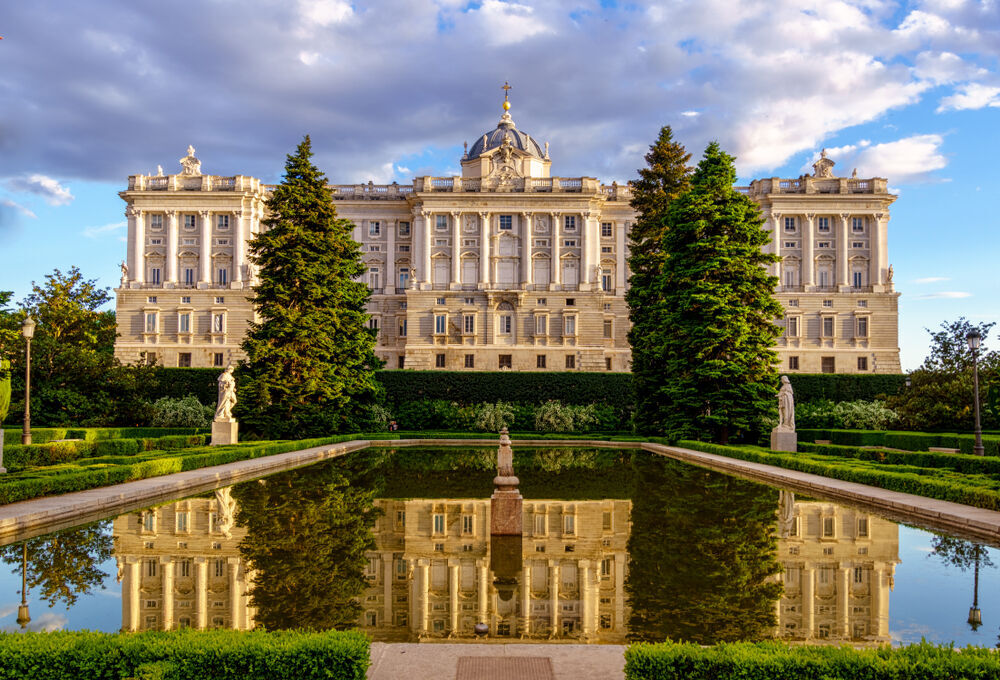
What should you not miss in Madrid? The Paseo del Arte, the stretch of the city often called its Golden Triangle of Art: the Prado, home to Velázquez’s Las Meninas and the dark late works of Goya; the Reina Sofía, where Picasso’s Guernica hangs; and the Thyssen-Bornemisza collection between them. A private art historian makes these museums far richer, and early or quieter-hour entry is arranged where possible. Add the Royal Palace and the Plaza Mayor, an afternoon in the Retiro park, and evenings that move from vermouth to tapas to a late dinner in the Barrio de las Letras or La Latina. Barcelona to Madrid takes about two and a half to three hours on the high-speed train. With an extra day, Toledo, the walled city of three cultures and a UNESCO World Heritage Site, is about half an hour away by train.
Chapter 05
Chapter 05 — Córdoba: The Mezquita and the Patios
Is Córdoba worth visiting between Madrid and Seville? Absolutely, and it sits right on the high-speed line, under two hours from Madrid and under an hour from Seville. Its great Mosque-Cathedral, the Mezquita, is one of the most extraordinary buildings in Europe: a forest of more than 800 columns topped by red-and-white striped arches, begun in the 8th century, with a Renaissance cathedral later built into its heart. HauteBlack arranges a private guide, ideally in the early morning, followed by a walk through the old Jewish quarter, the Judería, and the Roman bridge over the Guadalquivir. In May, the city’s Patios Festival opens private courtyards overflowing with flowers to visitors. One night in Córdoba lets you see it after the day-trippers leave.
Chapter 06
Chapter 06 — Seville: The Alcázar, Flamenco and the Heart of the South
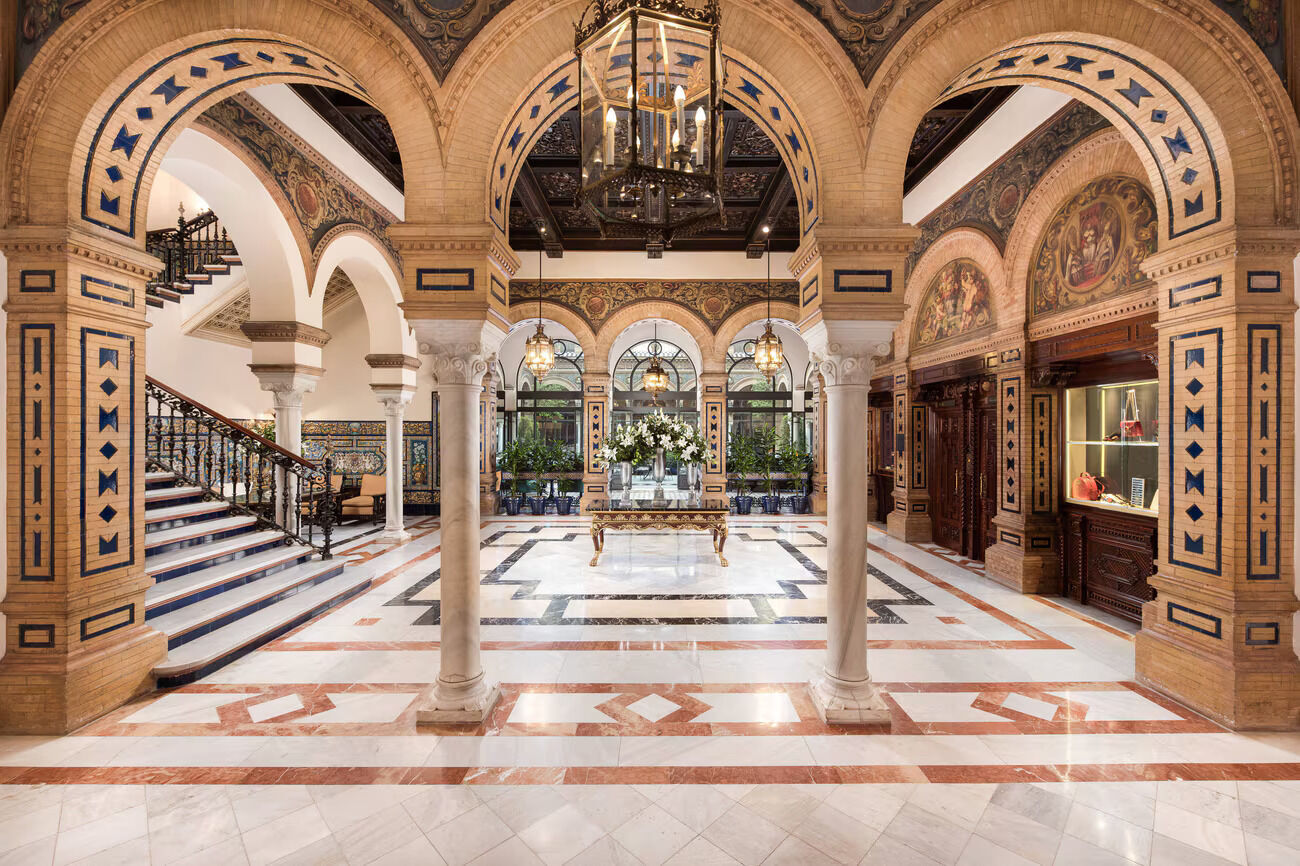
How many days do you need in Seville? Three nights is the right amount for Andalusia’s capital. The Real Alcázar, a royal palace still used by Spain’s royal family, is a masterpiece of Mudéjar craftsmanship, all carved stucco, tiled courtyards and gardens of palms and orange trees; together with the Cathedral, one of the largest Gothic churches in the world, and the Archive of the Indies, it forms a UNESCO World Heritage Site. Climb the Giralda tower for the view, walk the lanes of the Santa Cruz quarter and cross to Triana, the riverside barrio of ceramic workshops and flamenco. HauteBlack arranges private guides, early access where available, a tapas evening with a local host, and an intimate flamenco performance in a small venue rather than a tourist show.
Chapter 07
Chapter 07 — Jerez, Ronda and the White Villages
What is the best day trip from Seville? The sherry country and the mountains. Jerez de la Frontera is the heart of sherry, the fortified wine aged only in the triangle formed by Jerez, El Puerto de Santa María and Sanlúcar de Barrameda. HauteBlack arranges private bodega visits and tastings, from bone-dry fino and manzanilla to rich, ancient oloroso, and, on performance days, the Royal Andalusian School of Equestrian Art, where horse and rider dance in a classical display. Inland, the pueblos blancos, white villages such as Arcos de la Frontera, Zahara de la Sierra and Grazalema, cling to the hills of the Sierra de Grazalema. Ronda, perched on a cliff and split by the El Tajo gorge, is crossed by the 18th-century Puente Nuevo, a bridge with a sheer drop of more than 100 metres beneath it. A private driver lets you link these places at your own pace, with a long lunch in the hills.
Chapter 08
Chapter 08 — Granada and the Alhambra
How do you visit the Alhambra? With timed tickets booked well in advance, because daily entry is limited and the Nasrid Palaces, the most beautiful part of the complex, are entered at a fixed time slot. The Alhambra, the hilltop palace-city of the Nasrid sultans, the last Muslim rulers of Spain, is the jewel of Andalusia and a UNESCO World Heritage Site: courtyards of reflecting pools, walls of carved plaster as fine as lace, and the gardens of the Generalife above. HauteBlack secures tickets and a private guide, and, when the schedule allows, a night visit, when the palaces are lit and quiet. Stay two or three nights in Granada so you can wander the Albaicín, the old Moorish quarter, watch sunset over the Alhambra from the Mirador de San Nicolás, and hear flamenco in the cave venues of the Sacromonte. In winter, the snow on the Sierra Nevada behind the palace makes it all the more striking.
Chapter 09
Chapter 09 — How Many Nights and Natural Pairings
How many days do you need for Barcelona, Madrid and Andalusia? Eleven nights covers it at a comfortable pace: three in Barcelona, two in Madrid, one in Córdoba, three in Seville with days out to Jerez and Ronda, and two in Granada. Fourteen nights adds Toledo, a night in a white village or Ronda, more time in Granada, or a few days on the coast. Spain also pairs naturally with other journeys. Portugal’s Algarve and Lisbon are a short flight or drive from Seville. The islands are easy additions from Barcelona: see Mallorca Quiet Luxury or Ibiza Off-Peak. And Morocco lies just across the Strait of Gibraltar, with our Morocco Imperial Cities journey as a natural continuation for those who want to follow the Moorish story to its source.
Chapter 10
Chapter 10 — Getting There, Entry and How HauteBlack Arranges It
How do you get to Spain from the United States? Nonstop flights connect several US hubs with both Madrid and Barcelona, so this journey works as an open jaw, arriving in Barcelona and returning from Madrid, or from Málaga or Seville via a connection. Within Spain, high-speed AVE trains link Barcelona, Madrid, Córdoba, Seville and Granada, and your advisor reserves first-class seats and the transfers at each end. Private flights can be arranged through Haute Jets. Do Americans need a visa for Spain? No. US citizens can visit Spain and the rest of the Schengen area without a visa for up to 90 days in any 180-day period, and the EU’s Entry/Exit System now records your fingerprints and photo at the border in place of passport stamps. The EU’s planned ETIAS travel authorisation is not yet in operation, so check requirements before you fly. Your advisor holds every moving part: flights and trains, private guides and drivers, timed museum and Alhambra tickets, bodega visits, flamenco evenings and accommodation, which is shortlisted and confirmed for your dates before anything is booked; we never quote rates or availability until they are confirmed in writing. Start when you plan your journey; an advisor responds within 24 hours, and no membership is required.
Make This Itinerary Yours
Every Haute Black journey is crafted around you — your passions, your pace, your vision of extraordinary. Tell us about yourself and we'll create something entirely yours.
Good to Know
Questions About This Journey.
Completely. Every HauteBlack journey is a starting point, not a fixed package. Your dedicated travel advisor will reshape every element — accommodations, pacing, dining, private guides, and experiences — entirely around your preferences, travel style, and what you want to remember. Nothing is off the shelf.
For peak-season travel and premium properties — particularly safari lodges like Singita Ebony Lodge or Delaire Graff Estate — we recommend booking 6 to 12 months in advance. For more flexible dates and destinations, 3 to 6 months is typically sufficient. Your advisor will always tell you honestly what's achievable in your timeframe and find alternatives if first-choice properties are unavailable.
No. All HauteBlack journeys are available without membership. You work with a dedicated travel advisor and receive Virtuoso preferred partner benefits — complimentary upgrades, resort credits, daily breakfast, and VIP arrival — on every qualifying stay, membership or not. Membership adds waived planning fees, a dedicated senior advisor, priority access to private events, and deeper concierge support.
A dedicated HauteBlack travel advisor contacts you within 24 hours — usually sooner. They'll start with a conversation, not a form. You'll discuss your vision, travel style, dates, and any preferences. From there, your advisor builds a fully bespoke itinerary proposal. There is no obligation and no planning fee for the initial consultation.
Before You Go
What to Expect
Spain is entered most easily at Madrid (MAD) or Barcelona (BCN), both with nonstop flights from several US hubs. High-speed AVE trains link Barcelona and Madrid in about two and a half to three hours, Madrid and Córdoba in under two hours, and Córdoba and Seville in under an hour, with Granada also on the high-speed network. Private flights can be arranged through Haute Jets. US citizens can stay visa-free for up to 90 days in any 180-day period in the Schengen area; the EU’s Entry/Exit System registers fingerprints and a photo at the border, and ETIAS is not yet in operation. Alhambra, Sagrada Família and Real Alcázar entries are timed and limited, so book well ahead. Accommodation is shortlisted and confirmed for your dates before booking. Cross-links: Madrid, Seville & Barcelona, Mallorca Quiet Luxury, Portugal Algarve and Lisbon, Morocco Imperial Cities, how far ahead to book a luxury trip. Share dates and party size when you plan your journey.
Every HauteBlack itinerary is fully bespoke. While the journey outlined above represents our curated recommendation for Barcelona · Madrid · Córdoba · Seville · Jerez · Ronda · Granada · The Alhambra, your dedicated travel advisor will tailor every element — from accommodations and dining to private guides and cultural immersions — to match your preferences, pace, and travel style.
Best experienced during Spring (March to early June) and autumn (mid-September to early November) are the classic windows: Seville’s Holy Week and April Fair fill the spring with processions and dancing, orange blossom scents the Andalusian cities, and autumn brings the grape harvest in Jerez and softer light everywhere; July and August are very hot inland, with Seville and Córdoba often well above 40°C, while winter is mild and quiet in Andalusia and crisp in Madrid, this 11–14 Nights journey can be extended, shortened, or combined with neighboring destinations. Whether you're celebrating a milestone, traveling as a family, or seeking a private retreat, we adapt the experience to you.
Your Advisor Takes Care Of:
- ◆Private airport transfers and in-destination transportation
- ◆Hotel reservations and room upgrades
- ◆Restaurant access and private dining arrangements
- ◆Guided experiences and exclusive site access
- ◆24/7 support before and throughout your journey
Designed by Marlene Azeez, Director of Travel — with direct knowledge of this destination and long-standing relationships at every property.





Stay Inspired
Get Our Weekly Insider List
Curated destinations, exclusive offers, and travel intelligence — delivered every week to discerning travelers.
No spam, ever. Unsubscribe anytime.
BEGIN YOUR JOURNEY
Ready to Make This Journey Yours?
Every detail can be tailored to your vision. Our travel specialists handle everything from first inquiry to final farewell.
Non-members welcome. No membership required.