Iceland with Teens: A Private Adventure

Marlene Azeez
Director of Travel
Iceland is one of the best trips you can take with teenagers, because so much of what makes it extraordinary opens up at around twelve. Snorkelling between two continental plates in Silfra, a full glacier hike with crampons and an ice axe, the private Retreat Lagoon at the Blue Lagoon — each has a minimum age, and teenagers clear it. Go in June, July or August for long days, open highland tracks and the widest choice of activities; go between October and March for ice caves, the northern lights and a cosier, more contained trip. Plan seven to ten nights around two or three bases with a private driver-guide, and give each teenager at least one day that belongs to them.
This guide is the family chapter of our Luxury Travel to Iceland: The Definitive 2026 Guide, and a companion to our winter journey, Fire, Ice & The Northern Lights. Here we answer what parents of 13- to 18-year-olds actually ask: which season, what are they old enough to do, and how should the week run?
Teenagers are hard to impress and impossible to fool. Iceland works on them because nothing is staged: the ice really is centuries old, the water in Silfra really is barely above freezing, and the continents really are pulling apart beneath their feet.
THE SHORT ANSWER
Why Iceland Works for Teenagers
Iceland is close. Keflavík is roughly five to six hours’ flying from the East Coast, and the country keeps Greenwich Mean Time all year — four hours ahead of New York in summer and five in winter — so a week away costs little in jet lag. A family can stand on a glacier in the morning and soak in geothermal water by evening, and the country suits the teenage temperament: real physical challenge, risk managed by professionals, and a camera roll that fills itself.
The catch is that Iceland punishes improvisation. Weather closes roads and cancels tours, distances drive longer than they look, and the best rooms and guides go early. Build around two or three bases, a driver-guide who can rearrange a day over breakfast, and a plan B for every outdoor booking.
TIMING
When to Go: Midnight Sun, Ice Caves and School Holidays
Iceland changes completely from season to season, and with teenagers the school calendar usually decides before the weather does.
June to August: The Teen Summer
Summer break is the most versatile window. Around the June solstice Reykjavík has roughly 21 hours of daylight and the sky never fully darkens, so a glacier walk can start after lunch and a late-evening hike is a real option. Highland tracks to places like Landmannalaugar open only in summer, on dates the Icelandic Road Administration sets each year; puffins nest on the coastal cliffs; and whale-watching boats work the north coast. July and August are the busiest months, and the best lodges and private guides are the first to fill. Pack sleep masks: bright nights unsettle teenage body clocks.
October to March: Ice Caves and the Aurora
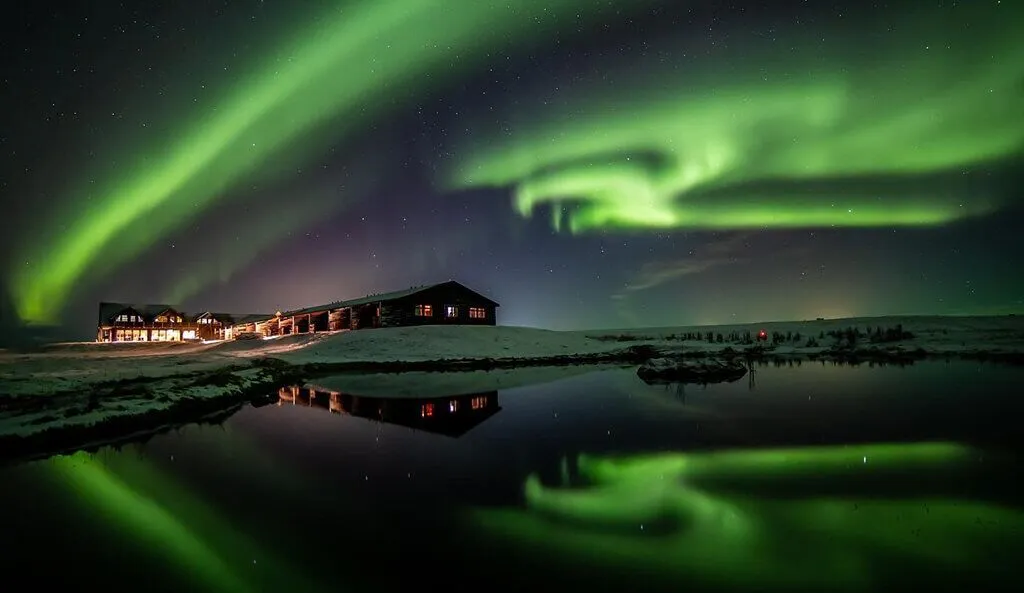
Winter brings natural ice caves on Vatnajökull, which operators run from roughly October to March or April depending on the ice, and the northern lights, which need dark, clear skies from about September to early April. Daylight is short — in late December Reykjavík gets only about four hours of it — so days are built around one big outing and long, warm evenings. Thanksgiving and Christmas both work well; even teenagers who think they are too old for it enjoy meeting Iceland’s thirteen Yule Lads. Winter roads can close at short notice, one more reason to travel with a professional driver.
Spring Break and Late September
March and early-April spring breaks catch the tail of winter: snow on the mountains, a last chance at ice caves and aurora, and quickly lengthening days. If your teenagers want the aurora and a glacier hike in one trip, late September and March are our favourite compromises.
BY AGE
What Teenagers Can Do — and the Age Rules That Matter
Minimum ages, heights and weights are set by each operator and, in Silfra’s case, by national park rules and Icelandic law. These are the rules we plan around most often, as the operators publish them; we reconfirm each one for your children’s exact ages, sizes and dates before we book.
Snorkelling Silfra: 12 and Up, Size Permitting
Silfra is a fissure of glacier-filtered water in Þingvellir National Park, so clear that snorkellers seem to fly above the rift between the North American and Eurasian plates. No certification is needed, only confidence in the water. DIVE.IS and Arctic Adventures set the minimum age at 12, and both require snorkellers to be at least 150 cm tall and 45 kg to fit the drysuits; Arctic Adventures also requires anyone under 18 to be accompanied by a parent or guardian on the same tour. A slight twelve- or thirteen-year-old may not yet meet the size limits, so we check before anyone promises it. Scuba diving is a different matter: the national park requires an autonomous open-water certification plus a drysuit certificate or proven drysuit experience, and DIVE.IS notes that Icelandic law sets the minimum age for diving at 17.
Glacier Hikes: 10 or 12 and Up, by Route
A guided glacier walk with crampons and an ice axe is the moment most teenagers remember. Requirements differ by route. On Sólheimajökull, Icelandic Mountain Guides takes walkers from age 10 on its shorter Glacier Discovery hike and from 12 on its longer, more demanding Glacier Exploration, which spends around three and a half hours on the ice and asks for a reasonable level of fitness. Routes and availability shift with the season and with the glacier itself.
Ice Caves: Winter Only, from 8 to 14 by Tour
Natural ice caves form at the edge of Vatnajökull in winter and are only safe in the cold months. Minimums vary by tour: Blue Iceland’s Crystal Blue Ice Cave Adventure and Glacier Trips’ shorter ice-cave tour from Jökulsárlón take children from 8, while Glacier Trips’ longer ice-cave-and-glacier-hike day starts at 14. Teenagers who want more than a quick look should do the longer version.
Snowmobiles, Super Jeeps, Horses and Helicopters
Snowmobiling on an ice cap, a Super Jeep day into the interior, a ride on sure-footed Icelandic horses and a helicopter landing on a remote ridge are all possible with teenagers. Requirements — including who may drive a snowmobile and who rides as a passenger — vary by operator, so we confirm them for each child before we book.
The Blue Lagoon and The Retreat: 12 and Up for the Spa
The Blue Lagoon admits children from age two, but The Retreat Spa, the private Retreat Lagoon and the Blue Lagoon Ritual are for guests 12 and older, and anyone under 18 must be accompanied by a parent or legal guardian. Treatments carry their own limits: Blue Lagoon advises against massages longer than 30 minutes for guests aged 12 to 15, and scrubs and signature treatments start at 15.
Thirteen Is Not Seventeen
Younger teens want adrenaline in short bursts — a snorkel, an ice cave, a Zodiac among the icebergs — then a hot pool. Older teens can manage a full day on the ice, a long highland hike or a late night photographing the aurora, and want a real say in the plan. Our rule: let each teenager choose one signature activity, and build that day around them.
ITINERARY
A Sample 7-Night Summer Itinerary with Teens
The route we build most often for June to August: Reykjanes, the Golden Circle, the south coast to the glacier lagoon, and an optional flight north. Every leg is driven by a private guide, so no one spends the trip navigating.
Days 1–2: Reykjanes and Reykjavík
Land at Keflavík and be in geothermal water within the hour. Two nights at The Retreat at Blue Lagoon let jet-lagged teenagers sleep, soak and reset. Spend the second afternoon in Reykjavík — the harbour, Hallgrímskirkja, a long dinner — and try a neighbourhood swimming pool, where the rule is a full shower without a swimsuit before you get in.
Day 3: The Golden Circle and Silfra
Drive inland to Þingvellir for a morning snorkel in Silfra for everyone who meets the age and size limits, then continue around the Golden Circle — the Strokkur geyser and the falls at Gullfoss — with a private guide who knows when the coaches leave. Stay at ION Adventure Hotel above the lava fields, with its outdoor hot tub for the evening.
Days 4–5: The South Coast
Move east to Hotel Rangá for two nights. Walk behind the curtain of Seljalandsfoss and climb the stairs beside Skógafoss, then spend a morning on Sólheimajökull with a certified glacier guide. Add a horseback ride, or a helicopter flight over the volcanic highlands for the teenager who chose it. At the black-sand beach of Reynisfjara, keep well back from the waterline; its waves are notoriously powerful and unpredictable.
Days 6–7: Skaftafell and Jökulsárlón
Continue to Fosshotel Glacier Lagoon, between Skaftafell and the glacier lagoon. Ride a Zodiac among the icebergs at Jökulsárlón, walk the ice-strewn black sand of the beach beyond it, and hike in Skaftafell, part of Vatnajökull National Park. This is the farthest point of the trip, roughly five hours’ drive from Reykjavík.
Day 8: Back to Reykjavík
Drive back west with the stops you skipped, or, weather permitting, take a private flight and trade five hours on the road for a relaxed final morning before the flight home.
The North Extension
With three or four more nights, fly from Reykjavík to Akureyri for Deplar Farm on the Troll Peninsula, where summer days bring hiking, mountain biking, kayaking, surfing and whale watching. It is the most private chapter of the trip and the one older teenagers talk about.
The Winter Version
Between October and March, keep it to two bases and seven nights: Hotel Rangá for the aurora and the south-coast waterfalls, then Fosshotel Glacier Lagoon for an ice cave on Vatnajökull. Drop the highland day, build every outing around the short daylight, and keep one flexible day for weather.
ACCOMMODATION
Where to Stay with Teenagers
The right base cuts drive time and keeps everyone warm and fed after a long day. We confirm room configurations and activity rules before booking.
The Retreat at Blue Lagoon, Reykjanes
The softest landing in the country, about 20 minutes from Keflavík, with guest access to the private Retreat Lagoon and the subterranean Retreat Spa, built into the lava field. It leads our list of the world’s best hot springs. The Reykjanes Peninsula has seen repeated volcanic eruptions in recent years, and the Blue Lagoon has closed temporarily during some of them, so we check its status before every arrival.
ION Adventure Hotel, Þingvellir
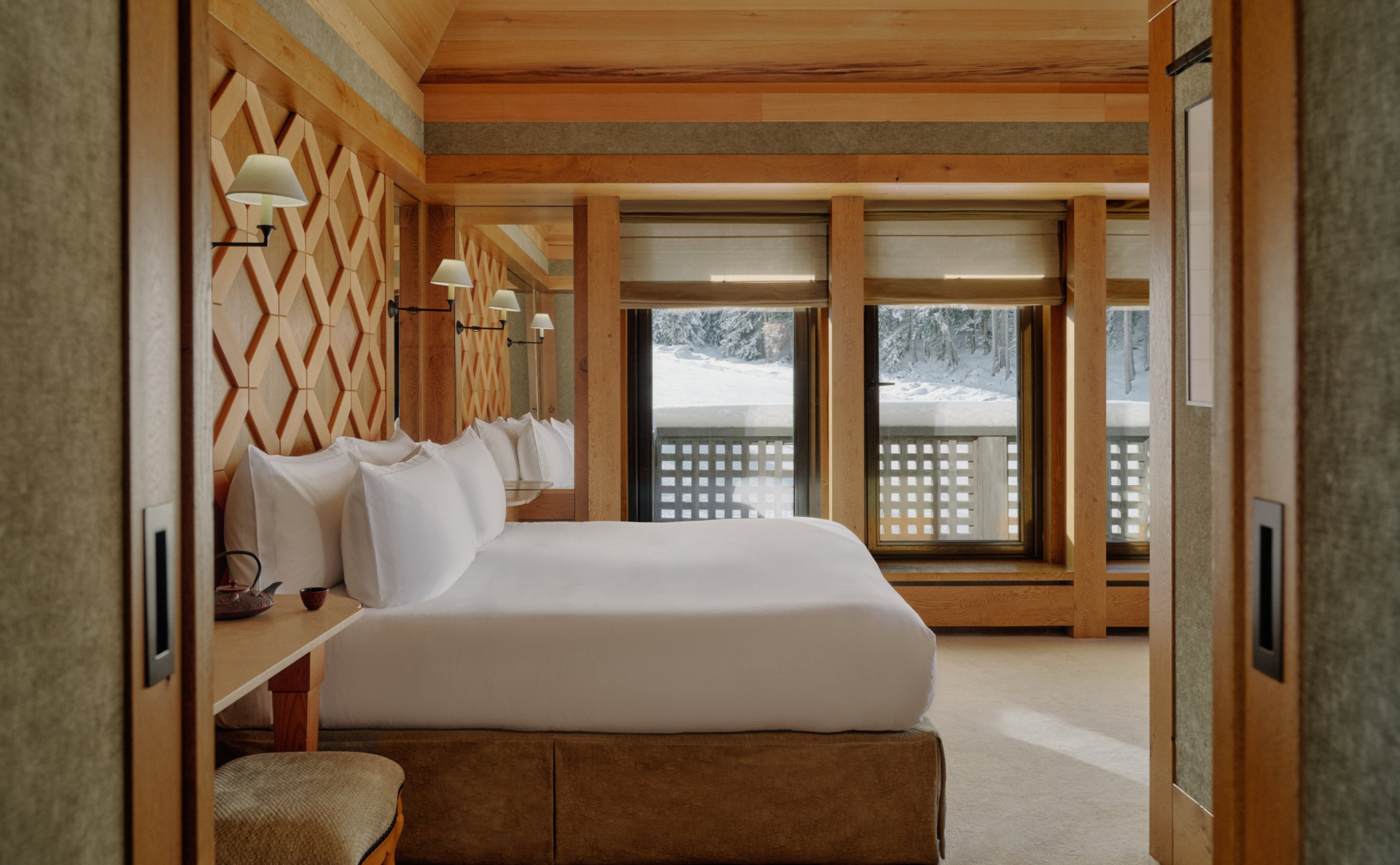
A glass-and-steel lodge cantilevered over the lava fields near Þingvellir, with floor-to-ceiling windows framed for the aurora, a geothermally heated outdoor hot tub and Silfra close by. It is the natural base for a Golden Circle day and an early snorkel.
Hotel Rangá, South Iceland
Our favourite family base on the south coast, set on the Rangá river under some of Iceland’s darkest skies, with its own observatory for stargazing. The hotel describes its Deluxe Superior rooms as a good choice for families, and its team arranges activities for children of every age. In winter it is the base we choose for aurora nights.
Fosshotel Glacier Lagoon, Southeast Iceland
A contemporary hotel between Skaftafell and Jökulsárlón, with glacier views and an Icelandic seafood restaurant. It puts the glacier lagoon, Skaftafell’s trails and the winter ice-cave departures within easy reach, and its remote setting keeps light pollution low for the aurora.
Deplar Farm, Troll Peninsula
A converted sheep farm in a remote northern valley, now an adventure lodge with a geothermal pool and spa. Summer guided adventures include hiking, mountain biking, kayaking, paddleboarding, surfing and whale watching. Note one hard rule: rafting on the East Glacial River is for guests 18 and older, while the gentler West Glacial River trip suits families. More in our wellness travel destinations for 2026.
Staffed Villas and Exclusive-Use Lodges
For larger families and multigenerational groups, a private villa or exclusive-use lodge — sometimes with its own hot pool, chef and driver-guide — lets teenagers have their own space while grandparents rest. We match these by layout, staffing and distance to the day’s activities rather than publishing a single pick.
ON THE ROAD
Getting Around and Staying Safe
We do not recommend self-driving with teenagers, especially in winter. A private driver-guide in a Super Jeep handles weather, gravel and river crossings, and turns transfer time into storytelling. Highland roads open only in summer and only to four-wheel-drive vehicles, and winter conditions can change within the hour.
Layering is non-negotiable in every season: waterproof shell, insulated mid-layer, wool base layers, hat and gloves, and proper hiking boots for the ice. Iceland is part of the Schengen Area; confirm passport validity and current entry rules for every traveller, including minors, well before departure.
INSIDER INTELLIGENCE
Haute Intel for Iceland with Teens
HAUTE INTEL — CHECK HEIGHTS AND WEIGHTS, NOT JUST AGES. A common disappointment is a thirteen-year-old who meets the Silfra age limit but not the drysuit size requirements. Send us every child’s age, height and weight when you enquire, and we will build the headline activities around what each of them can actually do.
HAUTE INTEL — PROTECT A WEATHER DAY. Every Iceland itinerary needs one unscheduled day per base. When the wind closes a glacier or cancels a boat, a private guide with a plan B — a lava cave, a hot river, a horse farm — saves the trip.
For more ideas, see 7 Best Family Adventure Vacations, our guide to vacations for families with young adults, and how we approach family travel.
MEMBER ACCESS
Plan Your Family Iceland Adventure with Haute Black
Tell us your teenagers’ ages, heights and weights, your school-holiday window and the one thing each of them most wants to do. We match the lodges, confirm every age and size rule in writing, secure the glacier guides, Silfra slots and ice-cave departures, and pace the week so it still feels like a holiday. Start at Plan My Journey.
Keep reading: Luxury Travel to Iceland: The Definitive 2026 Guide, Galápagos with Kids, Patagonia with Kids, Costa Rica with Kids, and our winter journey Fire, Ice & The Northern Lights.
Iceland with Teens: A Private Adventure — Frequently Asked Questions
Yes. Many of Iceland’s signature adventures open up at around 12: snorkelling Silfra (12 and up with leading operators, plus height and weight minimums), longer glacier hikes (12 and up on Icelandic Mountain Guides’ Glacier Exploration) and The Retreat Spa at the Blue Lagoon (12 and up with a parent). It is also a short flight from the East Coast.
June to August is the most versatile window, with near-continuous daylight, open highland tracks, puffins and whale watching. October to March brings ice caves and the northern lights, but only a few hours of daylight in December. March and late September balance aurora chances with longer days.
Leading operators such as DIVE.IS and Arctic Adventures set the minimum age at 12, and snorkellers must be at least 150 cm tall and 45 kg to fit the drysuits. Arctic Adventures requires under-18s to be accompanied by a parent or guardian. Scuba diving in Silfra requires certification, and DIVE.IS notes Icelandic law sets the diving minimum at 17.
A classic route combines The Retreat at Blue Lagoon on arrival, ION Adventure Hotel for Þingvellir and Silfra, Hotel Rangá on the south coast and Fosshotel Glacier Lagoon near Jökulsárlón. Deplar Farm on the Troll Peninsula adds a private northern chapter in summer.
Seven to eight nights covers Reykjanes, the Golden Circle and the south coast to Jökulsárlón without rushing. Add three or four nights to fly north for Deplar Farm in summer. In winter, keep it to seven nights and two bases, with a spare day for weather.
Related Reading


Related Experiences
From the Journal

Your Journey Starts Here
Ready to Experience This
the Haute Black Way?
Our travel concierge team can arrange every recommendation in this guide — from priority reservations to private experiences and preferred room upgrades.
Begin Your Journey