Haute Black Journal
South Africa Honeymoons: Luxury Itineraries 2026

Marlene Azeez
Director, HauteBlack
View all articles →

# South Africa Honeymoons: Luxury Itineraries 2026
Published August 17, 2026 by Marlene Azeez
South Africa received 10.5 million tourists in 2025, giving it the infrastructure to support high-end luxury multi-stop journeys, and honeymoon tourism is already a multi-billion-dollar market segment within the country. The core planning question isn't whether South Africa suits a honeymoon, but how to align its regions, seasons, and transfers so the journey feels effortless.
You may be comparing Cape Town hotels after dinner, saving safari lodges before breakfast, and wondering whether a beach finale belongs in the same trip. South Africa makes that combination possible, but it rewards deliberate routing rather than a rushed checklist. The country's romance lies in the contrast between city energy, vineyard quiet, wildlife, and open coastline. A well-designed honeymoon lets each setting have its own chapter.
Why South Africa Is the New Apex of Romantic Travel
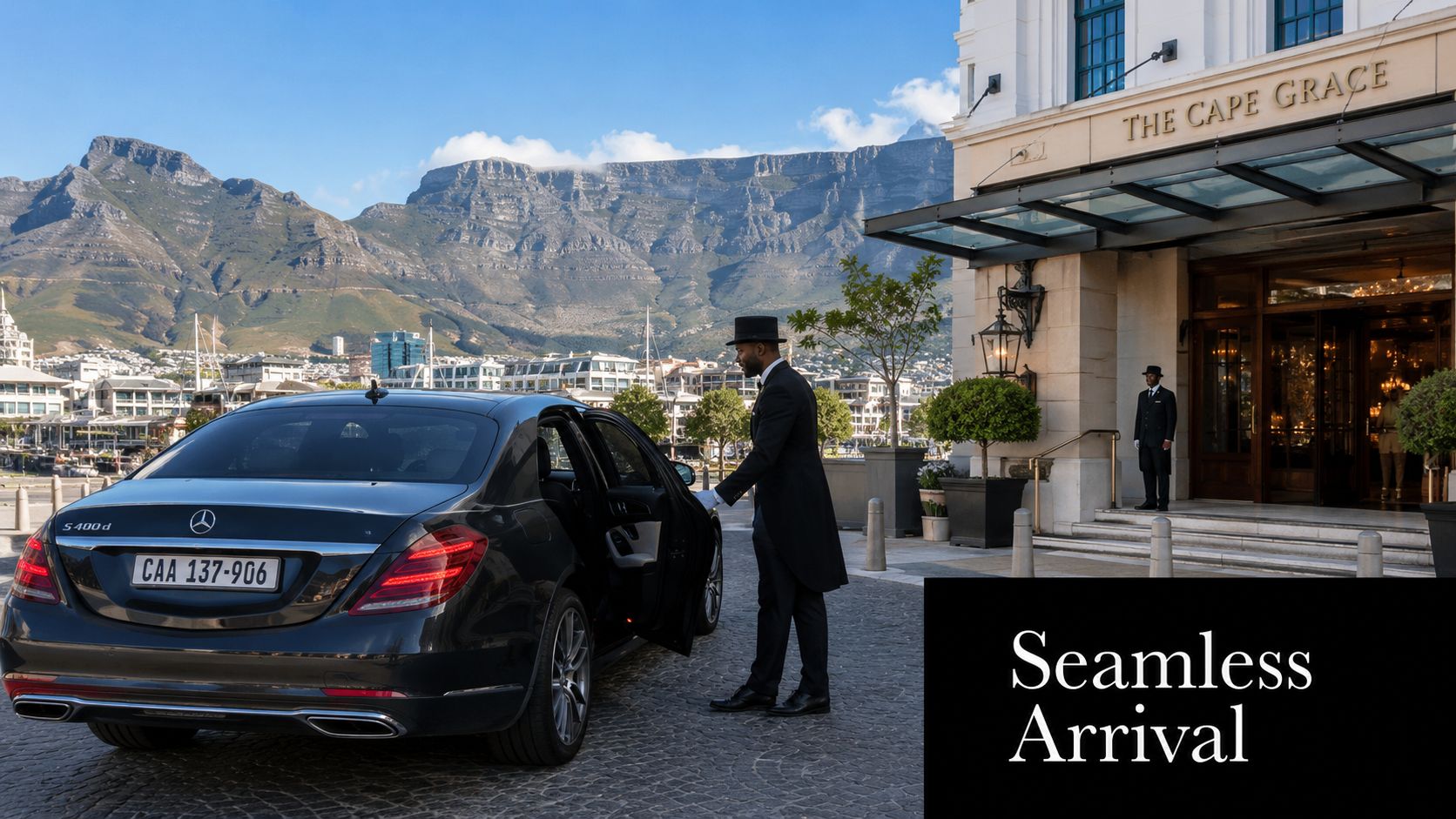
A private car collects you at Cape Town International Airport. Table Mountain and the Atlantic appear beyond the window while someone else manages the luggage, directions, and timing. By the time you reach the hotel, the shift from wedding intensity to honeymoon calm is already underway.
That level of ease reflects more than polished service. South Africa has the scale and supplier depth for intricate luxury itineraries, linking waterfront hotels and private villas with wine estates, coastal lodges, and safari camps. Statistics South Africa recorded 10.5 million tourists in 2025, while the country received 8,919,370 tourists in 2024, compared with 8,483,333 in 2023. 97.0% travelled for holiday purposes, according to the same Statistics South Africa report. That broad visitor base supports established air connections, hospitality teams, guides, drivers, and specialist operators.
A destination with room to be personal
South Africa is not one honeymoon format. Couples can start with restaurants, galleries, and ocean views in Cape Town, settle into the slower culinary rhythm of the Winelands, trade city scenery for wildlife in the northeast, then finish beside a dramatic coast. The appeal comes from arranging those settings in a considered sequence, not from spending the entire trip at one lodge or hotel.
That sequence requires realistic routing. Long distances and different seasonal patterns make a multi-stop itinerary the practical choice for couples who want the country's full range. A short trip may need to prioritise two regions; a longer journey can give each stop enough time to feel distinct rather than turning every transfer into another scheduled event.
The wedding infrastructure reinforces this flexibility. A historical analysis identified at least 649 wedding venues nationwide, including beach, bush, wine estate, country, and city settings. The Western Cape and Gauteng accounted for 185 and 151 venues respectively, as detailed in the South African wedding tourism analysis2015_july-nov.pdf). Couples can therefore extend a celebration into a wider journey instead of treating the wedding and honeymoon as separate occasions.
The honeymoon market is also substantial. Independent market research estimates its value at USD 2,093.4 million in 2024, rising to USD 3,069.6 million by 2030, with a projected 6.7% CAGR from 2025 to 2030. Beach honeymoons held the largest share at 29.77% in 2024, according to the same analysis.
Practical rule: Choose South Africa for its sequence of contrasting environments, not simply for a beautiful room.
Mastering the Seasons Across Three Distinct Regions
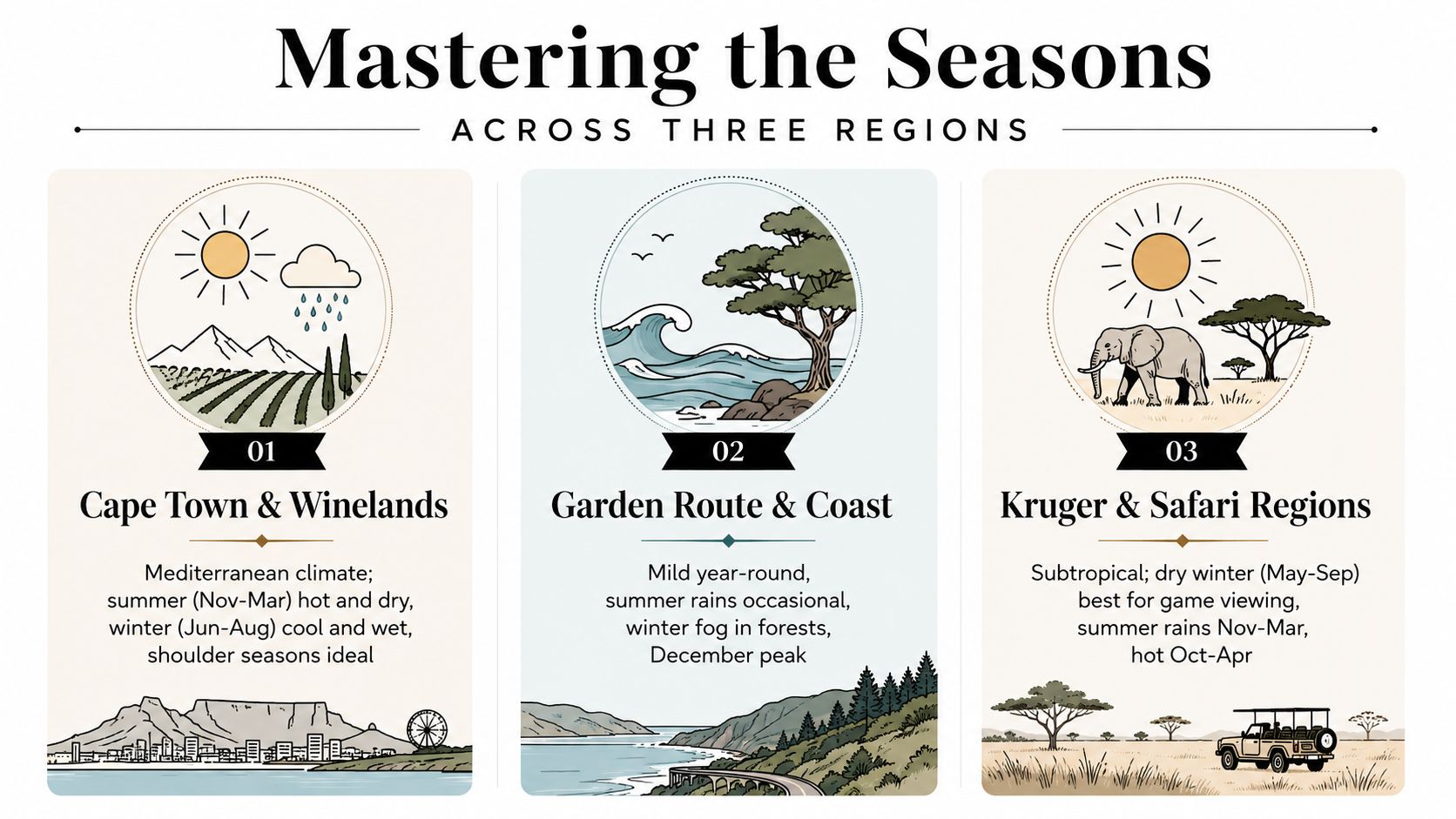
South Africa's regions don't share one travel calendar. Cape Town and the Winelands generally reward the warmer, drier months, while the northeastern safari areas become most compelling during their dry winter period. A route that ignores this mismatch can leave one half of the honeymoon beautifully timed and the other half damp, windy, or less rewarding than expected.
Cape Town and the Winelands
Cape Town is at its most naturally suited to outdoor dining, coastal drives, and vineyard days during the warmer period from roughly September through March, with summer offering particularly reliable conditions for leisure. The Winelands follow a similar rhythm, especially for couples who want long lunches, estate visits, and time outdoors.
The shoulder seasons are often the most balanced choice. Guidance on South Africa honeymoon and safari timing identifies September through November and March through May as useful compromise periods, offering pleasant conditions with fewer crowds than peak travel windows.
The safari regions
The northeast follows a different pattern. Safari demand and pricing reach their highest point during the dry winter peak from July through October, when thinner vegetation and concentrated water sources can make wildlife viewing more productive. Safari booking guidance notes that lodges during this period often need 12 to 18 months of lead time and charge their highest rack rates.
The green season, generally December through March, brings lower-cost packages and booking windows of roughly 3 to 6 months, though conditions are warmer and wetter. For couples comfortable with that trade-off, the season can offer a more dramatic setting and a different safari atmosphere.
The routing decision that matters
If wildlife is the priority, anchor the itinerary around the safari dates, then shape Cape Town and the Winelands around them. If food, wine, and coastline matter more, travel in the warmer Cape season and treat safari as a green-season experience, or divide the honeymoon into separate journeys.
Exclusive-use villas and private properties need even earlier attention than standard rooms because the entire accommodation can be committed before ordinary suites disappear. Secure the route before flights and lodge inventory tighten, especially if you want private transfers, a particular guide, or a villa designed for complete privacy.
Choosing Your Sanctuary From Private Villas to Safari Tents
The right accommodation determines the pace of a honeymoon more than the room category alone. A waterfront villa in Cape Town supports spontaneous dinners and private mornings, a bush lodge makes the day revolve around game drives, and a wine estate encourages you to stay put rather than chase another reservation.
Urban privacy
Cape Town works best when your hotel gives you both seclusion and access. A private villa or residential-style suite can provide a sense of retreat after a day around the V&A Waterfront, the peninsula, or the city's restaurants. The trade-off is that a villa may require more deliberate transport planning, while a centrally positioned hotel makes short outings easier.
Estate living
The Winelands are ideal for couples who want food, scenery, and unhurried service in one setting. A grand estate offers polished hospitality and a strong sense of occasion. A farm cottage or private house creates more space and independence, but may suit couples who enjoy slower mornings, self-directed exploring, and fewer formal touchpoints.
Bushveld immersion
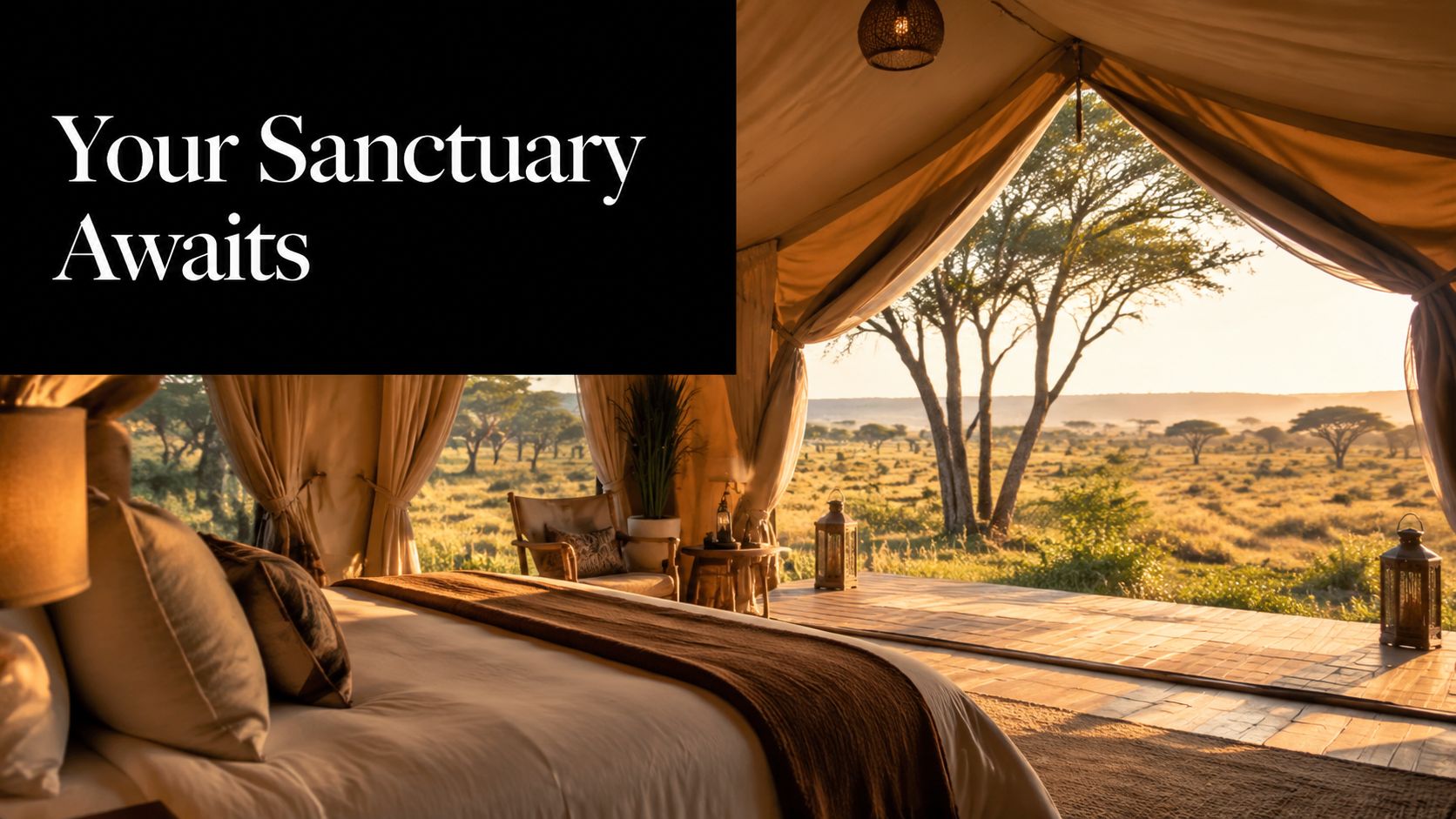
A luxury safari tent isn't a compromise. The best tented suites use canvas, timber, private decks, and carefully framed views to make the surrounding wilderness part of the accommodation. Lodges deliver more structured service, including guided drives, meals, and sundowners, while a private villa within a lodge environment adds control over dining, vehicle use, and downtime.
A standard five-star suite is often the smarter choice for couples who want social energy, a full range of shared facilities, and a more flexible rate. Exclusive use makes sense when privacy, personal scheduling, and in-room celebration matter more than access to a larger property.
For a closer look at how lodge design, guiding, and privacy shape the experience, consult this insider guide to South Africa's luxury safari lodges.
The useful distinction: A private villa changes the service model, not just the floor plan. Decide whether you want a hotel stay with privacy or a private household with hotel support.
Curating Unforgettable Romantic Experiences
A South Africa honeymoon becomes memorable through small moments that are arranged with restraint. The goal isn't to fill every day with premium add-ons. It's to place a few experiences at the exact points where they deepen the journey.
In Cape Town, that might mean a chauffeur-driven peninsula day with time to stop where the light is best, followed by a table chosen for its view rather than its publicity. The next morning should remain open. Couples often need unstructured time after a wedding, and a city feels more luxurious when nobody is hurrying you toward the next appointment.
The Winelands offer a different kind of romance. A private tasting can lead into a long lunch under old trees, followed by an afternoon at the estate rather than another transfer. For a special evening, arrange a candlelit dinner among the vines, but confirm the weather plan and the return transport before you arrive. Atmospheric dining loses its appeal when the couple has to solve logistics themselves.
Safari changes the emotional scale. On a private game drive, the guide can spend longer with a sighting, position the vehicle thoughtfully, and shape the outing around your energy instead of a shared group schedule. A quiet sundowner after the drive often creates more intimacy than an elaborate setup because the scenery does most of the work.
Experiences worth prioritising
- Private guiding: This gives you more influence over departure times, wildlife interests, photography stops, and the overall pace of the drive.
- Aerial transfers: Helicopter transfers can turn a long repositioning into a scenic experience, but they should be chosen for a meaningful route rather than novelty alone.
- Conservation-led access: A guided nature walk or protected coastal experience adds context and gives the stay a sense of purpose.
- Private dining: A secluded meal works best when it complements the setting and doesn't replace the flexibility to eat well at the main property.
The strongest itinerary alternates intensity and stillness. After several early safari departures, schedule a slower afternoon. After a remote lodge, give the couple a setting with easy dining and minimal coordination. Romance needs space to register.
Concierge observation: The most requested memory is often not the grandest one. It's the moment when a couple realises nobody has asked them to make another decision.
Essential Logistics for a Stress-Free Journey
Luxury removes friction, but it doesn't remove the need for preparation. Begin with entry requirements for both travellers. Visa rules vary by nationality and can change, so check the current requirements through the relevant South African diplomatic authority or an official government portal before tickets are issued. Confirm passport validity, blank-page requirements, transit rules, and whether a child travelling with you needs additional documentation.
Health planning should be regional, not generic. Malaria risk is concentrated mainly in northeastern Limpopo, eastern Mpumalanga, and northern KwaZulu-Natal, rather than across the entire country. The South African malaria-area guidance places the main season roughly from September to May and advises travellers to reduce mosquito exposure from dusk to dawn.
Make the health decision early
If your route includes Kruger-adjacent areas, speak with a travel-health professional before departure about whether chemoprophylaxis is appropriate. Guidance may include repellents, long clothing, window screens or nets, and medicines such as doxycycline or atovaquone-proguanil, with timing determined by the clinician and the specific itinerary.
A malaria-free route can instead centre on Cape Town, the Western Cape, the Eastern Cape, and other non-endemic regions. That option may suit couples who prefer to avoid prophylaxis, but it means giving up the northeastern safari experience, so the decision belongs in the design stage rather than the final packing week.
Build safety into the service plan
Use reputable drivers for intercity transfers and avoid treating unfamiliar self-drive routes as casual detours after dark. Keep valuables discreet, follow hotel and guide advice, and let a local operator handle route changes when conditions or security guidance shift.
Also plan the unglamorous details that protect the mood:
1. Leave recovery time after arrival. A gentle first day makes the journey feel considered rather than compressed.
2. Allow buffer around regional transfers. Flights, road legs, and lodge connections shouldn't be arranged so tightly that one delay affects the entire honeymoon.
3. Share dietary and mobility needs early. Lodges and private villas can prepare far better when they have notice.
4. Carry a simple health file. Include prescriptions, relevant medical information, and travel insurance details in accessible form.
Unlocking VIP Benefits with Expert Guidance
The value of a luxury travel advisor isn't limited to finding an attractive property. The advisor manages room strategy, transfer sequencing, celebration details, and the consequences of seasonal demand. That matters in South Africa because the most desirable villas and safari properties can disappear long before a couple has finalised every detail.
Preferred-partner relationships may also support recognition at participating hotels, such as welcome amenities, room upgrades when available, resort credits, or flexible benefits. These are not guaranteed entitlements, and they shouldn't replace choosing the right property, but they can improve the stay when the booking is made through the appropriate channel.
A specialist can also compare a standard suite with an exclusive-use option in practical terms. The question isn't only which one costs more. It's whether the extra privacy changes the couple's ability to dine privately, control departure times, host family briefly, or celebrate without sharing the rhythm of the stay.
For independent research into the kinds of rates and inventory that may sit outside public booking paths, you can browse hidden inventory agent rates as a complementary resource. Always verify inclusions, cancellation terms, supplier legitimacy, and whether a public-facing rate includes the same protections and benefits as an advisor-managed booking.
Haute Black's Four Seasons preferred partner benefits illustrate how preferred access can be relevant when a particular hotel forms the anchor of a wider itinerary. Haute Black offers bespoke honeymoon planning, VIP recognition through its partner network, dedicated advisory support for members, and custom journeys for non-members. The practical advantage is one point of accountability across hotels, flights, guides, drivers, and special arrangements.
Designing Your Perfect Itinerary
A successful South Africa honeymoon has a narrative rather than a collection of reservations. Start with the region that matters most, place the safari where wildlife conditions support your priorities, and use Cape Town, the Winelands, or the coast to create contrast and recovery. The Cape Town, Winelands, and safari journey is a useful starting shape, but the final route should reflect your season, energy, privacy preferences, and appetite for adventure.
The most resilient plan also leaves breathing room. South Africa feels smooth when each transfer opens a new chapter, not when every hour has been allocated.
Haute Black designs bespoke honeymoon experiences across South Africa, coordinating private transfers, preferred-partner stays, safari lodges, villas, and carefully timed regional routing. Visit Haute Black to begin a conversation about the season, regions, and level of privacy that will make your honeymoon feel effortless.
Explore Our Guides

Signature Experiences