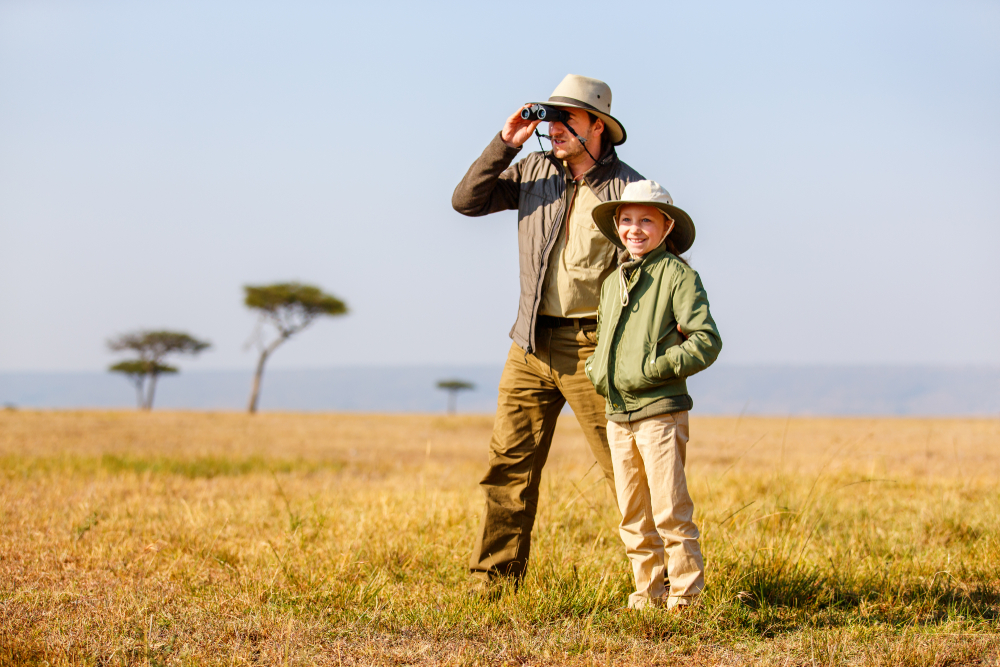
Your First African Safari: Everything You Need to Know
There is nothing in travel that quite compares to your first African safari. The vastness of the landscape, the proximity to wildlife, and the primal thrill of being in genuinely wild places — it changes you. But planning a safari can feel overwhelming. This guide distills decades of experience into the decisions that matter most.
East Africa vs. Southern Africa
The first major decision is geographic. East Africa — Kenya and Tanzania — is home to the Great Migration, arguably the greatest wildlife spectacle on Earth. Between July and October, over two million wildebeest and zebra cross the Mara River in scenes of raw drama. Southern Africa — Botswana, South Africa, and Zimbabwe — offers a different experience: intimate, vehicle-based safaris in private concessions with exceptional guiding.
Understanding Safari Accommodation
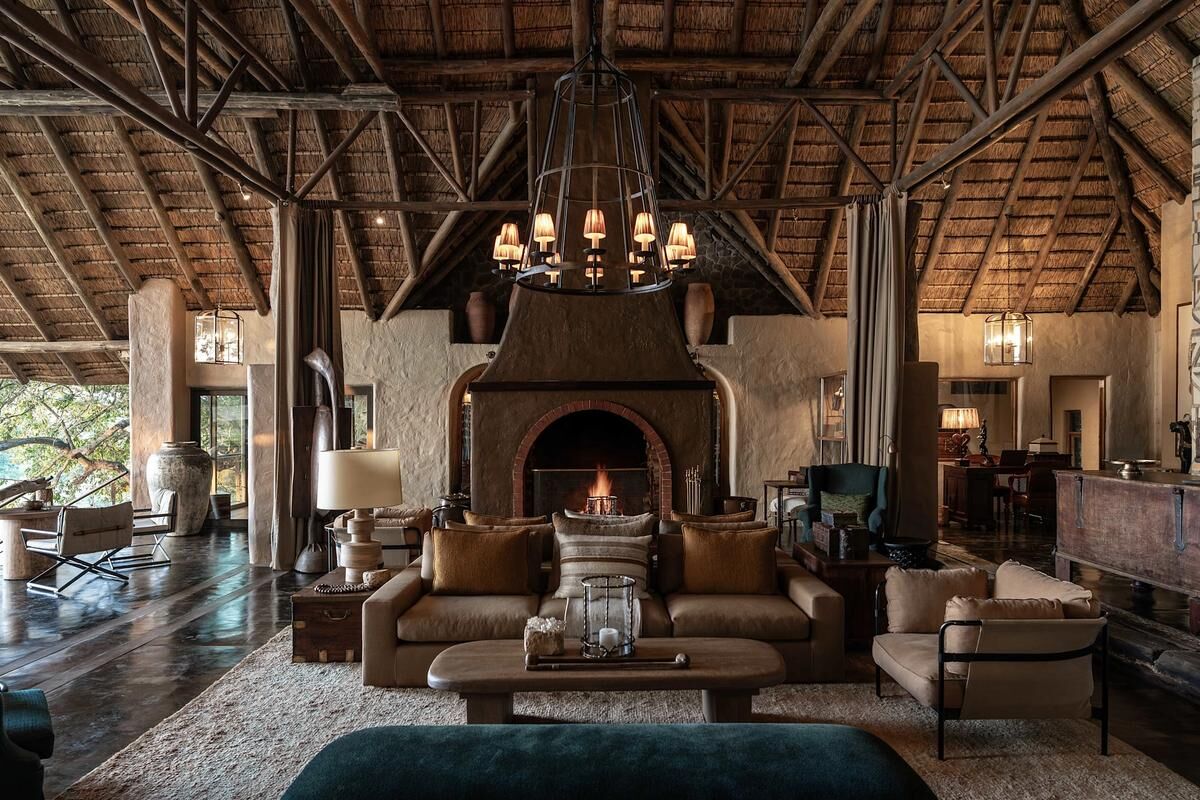
Safari lodges range from rustic canvas camps to properties that rival the world's best hotels. Singita, with lodges across Tanzania, South Africa, and Zimbabwe, consistently sets the standard — think wine cellars, infinity pools, and suites with private plunge pools overlooking the bush. For something more intimate, mobile tented camps follow the migration across the Serengeti, moving every few weeks to stay with the herds.
The Best Time to Go
Timing depends on what you want to see. The dry season (June–October) concentrates animals around water sources, making sightings more frequent and dramatic. The green season (November–March) brings lush landscapes, migratory birds, and newborn animals — plus significantly lower rates and fewer visitors.
What to Pack
Safari dressing is an art of neutral tones and practicality. Khaki, olive, and earth tones help you blend with the landscape. Layers are essential — mornings on open vehicles can be surprisingly cold. A good pair of binoculars is as important as your camera, and polarized sunglasses cut through the African glare.
Your First African Safari: Everything You Need to Know — Frequently Asked Questions
East Africa (Kenya, Tanzania) peaks during the Great Migration from July to October. Southern Africa (Botswana, South Africa) is best May to September during dry winter months when animals concentrate around water sources. Green season (November–March) offers lush landscapes, baby animals, and significantly lower rates.
East Africa offers vast open plains, the Great Migration, and classic savanna experiences in the Masai Mara and Serengeti. Southern Africa — Botswana's Okavango Delta, South Africa's Kruger region, and Zambia's South Luangwa — emphasizes water-based safaris, walking safaris, and a more diverse landscape. Both deliver extraordinary wildlife encounters.
A luxury safari typically ranges from $1,500 to $3,500 per person per night at premier camps and lodges. This usually includes all meals, guided game drives, park fees, and select beverages. Private conservancy camps at the top end — like Singita, andBeyond, or Great Plains — can exceed $3,500 per night.
Yes. Our safari specialists design bespoke itineraries across East and Southern Africa — including private camp selection, internal charter flights, multi-country routing, and preferred rates at partner lodges. We handle every detail from landing to departure.
Related Reading


Related Experiences
From the Journal

Your Journey Starts Here
Ready to Experience This
the Haute Black Way?
Our travel concierge team can arrange every recommendation in this guide — from priority reservations to private experiences and preferred room upgrades.
Begin Your Journey