Haute Black Journal
Places to Visit in Middle East

Marlene Azeez
Director, HauteBlack
View all articles →
# Places to Visit in Middle East
July 21, 2026
The surprise isn't that the Middle East does luxury well. It's how fast the region has become one of the world's most consequential luxury travel arenas. Saudi Arabia alone drew a record 29.69 million international visitors in 2024, up 9% year over year, while tourism revenue climbed to SR153.61 billion, or $40.95 billion, according to Travel and Tour World's regional tourism report. That tells you something important. Affluent travelers aren't merely passing through the region. They're prioritizing it.
That shift has changed what smart itinerary planning looks like. The best places to visit in Middle East travel now span futuristic Gulf capitals, sacred cities, archaeological icons, marine escapes, and desert vistas that feel cinematic when handled properly. The difference between a good trip and a smooth one comes down to access, timing, logistics, and local judgment.
For such itineraries, bespoke planning is essential. Some destinations reward early private entry. Others are best paired with a beach reset, a helicopter transfer, a curator-led museum visit, or a controlled desert overnight with proper security, lighting, and dining. In the strongest itineraries, every stop has a purpose.
The region's travel economy is only getting deeper. MENA tourism and hospitality is projected to contribute about US$367 billion to regional GDP in 2025 while supporting 7.7 million jobs, with international visitor spending nearing US$194 billion, according to Middle East Briefing's 2025 tourism outlook. For private clients, that means better infrastructure, stronger hotel portfolios, and more destinations capable of handling high-touch service.
Here are 10 places to visit in Middle East travel that deserve your attention now, with the right way to do each one.
1. Dubai, United Arab Emirates
Dubai is the easiest luxury entry point into the region and still one of the most rewarding. Everything works fast when you plan it properly. Chauffeured arrivals, private immigration handling, villa check-ins, marina departures, and after-hours retail appointments all fit into a city that was built to remove friction.
The right Dubai trip balances spectacle with precision. Don't spend the whole stay chasing headline venues. Pair a beachfront resort with one sharply executed desert experience, one yacht evening, and one retail or culinary day suited to your travel style.
How to time Dubai well
October through April gives you the strongest weather for terraces, yacht charters, and desert dining. Start outdoor days early, hold shopping and spa appointments for late afternoon, then move into the evening with a marina departure or chef-led dinner in a private setting.
For a fuller planning framework, use this Dubai luxury guide from Haute Black.
Practical rule: In Dubai, pay for convenience before you pay for excess. A great suite with flawless transfers beats a larger suite with clumsy logistics.
What to book and how long to stay
A three- to five-day stay works best unless you're combining it with Abu Dhabi or Oman.
- For couples: Book a sunset yacht in the Arabian Gulf, followed by a private villa dinner with a Michelin-starred chef.
- For families: Reserve a resort with strong beach access and build in one late-afternoon desert program with falconry and Bedouin dining.
- For executives: Use pre-arrival concierge handling, private airport transfers, and members-only lounges to protect time.
A clean four-day rhythm works well. Day one, arrive and reset at the resort. Day two, do design, fashion, or jewelry appointments. Day three, reserve the desert for golden hour. Day four, finish with a yacht or beach club afternoon before departure.
2. Petra, Jordan
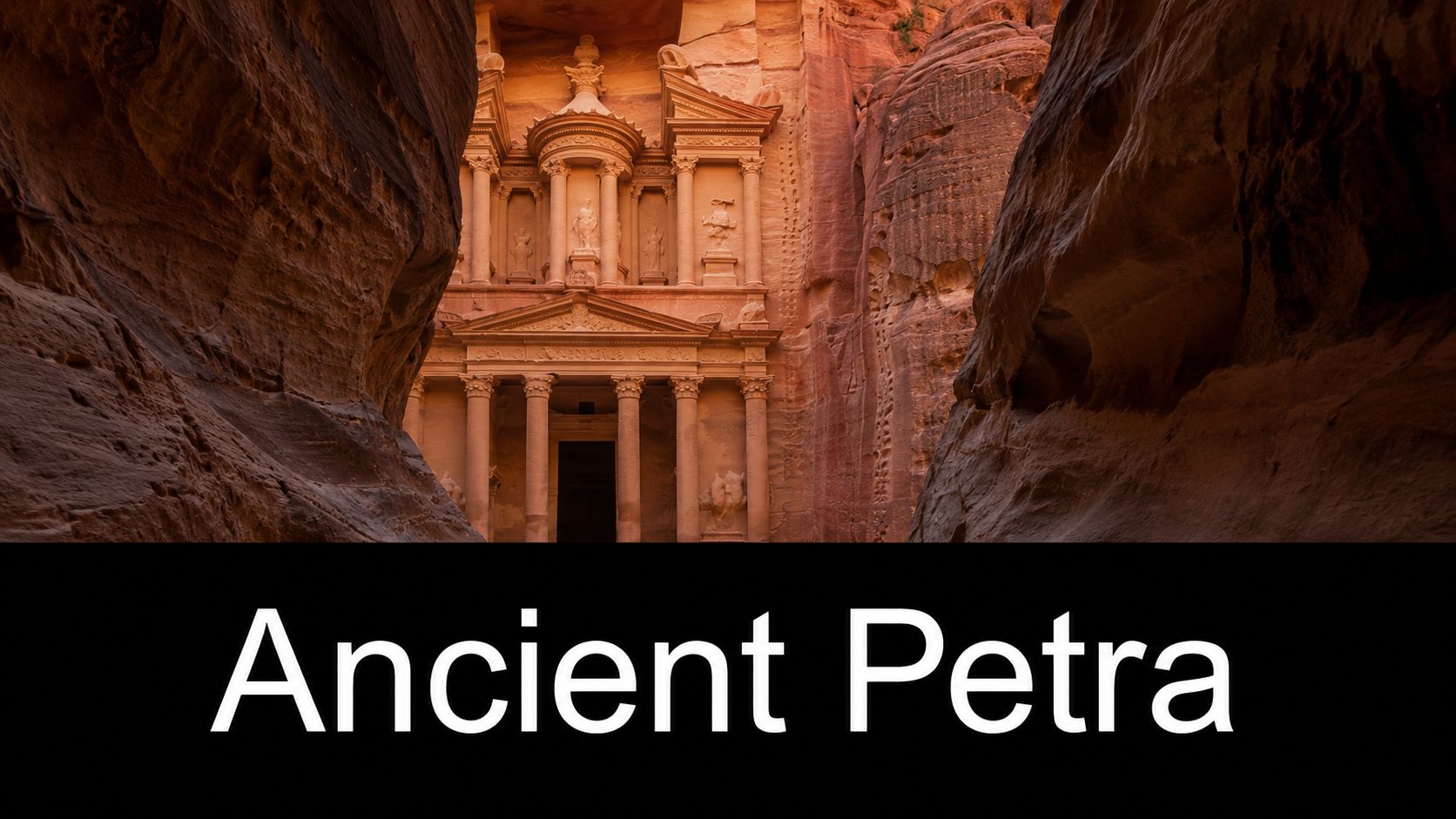
Petra belongs on any serious list of places to visit in Middle East travel because few arrivals in the world match the first view through the Siq. This is not a destination to rush. The site rewards quiet entry, patient pacing, and guides who understand both archaeology and crowd flow.
Lead with the strongest version of Petra. Enter before standard arrival waves, pace the morning around the Treasury and the Royal Tombs, then decide whether you want to stay analytical with a specialist guide or shift into a more atmospheric route with photography support.
Early light transforms the stone.
The smartest way to experience Petra
May to June and September to October usually give the best mix of manageable temperatures and a more graceful on-site experience. Book at least two nights. One night reduces Petra to a photo stop. Two or three lets you work the site properly and pair it with a wellness finish elsewhere in Jordan.
A strong sample itinerary looks like this:
- Day 1: Arrive, settle into a high-comfort base, keep the evening quiet.
- Day 2: Pre-dawn or sunrise site access with an expert guide, long lunch, rest, sunset documentation session.
- Day 3: Return for secondary trails, then transfer onward to Wadi Rum or the Dead Sea.
Private horseback segments, fine-dining camp setups in protected desert areas, and professional documentarians all enhance the experience when arranged carefully.
A short visual preview helps clients understand scale before arrival.
Petra is best when the day starts before other travelers are tying their shoes.
3. Abu Dhabi, United Arab Emirates
Abu Dhabi is for travelers who want polish without Dubai's relentless pace. The luxury here is quieter. You feel it in the spacing, the architecture, the museum programming, the waterfront mood, and the city's ability to support business and leisure in the same trip.
This is the Gulf capital I recommend when a client wants one trip to cover culture, executive hosting, and restorative downtime. It works especially well for couples who care about design and art, and for families who prefer wider resorts and calmer daily flow.
Best experiences to prioritize
Start with a private cultural track. Sheikh Zayed Grand Mosque deserves an early guided visit with someone who can explain symbolism, etiquette, and architecture without turning the experience into a lecture. Follow with a private curator-led visit at Louvre Abu Dhabi and a late yacht dinner from the marina.
Then give the trip breathing room.
- Morning: Cultural site or museum visit.
- Afternoon: Pool, spa, or beach reset.
- Evening: Private dining, marina departure, or low-key shopping appointment.
A four-day stay is ideal. Day one for arrival and waterfront recovery. Day two for mosque and museum. Day three for shopping at The Galleria or a desert extension. Day four for a private transfer onward, often to Dubai by helicopter if the itinerary needs speed.
Advisor note on planning
Abu Dhabi rewards morning discipline. Do culture first, leave leisure for later, and don't overload the day. The city's strength is refinement, not volume.
4. Istanbul, Turkey
Istanbul gives you density. History, commerce, design, religion, nightlife, antiques, and food all collide in a way that feels grand rather than chaotic when your itinerary is properly controlled. It's one of the most layered places to visit in Middle East travel and one of the easiest to get wrong if you let it become a queue-to-queue city break.
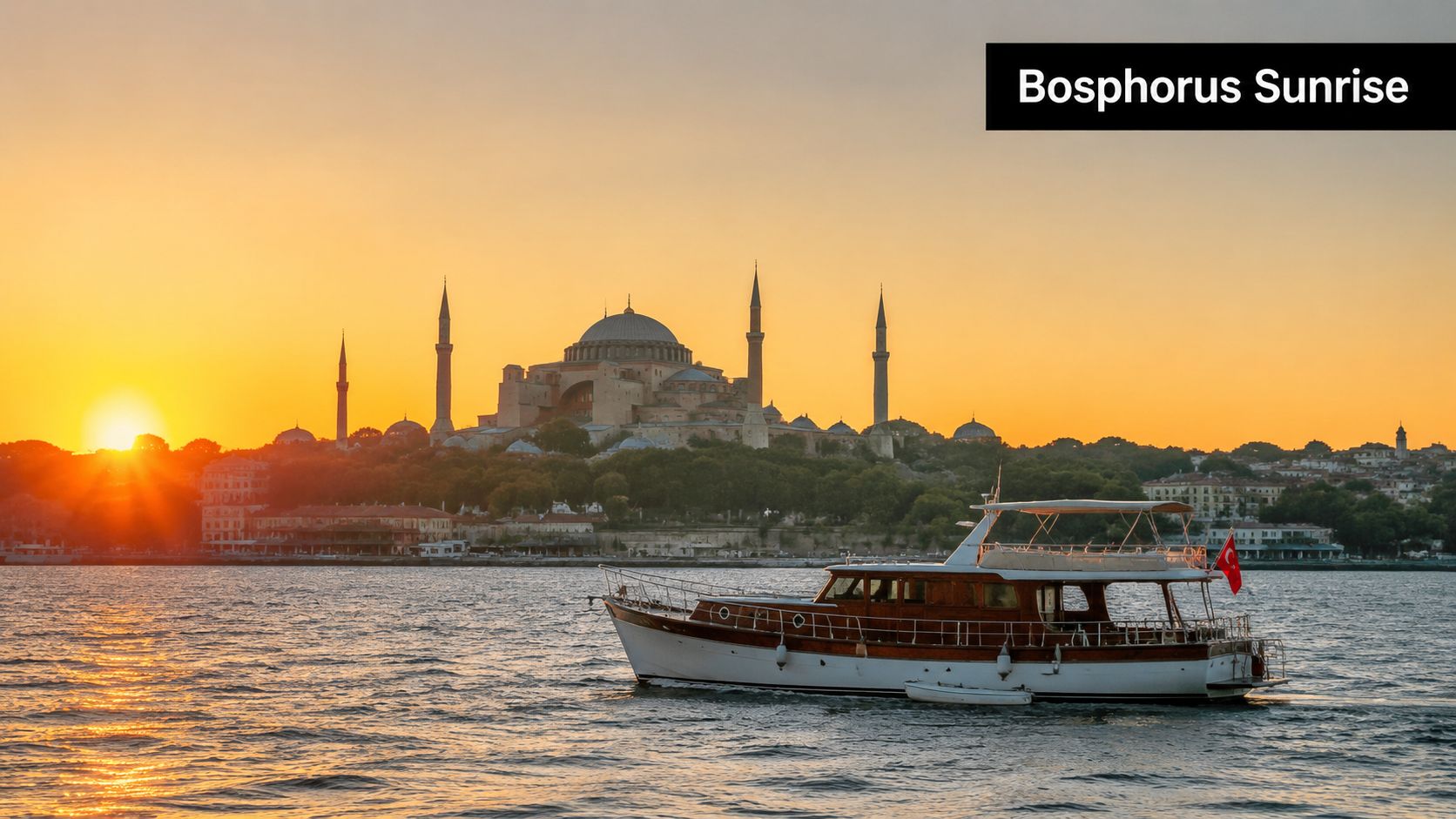
The move is to divide the city by mood. Give one day to the great monuments. Give another to the Bosphorus, neighborhoods, and contemporary fashion or design. Then use the final stretch for food, private hammam time, or an onward pairing with Cappadocia.
Where Istanbul excels for luxury travelers
Private pre-opening or early-entry style touring changes everything here. Hagia Sophia, Topkapi Palace, and major historic districts are far more enjoyable with timing discipline and a historian who can connect Byzantine and Ottoman context without slowing the day down.
For a sharper city edit, see Haute Black's luxury things to do in Istanbul.
A strong 5-day rhythm
- Day 1: Arrive, Bosphorus-facing hotel, quiet dinner.
- Day 2: Historic core with private guide.
- Day 3: Bosphorus cruise at golden hour, fashion or jewelry appointments in Beyoğlu.
- Day 4: Chef-led cooking session or private hammam sequence.
- Day 5: Depart or continue to Cappadocia.
Istanbul also sits inside a broader growth story. Tourism sales in the Middle East are estimated at USD 289.7 billion in 2025 and forecast to reach USD 465.0 billion by 2035, a projected 4.8% CAGR, according to Middle East Briefing's market outlook. That matters because it signals sustained investment in premium infrastructure across the region, including the kind of hotel and transport ecosystems discerning clients expect.
5. Doha, Qatar
Doha is compact, architectural, and easy to control. That combination makes it excellent for travelers who want a shorter Gulf itinerary without sacrificing service standards. It also works well as a stopover that deserves more than one night.
The city's luxury appeal comes from contrast. You can move from a museum of Islamic art to a marina departure, then shift into a desert camp environment without wasting half the day in transit. Few capitals manage that as cleanly.
How to structure a high-end Doha stay
November through March is your prime window for outdoor comfort. Use the mornings for architecture, museums, and mosque visits. Hold the desert for early morning or late afternoon. Keep one evening for a private yacht charter with gourmet catering.
A sharp three-day plan works well:
- Day 1: Arrive, settle into a city hotel with strong views and club-level privacy.
- Day 2: Museum track, souq edit with a private shopping concierge, chef-driven dinner.
- Day 3: Bespoke desert safari with a luxury camp setup, then depart or continue.
Why it belongs on this list
Doha feels measured. It doesn't compete for your attention every second. That's a virtue, especially for clients who want sleek hospitality, Arabian aesthetics, and less social noise than they'll find elsewhere in the Gulf.
6. Jerusalem, Israel
Jerusalem isn't a casual luxury destination. It's a serious one. The city asks more from the traveler and gives more back when approached with respect, context, and emotional range. You're not going for maximal indulgence. You're going for depth, access, and a trip that stays with you.
For UHNW travelers, the right way into Jerusalem is private and highly informed. Religious, historical, and political sensitivities are real. So are timing issues around sacred sites, holy days, and neighborhood rhythms. A pre-arrival cultural briefing isn't optional.
How to do Jerusalem properly
Build the stay around private early-morning touring with scholars or specialist guides. The Old City, sacred sites, archaeological layers, and quieter neighborhood routes all benefit from interpretation. You'll get more from one excellent guide than from ten landmark stops on your own.
Then offset the intensity. Pair Jerusalem with a Dead Sea wellness segment or a resort stay that gives you space to recalibrate.
Advisor's view: Jerusalem should never be scheduled as a rushed add-on between beach days. Give it time, privacy, and intellectual support.
Suggested 4-day pairing
- Day 1: Arrival and orientation.
- Day 2: Sacred sites and Old City with a specialist guide.
- Day 3: Contemporary culinary scene and personalized historical track.
- Day 4: Transfer to the Dead Sea for spa recovery.
Shoulder seasons, especially March to May and September to November, usually provide the most comfortable rhythm for long walking days.
7. Marrakech, Morocco
Marrakech wins on atmosphere. The city knows how to stage an arrival, from lantern-lit courtyards and carved plasterwork to orange-blossom-scented riads and polished garden hotels beyond the medina. Among the most seductive places to visit in Middle East travel, it's the destination I book for clients who want romance, design, and sensory richness.
The key is editing. Don't over-program the medina. You want a private guide who can move you through it with calm authority, introduce artisans selectively, and get you back to your riad or resort before the city starts to feel exhausting.
What luxury travelers should prioritize
A private riad dinner with a strong Moroccan kitchen is always worth doing. So is one artisan-focused shopping day that includes textiles, ceramics, lighting, or custom caftan work, depending on the client. If the itinerary allows, add a desert extension or an Atlas Mountains retreat.
For a more personalized Morocco framework, use Haute Black's bespoke luxury Morocco tours guide.
Best timing and trip length
October through April is the sweet spot for city comfort and polished outdoor dining. A four- to six-day itinerary is ideal if you're keeping the focus on Marrakech plus one extension.
- For honeymooners: Riad stay, hammam ritual, private rooftop dinner, ballooning at dawn.
- For families: Resort base outside the medina, guided souq session, mountain day trip.
- For collectors: Artisan appointments and behind-the-scenes visits with designers.
Marrakech shouldn't feel busy when planned well. It should feel curated.
8. Dead Sea, Israel & Jordan
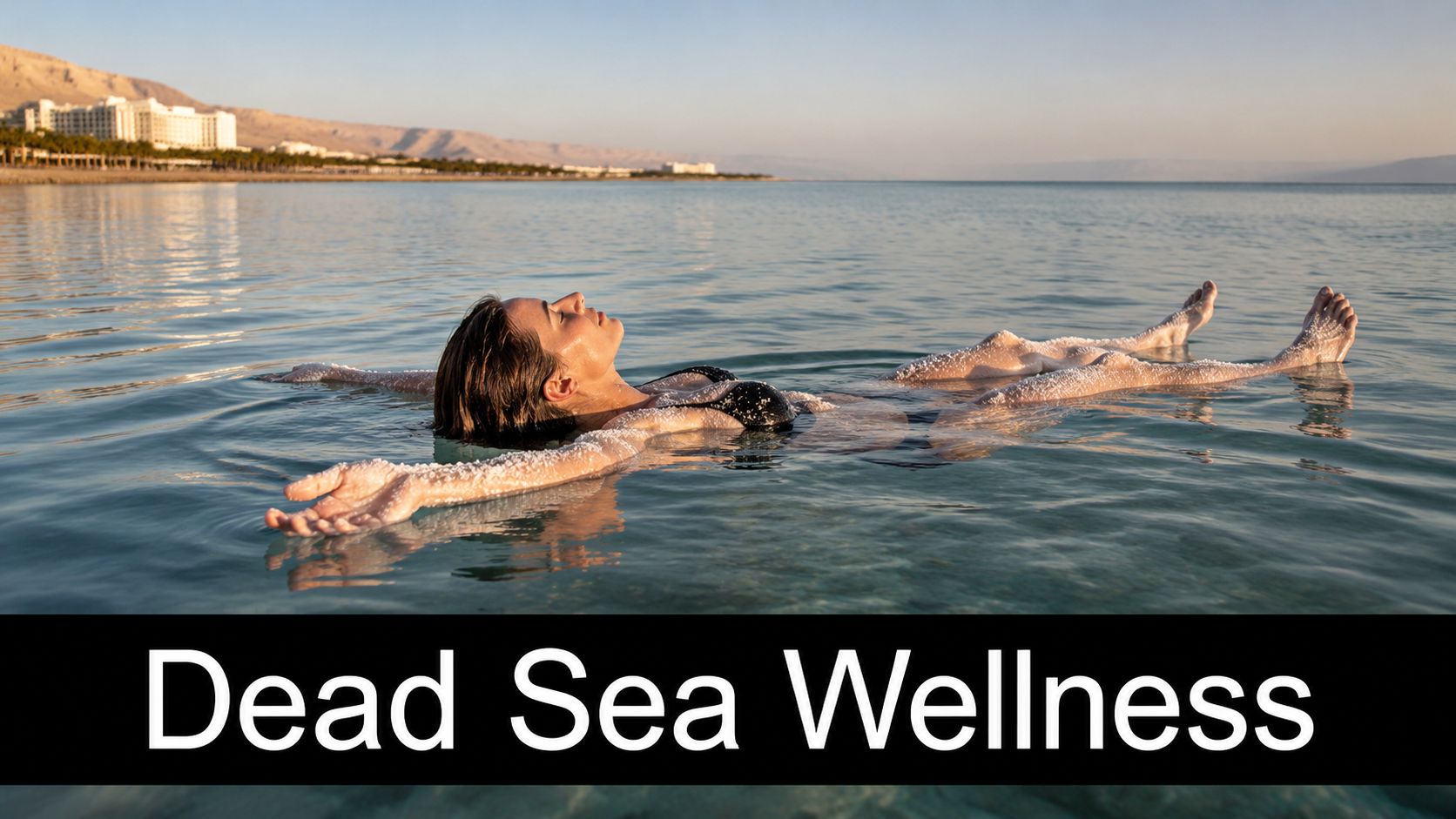
The Dead Sea is a reset button. That's its function in a luxury itinerary. You don't come here for urban energy. You come to decompress after Jerusalem, Petra, or a longer regional circuit and let the body catch up.
Its appeal is physical and geographic. The mineral-rich water, the stark terrain, and the resort format combine well when the stay is built around wellness rather than novelty. A rushed in-and-out float is forgettable. A two- or three-night medical-wellness or spa retreat is worth doing.
How to make the Dead Sea work
November through March tends to be the most comfortable window. Book a multi-day retreat with structured treatments rather than improvising once you arrive. Good sequencing matters here. Float first, spa later. Keep sun exposure controlled. Hydrate aggressively.
A clean three-day plan looks like this:
- Day 1: Arrival and rest.
- Day 2: Guided wellness programming, mineral treatments, poolside lunch.
- Day 3: Optional Masada or regional historical outing, then slow afternoon by the water.
Best pairings
The Dead Sea works best with Petra or Jerusalem. With Petra, it softens the physical demands of archaeological touring. With Jerusalem, it gives emotional contrast and physical recovery.
9. Dubai Desert and Bedouin Experiences
The best desert experience near Dubai has almost nothing to do with dune-bashing theatrics. It's about privacy, pacing, and production quality. The desert can feel profound when handled with restraint. It can also feel disposable if the operator treats it like a volume business.
Book a verified private camp, arrive before sunset, and make sure your operator understands service sequencing. You want time for falconry, sand light, aperitifs, and dinner setup without being pushed from one activity to the next.
What separates a premium desert program
The strongest programs combine one or two core experiences rather than six mediocre ones. A sunrise balloon followed by a polished breakfast works. So does a golden-hour arrival, private falconry session, and chef-led dinner under the stars.
Travel demand across the region supports this style of product. Travel spending in the broader Middle East is projected to exceed 2019 levels by 54% in 2025, with annual growth averaging over 7% through 2030, according to Oxford Economics coverage via Karlo Bag. That resilience shows up on the ground in the premium desert segment, where better camps, stronger transport, and more personalized experiences are becoming easier to source.
How long to allocate
This works best as a one-night extension or a late-afternoon and evening add-on within a Dubai stay.
- Best season: November through March.
- Best arrival time: Pre-sunset.
- Best add-ons: Falconry, chef catering, astronomy, refined Bedouin-style dining.
Bring proper sun protection and desert-ready clothing. Clients often over-style these evenings and underdress for actual terrain.
10. Oman Muscat and Wadi Experiences
Oman is where I send travelers who've already done the obvious Gulf circuit and want something more grounded. Muscat gives you the polished entry. The wadis, coastline, and mountains give you the payoff. This is not a destination for frantic movement. It's for clients who appreciate natural beauty, understatement, and a strong sense of place.
Muscat itself is elegant and calm. The architecture is restrained, the coast is dramatic, and the city still feels connected to Omani identity in a way many capitals no longer do. Then you leave the city and everything opens up. Wadis, mountain roads, private picnic setups, and clear water create a very different kind of luxury.
How to build an Oman trip
October through April is your prime outdoor season. Plan at least five days. Seven is better if you want Muscat plus inland scenery without rushing.
A smart itinerary could look like this:
- Day 1: Arrive in Muscat, waterfront dinner.
- Day 2: Grand mosque, souq, and old city sequence.
- Day 3: Transfer to a wadi region with a private guide and picnic setup.
- Day 4: Mountain or coastal experience with a high-clearance vehicle.
- Day 5: Return to Muscat or continue deeper inland.
For road-led itineraries and smooth transfers, use NSB Luxury Transport for Oman trips.
Why Oman matters now
The Middle East luxury travel market is projected to grow at a 7.2% compound annual rate from 2024 to 2030, according to Haute Black's Middle East luxury travel market article. That growth will benefit emerging luxury hubs as much as established names, and Oman is positioned well because it offers something many affluent travelers now want more of: authenticity without roughing it.
Top 10 Middle East Destinations Comparison
| Destination | 🔄 Implementation complexity | 💰 Resource requirements | ⚡ Access & efficiency | ⭐ Expected outcomes | 📊 Ideal use cases & 💡 Key tips |
|---|---|---|---|---|---|
| Dubai, United Arab Emirates | Moderate, well-developed concierge & vendor network simplifies logistics | High, ultra-luxury hotels, private aviation, bespoke services | Excellent, major international hub, quick transfers | ⭐⭐⭐⭐⭐, top-tier luxury, seamless service | High-end leisure & business travel; tip: visit Oct–Apr, pre-book private yacht/helicopter |
| Petra, Jordan | High, site access & walking logistics require planning and guides | Medium, luxury bases nearby but limited on-site amenities | Good, regional connections; site requires transfers/hiking | ⭐⭐⭐⭐, exceptional cultural/archaeological value | Cultural immersion & photography-focused trips; tip: book private pre-dawn tours and guides |
| Abu Dhabi, United Arab Emirates | Moderate, cultural site protocols and private access logistics | High, luxury resorts and curated cultural programs | Very good, international flights, shorter crowds than Dubai | ⭐⭐⭐⭐, refined cultural luxury with authenticity | Executive/business-luxury itineraries; tip: schedule morning cultural visits, consider helicopter transfers |
| Istanbul, Turkey | High, historic district navigation and permit needs for private access | Medium-high, luxury hotels and private yacht options, localized services | Good, well-connected international airport; local traffic can slow transfers | ⭐⭐⭐⭐, deep historical richness blended with luxury | Cultural immersion and gastronomy; tip: hire private guides for skip-the-line and Bosphorus golden-hour cruises |
| Doha, Qatar | Moderate, centralized luxury infrastructure simplifies logistics | High, premium pricing for hotels, events, and exclusive access | Very good, growing international connectivity and compact city layout | ⭐⭐⭐⭐, cutting-edge luxury and curated cultural offerings | Event-driven luxury travel & short regional stays; tip: visit Nov–Mar and reserve private museum after-hours |
| Jerusalem, Israel | High, sensitive sites require careful scheduling and cultural protocol | Medium, boutique luxury available; infrastructure variable by area | Moderate, well-connected but security/checkpoint delays possible | ⭐⭐⭐⭐, unparalleled spiritual and historical significance | Spiritual/cultural itineraries; tip: arrange pre-arrival briefings and private scholar-led tours |
| Marrakech, Morocco | Moderate, medina navigation needs local guides and riad coordination | Medium, boutique riads offer value; moderate transport costs | Good, international access, but inner-city transfers can be slow | ⭐⭐⭐⭐, authentic cultural immersion with boutique luxury | Experiential cultural & wellness trips; tip: use private guides for medina and artisan access (Oct–Apr) |
| Dead Sea (Israel & Jordan) | Low-moderate, resort-based logistics are straightforward | Medium, luxury spa packages available but site services concentrated in resorts | Good, regional access, resorts centralized for ease | ⭐⭐⭐⭐, best-in-class wellness and therapeutic outcomes | Wellness retreats and combined cultural tours; tip: book multi-day spa packages Nov–Mar |
| Dubai Desert & Bedouin Experiences | Moderate, remote logistics require vetted operators and timing | Medium, private camps and premium activity operators necessary | Variable, remote sites need transfers; timing critical for golden hour | ⭐⭐⭐⭐, high-impact authentic-seeming experiences (some staged elements) | Romantic/photography/adventure add-on for Dubai; tip: schedule Nov–Mar and verify operator authenticity |
| Oman: Muscat & Wadi Experiences | Moderate-high, remote wadis and mountain logistics need multi-day planning | Medium, boutique resorts and private drivers add cost but offer value | Moderate, fewer direct flights; interior travel by road required | ⭐⭐⭐⭐, authentic natural and cultural experiences with boutique luxury | Nature, adventure, and cultural immersion; tip: arrange private drivers/guides and high-clearance vehicles (Oct–Apr) |
Embark on Your VIP Middle East Journey
A great Middle East itinerary isn't built by collecting famous names on a map. It's built by sequencing them properly. That means knowing when to start with a city that runs like clockwork, when to slow down in a sacred place, when to follow an archaeological stop with a wellness retreat, and when a desert overnight should replace another dinner reservation in town.
That's why these 10 destinations work so well together. Dubai and Abu Dhabi deliver ease, precision, and modern Gulf hospitality. Petra and Jerusalem bring gravitas, memory, and cultural depth. Doha gives you a compact, polished urban stop with desert reach. Marrakech adds atmosphere and romance. The Dead Sea restores the body. Oman gives the whole regional picture a more soulful, less commercial finish.
Luxury travelers also need to read the region realistically. The fundamentals are strong, but timing and route design matter. Short-term sentiment indicators for Middle Eastern arrivals and hotel occupancy have weakened due to security circumstances, with near-term expectations softer than the global average, according to coverage of Oxford Economics' regional outlook. That doesn't mean you avoid the region. It means you plan it with live intelligence, strong on-ground partners, and the ability to adjust quickly if conditions change.
That planning gap is still wider than it should be. Much of the existing editorial around places to visit in Middle East travel still ignores the reality that affluent travelers care significantly about security protocol, controlled access, and discretion. One study noted that only 12% of travel articles address safety protocols for ultra-high-net-worth individuals entering underrated yet secure zones in the region, according to the IEMed publication on MENA tourism trends. That's a major blind spot. In practice, private clients need route vetting, trusted local fixers, transport redundancy, and advisors who know when to say yes, not yet, or not this route.
Haute Black sets itself apart. Virtuoso partnerships matter because they turn a standard reservation into a relationship-backed arrival. Preferred partner status matters because upgrades, resort credits, flexible amenities, and recognition on property aren't cosmetic. They shape the trip. The same goes for private transfers, yacht sourcing, after-hours access requests, specialist guides, and villa or suite selection that reflects your true travel style.
Use these 10 destinations as a framework, not a rigid list. The best Middle East journey for a couple won't look like the best one for a three-generation family or a CEO moving between meetings and recovery days. Your advisor should shape around pace, privacy, purpose, and the level of access you expect.
The region is ready for big, complex travel. The only question is whether the itinerary is.
Start your journey with Haute Black, where bespoke planning, Virtuoso benefits, and insider access turn the best places to visit in Middle East travel into one expertly crafted, VIP-level itinerary.
Explore Our Guides


Signature Experiences


