Dubai: The City That Refuses To Impress You Gently

Angelika Semilof
Travel Writer
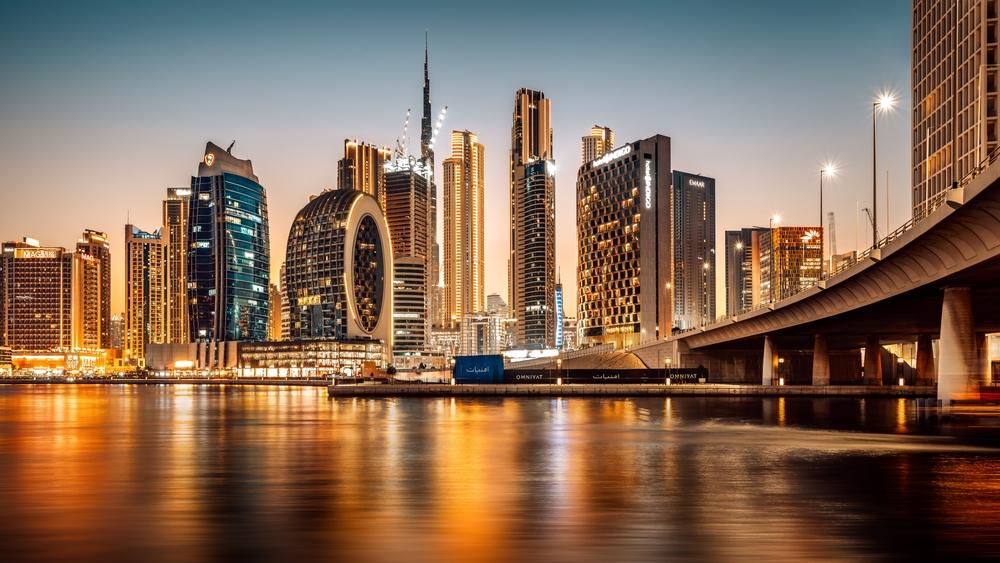
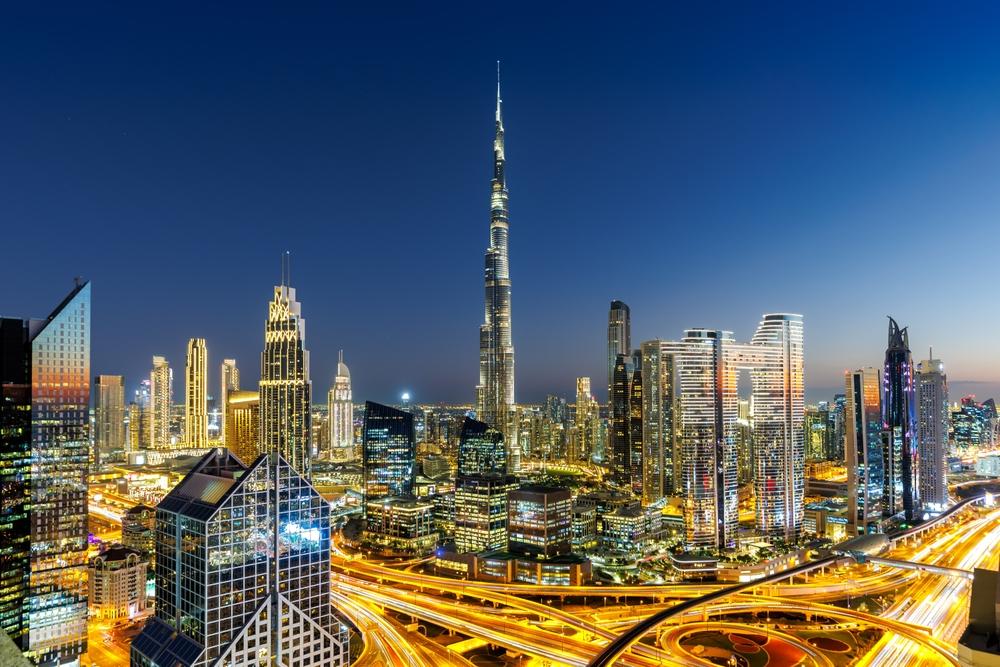
You don't ease into Dubai. The city announces itself before you land — the Persian Gulf catching the sun below you, the Palm sprawled out like something no rational city planner would have approved, the skyline a collaboration between ambition and engineering ego. By the time your wheels touch down at DXB, you understand you're somewhere that decided long ago that scale, opulence, and spectacle would be its native language.
Most luxury travel guides miss the point about Dubai. They give you the Burj Al Arab (done), the Gold Souk (crowded), the desert safari (package tour). That's Dubai as theater — and you can find those recommendations anywhere. The Haute Black version of Dubai is something else: a city where world-class Michelin dining arrives nightly to tables set under open desert skies; where private beach club access, rooftop infinity pools, and members-only cultural spaces exist within walking distance of the most technically audacious architecture on the planet; and where — if you know where to look — an older, quieter Dubai of wind towers, wooden dhows, and extraordinary Emirati culture is still very much alive.
For the discerning Black traveler, Dubai holds a particular magnetism. It's a Muslim-majority city where Blackness from across the diaspora — African, Caribbean, African-American — is woven into the fabric of daily life. The city's expat community is deeply international, the food scene reflects the entire world, and the service culture, at its best, operates on the principle that every guest deserves to feel like the most important person in the room. The UAE has a complicated history, and any honest guide acknowledges that. But as a base for experiencing extraordinary hospitality, architecture, and cuisine in a region that connects Africa, Asia, and the Arab world, Dubai is without peer.
The Haute Black approach to Dubai: skip the performative luxury and go straight to the extraordinary. You're not here to be impressed by gold. You're here for the 27-seat restaurant that might be the finest Nordic tasting menu outside of Stockholm. The private desert camp where the silence is worth more than any chandelier. The gallery hidden in an industrial warehouse that's reshaping the Middle Eastern art world.
Why Dubai Right Now
Dubai in 2026 has crossed a threshold. The city has always had ambition — now it has depth. The same year that saw the opening of the world's tallest hotel (Ciel Dubai Marina, 82 floors above the Marina), it also welcomed Mandarin Oriental Downtown, FZN by Björn Frantzén's extraordinary 27-seat restaurant at Atlantis The Palm, and the continued expansion of Alserkal Avenue as one of the most compelling contemporary art districts in the world.
The hospitality pipeline for 2026 is equally compelling: Six Senses The Palm opens on Palm Jumeirah, bringing its globally acclaimed wellness philosophy to Dubai for the first time; Rosewood makes its long-anticipated Dubai debut at Jumeirah Beach; and a Baccarat Hotel designed by Studio Libeskind is set to arrive Downtown. This is a city adding genuine layers.
The best time to visit is November through April, when temperatures settle into the low-to-mid 20s Celsius and the city's outdoor dining, beach, and desert experiences are at their finest. Dubai Art Season — anchored by Art Dubai at Madinat Jumeirah and DIFC Art Nights — runs March through April, making late March the single best week to experience the city at maximum cultural and social intensity.
One more thing worth saying: Dubai is not a city to rush. The visitors who leave underwhelmed are almost always those who crammed too much into too few days. Give yourself five nights minimum. Seven is better. A city that has built the world's tallest hotel, the world's largest mall, and the world's only underwater restaurant deserves the time to be experienced on its own terms.
Where to Stay
Dubai's hotel portfolio is absurdly deep — over 150,000 rooms across the city, with more arriving every quarter. That abundance is both its strength and its trap. There are properties that will charge you $1,500 a night to feel like a tourist, and there are properties that will make you feel like a resident of the finest city in the world. The distinction is almost never about price. It's about intention.
The Four That Matter
Atlantis The Royal — The benchmark for spectacle done well
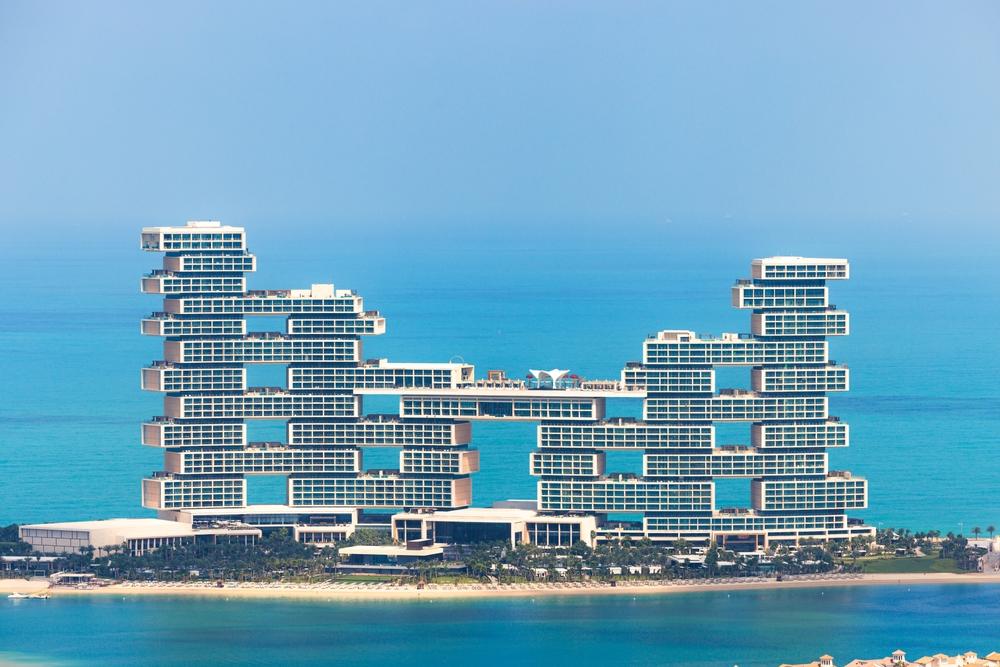
The Royal opened in 2023 and immediately became something that happens to Dubai once a generation: a property that exceeds the hype. Thirty-six floors of suites, residences, and sky villas designed by a global roster of architects and artists, perched on the tip of the Palm with views that feel frankly illegal. The Dinner by Heston Blumenthal is here. So is FZN, the extraordinary Nordic-Japanese tasting menu from Stockholm's most decorated chef. The Nobu. The pool situation — three levels, a lazy river, views across the Gulf — is benchmark-setting even for Dubai. The Royal Mansions at the top of the building require their own conversation.
Haute Intel: The Sky Villas offer butler service, private pools, and direct elevator access to the beach. They book 6–9 months in advance. If you want a Royal Mansion — an actual sky home with 3–5 bedrooms — book a full year out. For dining: request tables by the open kitchen at FZN, not the regular dining room.
Jumeirah Marsa Al Arab — The boldest new address for the design-conscious traveler
Opened March 2025. Designed by Shaun Killa — who also designed the Museum of the Future — this nautical-inspired tower sits adjacent to the iconic Burj Al Arab and completes the Jumeirah 'oceanfront trilogy.' The interiors are extraordinary: 386 suites with floor-to-ceiling Gulf views, eleven restaurants, nine bars, and a wellness program centered on an exceptional spa. This is the property for guests who want to be in the absolute first chapter of a hotel's history, before it becomes the establishment. The rooftop pool experience alone makes it worth a night.
Haute Intel: Book the Marsa Al Arab Penthouse Suite on the upper floors — the 270-degree view of the Arabian Gulf and the Burj Al Arab from that terrace is one of the five best hotel views in the world right now. The property isn't yet on the Virtuoso preferred list so call the hotel directly and ask for the Rooms Division Manager — they often extend complimentary upgrades for multi-night stays booked directly.
Mandarin Oriental Downtown — For the traveler who wants serious luxury without spectacle
Dubai's newest ultra-luxury hotel sits in the iconic Wasl Tower — the 303-metre high-rise with the world's largest ceramic facade — and brings Mandarin Oriental's trademark restraint and service precision to a city that rarely does restraint. The location is perfect: 15 minutes from the airport, five minutes from City Walk and DIFC, and close enough to Downtown to walk the Burj Khalifa area without committing to staying there. The 259 guestrooms and suites are among the finest in the city. The spa is built for people who take wellness seriously.
Haute Intel: The MO consistently performs in blind service tests at the highest level in Dubai. Ask for a Burj Khalifa view suite — the tower's ceramic façade creates a remarkable filtered light effect in those rooms during late afternoon. This is also where visiting executives and dignitaries often stay when they want discretion over grandeur.
The Lana — Dorchester Collection — The rooms to book when everything else is full, and the bar no one tells you about
The Lana brought the Dorchester Collection to Business Bay in 2023 and instantly became one of the finest hotels on the Arabian Peninsula. The rooms are some of the best-designed in the city — warm, thoughtful, unhurried. The location is central without being chaotic. But the real reason the Haute Black team keeps returning is High Society, the rooftop bar on the 34th floor: 180-degree views of the Burj Khalifa, an infinity pool, a creative cocktail program using ingredients like bell pepper and clarified lime, and one of the city's most genuinely stylish crowds.
Haute Intel: High Society doesn't need a hotel reservation to access — but if you're a guest, ask the concierge to hold a terrace table from 6pm for the golden hour. The duck ravioli and oyster/caviar small plates are the menu anchors. The bubbly list runs to 118 labels.
What To Skip
The Burj Al Arab is the most photographed hotel in Dubai and among the most overrated luxury experiences in the world. The famed '7-star' designation is self-awarded marketing. The rooms are spectacular in scale but dated in execution, the service varies wildly, and the dining is no longer competitive with what the city's newer properties offer. See it from the outside. Have a cocktail at the Skyview Bar if you must — cocktails start at AED 135 and the views are genuinely spectacular. But don't pay their room rates when the properties above offer a superior stay.
Where to Eat & Drink
Dubai's dining scene has arrived. The 2025 Michelin Guide recognized 19 fine dining establishments, with two properties — Trèsind Studio and FZN by Björn Frantzén — receiving three stars in the same year. That's not a fluke. Dubai has, in the past decade, built a culinary infrastructure that rivals Paris, Tokyo, and New York for ambition. The difference is that it's still possible to get a reservation at some of the world's best restaurants here without a three-month wait. That window is closing. Use it.
THE UNMISSABLE
Trèsind Studio ⭐⭐⭐ Michelin — Indian | Palm Jumeirah
The only Indian restaurant in the world with three Michelin stars, and the hardest reservation in Dubai. Chef Himanshu Saini's tasting menu runs 16–17 courses of avant-garde Indian cuisine executed with a precision that would embarrass most of Europe's two-star kitchens. Pickled pepper. Tangerine flower. Khandvi ice cream. Every dish announces itself as both technically extraordinary and unmistakably from a tradition that predates French cuisine by centuries. The 20-seat room means every night feels like a private dinner.
Order: The 16-course tasting menu. Book via the website 6–8 weeks in advance. If you can't get a reservation through standard channels, contact the hotel concierge at Atlantis The Palm and request assistance — hotel guests occasionally receive priority access.
FZN by Björn Frantzén ⭐⭐⭐ Michelin — Nordic-Japanese | Atlantis The Palm
Time Out Dubai's Restaurant of the Year and one of the most remarkable dining experiences in the world. Frantzén's Dubai outpost (sibling to the three-star Frantzén in Stockholm and two-star Zén in Singapore) seats 27 guests around an open kitchen on the third floor of Atlantis The Royal. The 12-course menu blends modern Nordic technique with Japanese ingredients and philosophy: duck barbecue with yuzu, Kampot pepper, and foie gras; turbot with Cecina de wagyu. The 1,300-label wine cellar is extraordinary. This is the meal you'll remember long after the skyline has blurred.
Order: Request a counter seat at the kitchen — watching the small team work in perfect silence is part of the experience. The seasonal produce menu changes regularly, so don't try to pre-research specific dishes. Trust the kitchen.
Tresind ⭐ Michelin — Modern Indian | DIFC
The original Tresind — Studio's older sibling — remains one of the finest restaurants in the city and offers something that Studio can't: the ability to get a reservation. Chef Himanshu Saini's creative Indian tasting menu is somewhat more accessible than the Studio version while still delivering food that would headline any dining scene in the world. The DIFC setting adds the right kind of business-casual energy for a power lunch.
Order: The signature Corn Bomb — a hollow corn shell filled with a concentrated corn purée — is one of the city's iconic bites. The summer truffle menu (when in season) is exceptional.
GAIA ⭐ Michelin — Greek-Mediterranean | DIFC
Chef Izu Ani's restaurant is the one the food world talks about when they talk about Dubai's dining renaissance. The sea bream carpaccio is the most Instagrammed dish in the city — and unlike most such things, it genuinely deserves the attention. There's a hidden bar called NYX that becomes a favorite with celebrity guests after dinner; ask the host about access. The DIFC setting is appropriately sophisticated without being stiff. The John Dory, when available, is what the locals order.
Order: Come for the sea bream carpaccio but stay for the day's whole fish from the display. Book the terrace for evening — the DIFC courtyard lights up beautifully. NYX bar access via the host; not listed, not signed.
La Petite Maison — Michelin-Selected — Niçoise | DIFC
Time Out Dubai's Restaurant of the Decade. It's been here long enough to feel like an institution and maintains a standard that many newer restaurants aspire to. Impeccable Niçoise cuisine — the escargots de Bourgogne, the linguine with clams, the Tomatini cocktail. If you have one business lunch in Dubai, this is it. The service is among the most polished in the city; the cellar, strong.
Order: Lunch bookings are often easier to secure than dinner. The Tomatini — their signature cocktail — is non-negotiable. Ask for a table in the main room rather than the terrace for the full atmosphere.
THE HAUTE BLACK PICKS YOU WON'T FIND IN TRAVEL MAGAZINES
Ossiano ⭐ Michelin — Seafood | Atlantis The Palm
An underwater restaurant inside the Ambassador Lagoon at Atlantis, where floor-to-ceiling windows look directly into 65,000 marine animals going about their evening. This sounds gimmicky. It is, in fact, one of the most beautiful dining rooms in the world — the blue light of the lagoon shifts the entire mood of the meal. The multi-course tasting menu is seafood-driven, technically serious, and appropriately theatrical. Book the private Chef's Table for a dedicated experience in a screened alcove with direct interaction with the kitchen team.
Order: The Chef's Table seats up to six and must be booked directly with the restaurant. The lobster and sea bass courses consistently receive attention. Arrive slightly early and sit at the aquarium viewing window before your table — the transition from street level to underwater is an experience in itself.
Dinner by Heston Blumenthal — Michelin-Selected — Contemporary British | Atlantis The Royal
Heston Blumenthal's Dubai outpost delivers the same technically extraordinary food as the two-star London original, with the added dimension of Atlantis The Royal's extraordinary dining room. The Meat Fruit — a mandarin gel encasing a parfait of chicken liver — is the most photographed starter in the building. The wagyu ribeye is technically flawless. What separates this from many celebrity chef outposts is that Blumenthal's team genuinely operates the kitchen with the same seriousness as the London original.
Order: Skip the steak as a main if you want the full Heston experience — order the tipsy cake or the rice and flesh instead, both of which demonstrate the kitchen's range better. The 1390s-era 'Rice and Flesh' is a saffron-and-calf-foot-flavored dish that predates modern British cuisine by centuries.
BARS & AFTER-DARK
Dubai's licensing structure means alcohol is confined to hotels and licensed venues — which has the counterintuitive effect of concentrating the city's best bars inside some of the world's finest hotel properties, where the investment in craft is extraordinary.
High Society (The Lana): The finest rooftop bar in the city. 34th floor, 180-degree Burj Khalifa views, an infinity pool, and a cocktail program that uses bell pepper and clarified lime as primary ingredients. The 118-label Champagne list is treated seriously. Book the terrace from 6pm.
Mercury Lounge (Four Seasons Dubai): Near 180-degree views of Business Bay and Downtown, including a near-perfect sightline to the Burj Khalifa. One of the city's oldest power bars and still the most reliably excellent. Seasonal — closed June through September.
Skyview Bar (Burj Al Arab): The world's most expensive cocktail lives here (the Diamonds Are Forever, AED 4,950 — diamonds included). You're paying for the room, not the drink, and the room — on the 27th floor looking directly onto the Gulf — is worth one visit. Canapés by Michelin-caliber kitchen. Don't eat dinner here. Do go for the experience.
CÉ LA VI (Address Sky View): Level 54. The iconic Burj Khalifa swing backdrop has become the most photographed moment in Dubai's nightlife. The Asian fusion menu is good; the crowd is reliably glamorous. Book the infinity pool deck table for sunset — the view of the Fountain show from this elevation is extraordinary.
Attiko (W Dubai — Mina Seyahi): 31st floor with unbeatable sea and city views through floor-to-ceiling windows and an open-air terrace. Currently the most energetic rooftop in the city — live DJs, artisan cocktails (try the limoncello-yuzu-prosecco creation), and a crowd that ranges from fashionable expats to visiting creatives.
Experiences & Access
This is where Dubai's luxury proposition truly separates from the competition. The city has the infrastructure to deliver experiences that elsewhere require extraordinary connections: private access, bespoke arrangements, and once-in-a-visit moments that you won't find through standard booking channels.
The Desert: Done Properly
Every guide tells you to do the desert safari. Almost none of them tell you how to do it in a way that is genuinely extraordinary rather than performatively Instagrammable.
The premium version looks like this: private 4×4 departure from your hotel at 4pm, away from any group tour traffic. A route into the Liwa Oasis dunes rather than the generic Al Marmoom — Liwa produces the highest dunes in the UAE, some exceeding 300 meters, and sits approximately 250km from Dubai (a private charter flight from Al Maktum Airport makes this day-trip feasible). A private camp — not a group setup — with Persian carpets, brass lamps, a personal chef preparing a proper Arabic-influenced meal, and a falconry display with a mahawet (falconer) who actually knows what they're talking about. The dessert night sky, absent of city light pollution, is one of the most dramatic on the planet.
For the overnight desert experience near Dubai: Banyan Tree Al Wadi in Ras Al Khaimah (90 minutes from Dubai) delivers the finest combination of star-gazing, desert tranquility, and serious hospitality in the UAE. Their Bedouin-inspired tented villas have outdoor bathtubs and private plunge pools. The drive through the Hajar Mountains at sunset, if you self-drive, is worth the journey independently.
Ask a Haute Black member concierge to arrange the Liwa Oasis experience — Liwa is where Abu Dhabi's ruling family has its private desert residence. The dunes are technically in Abu Dhabi and are largely unknown to most tourists. This is the Dubai desert experience that costs more and delivers a magnitude more.
Private Yacht Charter
Dubai's coastline — the Marina, Palm Jumeirah, the World Islands, Burj Al Arab — was architected to be experienced from the water. The standard Dubai yacht experience is a booze cruise. The Haute Black version is different.
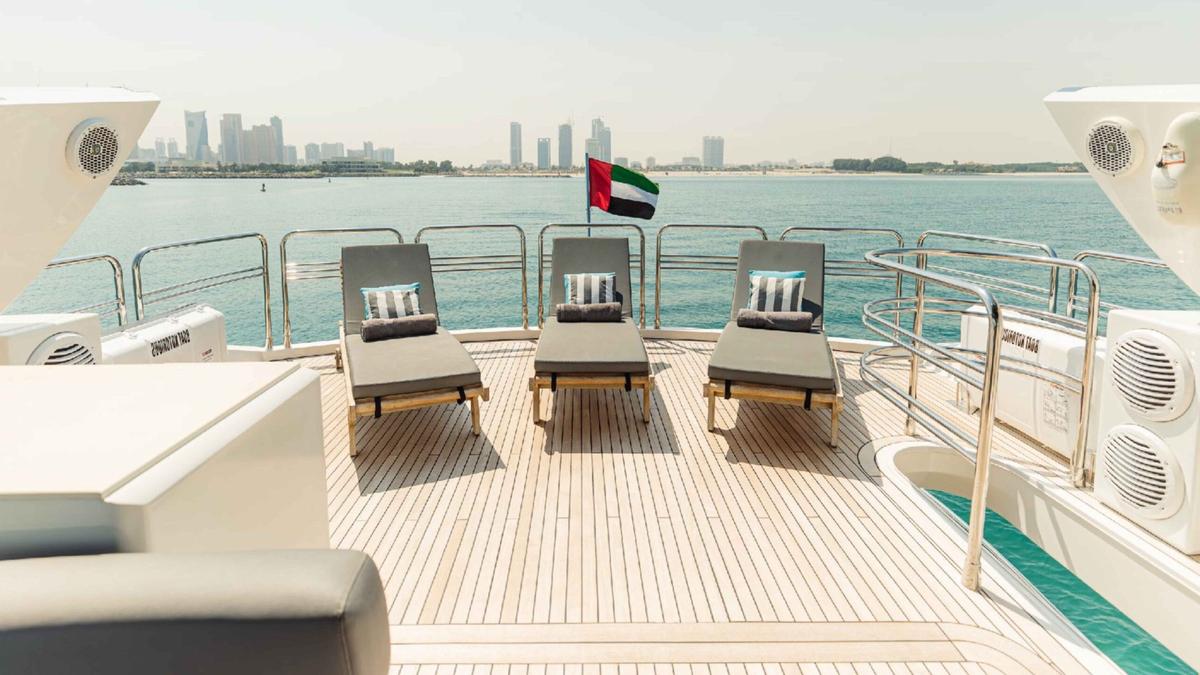
Commission a private yacht from one of the city's premium operators for a full-day sunset charter: departure from Dubai Marina at 4pm, circumnavigation of Palm Jumeirah with a swim stop in a cove on the Palm's outer crescent (where the water is clear and private), a gourmet dinner served on deck as the city lights activate at dusk, and arrival back at the Marina after 10pm. Superyachts in the 75–100 foot range, properly crewed, with a chef aboard, run AED 8,000–15,000 for a half-day charter. The experience is worth every dirham.
For those who want to combine a yacht experience with access to the World Islands — Dubai's extraordinarily ambitious archipelago of 300 private islands — the boutique resort Anantara World Islands (accessible only by boat or helicopter) offers a private island dinner experience through their concierge team that is genuinely spectacular.
The Art Circuit
Dubai has a contemporary art scene of genuine international significance that most luxury travelers never see. The Haute Black circuit takes an afternoon and reveals a city that runs several layers deep beneath the shopping mall surface.
Alserkal Avenue (Al Quoz): 70+ galleries and cultural spaces converted from industrial warehouses. The Concrete space — the only UAE project by Pritzker Prize-winning architect Rem Koolhaas — anchors the district. Ayyam Gallery champions Syrian and Middle Eastern artists; Green Art Gallery has been placing regional art in international collections since 1995. Come on a Thursday evening when the district is fully activated.
DIFC Gate Village: The financial district's art ecosystem — blue-chip galleries among the glass towers, regularly punctuated by DIFC Art Nights (April) where the entire district transforms into an open-air gallery. The Lawrie Shabibi gallery represents some of the most important artists working in the Arab and Iranian traditions.
Art Dubai (Madinat Jumeirah, March): The flagship event of the city's art season: 100+ galleries from 50+ countries, collector tours, and an extraordinary energy that makes late March the single best week to be in Dubai. Book your hotel 4–6 months ahead for this period.
Cultural Dubai: Al Fahidi & the Creek
This is the Dubai that existed before the skyscrapers and that quietly continues to exist alongside them. The Al Fahidi Historical Neighbourhood — a warren of wind-tower architecture, coral-and-gypsum walls, and shaded courtyards dating to the early 20th century — is a 20-minute drive from Downtown and feels like a different world. Hire a private guide with the Dubai Heritage Foundation rather than doing this walk independently: context transforms the experience from a pleasant stroll into an understanding of what this city's culture actually is.
From Al Fahidi, a traditional wooden abra (water taxi) crosses the Dubai Creek for AED 1 per person to the Deira Gold and Spice Souks. The Gold Souk is the world's largest — 300+ shops — and is worth an hour not for the shopping (the prices are no longer what they were) but for the sheer scale of what 10 metric tons of gold on display looks like. The Spice Souk across the lane is extraordinary: frankincense, saffron, rosewater, and za'atar piled in open sacks, merchants who know their trade.
Private Helicopter Tour
The view from ground level does not prepare you for what Dubai looks like from the air. The Palm's fractal leaf pattern, the World Islands' geography, the way the city simply stops at the desert's edge — none of it makes the same sense until you're 1,000 feet above it. Helicopter charters are bookable through tour operators based at Dubai Helipad or direct through your hotel concierge. A private 30-minute tour covers the key landmarks and runs approximately AED 3,500 per person. For special occasions, sunset departure followed by dinner at a rooftop bar is a choreography that never fails.
The Museum of the Future
Opened in 2022 and designed by Shaun Killa (who also designed Jumeirah Marsa Al Arab), the Museum of the Future is one of the most architecturally remarkable buildings on the planet — a torus-shaped, stainless steel structure covered in Arabic calligraphy that changes meaning as the sun moves across it. The interior — focused on speculative futures across climate, biotechnology, and consciousness — is as extraordinary as the exterior. Book the 'OSS Hope' experience, an immersive journey to a hypothetical space station of 2071, rather than the general entry. Private evening tours are available through the museum's concierge for groups who want the full building without the crowds.
Shopping & Style
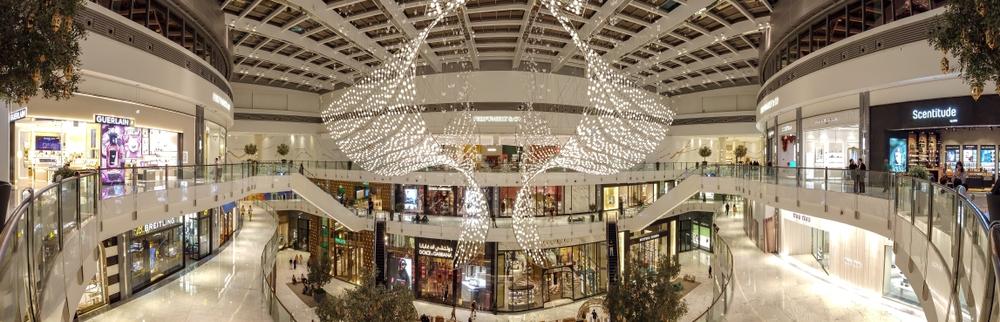
Dubai's shopping narrative — the Dubai Mall, the Mall of the Emirates, gold and designer goods in improbable quantities — is not wrong, but it's not the Haute Black version of shopping in Dubai. The mall experience is impressive as infrastructure; it is not where the interesting buying happens.
The Non-Obvious
Dubai Design District (d3): Home to emerging regional designers, brand showrooms, and the kind of fashion that hasn't reached international stockists yet. Several Emirati and Gulf designers work from d3 — ask about private showroom appointments through the district's visitor concierge.
Gold Souk (Deira): The world's largest gold market and, for those who know how to buy, one of the best places in the world to commission custom jewelry at prices that make European luxury brands look opportunistic. Bring a design reference, understand that price is negotiable, and give yourself two days to come back for the finished piece.
Alserkal Avenue galleries: If you're a collector, the galleries here — Ayyam, Green Art, Carbon 12, Custot Gallery — represent serious acquisition opportunities in the Middle Eastern art market. This is pre-international-recognition pricing for artists who are already internationally collected.
Dubai Mall Fashion Avenue: If you need the international flagships — Chanel, Hermès, Louis Vuitton, Dior — the Fashion Avenue's private shopping service (request through the personal shopping desk on Level 2) provides closed-door access, personal styling, and VIP lounge privileges. This is how you do Dubai Mall without the Dubai Mall experience.
Getting There & Getting Around
Arriving
Emirates Business Class on the A380 upper deck between New York (JFK) and Dubai (DXB) is, in the considered opinion of this guide, the finest commercial business class product in the world. The private suites, the onboard bar, the dedicated lounge at DXB — it is an arrival that puts you in the right mindset. If Emirates is not bookable on your preferred route, Etihad's Business Class Studios on their widebody aircraft from Washington Dulles or Los Angeles are the alternative.
Dubai International Airport (DXB) is impeccably run. Use the Al Majlis priority lane for immigration — it's available to all first and business class passengers and cuts the otherwise interminable immigration queue to approximately five minutes. Your hotel will arrange a meet-and-greet if you're staying at any of the properties in this guide; use it, particularly on your first visit.
Moving Around
Get a private car from day one. Dubai was not built for walking or public transit — it was built for vehicles, and the distances involved (the Marina to DIFC is 20 minutes in traffic; the Marina to the old city is 40 minutes) make this non-negotiable. Your hotel concierge can arrange a dedicated car and driver for the full stay for approximately AED 800–1,200 per day — dramatically cheaper than repeated premium ride-share fares and infinitely more useful. If you prefer flexibility, Careem Black (the premium tier) is reliable and well-priced; Uber operates here but at the more budget tier.
One exception to the car rule: the Dubai Metro's Red Line, if you're going from Dubai Marina to Downtown Dubai, is fast, air-conditioned, and remarkably efficient — the VIP Gold Class carriage at the front of the train is the way to do it.
Haute Black Insider Intelligence
Ten things the other guides won't tell you:
Dubai's Friday is the equivalent of Sunday in most Western cities — the best brunch service, limited business, and a particular energy that's distinct from the rest of the week. Book the Friday brunch at a top hotel (the Atlantis The Royal's brunch is $250/person and worth it once; GAIA's is better value and better food) to experience the city's social rhythm properly.
Every luxury hotel in Dubai has a pool available to non-guests via a pool pass — typically AED 150–300 — that includes a dining credit. The Atlantis The Royal's pool, the CIEL's sky pool, and the Burj Al Arab's private beach are all accessible this way. Plan a pool day at a hotel you're not staying at.
Ramadan timing can be confusing. During the Holy Month (dates shift annually), restaurant hours change, alcohol service is restricted in certain periods, and the nighttime Iftar and Suhoor culture creates extraordinary social events around the city. Ramadan Dubai is a distinct and beautiful version of the city — don't avoid it, but plan accordingly.
The walk from Jumeirah Marsa Al Arab south along the beach to the Jumeirah Al Naseem and Jumeirah Al Qasr properties is one of the finest walks in the city — a private beach corridor of extraordinary hotels, with the Burj Al Arab visible the entire way. Do it at dusk.
DIFC operates on a different license to the rest of Dubai — bars here can serve until 3am on weekends, versus 2am elsewhere. The area's Gate Avenue is one of the finest outdoor dining and drinking areas in the city after midnight.
The Abu Dhabi day trip is better than it sounds: the Sheikh Zayed Grand Mosque (the largest mosque in the world outside of Mecca, and one of the most architecturally extraordinary buildings on the planet) is 90 minutes from Dubai by car, and worth the journey. Arrange a private driver for AED 600–800 return.
Currency: the UAE Dirham is pegged to the USD (AED 3.67 per dollar) and has been since 1997. Prices are real. A cocktail at a top bar is AED 80–150 ($22–41). A Michelin tasting menu is AED 600–1,500 ($163–$408) before wine. A suite at Atlantis The Royal starts at AED 4,000 per night ($1,090). This is genuinely global luxury pricing — it's not a bargain destination.
The dress code across Dubai's finest properties is business-smart to formal. Linen and cotton in neutral and dark tones travel well in the heat. For evening dining and bars, dress as you would for a Michelin restaurant in New York or London. For the desert and cultural sites, cover your shoulders and knees.
Dubai has a significant and visible Black professional community — African entrepreneurs, Caribbean expats, African-American executives — who navigate the city with fluency. The Dubai Frame offers one of the most disorienting views available: standing on the glass floor of the Frame looking 150 meters down while the old city is to your north and the new city to your south is a moment of genuine cultural duality that no other city can replicate.
The Haute Black travel team has relationships with the Director of Rooms at both Atlantis The Royal and Mandarin Oriental Downtown. For stays of five nights or more, booked direct through us, we can usually arrange complimentary suite upgrades and dining credits that are not available through any booking channel.
Ready to Experience Dubai the Haute Black Way?
Our travel concierge team can arrange every recommendation in this guide — from priority reservations at Trèsind Studio and FZN to private desert camps in the Liwa Oasis, yacht charters with onboard chefs, and preferred room upgrades at our partner properties. Haute Black members receive access to rates, room categories, and experiences that are not available through any other channel.
Dubai: The City That Refuses To Impress You Gently — Frequently Asked Questions
November through March offers the most comfortable weather — warm days, cool evenings, and zero humidity. This is peak season for Dubai's finest hotels, restaurants, and desert experiences. Summer months (June–September) bring extreme heat but also significant hotel rate reductions.
Atlantis The Royal is the city's most ambitious new property. The Bvlgari Resort Dubai on Jumeira Bay Island offers the most refined Mediterranean-inspired experience. For classic Dubai luxury, the One&Only Royal Mirage and Armani Hotel Dubai in the Burj Khalifa remain definitive choices.
Trèsind Studio — a ten-seat, twenty-course Indian fine dining experience — is widely regarded as the city's most exceptional table. STAY by Yannick Alléno, FZN, and Ossiano at Atlantis also rank among the most compelling dining experiences in the Middle East.
Yes. Our concierge team arranges priority reservations at Trèsind Studio and FZN, private desert camps in the Liwa Oasis, yacht charters with onboard chefs, and preferred room upgrades at partner properties — including rates, room categories, and experiences unavailable through other channels.
Related Reading


From the Journal


Your Journey Starts Here
Ready to Experience This
the Haute Black Way?
Our travel concierge team can arrange every recommendation in this guide — from priority reservations to private experiences and preferred room upgrades.
Begin Your Journey