Haute Black Journal
Luxury Travel Escapes: 10 Signature Journeys for 2026

Marlene Azeez
Director, HauteBlack
View all articles →

A principal steps from a private jet onto a waiting helicopter, with the first lodge, island villa, or mountain estate already prepared for arrival. There's no queue to deal with, no repeated preferences to explain, and no uncertainty about whether the transfer will connect with check-in. The journey begins with control.
That standard defines these luxury travel escapes for 2026. The strongest itineraries combine genuine exclusivity, verifiable access, seasonal fit, and service that continues after the reservation is confirmed. A private villa without the right staff can feel inconvenient. A remote lodge without properly timed aviation can consume a day. A celebrated resort without meaningful recognition may offer less than a quieter property with the right advisor behind it.
The ten journeys below pair each setting with the practical steps that make it work, including private aviation, preferred-partner benefits, upgrades when available, resort credits, private dining, cultural access, and concierge coordination. Some are designed for couples, others for families, executives, or collectors. The common thread is depth. You're not just booking a beautiful room. You're building an itinerary around an anchor experience and making every transition feel intentional.
1. Private Island Escapes in French Polynesia
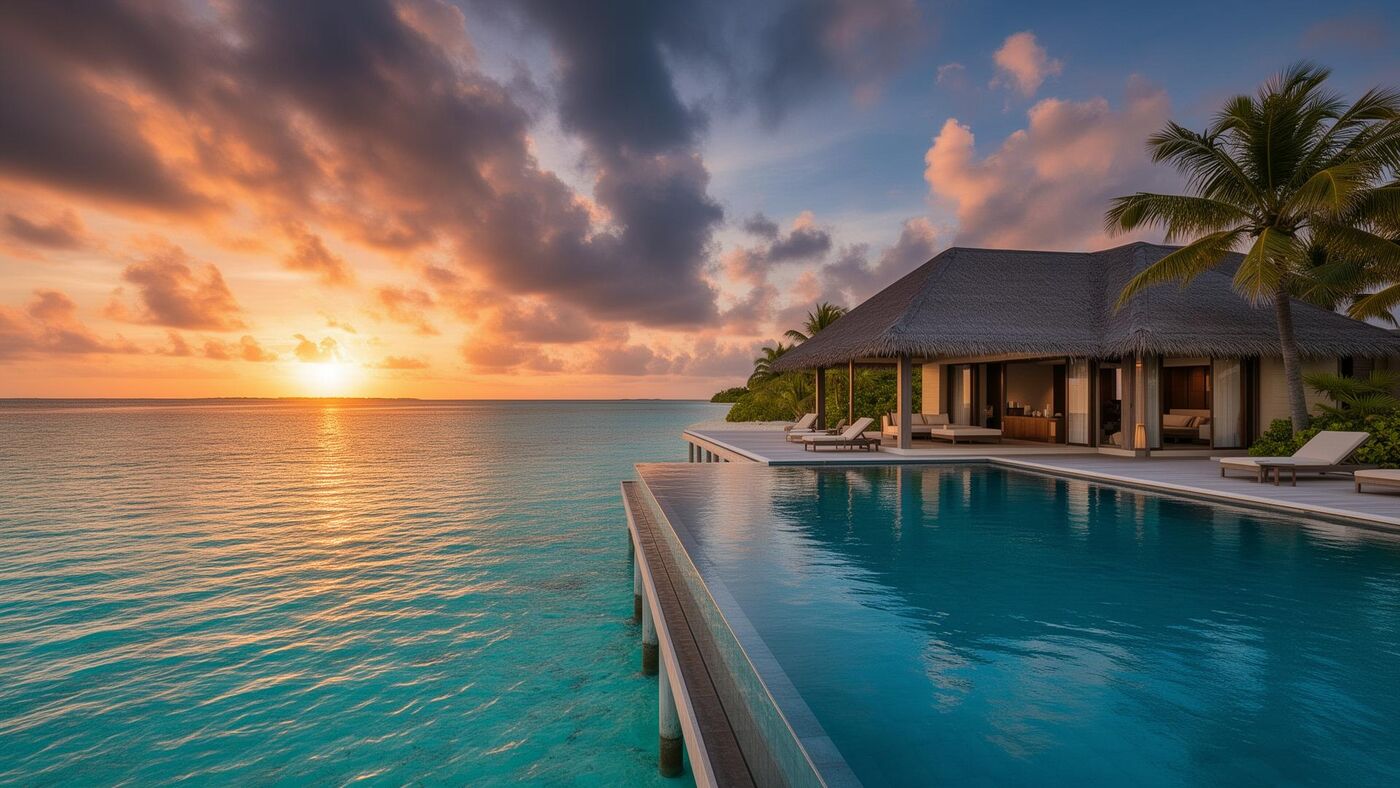
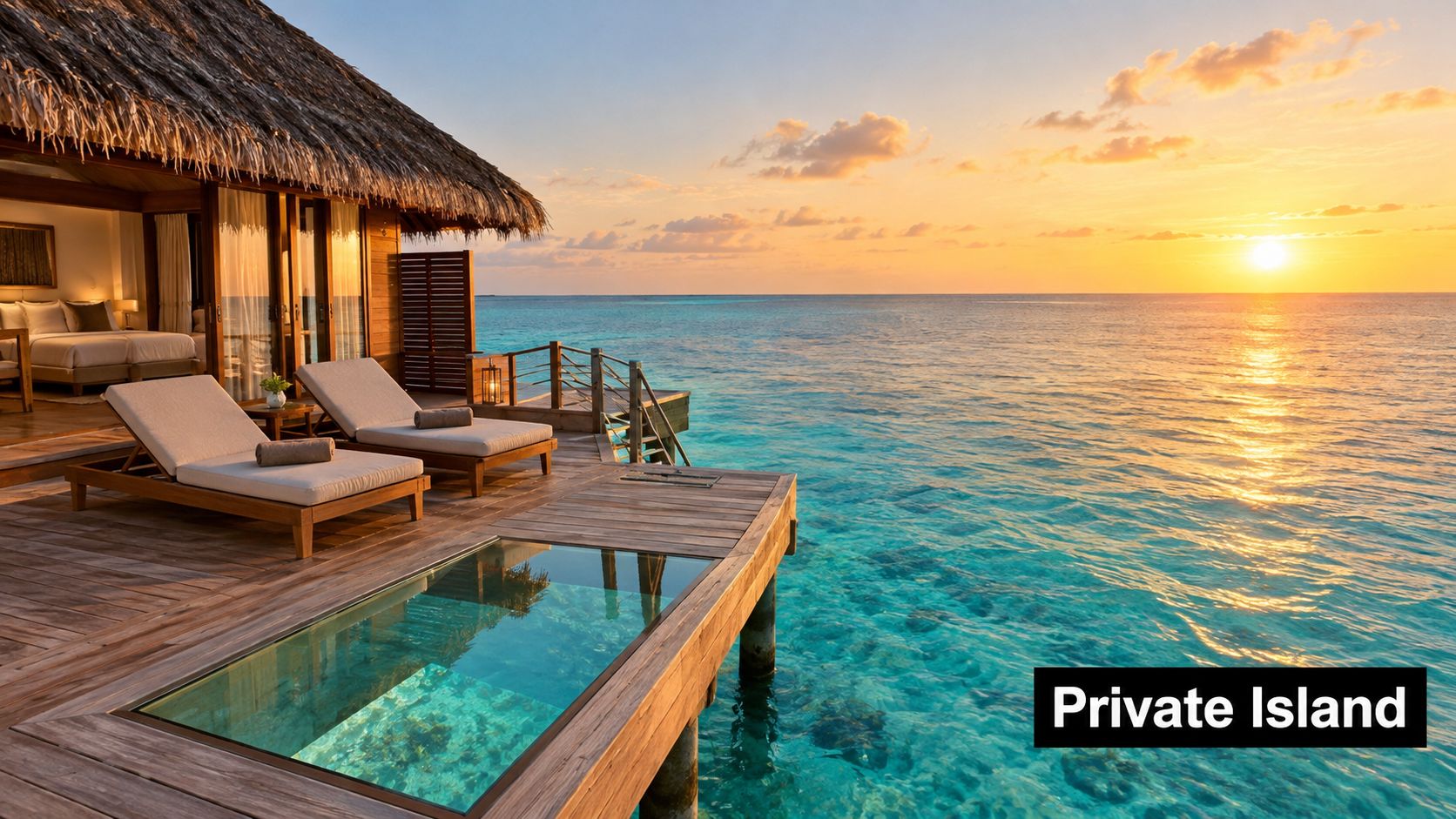
French Polynesia works best when the itinerary gives water, privacy, and culture equal weight. Begin with an overwater villa in Bora Bora, Tahiti, or Moorea, then let the pace slow around private lagoon access, reef time, and meals prepared for the occasion rather than selected from a standard schedule.
The Brando on Tetiaroa offers an especially distinctive version of island seclusion, with beachfront villas, dedicated service, and an atoll setting that keeps the scenery central. Four Seasons Bora Bora suits travelers who want overwater accommodation with strong resort infrastructure and access to preferred-partner recognition. Aman's Polynesian properties appeal to clients who value restrained design, quiet service, and cultural programming over spectacle.
Practical rule: Secure the island stay before adding flights, excursions, or celebrations. The best villa categories determine the rest of the plan.
Peak travel from June through August should be reserved 6 to 12 months ahead, particularly for specific villa locations and multi-room family bookings. HauteBlack's private island guide is useful when comparing exclusive-use villas with resort accommodation and deciding where staffing matters most.
Haute Jets can coordinate the private aviation component, while a dedicated advisor arranges underwater photography, a private chef, or a locally rooted cultural encounter. A longer Polynesian journey can include Fiji or the Cook Islands, but only if the additional flight time adds contrast. Otherwise, staying longer in one lagoon often creates the more restorative escape.
2. Swiss Alpine Private Chalet Experiences
A Swiss chalet is less about the room than the operating system around it. In Verbier, St. Moritz, or Zermatt, private staff, equipment logistics, dining reservations, and weather decisions determine whether the stay feels effortless or fragmented.
For winter, anchor the itinerary around a chalet with direct access to the mountain programme you want. A strong skier may need proximity to lifts and a private instructor. A family may value separate bedrooms, a staffed kitchen, and an indoor wellness space more than ski-in access. Non-skiers should have their own rhythm, with spa appointments, scenic rail journeys, mountain dining, or helicopter sightseeing planned before arrival.
Badrutt's Palace St. Moritz brings heritage and a private-villa option into the equation, while The Chedi Andermatt offers a contemporary mountain base with substantial wellness facilities. HauteBlack's estate partners in Verbier and Zermatt can be better suited to groups that need a private staff structure rather than a conventional hotel stay.
The seasonal choice is straightforward. Skiing belongs to December through March, while hiking is strongest from June through September. Book private instructors and Michelin-starred tables months ahead, then coordinate helicopter transfers only after checking weather flexibility and landing permissions. A helicopter is valuable when it replaces a long transfer or opens up a mountain lunch. It isn't automatically better if it adds complexity to a short stay.
Preferred-partner benefits may include complimentary upgrades when available, resort credits, and coordinated arrivals, but confirm the exact inclusions before you commit. The value lies in aligning the chalet, service team, and mountain access, not in collecting perks that don't improve the trip.
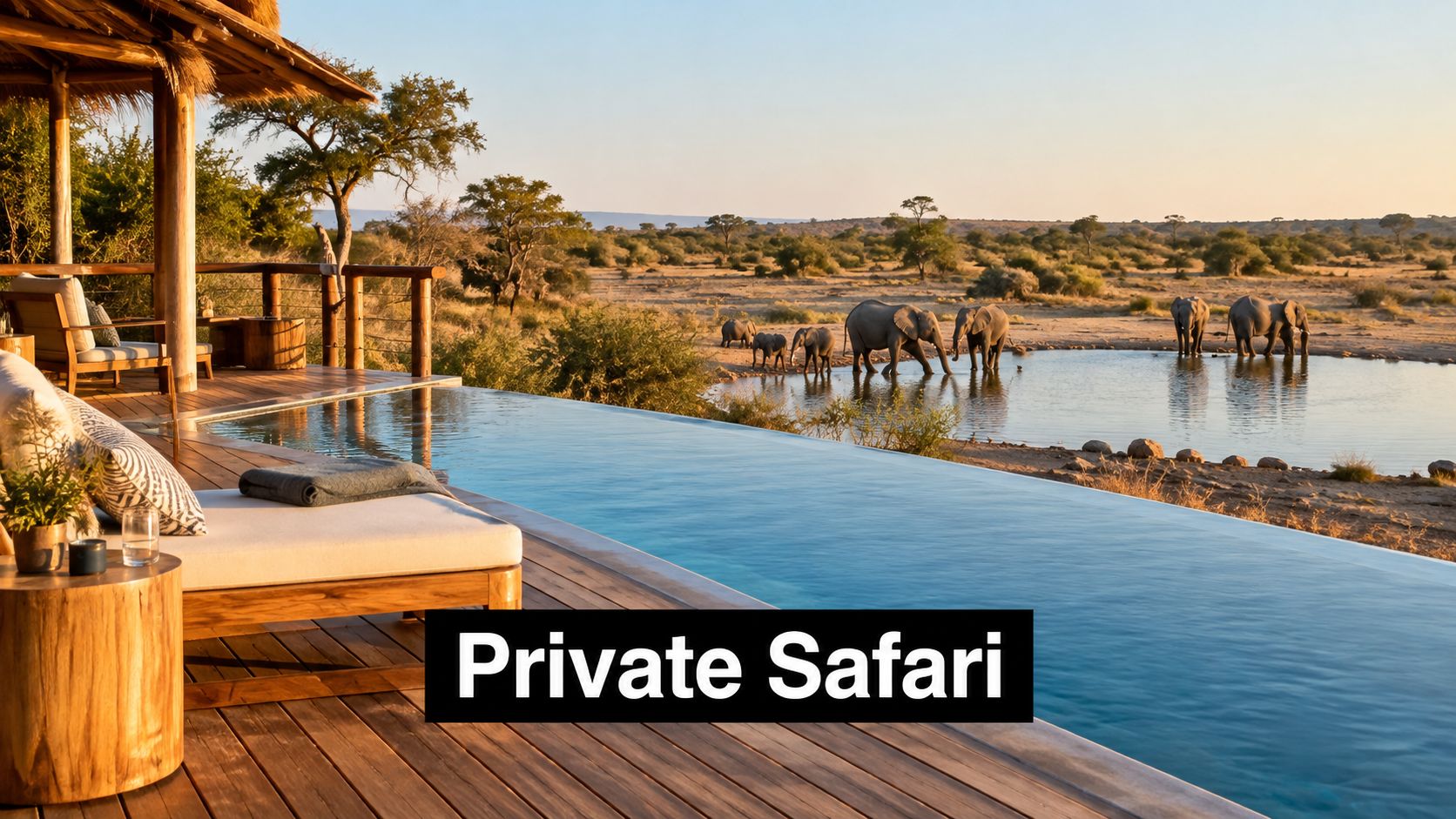
3. Private Safari and Game Reserve Experiences in Southern Africa
A safari should be built as a sequence of ecosystems, not a series of attractive lodges. Start with the wildlife experience that matters most, then choose the anchor camp and work outward through internal flights, airstrip transfers, and recovery time.
Botswana's Okavango Delta offers water-based viewing and an intimate sense of place. South Africa can provide strong lodge infrastructure and easier combinations with Cape Town or the Winelands. Zimbabwe and Namibia introduce different terrain and conservation contexts. Singita, Belmond Safari Lodges, Wilderness Safaris, and Four Seasons Safari Lodge in the Serengeti each create a different balance between hospitality, guiding, privacy, and activity design.
The dry season from May through September is often selected for wildlife viewing, but the best timing depends on the ecosystem and the species priority. A professional wildlife photographer can transform a game drive, provided the itinerary leaves enough time for patient observation rather than forcing a packed schedule.
Private aviation is most useful when it protects the safari rhythm. It should reduce road transfers and connect lodges cleanly, not turn every movement into a separate event.
A multi-lodge route from Kruger to the Okavango can work beautifully when each property offers a genuine contrast. It works poorly when travelers change camps too often and spend their best viewing hours in transit. Community engagement with Maasai, Zulu, or San communities should be arranged through reputable local partners, with clear consent and community benefit rather than staged encounters.
Haute Jets can coordinate airstrip transfers and aircraft timing, while HauteBlack's guide to exclusive African safari tours provides a useful starting point for shaping a private lodge journey.
4. Maldivian Private Resort and Underwater Living Experiences
The Maldives rewards travelers who decide what the ocean should do for the itinerary. An underwater bedroom is visually memorable, but it shouldn't replace time on a house reef, a private yacht, or a sandbank reached without a crowded excursion schedule.
The Muraka at Conrad Rangali Island remains a defining example of underwater accommodation. Soneva Jani offers a different type of theatre, with retractable roofs and a strong emphasis on private space. Six Senses Laamu suits travelers who want marine experiences integrated with a sustainability-led resort model, while Amilla Fushi brings a private-island sensibility to a more contemporary setting.
Plan the arrival and departure carefully. Seaplane and speedboat connections can determine how much usable time remains on the first and last day, and weather can affect the most ambitious water activities. A two-resort stay can create contrast, but moving too frequently works against the stillness that makes the Maldives worthwhile.
The ideal dry-season window is generally November through April. Underwater villas should be requested 12 or more months ahead when a particular suite matters. Professional diving guides can arrange house-reef explorations, while a private yacht can cover sunset fishing, dolphin watching, and quieter reef locations.
The underwater element works best as one part of a broader marine itinerary. For travelers fascinated by manta rays, Kona's exclusive manta experience offers a useful comparison point when considering how a specialist-led encounter can add depth beyond the resort itself.
5. Italian Coastal Villa Retreats with Private Chef and Cultural Programming
Italy is at its best when the itinerary alternates between a beautiful base and a reason to leave it. A private villa on the Amalfi Coast, Cinque Terre, or Italian Riviera can provide the privacy, staffing, and dining flexibility that a hotel suite can't match. The trade-off is that roads, stairs, boat schedules, and seasonal congestion need active management.
Begin with the coastal anchor. Belmond Hotel Caruso in Ravello offers clifftop atmosphere and a private-villa option, while Four Seasons Hotel Milano and Villa d'Este, Como, create a stronger urban and lake combination. Private Amalfi Coast villas suit families and groups who want a private chef, separate living areas, and flexible mealtimes. Rosewood Castiglion del Bosco can then shift the journey toward Tuscan wine, scenic beauty, and slower days.
A two-centre itinerary often works better than trying to cover every celebrated town. Add Portofino, Lake Como, or Cinque Terre as a private-transfer day only when the route remains comfortable. A private docent at the Uffizi Gallery, Vatican Museums, or a regional collection can turn a familiar sightseeing stop into a focused cultural encounter.
Build the itinerary around the table
Private dining should be more than a famous name added to the proposal. Match the chef to the group, the villa kitchen, and the desired level of formality. A meal influenced by Daniel Boulud or Thomas Keller partnerships may suit a celebratory dinner, while a local chef who shops in the morning can offer a more authentic expression of the region.
Time the trip around an event only if the event is central. The Venice Biennale and Palio di Siena can provide genuine cultural energy, but they also create pressure on availability and transfers. Preferred-partner benefits, such as upgrades when available and resort credits, are most useful when they support the anchor stay rather than distract from it.
6. Private Villa Communities in Bali and Southeast Asian Destinations
Bali, Thailand, and Vietnam reward a slower style of luxury travel. The strongest private villa journeys don't chase a new restaurant or temple every day. They create enough continuity for the staff, wellness practitioners, guides, and local hosts to understand the traveler's preferences.
Aman Villas in Bali offer a restrained interpretation of private hospitality, while Alila Private Villas can suit travelers looking for contemporary design with cultural programming. Four Seasons Private Residences across Southeast Asia provide a useful option for families who need service infrastructure and flexible space. Rosewood Residences in Bangkok are better for an urban extension, particularly when the itinerary combines city dining, shopping, and regional travel.
Dry-season travel from April through October is generally the easiest period for outdoor programming, but the right dates still depend on the exact island and activity. A multi-week stay can create more value than a quick resort hop. It gives the advisor time to arrange private yoga and meditation with certified Balinese masters, cooking classes with market visits, artisan workshops, and carefully handled temple access.
Access should be reciprocal: a private cultural encounter is stronger when local hosts control the format, receive fair compensation, and aren't treated as scenery.
Families may want a private villa compound with a dedicated cook and separate sleeping areas. Couples may prefer a smaller residence with a private spa and fewer formal activities. A temple visit should include guidance on dress, conduct, and photography. The details are not administrative overhead. They're what allow the experience to feel respectful and unforced.
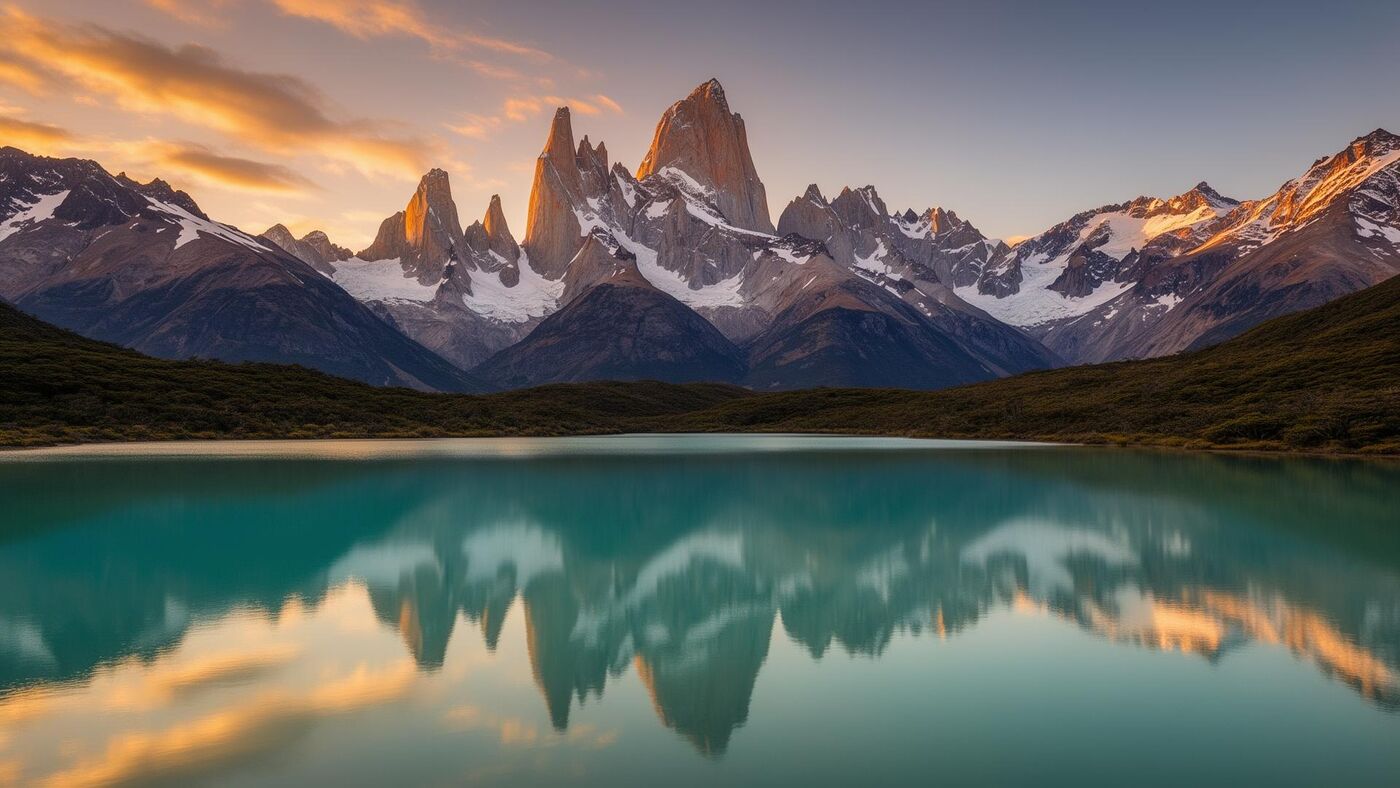
7. Patagonian Adventure Lodges with Private Exploration Access
Patagonia is a poor choice for travelers who want every day to be predictable. It is ideal for clients who accept changing weather in exchange for access to scenery that can't be replicated elsewhere. The luxury lies in having a capable team adjust the plan without reducing the sense of purpose.
Explora Patagonia pioneered an all-inclusive adventure-lodge model built around guided exploration. The Singular Patagonia offers a historic setting in Puerto Bories with access to expedition-style activities. Eolo Patagonia's Spirit provides an estancia environment with adventure programming and helicopter possibilities, while Belmond Singular Santiago can serve as a polished city extension before or after the wilderness portion.
The December through March window is commonly selected for peak access, and key lodges should be reserved 6 to 12 months ahead. A genuine Patagonia itinerary needs time. A 7 to 10 day minimum allows travelers to include El Calafate, El Chaltén, or Torres del Paine without turning every day into a transfer.
The best sequence begins with the anchor lodge, followed by internal flights, private guides, and any helicopter exploration. Haute Jets can support the aviation plan, but aircraft availability and weather must remain flexible. Professional photography equipment is worth carrying for committed photographers, although a specialist rental can simplify luggage.
Don't overpromise access. Trails, glaciers, and mountain landings depend on conditions. A strong advisor builds a primary route and credible alternatives, then gives the lodge team authority to make the final call locally.
8. Japanese Ryokan and Kaiseki Culinary Experiences
Japan rewards precision, restraint, and enough time to notice detail. A luxury itinerary should not treat a ryokan as a decorative overnight between larger destinations. The accommodation, meal sequence, bathing ritual, and cultural encounter need to operate as one experience.
Aman Kyoto integrates contemporary comfort with a traditional aesthetic and a strong sense of place. The Ritz-Carlton Kyoto offers an urban base with a kaiseki programme, while Beniya Mukayu in Kanazawa brings a traditional form of hospitality supported by a multigenerational ownership story. Four Seasons Hotel Kyoto can add private temple access and a more familiar full-service environment for travelers combining cultural immersion with modern convenience.
Shoulder seasons in April through May and September through October can offer a balanced approach to conditions and demand. Coordinate private tea instruction with certified masters, and request vegetarian kaiseki adaptations or Shojin-ryori when appropriate. Dietary requirements need to be communicated early. A last-minute request can limit the chef's ability to preserve the intended structure of the meal.
A four- or five-night minimum gives Kyoto, Tokyo, and Hakone enough breathing room. Add pottery in Bizen, weaving in Kyoto, or calligraphy in Tokyo only when the traveler wants participation rather than observation. The best artisan workshops are intimate, and the host's teaching style should match the guest's patience and interest.
For a broader route, HauteBlack's luxury Japan travel guide can help frame the balance between ryokan stays, city hotels, private guides, and cultural access. Confirm VIP recognition and any available hotel benefits before finalizing the room mix.
9. Private Aviation and Ground Transportation Network Integration
Private aviation should solve a problem before it creates a convenience. The right flight removes a difficult road transfer, protects a short seasonal window, or connects properties that commercial schedules make impractical. The wrong flight adds repositioning, weather exposure, and cost without improving the experience.
Haute Jets supports bespoke point-to-point aviation, helicopter transfers, and coordinated ground transportation across more than 120 countries. That network is most valuable when one aviation advisor owns the handoffs. A Mediterranean island journey may require a private aircraft, a short helicopter transfer, a yacht, and a property vehicle. Each segment needs to reflect the next reservation, not operate as a separate booking.
Where coordination matters most
- Property timing: Match aircraft arrival to check-in, villa staffing, and meal service rather than landing before the destination can receive the party.
- Remote access: Use helicopters for mountain lodges, private airstrips, or remote resorts when they materially reduce transit time.
- Weather flexibility: Keep alternatives available for alpine and island routes where conditions can change.
- Ground continuity: Assign one team to manage luggage, vehicles, security preferences, and passenger details across borders.
Annual or semi-annual flight-hour blocks may suit travelers who already understand their travel pattern, but they shouldn't be purchased before reviewing flexibility, aircraft type, and route needs. Carbon-offset programmes can be requested, although responsible planning also means reducing unnecessary sectors and choosing a route that uses each flight purposefully.
The most polished arrival is almost invisible. The driver knows the aircraft, the hotel knows the dietary profile, and the advisor has a backup when weather changes the landing plan.
10. Curated Art, Wine, and Cultural Collector Experiences
A collector journey should be organized around access, not accumulation. The objective isn't to place a private museum visit, vineyard tasting, and gallery dinner into the same week. It's to create a coherent point of view, such as Renaissance art and Tuscan estates, contemporary galleries and Bordeaux, or design and the Venice Biennale.
HauteBlack's advisor network can coordinate private Louvre tours with Paris-based specialists, private access at the Uffizi Gallery and Vatican Museums through Florence partnerships, and vineyard visits at Château Lafite-Rothschild with proprietor engagement where available. Venice Biennale opening-week access can be combined with artist introductions, private dinners, and a quieter stay away from the busiest event corridors.
Major art weeks provide a natural anchor. Art Basel takes place in Miami, Basel, and Hong Kong, Frieze has editions including London and Los Angeles, and the Venice Biennale is held in odd-numbered years. Availability is not automatic. Request private museum access 8 to 12 weeks ahead, and allow additional time for specialist curators, acquisition advice, and artist studio visits.
A wine itinerary should include more than cellar architecture. Ask for a master class suited to the traveler's knowledge, a meal that explains the region, and a transport plan that avoids rushed tastings. Girard Winery's private tastings illustrate how a focused producer visit can become the centre of a day rather than a brief stop between hotels.
The strongest cultural journeys leave room for conversation. Intimate dinners with curators, artists, and cultural philanthropists can be more valuable than another formal tour, particularly when the advisor understands the guest's collecting interests before making introductions.
Top 10 Luxury Travel Escapes Comparison
| Experience | Implementation Complexity 🔄 | Resource Requirements ⚡ | Expected Outcomes / Impact 📊 | Ideal Use Cases 💡 | Key Advantages ⭐ |
|---|---|---|---|---|---|
| Private Island Escapes in French Polynesia | 🔄 Very high, long-haul travel, private yacht/jet and bespoke logistics; long lead times | ⚡ Very high, $10,000–$50,000+/night; private staff, yachts, conservation fees | 📊 ⭐⭐⭐⭐, unrivaled privacy, reef access, high romantic/photography impact | Honeymoons, celebrity escapes, executive wellness | Ultimate seclusion, direct reef access, bespoke dining & staff |
| Swiss Alpine Private Chalet Experiences | 🔄 High, seasonal staffing, heli ops, mountain safety coordination | ⚡ High, year‑round staffing, helicopter access, property ops | 📊 ⭐⭐⭐⭐, world‑class skiing/summer activities and exclusive social access | Luxury skiing, executive retreats, multi‑gen family vacations | Alpine access, security, Michelin‑level culinary experiences |
| Private Safari & Game Reserve (Southern Africa) | 🔄 Medium–High, bush logistics, private airstrips, conservation permits | ⚡ High, $3,000–$15,000+/person/night; guides, vehicles, heli options | 📊 ⭐⭐⭐⭐, exceptional wildlife viewing, conservation education, photo opportunities | Wildlife enthusiasts, photographers, conservation‑minded travelers | Exclusive wildlife density, naturalist‑led programs, conservation integration |
| Maldivian Private Resort & Underwater Living | 🔄 High, specialized engineering for underwater suites, submarine ops, remote transfers | ⚡ Very high, $15,000–$50,000+/night; submarines, yachts, specialist staff | 📊 ⭐⭐⭐⭐, unique underwater immersion, superb marine visibility, high exclusivity | Underwater enthusiasts, ultra‑luxury honeymooners, marine aficionados | One‑of‑a‑kind underwater experiences, pristine reefs, maximum privacy |
| Italian Coastal Villa Retreats | 🔄 Medium, seasonal bookings, private transfers (yacht/heli), local logistics | ⚡ High, private chefs, museum access, peak‑season premiums | 📊 ⭐⭐⭐⭐, deep culinary and cultural immersion with scenic heritage impact | Art & food lovers, romantic couples, cultural family vacations | Historic architecture, Michelin dining, private cultural access |
| Private Villa Communities in Bali & SE Asia | 🔄 Medium, long‑stay coordination, community memberships, wellness programming | ⚡ Moderate–High, $5,000–$20,000/night; resident staff, wellness practitioners | 📊 ⭐⭐⭐, strong wellness and cultural immersion; cost‑effective vs Western markets | Wellness retreats, extended sabbaticals, creative residencies | High staff‑to‑guest ratios, authentic cultural programs, value for service |
| Patagonian Adventure Lodges | 🔄 High, remote logistics, weather contingencies, heli/boat coordination | ⚡ High, heli transfers, expedition guides, all‑inclusive operations | 📊 ⭐⭐⭐⭐, transformative wilderness immersion and photography potential | Adventure seekers, photographers, eco‑conscious executives | Pristine wilderness access, expert guides, all‑inclusive expedition model |
| Japanese Ryokan & Kaiseki Culinary Experiences | 🔄 Medium, cultural protocols, seasonal demand and strict timing | ⚡ Moderate, high culinary/staff costs; $3,000–$8,000+/night typical for top ryokans | 📊 ⭐⭐⭐⭐, authentic cultural immersion, culinary mastery, wellness benefits | Culture & culinary travelers, wellness seekers, art aficionados | Centuries‑old hospitality, kaiseki mastery, private onsen and ritualized service |
| Private Aviation & Ground Transportation Integration | 🔄 Very high, synchronized multi‑leg scheduling, time‑zone coordination, staffing | ⚡ Very high, $8,000–$20,000+/flight hour; fleet, dedicated advisors, ground fleets | 📊 ⭐⭐⭐⭐, major time savings, itinerary flexibility, enhanced privacy/security | UHNWIs with time constraints, C‑suite multi‑destination trips | Seamless logistics, time optimization, controlled privacy and security |
| Curated Art, Wine & Cultural Collector Experiences | 🔄 Medium–High, advance approvals, collector coordination, timed access | ⚡ High, private docent fees, vineyard/collector access, significant lead time | 📊 ⭐⭐⭐⭐, exclusive cultural access, acquisition opportunities, educational impact | Art collectors, cultural philanthropists, multi‑gen educational travel | Direct institutional access, acquisition support, bespoke cultural programming |
Turn These Escapes Into a Booked Itinerary
Start with the travel window, not the destination list. Select two or three escapes that match the season, the group's interests, and the level of movement everyone will tolerate. A couple seeking privacy may choose French Polynesia and Japan. A family may prefer a Swiss chalet followed by an Italian villa. An executive with limited time may gain more from one well-operated safari circuit than from a rushed multi-country route.
Then identify the anchor experience. That might be a specific overwater villa, a private safari camp, a ryokan with a particular kaiseki tradition, an art-week opening, or a helicopter-accessed Patagonian lodge. Secure that first. MyPerfectStay's itinerary guidance is a useful reminder that a personalized journey depends on sequencing, not on collecting desirable properties.
Once the anchor is confirmed, ask a dedicated HauteBlack advisor to validate the aviation plan, transfer timing, room categories, and VIP benefits. HauteBlack operates as a Virtuoso-affiliated agency with preferred-partner status at more than 500 properties, including Four Seasons, Aman, Rosewood, Belmond, and Ritz-Carlton. Depending on the property and availability, benefits can include upgrades, resort credits, flexible arrival privileges, and stronger recognition at check-in.
Members receive a dedicated advisor and waived planning fees, while non-members can still book signature journeys and tailor-made trips. The difference matters most when the itinerary involves private villas, complex transfers, family preferences, or access that needs to be requested rather than purchased online. A good advisor should explain what is confirmed, what is requested, and what remains dependent on weather, availability, or local permissions.
For honeymooners, the sequence is particularly important. Define the emotional priorities first, such as wildlife, privacy, beach recovery, food, or walking. Secure the anchor camp or resort, build flights and transfers around it, and add private dinners, spa rituals, and celebration details only after the core rhythm works. This approach protects the experience from becoming a decorated chain of bookings.
Sustainability also deserves a practical test. Ask properties for independently verified emissions information, water policies, renewable-energy details, local hiring, sourcing practices, conservation outcomes, and community-benefit mechanisms. A remote private-island escape may create more aviation impact than a high-end urban hotel, while a shoulder-season itinerary may shift pressure rather than reduce it. Responsible luxury means understanding what your spending supports, not accepting a green label without evidence.
Finally, keep the profile alive after the trip. Record room preferences, transfer tolerance, dietary requirements, celebration dates, preferred guides, privacy expectations, and the moments that felt overproduced. Affluent travelers often plan several leisure journeys in a year. A well-maintained profile turns each successful escape into a more precise starting point for the next one.
If the brief is clear, the process can be simple: choose the experiences, confirm the access, protect the transitions, and leave enough space for the destination to show you something unexpected.
HauteBlack creates bespoke luxury travel escapes across more than 120 countries, coordinating preferred hotel benefits, private villas, Haute Jets aviation, cultural access, dining, and ground transportation. For a 2026 journey built around one anchor experience, visit HauteBlack and request an advisor-led itinerary.
Explore Our Guides
Signature Experiences