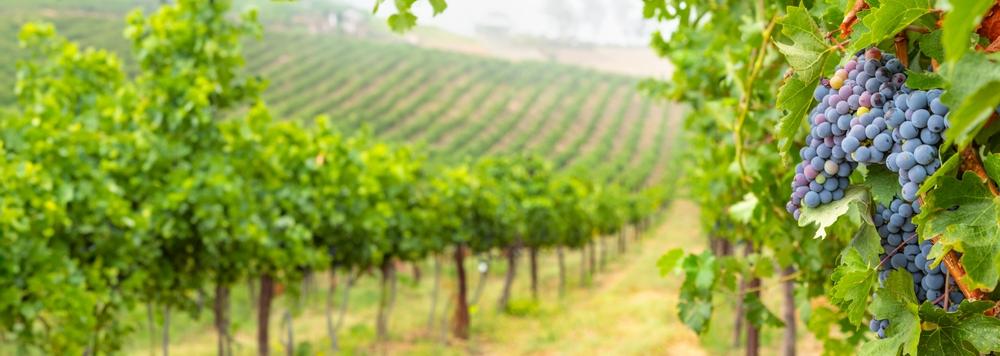
Napa Valley: More Than Wine

Angelika Semilof
Travel Writer
The cliché about Napa Valley is that it's America's answer to the French wine country — rolling golden hills, estate châteaux, tasting rooms pouring library vintages on sun-drenched terraces. The cliché is not wrong. What it leaves out is the sophistication that has quietly settled into the valley over the past decade: Michelin-starred restaurants that rival anything in New York or San Francisco, hotel properties operating at a level of discreet luxury that would be unremarkable in Tuscany or Burgundy, and a wine culture that has moved far beyond the casual tourist circuit into something genuinely serious.
Napa is compact — roughly 30 miles from the city of Napa in the south to Calistoga in the north, navigable in an hour without traffic. What it lacks in scale it compensates for in density. More world-class cabernet sauvignon is produced within this corridor than anywhere else in the Western Hemisphere. The Michelin Guide has recognized restaurants here for years. Four Seasons, Auberge Resorts, Meadowood, and a new generation of boutique properties have staked claims across the valley's sub-appellations. And unlike Paris or Tokyo, you can have it all within 30 miles.
Napa is where the American luxury travel experience reaches something close to its peak expression — particularly for those who take wine, food, and calm seriously.
The Haute Black guide to Napa Valley is built for travelers who want to move beyond the winery conveyor belt and experience the valley the way its best residents do: with private access, off-menu experiences, and an itinerary that respects both the viticulture and the architecture of relaxation.
TIMING
When to Go
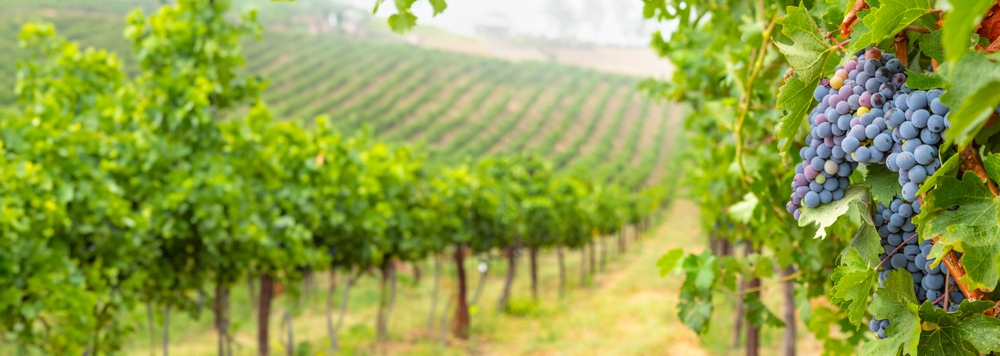
Napa Valley operates on two primary seasons. The high season runs from June through October — harvest begins in late August and runs through October depending on the varietal, and these weeks represent one of the finest times to be in the valley. The energy is palpable; winemakers are in the cellar, estates are at their most atmospheric, and the hills have transitioned from green to the burnished gold that defines the valley's visual identity.
The quieter and in some ways more rewarding season is November through May. Room rates drop significantly, wineries have more availability for private tastings, and the landscape — particularly after winter rains — is extraordinarily green. The French Laundry, perennially impossible to book, becomes marginally more accessible.
Peak timing to avoid: Labor Day weekend and Auction Napa Valley (late May) drive the valley to maximum capacity. Book six to nine months ahead if either aligns with your travel dates, or simply avoid them.
ACCOMMODATION
Where to Stay
Napa's accommodation landscape runs from wine country B&Bs to Forbes Five-Star resorts with working vineyards. The Haute Black standard is simple: the property should make you feel that the valley belongs to you, at least for the duration of your stay.
Four Seasons Resort Napa Valley — Calistoga
The northern end of the valley, and currently its finest address. The only Napa resort with a working winery on-site (Elusa), the Four Seasons earned its fourth consecutive Forbes Five-Star rating in 2026. Sommelier Derek Stevenson, a 2026 James Beard Foundation semi-finalist, oversees a wine program of rare depth. Auro, the resort's signature restaurant, is Calistoga's only Michelin-starred restaurant. The Estate Villas — cottages with private plunge pools and vineyard terraces — represent the most private accommodation experience in the valley.
Haute Intel: The Estate Villa's private outdoor dining service allows you to commission a dinner prepared by Auro's kitchen, served on your terrace as the sun sets behind the Palisades Mountains. This must be arranged in advance through the concierge. It is, without qualification, one of the finest dining experiences in Northern California.
Auberge du Soleil — Rutherford
The original Napa luxury property and still one of its most iconic. Perched on the Rutherford hillside with views across the floor of the valley, Auberge du Soleil brought the Provençal concept to Napa in 1981 and has refined it across four decades. The main terrace restaurant holds a Michelin star under Chef Eric Korsh, and the spa is considered among the finest in the Western United States. The cottages and maison suites are built into the hillside; request one with a private deck facing west for the evening light.
Haute Intel: Book the spa's Vintner's Ritual — a 90-minute treatment using estate-grown vine extract — and follow it with the restaurant's five-course Chef's Tasting Menu on the terrace at sunset. This sequence represents Auberge at its most complete. Request table 14 for the best unobstructed valley view.
Meadowood — St. Helena
Two hundred and fifty secluded acres near St. Helena, rebuilt after the 2020 Glass Fire with expanded amenities and Meadowood's signature restrained elegance intact. The resort now operates Forum, its central restaurant, delivering what the property describes as 'an elegantly relaxed approach to Napa Valley cuisine.' The three-star Restaurant at Meadowood under Chef Christopher Kostow has not yet reopened as of 2026; in its place, Kostow's Charter Oak in downtown St. Helena carries the culinary legacy of the property's former dining crown jewel.
Haute Intel: Non-resort guests can access Meadowood's grounds and Forum restaurant as visitors. Kostow's Charter Oak in St. Helena (5 minutes from the property) is the current vessel for his Michelin-caliber cooking without the resort room requirement.
Carneros Resort and Spa — South Napa
The furthest south, and the most private. A village of freestanding cottages rather than a single main building, Carneros creates an atmosphere of genuine rural escape within minutes of downtown Napa. Each cottage has a private terrace, outdoor fireplace, and deep soaking tub; the adults-only pool and spa are among the most serene in the valley. The resort's FARM Restaurant serves wine country comfort food of a consistently high standard. Ideal for travelers who want Napa without the parade of wine tourists.
Haute Intel: The hilltop pool overlooks working vineyards and delivers one of the best panoramic views of southern Napa Valley. Arrive early morning before other guests. The FARM's weekend brunch is among the best in the valley — book it even if you're not staying here.
WINE
The Winery Circuit
Napa has over 400 tasting rooms. The Haute Black approach is not to drink your way across all of them — it's to visit three to four estates that deliver a genuine story alongside exceptional wine. Quality scales sharply at the upper end, and the most interesting experiences tend to be appointment-only, small-production, and intentionally away from the tourist conveyor belt.
Harlan Estate — Oakville
One of California's original cult wineries, Harlan produces a single estate wine of extraordinary concentration and ageability. The 1990 inaugural vintage, released at $65, now trades above $5,000 on secondary markets. Access is by mailing list only; standard waiting times are years long. If you are on the list, a visit to the Oakville estate is an experience of remarkable intimacy — tasting in the cellar among barrels of wine that won't be released for another two years.
Haute Intel: Haute Black members with active wine contacts can arrange introductory visits through our network. If you're building toward a mailing list application, request a library tasting at a partner merchant in Yountville to understand the vertical before committing.
Opus One — Oakville
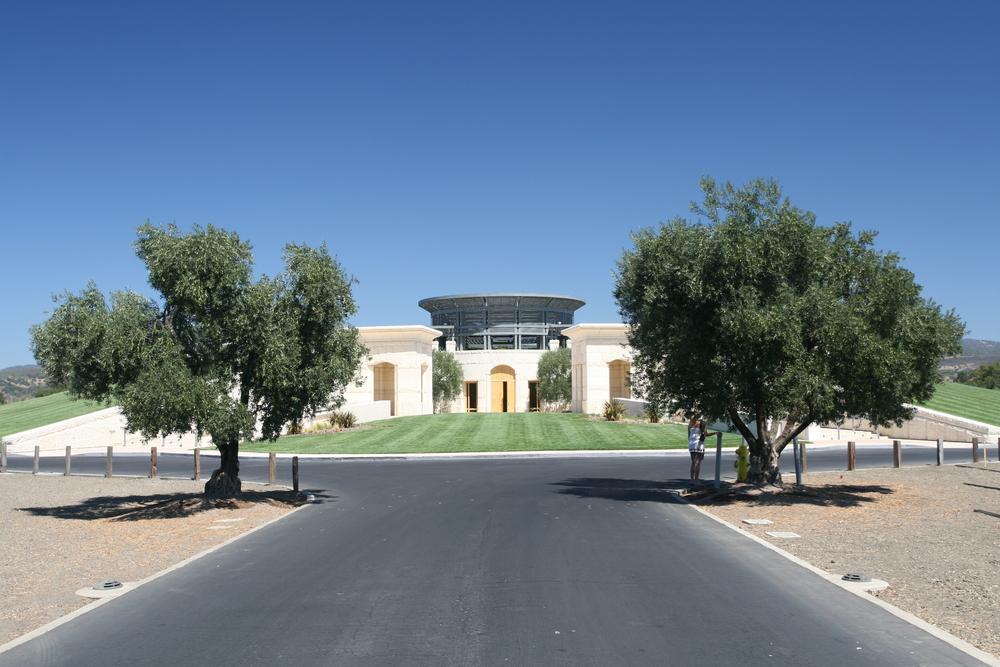
Founded in 1978 as a collaboration between Robert Mondavi and Baron Philippe de Rothschild of Château Mouton Rothschild, Opus One remains a defining wine country landmark. The modernist building — designed to resemble a fortress built into a grass-covered hill — houses the estate's production and tasting facilities. Opus One produces two Bordeaux-style blends; both represent Napa's aspiration toward Old World complexity. The guided tour and tasting here is one of the better-structured experiences in the valley: architectural, historical, and enological in equal measure.
Far Niente — Oakville
The historic stone winery surrounded by gardens and rolling vineyards — Far Niente is, by several accounts, the most visually stunning estate in Napa Valley. The wines, particularly the Chardonnay and Cabernet, are classified among Napa's upper echelon. The tour includes the cave system beneath the winery, built in 1885 and used for barrel aging to this day. Unlike many estates at this level, the tasting experience here is genuinely warm and unhurried.
Screaming Eagle — Oakville
The most famous cult wine in the world. The 1992 inaugural vintage, made by Heidi Barrett under advice from Robert Mondavi, released at $75 per bottle and now sells for over $23,000. Production averages 500–800 cases annually; the mailing list wait is approximately 12 years. This is included not as a booking recommendation but as context: no luxury wine country guide is complete without acknowledging the property that sits at the apex of California wine's cultural moment.
Schramsberg — Calistoga
The finest sparkling wine producer in North America. Schramsberg has served at White House state dinners since the Nixon administration; the caves — carved into the mountainside in the 19th century and housing tens of thousands of aging bottles — are among the most visually striking in all of wine country. For travelers whose interest extends beyond Cabernet, this is essential.
Haute Intel: Schramsberg's cave tour includes a riddling demonstration and ends with a tasting of five to seven current releases. Book the J. Schram tasting for access to the library reserve wines. Available by appointment.
DINING
Where to Eat
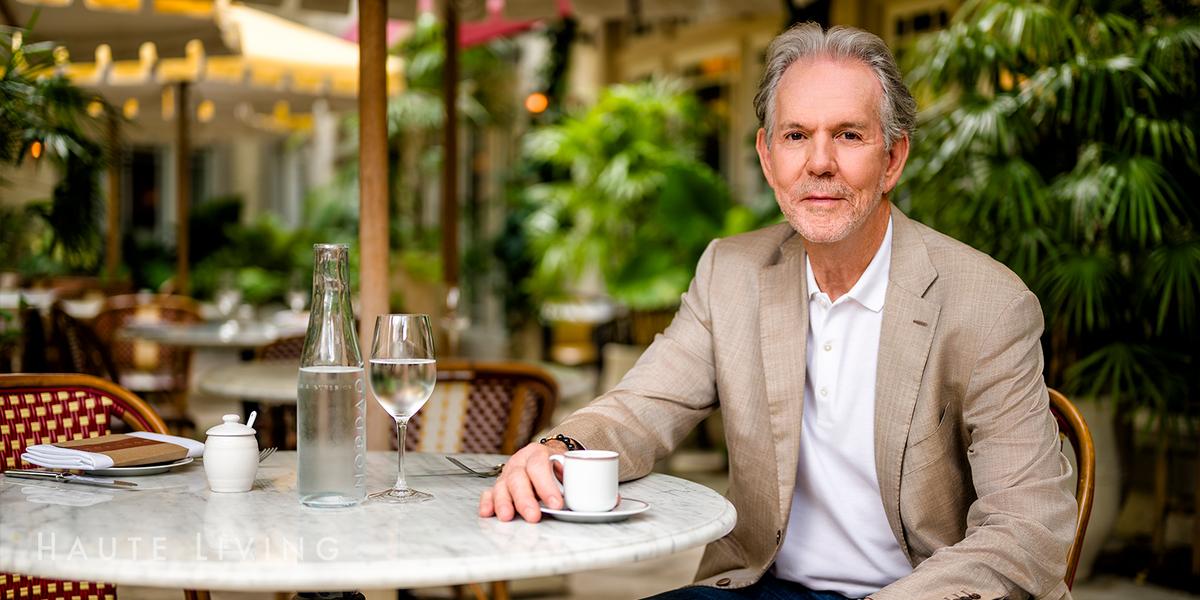
Napa Valley's restaurant scene is concentrated in Yountville — a two-block stretch of a small town that contains one of the highest densities of Michelin-starred restaurants anywhere in the world. Beyond Yountville, St. Helena and downtown Napa carry the load.
The French Laundry — Yountville ⭐⭐⭐ Michelin
Thomas Keller's three-star restaurant has held its stars continuously since the Michelin Guide launched in California. The nine-course tasting menu changes daily, built around ingredients grown in the kitchen garden directly across the street. The ivy-covered 1880s stone building is one of the most iconic dining rooms in the country. Tables for two or four are the easiest to secure; private dining rooms for larger groups can occasionally be arranged through the concierge.
Reservation Strategy: Reservations open on Tock exactly 60 days in advance at 10:00 AM Pacific Time. Tables sell out within seconds. Set a calendar reminder and be on the platform at 9:58 AM. Midweek dates (Tuesday through Thursday) yield slightly better availability. A hotel concierge relationship at Four Seasons or Auberge du Soleil sometimes provides priority access — ask directly at booking.
Auro — Calistoga ⭐ Michelin
The Four Seasons Resort's signature restaurant and Calistoga's only Michelin-starred establishment. Chef Eric Bauer's seven-course dining experience built around seasonal California produce and Elusa Estate wines — the winery is steps from the dining room — represents the clearest expression of the resort's grape-to-glass proposition. The wine pairing, curated by James Beard semi-finalist Derek Stevenson, is one of the finest in the valley.
Auberge du Soleil — Rutherford ⭐ Michelin
The terrace at sunset, with the valley floor spreading below and the first lights of Yountville appearing on the horizon — there are few more beautiful dinner settings in the United States. Chef Eric Korsh's French-Californian menu honors the valley's agricultural heritage with a sophistication that has earned the restaurant its Michelin recognition for over a decade. The wine list, naturally, is extraordinary.
Kenzo — Downtown Napa ⭐ Michelin
The city of Napa's most sophisticated dining address. Chef Kenzo Tsujimoto's kaiseki menu features fish flown in daily from Tokyo's Toyosu Market — the 1-star recognition acknowledges the extraordinary ingredient sourcing as much as the cooking. The 27-seat dining room is sleek and minimal; the sake and wine pairing is curated specifically for each course. Downtown Napa's finest expression of what the city is becoming.
Press — St. Helena ⭐ Michelin
A wood-fired grill and the largest collection of Napa Valley wines in the world — over 2,700 selections covering more than 70 years of vintages. Press is the restaurant for the serious collector, both for the food (Chef Philip Tessier's technique with the grill is exceptional) and for the opportunity to drink wines in the company of the winemakers who made them. The room fills nightly with valley regulars.
The Charter Oak — St. Helena
From Chef Christopher Kostow — who ran the three-star Restaurant at Meadowood before the 2020 Glass Fire — The Charter Oak is the accessible current chapter of his culinary legacy. Family-style live-fire dishes, ingredients from the restaurant's 3.5-acre garden, and a room that fills with the Napa cognoscenti on any given night. The cheeseburger is, genuinely, one of the best in the state. The yurt dining courtyard in winter is a Napa experience unto itself.
EXPERIENCES
Beyond the Tasting Room
Hot Air Balloon — Valley-Wide
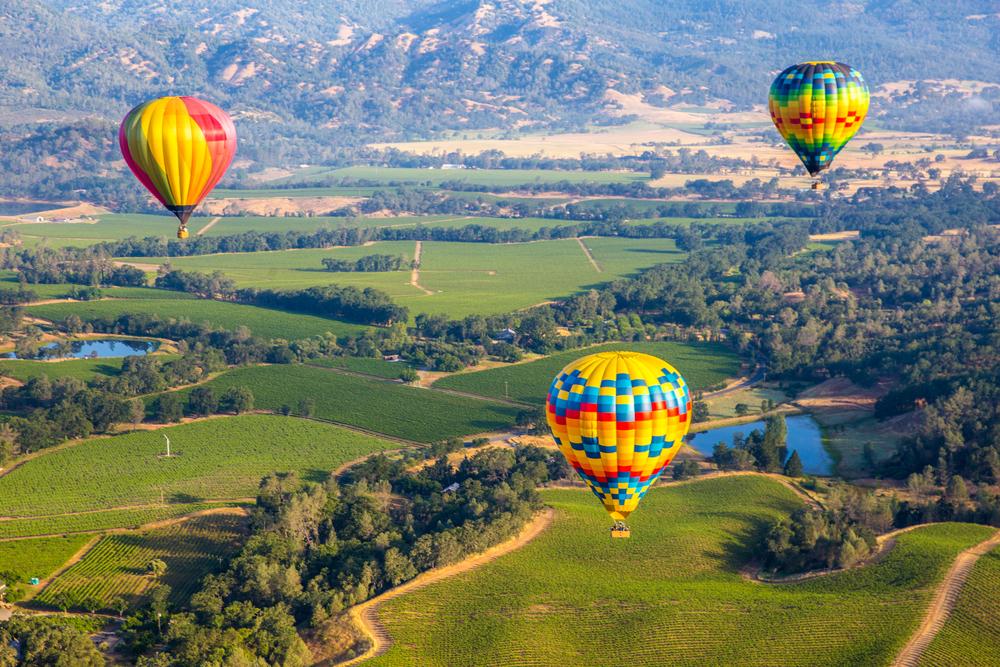
The Napa Valley at dawn from 2,000 feet, as the mist clears from the valley floor and the first light catches the ordered rows of vines below. Balloons depart from various points along the valley floor depending on wind conditions; the flight is typically 45 to 60 minutes, followed by a sparkling wine reception in the vineyard. Napa Valley Aloft and Balloons Above the Valley are the most established operators. Book the private charter for a party of four to eight rather than the group flight; it costs more but the experience — intimate, at your own pace — is incomparable.
Private Vineyard Picnic
Several estates — including Clos du Val in Rutherford and Round Pond in Rutherford — offer private picnic experiences within their vineyard grounds, paired with their own wines and a curated charcuterie spread. These are best arranged as end-of-afternoon experiences, as the golden hour light in a Napa vineyard is one of the genuinely transcendent moments the valley offers. The Four Seasons also runs a dedicated vineyard picnic program from its Elusa Estate grounds.
Culinary Institute of America at Greystone — St. Helena
The former Christian Brothers Winery, a nineteenth-century stone building on the slopes of the Mayacamas range, now houses the CIA's West Coast campus. Public cooking demonstrations and Gatehouse Restaurant dinners — prepared by CIA students under faculty supervision — are open to visitors. The building itself, with its barrel vault ceilings and views over the valley, is worth visiting independently.
Insider Intelligence
Ten things the other guides won't tell you:
The valley moves at a different pace by sub-appellation. Yountville is the most polished and tourist-ready. St. Helena is the most local. Calistoga is the most relaxed. Choose your base based on the energy you want — not just proximity to wineries.
Tastings are appointment-only, almost everywhere. Walk-ins are increasingly rare even at mid-tier estates. Build your winery itinerary two to three weeks ahead; for the top-tier experiences (Harlan, Screaming Eagle, Opus One), two to three months is more realistic.
Two wineries per day is the right number. Three feels ambitious by 4pm. Four is a disaster. The goal is depth, not volume — an hour at one exceptional estate beats fifteen minutes at four good ones.
The Silverado Trail is more interesting than Highway 29. The valley's eastern road, running parallel to the more famous 29, passes smaller producers, fewer tour buses, and equal or greater quality. For a quieter and more scenic drive, take 29 southbound and Silverado northbound.
Harvest season (late August through October) is magical but crowded. The crush adds an energy to the valley that is unlike any other time of year — winemakers in their elements, estates fragrant with fermenting juice. Book six months ahead for this window.
The French Laundry at lunch is a different experience from dinner. The light, the pace, and the room all shift. Many serious diners prefer it. The reservation process is identical, but Tuesday through Thursday lunch seats are marginally more obtainable.
Downtown Napa is having a genuine moment. The Oxbow Public Market, the stretch of restaurants along the Napa River, and the emerging gallery and design presence in the downtown core make the city of Napa worth a half-day beyond its role as the southern gateway. Kenzo in particular is an excellent reason to anchor an evening here.
Wine shipping is heavily regulated. Several states, including Texas and New Jersey, prohibit direct-to-consumer wine shipments. Know your state's rules before purchasing bottles for home delivery.
The valley is at its most beautiful in winter. After the November rains, the hills turn a vivid green against the gray sky. Bare vines reveal the architecture of the vineyard. Room rates are significantly lower. The experience is quieter, more intimate, and in some respects more genuine.
Haute Black members receive preferred access at Four Seasons Napa Valley, Auberge du Soleil, and Meadowood — including complimentary room upgrades, dining credits, and introductions to winery principals that are not available through any standard booking channel.
Getting There & Around
The nearest major airport is San Francisco International (SFO), approximately 60 miles south. Oakland International (OAK) is marginally closer and considerably less congested. Private terminal access through FBO operators at both airports — including Signature Flight Support and Jet Aviation — eliminates the commercial terminal entirely; ground transportation to the valley takes 45 to 75 minutes depending on traffic.
A private car is essential in Napa. The valley has no practical public transportation, Uber and Lyft availability is inconsistent outside downtown Napa, and — crucially — the nature of wine tasting means you will not be driving yourself. Every luxury hotel in the valley offers a house car and concierge-arranged private driver service. For a multi-day visit, a dedicated car and driver is the appropriate solution.
Experience Napa Valley the Haute Black Way
Our concierge team can arrange every experience in this guide — from priority reservations at The French Laundry and Auro, to private tastings at Harlan and Opus One, vineyard picnics, balloon charters, and preferred rates with complimentary upgrades at our partner properties across the valley.
Napa Valley: More Than Wine — Frequently Asked Questions
September and October offer harvest season energy and warm, golden days. Spring (March–May) brings mustard blooms and fewer crowds. Summer is hot and busy. Winter is quiet — many smaller producers close — but the valley's restaurants and larger estates remain open year-round.
Most cult producers are allocation-only and do not accept walk-ins. HauteBlack's wine travel team arranges private tastings at Harlan Estate, Opus One, and other producers that are typically closed to the public. Access requires advance coordination.
Meadowood (when reopened) and Calistoga Ranch define Napa luxury. Smaller properties like Las Alcobas and Bardessono offer a more intimate experience. For wine immersion, staying at an estate like the Trinchero family's properties provides unmatched vineyard proximity.
Yes. Our concierge team arranges priority reservations at The French Laundry, private tastings at Harlan and Opus One, vineyard picnics, hot air balloon charters, and preferred rates with complimentary upgrades at partner properties across the valley.
Related Reading


Related Experiences
From the Journal


Your Journey Starts Here
Ready to Experience This
the Haute Black Way?
Our travel concierge team can arrange every recommendation in this guide — from priority reservations to private experiences and preferred room upgrades.
Begin Your Journey