Banff · Lake Louise · The Icefields Parkway · Jasper
Canada Rockies Winter Week
A fully bespoke luxury journey, designed entirely around you.
DURATION
7–10 Nights
BEST TIME TO GO
December to March is the heart of the winter, with the deepest snow, frozen lakes and the festive weeks; the Banff ski season usually opens in November and Banff Sunshine often runs into May, so March and April bring long, bright spring-skiing days; Christmas, New Year and February holiday weeks book first
IDEAL FOR
Discerning travelers seeking an extraordinary experience
A bespoke 7–10 nights journey through Banff · Lake Louise · The Icefields Parkway · Jasper — designed entirely around your preferences, pace, and vision of extraordinary. Every detail is curated by advisors who know this destination from the inside.
Canada Rockies Winter Week is HauteBlack’s inquiry journey through the Canadian Rockies in winter: Banff and Lake Louise for skiing on three mountains with one pass, frozen lakes, the Johnston Canyon ice walk, the gondola and the hot springs, with the Icefields Parkway and Jasper as an extension for dark skies, wildlife and quieter slopes.
HauteBlack designs it as seven to ten nights, with every instructor, guide, driver, lift ticket and dinner held by one advisor.
When should you go? January to early March for the deepest winter and the most reliable snow, December for a festive week, and late March or April for spring skiing at Banff Sunshine and Lake Louise. Holiday weeks book first.
The Journey
Your Itinerary
Chapter 01
Chapter 01 — Why the Canadian Rockies in Winter?
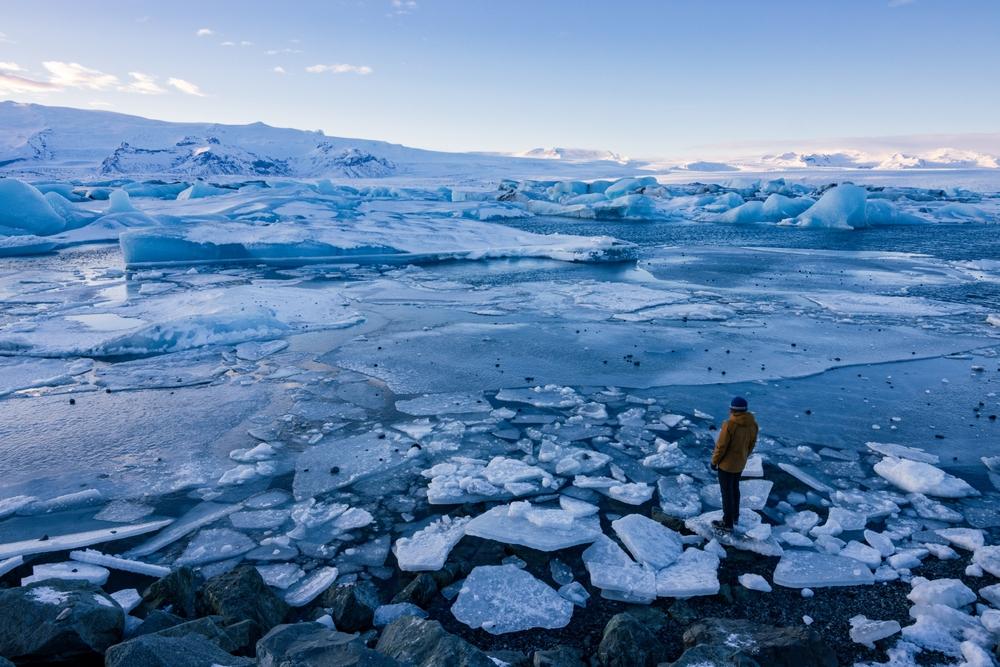
Why go to the Canadian Rockies in winter? Because few places put serious skiing inside a landscape this wild. Banff was Canada’s first national park, founded in 1885, and together with Jasper it is part of the Canadian Rocky Mountain Parks World Heritage Site. In winter the turquoise lakes of the postcards freeze white, waterfalls turn to blue ice, elk wander the edges of town and the peaks stand out sharp against a cold, clear sky. You can ski a different mountain every day, skate on a frozen lake in the afternoon and soak in a hot spring under falling snow before dinner. It is a winter week that feels like a journey, not just a ski trip, and it is a short flight from most of North America.
Chapter 02
Chapter 02 — When Is the Best Time to Ski Banff and Lake Louise?
When is the best time to visit Banff in winter? January to early March for the most reliable snow and the full winter landscape, with frozen lakes, ice walks and quieter slopes outside the holiday weeks. The ski season usually opens in November, and Banff Sunshine, high on the Continental Divide, often keeps skiing into May, so late March and April bring longer, sunnier days and spring snow. Christmas, New Year, Presidents’ Day week and Easter are the busiest periods and book first. Days are short in December and January and mornings can be bitterly cold, which is why we plan gentle starts, warm layers and lunch indoors. If you want the snow-globe Christmas, ask early.
Chapter 03
Chapter 03 — Three Mountains on One Pass: Lake Louise, Sunshine and Norquay
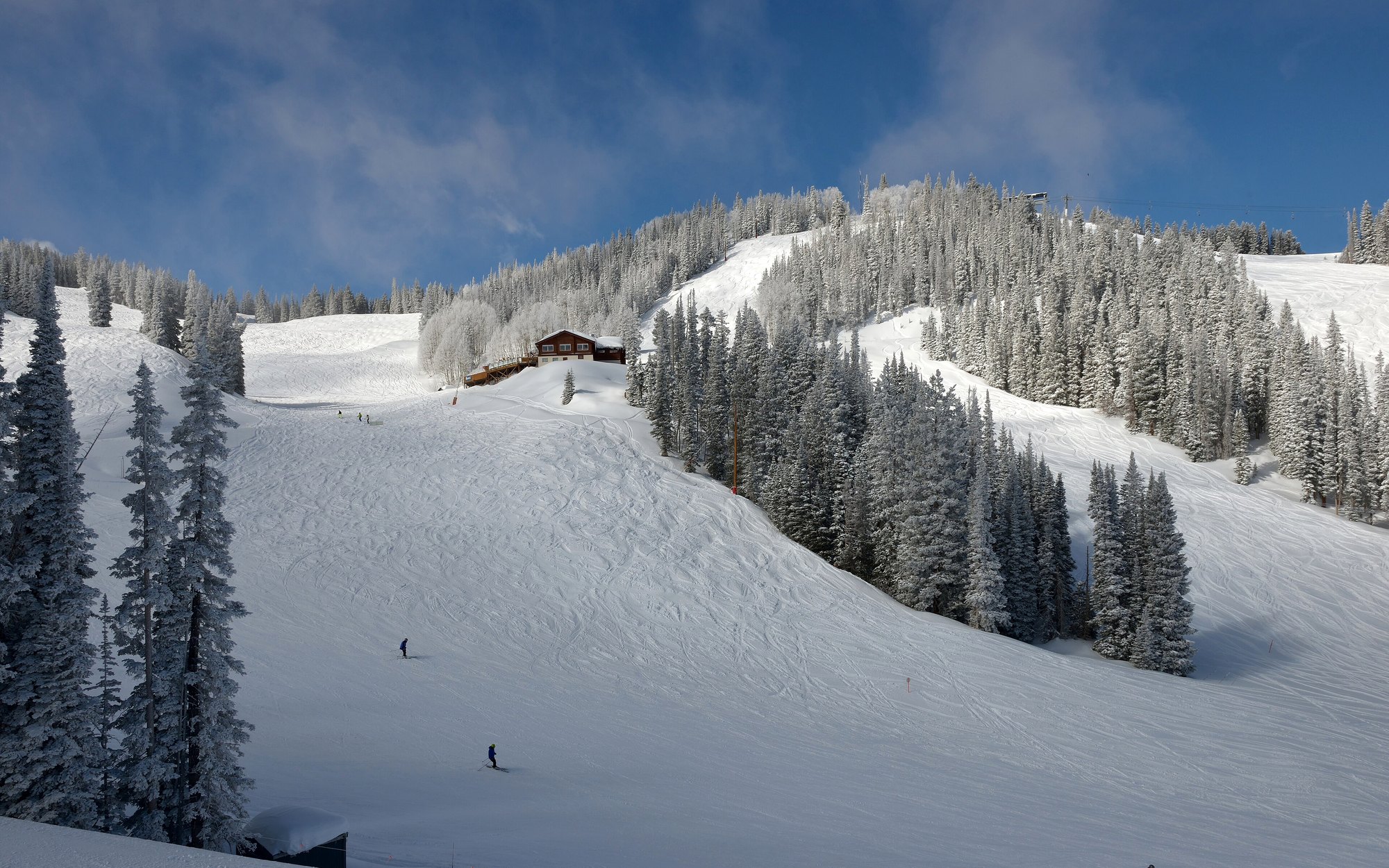
What are the ski resorts in Banff? There are three in Banff National Park, all on one SkiBig3 lift ticket, with nearly 8,000 skiable acres between them. Lake Louise Ski Resort, about 45 minutes from Banff town, is one of the largest ski areas in North America at 4,200 acres, with gentle beginner runs, long cruisers and big open bowls and chutes for strong skiers, plus views straight across to the glaciers above the lake. Banff Sunshine, around 20 minutes from town, sits on the Continental Divide with more than 3,300 acres across three mountains and famously dry natural snow. Mt. Norquay, just minutes from town, is the local’s mountain for a short morning, a first day after travel or a family lesson. A private instructor or guide can move your party between all three, choosing the mountain by the weather and the snow each morning.
Chapter 04
Chapter 04 — Banff: Town, Hot Springs and the Gondola
What is there to do in Banff in winter besides skiing? Plenty. Banff is a real mountain town with good restaurants, galleries and shops along Banff Avenue, and the evenings are part of the appeal. Ride the gondola up Sulphur Mountain for the view over the Bow Valley at sunset, then soak in the Banff Upper Hot Springs, open all year, with snow on your shoulders and steam in the air. The Whyte Museum and the Cave and Basin, where the park began, tell the story of the place. For a rest day we arrange private snowshoeing, cross-country skiing, fat biking, a wildlife drive at dawn or a dogsledding afternoon in the valleys near Canmore, just outside the park.
Chapter 05
Chapter 05 — Lake Louise in Winter: Skating Beneath a Glacier
Is Lake Louise worth visiting in winter? Yes, and many prefer it to summer. Once the lake freezes, it becomes one of the most beautiful outdoor rinks in the world, with skaters circling beneath the Victoria Glacier and the peaks around it. There is a horse-drawn sleigh ride along the lakeshore, cross-country trails into the forest, and in January the lake hosts a festival of ice sculpture. Nearby, frozen Moraine Lake is reached only on skis or snowshoes in winter, because the road closes. We usually plan at least two nights at Lake Louise rather than visiting for the day, so you can be on the ice early, before the day visitors arrive, and see the glacier turn pink at the end of the afternoon.
Chapter 06
Chapter 06 — Frozen Waterfalls: The Johnston Canyon Ice Walk
What is the Johnston Canyon ice walk? It is one of the classic winter experiences in Banff National Park: a walk along catwalks bolted to the canyon walls, high above a frozen creek, to the Lower and Upper Falls, which freeze into towering columns of blue and white ice. In the right conditions you may see ice climbers on the frozen falls. We arrange it with a private guide who provides ice cleats, times it for the quiet of early morning and brings hot chocolate for the walk back. It takes about half a day from Banff and is one of the best non-ski days for families with children.
Chapter 07
Chapter 07 — The Icefields Parkway to Jasper
Can you drive the Icefields Parkway in winter? Yes, but it is a serious winter road and we arrange it with a professional driver or guide. The Icefields Parkway runs 232 kilometres from Lake Louise to Jasper past frozen lakes, hanging glaciers and the Columbia Icefield, and Parks Canada notes there are no services in winter: no fuel, no restaurants, no hotels and no cell coverage along the way. Snow tires or chains are mandatory from November 1 to March 31, the road is plowed only during daytime hours and it can close at short notice for avalanche control. Done properly, in daylight with stops at the viewpoints and the Athabasca Glacier, it is one of the great winter drives on earth, and it turns a Banff ski week into a full Rockies journey.
Chapter 08
Chapter 08 — Jasper: Dark Skies, Wildlife and Quieter Slopes
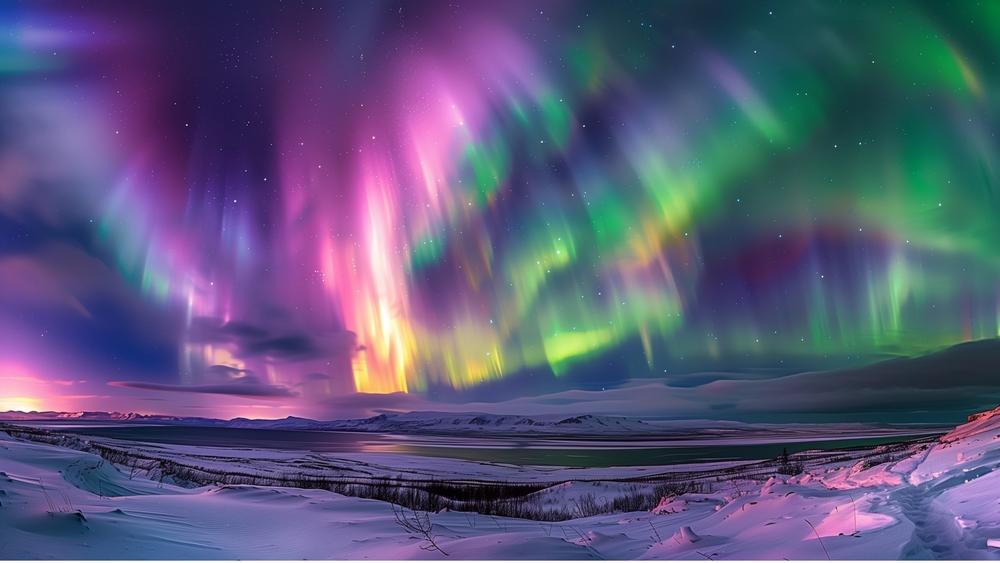
Why add Jasper? For the quiet and the night sky. Jasper National Park is a dark-sky preserve, and on clear winter nights the stars are extraordinary, with the northern lights possible when solar activity is strong. Marmot Basin, Jasper’s ski area, is far less crowded than the Banff resorts, and winter wildlife drives can bring elk, bighorn sheep and, with luck, wolves. The town is welcoming visitors again after the 2024 wildfire, and while some areas remain closed for rehabilitation, including Maligne Canyon, guides now run winter ice walks in other canyons nearby. We check what is open for your dates before we plan, so Jasper is always an informed choice, never a surprise.
Chapter 09
Chapter 09 — Heli-Skiing, Families and Days Off the Mountain
Can you heli-ski from Banff? Not inside the national parks, where heli-skiing is not permitted, but British Columbia’s interior ranges, where commercial heli-skiing began in the 1960s, are within reach for a day or a few nights, weather permitting. For families, the Rockies work beautifully: ski school and private instruction for children, gentle terrain at all three Banff mountains, skating, sleigh rides and wildlife from the car window. For non-skiers, there are spa days, hot springs, snowshoeing, photography with a guide and long lunches. The point is that every member of the party has a good week, not just the strongest skier.
Chapter 10
Chapter 10 — How Many Nights, Getting There and How HauteBlack Arranges It
How many days do you need in Banff in winter? Seven nights is right for a ski week: four or five in Banff for skiing and the town, and two or three at Lake Louise for the lake and its mountain. Ten nights adds the Icefields Parkway and two or three nights in Jasper. Fly into Calgary (YYC), about an hour and a half by road from Banff, where a private transfer meets you; Jasper is usually reached from Lake Louise by the Parkway or from Edmonton. Private flights can be arranged through Haute Jets. US citizens do not need a visa or an eTA to visit Canada with a valid US passport, and a national parks pass is required to stop in Banff and Jasper, which we arrange. HauteBlack shortlists the right mountain lodges, historic railway-era hotels or private chalets for your party and confirms them for your dates before you book, then holds every instructor, guide, driver, lift ticket, ice walk and dinner with one advisor. For a West Coast alternative, see Whistler Peak Week; for the American Rockies, Jackson Hole Winter Week. When you are ready, plan your journey.
Make This Itinerary Yours
Every Haute Black journey is crafted around you — your passions, your pace, your vision of extraordinary. Tell us about yourself and we'll create something entirely yours.
Good to Know
Questions About This Journey.
Completely. Every HauteBlack journey is a starting point, not a fixed package. Your dedicated travel advisor will reshape every element — accommodations, pacing, dining, private guides, and experiences — entirely around your preferences, travel style, and what you want to remember. Nothing is off the shelf.
For peak-season travel and premium properties — particularly safari lodges like Singita Ebony Lodge or Delaire Graff Estate — we recommend booking 6 to 12 months in advance. For more flexible dates and destinations, 3 to 6 months is typically sufficient. Your advisor will always tell you honestly what's achievable in your timeframe and find alternatives if first-choice properties are unavailable.
No. All HauteBlack journeys are available without membership. You work with a dedicated travel advisor and receive Virtuoso preferred partner benefits — complimentary upgrades, resort credits, daily breakfast, and VIP arrival — on every qualifying stay, membership or not. Membership adds waived planning fees, a dedicated senior advisor, priority access to private events, and deeper concierge support.
A dedicated HauteBlack travel advisor contacts you within 24 hours — usually sooner. They'll start with a conversation, not a form. You'll discuss your vision, travel style, dates, and any preferences. From there, your advisor builds a fully bespoke itinerary proposal. There is no obligation and no planning fee for the initial consultation.
Before You Go
What to Expect
The Canadian Rockies are entered most easily at Calgary (YYC), about 90 minutes by road from Banff and a little over two hours from Lake Louise; Jasper is usually reached via the Icefields Parkway or from Edmonton (YEG). Private flights can be arranged through Haute Jets. US citizens need no visa or eTA with a valid US passport. A national parks pass is required in Banff and Jasper. In winter the Icefields Parkway has no services and can close for avalanche control, so we arrange it with a professional driver in daylight. Holiday weeks and the best slope-side stays book early. Accommodation is shortlisted and confirmed for your dates before booking. Cross-links: Whistler Peak Week, Jackson Hole Winter Week, Iceland Northern Lights, how far ahead to book a luxury trip. Share dates and party size when you plan your journey.
Every HauteBlack itinerary is fully bespoke. While the journey outlined above represents our curated recommendation for Banff · Lake Louise · The Icefields Parkway · Jasper, your dedicated travel advisor will tailor every element — from accommodations and dining to private guides and cultural immersions — to match your preferences, pace, and travel style.
Best experienced during December to March is the heart of the winter, with the deepest snow, frozen lakes and the festive weeks; the Banff ski season usually opens in November and Banff Sunshine often runs into May, so March and April bring long, bright spring-skiing days; Christmas, New Year and February holiday weeks book first, this 7–10 Nights journey can be extended, shortened, or combined with neighboring destinations. Whether you're celebrating a milestone, traveling as a family, or seeking a private retreat, we adapt the experience to you.
Your Advisor Takes Care Of:
- ◆Private airport transfers and in-destination transportation
- ◆Hotel reservations and room upgrades
- ◆Restaurant access and private dining arrangements
- ◆Guided experiences and exclusive site access
- ◆24/7 support before and throughout your journey
Designed by Marlene Azeez, Director of Travel — with direct knowledge of this destination and long-standing relationships at every property.




Stay Inspired
Get Our Weekly Insider List
Curated destinations, exclusive offers, and travel intelligence — delivered every week to discerning travelers.
No spam, ever. Unsubscribe anytime.
BEGIN YOUR JOURNEY
Ready to Make This Journey Yours?
Every detail can be tailored to your vision. Our travel specialists handle everything from first inquiry to final farewell.
Non-members welcome. No membership required.