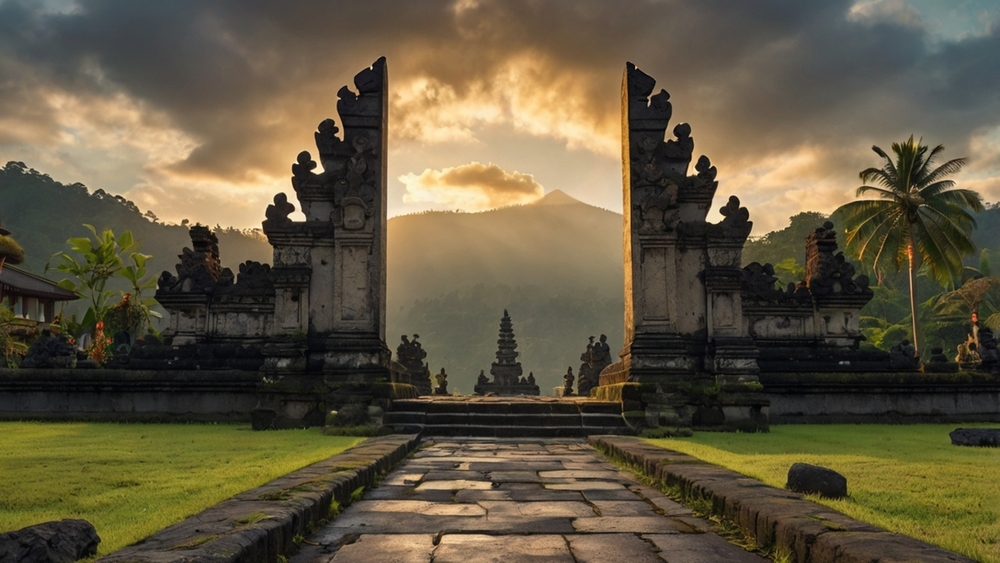
Paro · Paro Taktsang (Tiger’s Nest) · Thimphu · Dochula Pass · Punakha · Phobjikha Valley · Bumthang
Bhutan Himalayan Kingdom
A fully bespoke luxury journey, designed entirely around you.
DURATION
7–10 Nights
BEST TIME TO GO
October – November (clear autumn skies, festival season and the best mountain views) and March – April (spring blooms and the Paro Tshechu); the black-necked cranes winter in the Phobjikha Valley from about late October to February, welcomed by a festival every November 11; the June – September monsoon brings rain, cloud and occasional road disruption
IDEAL FOR
Discerning travelers seeking an extraordinary experience
A bespoke 7–10 nights journey through Paro · Paro Taktsang (Tiger’s Nest) · Thimphu · Dochula Pass · Punakha · Phobjikha Valley · Bumthang — designed entirely around your preferences, pace, and vision of extraordinary. Every detail is curated by advisors who know this destination from the inside.
Bhutan Himalayan Kingdom is HauteBlack’s inquiry journey to the small Buddhist kingdom of the eastern Himalaya: the Paro Valley and Paro Taktsang, the Tiger’s Nest, the capital Thimphu, the Dochula Pass and Punakha Dzong, and the glacial Phobjikha Valley, where black-necked cranes spend the winter.
HauteBlack designs it as seven to ten nights with a licensed private guide and driver throughout, timed where possible to the autumn or spring tshechu festivals or to the crane season, with one advisor holding every flight, guide and permit.
When is the best time to go? October and November bring clear skies and festival season; March and April bring spring blooms and the Paro Tshechu. The cranes winter in Phobjikha from about late October to February.
How do you get there? Connect through Bangkok, Delhi, Kathmandu or Singapore to Paro on Drukair or Bhutan Airlines. Visas are approved online before travel for a USD 40 fee, and the Sustainable Development Fee is USD 100 per adult per night through December 31, 2029. Private flights can be arranged through Haute Jets.
Do I need a membership? No. Non-members are welcome. An advisor responds within 24 hours when you plan your journey.
The Journey
Your Itinerary
Chapter 01
Chapter 01 — Why Bhutan
Why travel to Bhutan? Because few places on earth feel so wholly themselves. Bhutan is a small Buddhist kingdom in the eastern Himalaya, between India and China, where monasteries cling to cliffs, fortress-monasteries called dzongs still house both monks and government offices, and national dress is still widely worn. Its tourism policy is deliberately high value and low volume: every visitor pays a nightly Sustainable Development Fee and travels with a licensed Bhutanese guide, so the trails, temples and valleys stay quiet. Bhutan Himalayan Kingdom is HauteBlack’s seven-to-ten-night inquiry journey through the western valleys, from Paro and the Tiger’s Nest to Thimphu, Punakha and the crane valley of Phobjikha, with private guides and drivers throughout.
Chapter 02
Chapter 02 — When to Go: Autumn, Spring and the Tshechu Festivals
When is the best time to visit Bhutan? October and November bring the clearest skies, dry trails and the best views of the high peaks, and they are the heart of festival season; March and April are the gentle alternative, with rhododendrons in bloom and the Paro Tshechu. Tshechus are religious festivals of masked cham dances held in dzong and temple courtyards, and their dates follow the Bhutanese lunar calendar, so they change every year. In 2026 the Thimphu Tshechu was held from September 21 to 23 at Tashichho Dzong, and the Paro Tshechu from March 29 to April 2 at Rinpung Dzong, ending at dawn with the unfurling of a giant thangka, or thongdrol. Festival weeks are the most in-demand of the year, so flights and the best rooms are held many months ahead. The monsoon, from about late June to September, brings rain, cloud and occasional road disruption.
Chapter 03
Chapter 03 — Paro and the Tiger’s Nest
How hard is the hike to the Tiger’s Nest? Paro Taktsang, the Tiger’s Nest, clings to a cliff about 900 meters above the Paro Valley at roughly 3,120 meters above sea level, built in 1692 around the cave where Guru Rinpoche is said to have meditated. The climb is about four kilometers on a steady mountain trail, usually two to three hours up, and most travelers allow four to six hours for the round trip with time inside the temples. It is a real hike at altitude, so HauteBlack schedules it after a few days in Bhutan, starts early with your private guide, and keeps the pace your own. In the valley below, Rinpung Dzong, the setting of the Paro Tshechu, and the slow lanes of Paro town fill the first gentle days.
Chapter 04
Chapter 04 — Thimphu, the Capital
What is there to do in Thimphu? Bhutan’s capital is small, walkable and full of daily life. Tashichho Dzong, the great fortress-monastery on the river, is the seat of the government and of the central monk body, and the setting of the Thimphu Tshechu each autumn. On a ridge above the city, Buddha Dordenma, a gilded bronze statue of the Buddha about 51 meters tall, looks out over the valley. With your guide, days here move between the Centenary Farmers’ Market, the Textile Museum and the artisan galleries nearby, and quiet temples where locals walk the kora, circling prayer wheels at dawn.
Chapter 05
Chapter 05 — Over the Dochula Pass to Punakha Dzong
Why is Punakha Dzong famous? Many call it the most beautiful dzong in Bhutan. Built in 1637 and 1638 by Zhabdrung Ngawang Namgyal, the unifier of Bhutan, it stands where the Pho Chhu and Mo Chhu, the father and mother rivers, meet, and its name, Pungthang Dechen Phodrang, means the Palace of Great Happiness. The road from Thimphu crosses the Dochula Pass, at about 3,100 meters, where 108 memorial chortens stand among prayer flags and, on a clear autumn or winter morning, the high Himalaya lines the northern horizon. Punakha sits lower and warmer, among rice terraces, and makes a soft, slow base for two nights.
Chapter 06
Chapter 06 — Phobjikha Valley and the Black-Necked Cranes
When can you see the black-necked cranes in Bhutan? The rare black-necked cranes fly in to winter in the Phobjikha Valley from about late October and usually leave by February, roosting on the broad, marshy floor of this glacial valley. Each year on November 11, the Black-Necked Crane Festival at Gangtey Goenpa, the monastery on the hill above the valley, welcomes them with masked dances and a crane dance performed by local schoolchildren. Phobjikha is one of the quietest places on this journey: long walks along the valley rim, farmhouses with wood smoke in the air, and the calls of the cranes at first light. Your advisor times the visit to the crane season when your dates allow.
Chapter 07
Chapter 07 — Gross National Happiness
What is Gross National Happiness? It is Bhutan’s guiding idea that a country should measure its progress by the wellbeing of its people and its environment, not only by economic growth. Bhutan’s 2008 Constitution directs the state to promote the conditions for the pursuit of Gross National Happiness, and it also requires that at least 60 percent of the country remain under forest for all time. You feel it as a traveler in small ways: forested hillsides, traditional architecture in every town, and a tourism model that asks each guest to contribute to the country through the Sustainable Development Fee. Your guide is the best way to understand it, in conversation over butter tea, at a farmhouse kitchen or on a temple path.
Chapter 08
Chapter 08 — How Many Nights and Going Further
How many days do you need in Bhutan? Seven nights covers the classic western valleys: Paro, Thimphu, Punakha and a night or two in Phobjikha, ending in Paro for the Tiger’s Nest. Nine or ten nights adds Bumthang, the spiritual heartland of central Bhutan, reached by road or by a short domestic flight, whose autumn festivals include the Jakar Tshechu and the Jambay Lhakhang Drup. Is Bhutan good for families? Yes, for children who enjoy walking; children under six pay no Sustainable Development Fee and children from six to eleven pay half, and the Tiger’s Nest suits older children ready for a long climb at altitude. For lead times on festival dates, see how far ahead to book a luxury trip.
Chapter 09
Chapter 09 — Getting There, Entry and How HauteBlack Arranges It
How do you get to Bhutan from the United States? There are no nonstop flights from North America; most travelers connect through Bangkok or Delhi, or fly in from Kathmandu or Singapore, and continue to Paro International Airport, the country’s main gateway, on Drukair or Bhutan Airlines, the only two carriers flying scheduled services into Bhutan. Paro flights from Bangkok leave early in the morning, so a night in Bangkok first is usual. Do Americans need a visa for Bhutan? Yes. Every visitor except Indian nationals needs a visa approved before travel, applied for online through the Department of Immigration; the one-time visa fee is USD 40, and approval can take up to five days. How much is the Sustainable Development Fee? Bhutan has extended its reduced SDF of USD 100 per adult per night through December 31, 2029; children from six to eleven pay USD 50 and children under six are exempt, and the fee is paid with the visa application. Dzongs and monasteries ask for clothing that covers shoulders and knees. Private jets can fly into Bhutan with prior approval, and can be arranged through Haute Jets. Your advisor handles visas, the SDF, flights, a licensed private guide and driver, and accommodation, which is shortlisted and confirmed for your dates before anything is booked; we never quote rates or availability until they are confirmed in writing. Pairing Bhutan with Bangkok? See Thailand Islands & Chiang Mai. Start when you plan your journey; an advisor responds within 24 hours, and no membership is required.
Make This Itinerary Yours
Every Haute Black journey is crafted around you — your passions, your pace, your vision of extraordinary. Tell us about yourself and we'll create something entirely yours.
Good to Know
Questions About This Journey.
Completely. Every HauteBlack journey is a starting point, not a fixed package. Your dedicated travel advisor will reshape every element — accommodations, pacing, dining, private guides, and experiences — entirely around your preferences, travel style, and what you want to remember. Nothing is off the shelf.
For peak-season travel and premium properties — particularly safari lodges like Singita Ebony Lodge or Delaire Graff Estate — we recommend booking 6 to 12 months in advance. For more flexible dates and destinations, 3 to 6 months is typically sufficient. Your advisor will always tell you honestly what's achievable in your timeframe and find alternatives if first-choice properties are unavailable.
No. All HauteBlack journeys are available without membership. You work with a dedicated travel advisor and receive Virtuoso preferred partner benefits — complimentary upgrades, resort credits, daily breakfast, and VIP arrival — on every qualifying stay, membership or not. Membership adds waived planning fees, a dedicated senior advisor, priority access to private events, and deeper concierge support.
A dedicated HauteBlack travel advisor contacts you within 24 hours — usually sooner. They'll start with a conversation, not a form. You'll discuss your vision, travel style, dates, and any preferences. From there, your advisor builds a fully bespoke itinerary proposal. There is no obligation and no planning fee for the initial consultation.
Before You Go
What to Expect
Bhutan is reached via Paro International Airport, with scheduled flights on Drukair and Bhutan Airlines from gateways including Bangkok, Delhi, Kathmandu and Singapore. Private jets can fly in with prior approval, arranged through Haute Jets. All visitors except Indian nationals need a visa approved before travel (USD 40), and the Sustainable Development Fee is USD 100 per adult per night through December 31, 2029, with USD 50 for children aged six to eleven and no fee under six. A licensed guide is required for dzongs, monasteries and travel beyond Paro and Thimphu. October – November and March – April are the classic seasons; tshechu festival dates follow the lunar calendar and change each year. Accommodation is shortlisted and confirmed for your dates before booking. Cross-links: Thailand Islands & Chiang Mai, how far ahead to book a luxury trip. Share dates and party size when you plan your journey.
Every HauteBlack itinerary is fully bespoke. While the journey outlined above represents our curated recommendation for Paro · Paro Taktsang (Tiger’s Nest) · Thimphu · Dochula Pass · Punakha · Phobjikha Valley · Bumthang, your dedicated travel advisor will tailor every element — from accommodations and dining to private guides and cultural immersions — to match your preferences, pace, and travel style.
Best experienced during October – November (clear autumn skies, festival season and the best mountain views) and March – April (spring blooms and the Paro Tshechu); the black-necked cranes winter in the Phobjikha Valley from about late October to February, welcomed by a festival every November 11; the June – September monsoon brings rain, cloud and occasional road disruption, this 7–10 Nights journey can be extended, shortened, or combined with neighboring destinations. Whether you're celebrating a milestone, traveling as a family, or seeking a private retreat, we adapt the experience to you.
Your Advisor Takes Care Of:
- ◆Private airport transfers and in-destination transportation
- ◆Hotel reservations and room upgrades
- ◆Restaurant access and private dining arrangements
- ◆Guided experiences and exclusive site access
- ◆24/7 support before and throughout your journey
Designed by Marlene Azeez, Director of Travel — with direct knowledge of this destination and long-standing relationships at every property.





Stay Inspired
Get Our Weekly Insider List
Curated destinations, exclusive offers, and travel intelligence — delivered every week to discerning travelers.
No spam, ever. Unsubscribe anytime.
BEGIN YOUR JOURNEY
Ready to Make This Journey Yours?
Every detail can be tailored to your vision. Our travel specialists handle everything from first inquiry to final farewell.
Non-members welcome. No membership required.