Haute Black Journal
Safari in Rwanda: Bespoke Luxury Journeys 2026

Marlene Azeez
Director, HauteBlack
View all articles →
# Safari in Rwanda: Bespoke Luxury Journeys 2026
Most luxury safari destinations sell scale. Rwanda sells restraint. That’s precisely why it now sits at the top of the list for travelers who’ve already done the obvious circuits and want something rarer.
A serious safari in Rwanda isn’t about racing between sightings. It’s about access, control, privacy, and meaning. Rwanda hosts approximately one-third of the world’s remaining mountain gorilla population, and Rwanda’s share has grown 25% over the last decade through sustained conservation work, which is why the country has become such a compelling choice for discerning travelers seeking a more intimate wildlife experience, according to this Rwanda luxury safari guide.
The right Rwandan journey feels less like tourism and more like a carefully edited private expedition. That distinction matters.
Why Rwanda is the New Pinnacle of Luxury Safari
Rwanda is where safari becomes more intelligent.
The old model of African luxury travel was built around abundance. Bigger reserves, longer game drives, more vehicles, more spectacle. Rwanda rejects that logic. It offers a compact, elegant, carefully curated experience that rewards travelers who care more about the quality of each encounter than the volume of animals checked off before lunch.
Intimacy beats scale
The appeal of a safari in Rwanda begins with proximity. You move from Kigali into volcanic forest, savannah, and ancient rainforest without the exhausting sprawl that defines larger circuits. That compactness changes the rhythm of the trip. You spend less time in transit and more time inside the experience.
For UHNW travelers, that’s not a convenience. It’s the entire point.
Rwanda also attracts a different type of guest. This is not a destination for noisy safari maximalism. It suits people who value discretion, who travel with purpose, and who want conservation to be visible in the architecture of the trip, not buried in a brochure paragraph.
Rwanda is one of the few safari destinations where exclusivity comes from regulation, not marketing.
Conservation is part of the luxury proposition
Rwanda’s luxury appeal is inseparable from its conservation discipline. The mountain gorilla story is the clearest example. The country protects one of the most coveted wildlife encounters on earth by limiting access and reinvesting in protection and community benefit. That creates a rare kind of travel experience. You’re not consuming wilderness. You’re entering a system designed to preserve it.
That’s why Rwanda resonates so strongly with travelers who’ve outgrown generic safari theater. The journey has intellectual and emotional weight.
A well-built itinerary also gives you contrast without fragmentation. In one country, you can pair the volcanic drama of gorilla trekking with classic savannah wildlife in Akagera and the moody, ancient canopy of Nyungwe.
Who Rwanda is for
Rwanda is the right answer for a specific traveler.
- The repeat safari guest who has already done East or Southern Africa and wants something more intimate
- The luxury honeymooner who wants privacy and emotional impact, not crowded lodge energy
- The multi-generational family that needs smooth pacing, high-touch service, and meaningful experiences
- The executive traveler who has limited time and refuses logistical chaos
If you want a safari that feels sharper, quieter, and more deliberate, Rwanda is the destination.
Rwanda's Three Jewels of Ecotourism
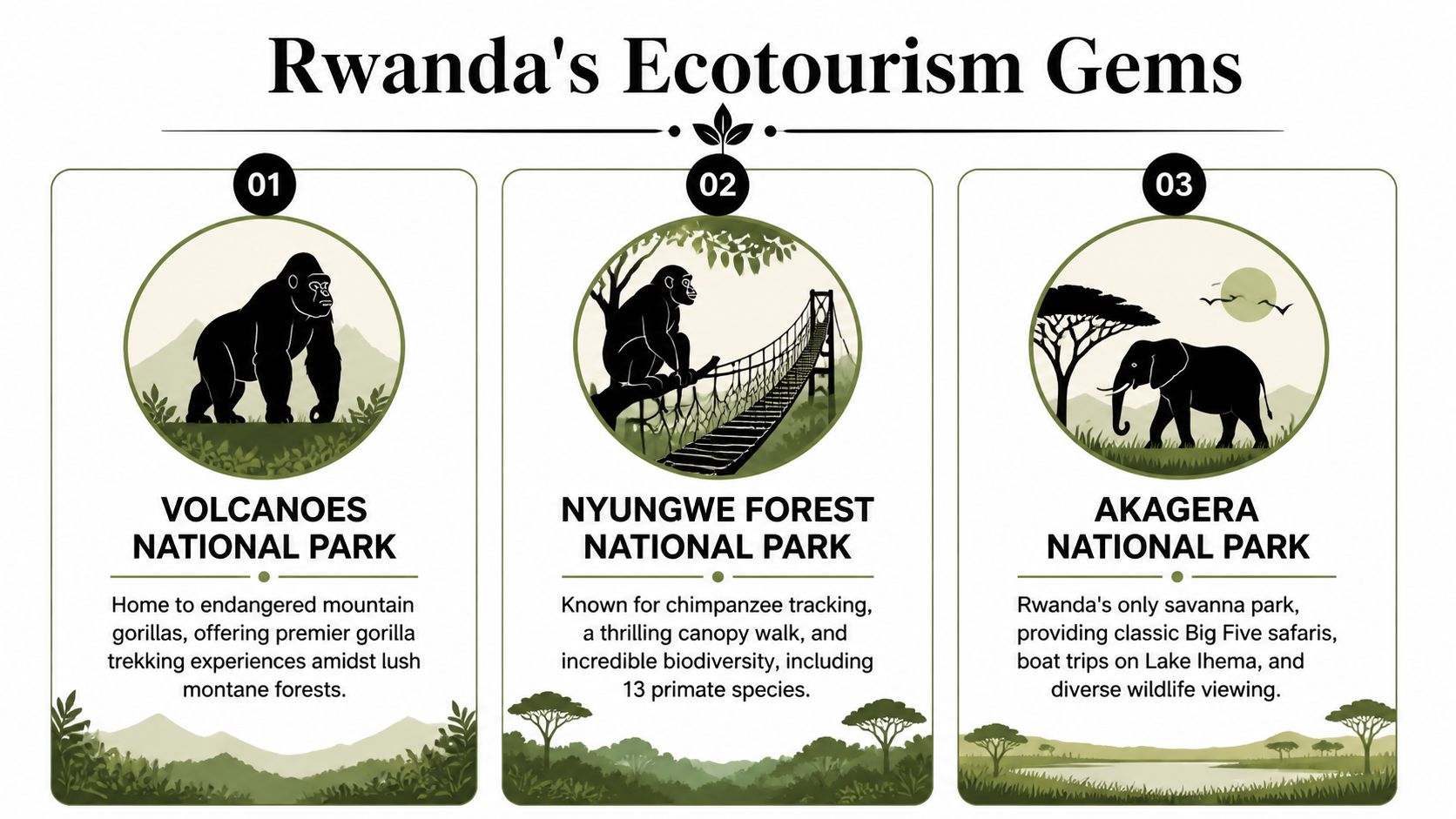
Rwanda’s strength is balance. The country’s three major parks aren’t interchangeable. Each delivers a different mood, terrain, and emotional register. Done properly, they create a complete safari in Rwanda rather than a single headline moment.
Volcanoes for primacy and prestige
Volcanoes National Park is the crown jewel. Travelers come for mountain gorillas and the singular atmosphere of the Virunga region. It’s lush, high-altitude, cinematic, and emotionally intense. If a client wants the defining image of Rwanda, this is it.
The experience is not passive. You earn the encounter through the climb, the weather, the waiting, and then the sudden quiet of being in a gorilla family’s presence. That effort is part of the magic.
Akagera for classic safari restored with discipline
Akagera brings a completely different register. It is Rwanda’s sole Big Five savannah, and its recovery is one of the most persuasive conservation stories on the continent. The park has been transformed under African Parks management since 2010. Its rhino population rebounded from zero to 16 by 2023, and fenced boundaries reduced human-wildlife conflict by 70%, according to this Akagera safari guide.
That matters because Akagera doesn’t feel like a consolation prize after gorillas. It feels like proof that Rwanda understands how to rebuild ecosystems with seriousness.
Nyungwe for mood, forest, and depth
Nyungwe is the park many travelers underrate before arrival and remember longest afterward. It offers rainforest rather than savannah spectacle. The draw is chimpanzee tracking, the canopy perspective, and the sense of immersion that only an ancient forest can deliver.
A Rwandan itinerary gains sophistication. Volcanoes gives you awe. Akagera gives you classic safari grammar. Nyungwe gives the journey texture and contrast.
Rwanda's National Parks At-a-Glance
| Park | Primary Experience | Landscape | Haute Black Recommended Stay |
|---|---|---|---|
| Volcanoes National Park | Mountain gorilla trekking | Volcanic slopes, bamboo forest, montane rainforest | 3 nights |
| Nyungwe Forest National Park | Chimpanzee tracking and canopy immersion | Ancient rainforest, misty hills, dense canopy | 2 to 3 nights |
| Akagera National Park | Big Five game drives and boat safari | Savannah, lakes, acacia, wetlands | 2 to 3 nights |
Advisory note: Don’t choose between the parks too quickly. Rwanda is at its most persuasive when you experience all three ecosystems in a single, well-paced itinerary.
The Gorilla Encounter Perfected in Volcanoes National Park
The gorilla trek is the reason many travelers first look at Rwanda. It should also be the reason they raise their standards.
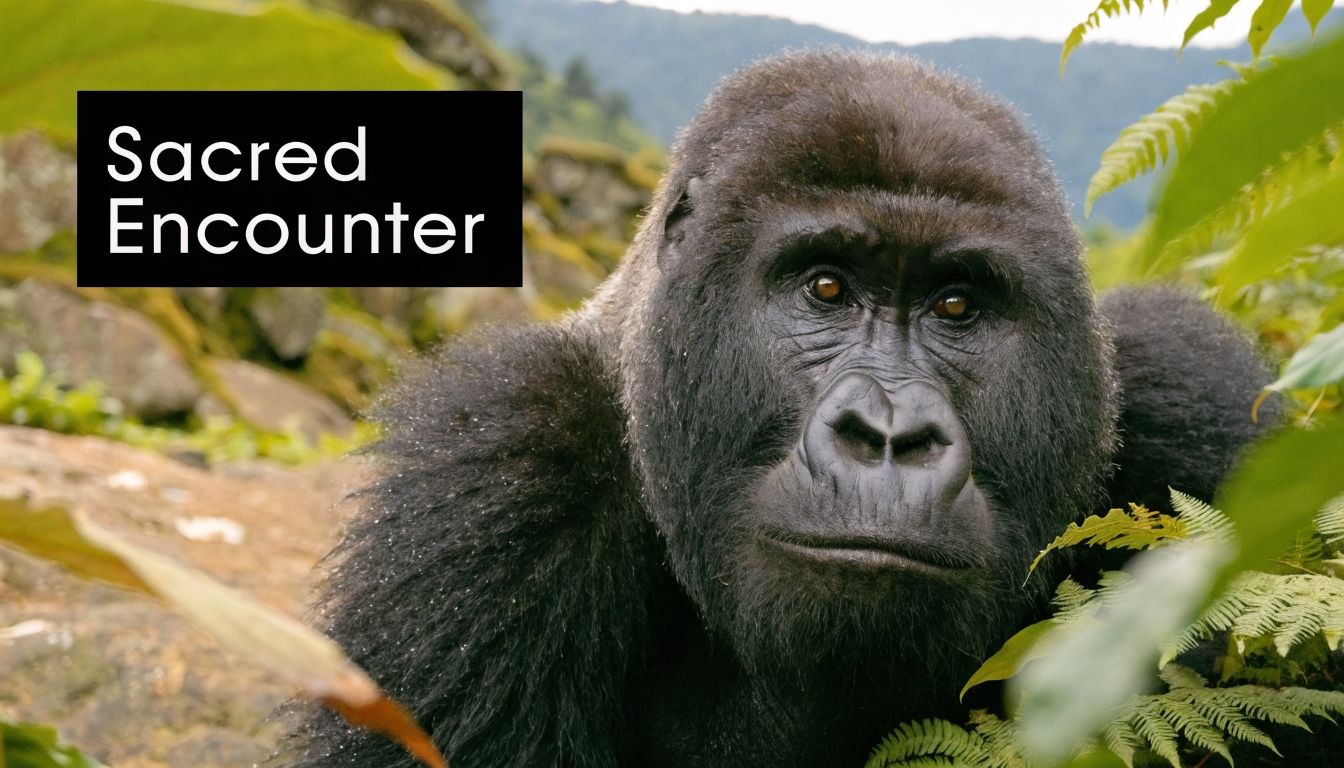
Volcanoes National Park has built the encounter around scarcity and discipline. Only 96 permits are issued daily across 12 habituated gorilla families, each group is limited to 8 trekkers, observation is capped at 1 hour, permits cost $1,500 USD per person, and 10% of permit revenue goes directly to local communities. Travelers should book 6 to 12 months in advance, as outlined by Visit Rwanda’s gorilla tracking information.
That structure is what makes the experience exceptional. The encounter feels intimate because it is.
What the morning actually feels like
You rise early. The air is cool, the light soft, the mountains half veiled in mist. At the trailhead, the administrative process is efficient, but the emotional temperature is unmistakable. People know they are about to do something unusual.
Then the walking begins.
Some treks are comparatively gentle. Others are muddy, steep, and humbling. The forest changes constantly. Bamboo gives way to tangled undergrowth. Bird calls cut through the quiet. Porters take the strain out of the climb, and that’s not an indulgence. It’s smart energy management.
When the trackers signal that the gorillas are near, conversation stops on its own.
The hour that changes the trip
No polished lodge, private transfer, or cellar-worthy wine pairing can compete with the first seconds in front of a gorilla family. The silverback doesn’t perform for you. A juvenile may tumble through the foliage. A mother continues feeding with complete calm. The power of the moment comes from being tolerated rather than entertained.
That’s why the one-hour rule works. It preserves the encounter’s emotional sharpness. You never drift into complacency.
For first-time safari travelers who want context on how this kind of wildlife experience differs from a more traditional game drive itinerary, this African safari first-timers guide is a useful primer before you get into the finer details of Rwanda.
Practical rule: Treat the gorilla trek as the central ceremony of the trip. Don’t bury it inside a rushed itinerary or bracket it with careless logistics.
What to bring and what to ignore
Packing errors can cheapen the day. The forest doesn’t reward vanity dressing or amateur gear choices. Wear proper trekking layers, gloves if you like hand protection in dense vegetation, and boots that can handle mud without becoming anchors.
Optics matter less for gorillas than many travelers assume because the encounter is often close, but binoculars still add value on approach and for wider forest observation. If you’re deciding between sizes for broader safari use, Magic Eagle's 10x binoculars review offers a practical breakdown that’s worth reading before you pack.
A short visual briefing helps set expectations before arrival.
How to do it properly
There’s a significant difference between merely holding a permit and having the day curated well.
You want:
- A strategic permit date that supports the broader flow of your trip
- A strong briefing so physical demands, pace, and expectations are clear
- Private guiding and porter coordination so the day remains composed rather than chaotic
- The right lodge proximity to reduce unnecessary friction before an early start
The wrong operator treats gorilla trekking like inventory. The right one treats it like choreography.
Completing the Circuit Akagera and Nyungwe
A gorilla trek on its own is memorable. A full safari in Rwanda becomes far more compelling when you let the country reveal its range.
Akagera gives Rwanda its classical counterpoint
After Volcanoes, Akagera feels almost like a genre shift. The palette opens. The forest compression gives way to savannah horizons, lakes, and acacia. You’re suddenly back in the visual language people associate with African safari, except the mood is calmer and more controlled.
Akagera works particularly well for travelers who want Big Five viewing without the relentless traffic of more saturated safari circuits. The game drives are only part of the story. The boat safari introduces a slower perspective, one that lets the park breathe.
What I like most about Akagera is what it represents. It is not only scenic. It is recovered. The park’s presence in the itinerary turns the journey from a wildlife holiday into a study in modern conservation ambition.
Nyungwe gives the trip its final layer of sophistication
Nyungwe is where Rwanda becomes emotionally richer. The rainforest has a different tempo. Sound travels differently. Light filters differently. Even experienced safari travelers often underestimate how powerful a forest-based wildlife experience can be until they’re inside one.
Chimpanzee tracking is more kinetic than gorilla trekking. The energy is less ceremonial and more volatile. You listen, move fast, stop suddenly, then look up. The canopy walk shifts your perspective again. After several days at ground level, the forest reveals itself vertically.
Nyungwe is the park that prevents Rwanda from becoming a one-note gorilla journey.
Why all three belong together
These parks don’t compete. They complete one another.
- Volcanoes delivers gravity and prestige
- Akagera restores the classic safari frame
- Nyungwe adds depth, atmosphere, and intellectual texture
That combination is unusually elegant. Few countries can offer primates, savannah, and ancient rainforest in a single, coherent itinerary without feeling stitched together. Rwanda can.
For clients with limited time, I’d sooner shorten another destination than strip Rwanda down to a single park. The circuit is the point.
Curating Your Stay The Finest Lodges and Private Villas
Luxury accommodation in Rwanda shouldn’t be judged by thread count alone. A better test is whether the property deepens the natural environment or distracts from it.
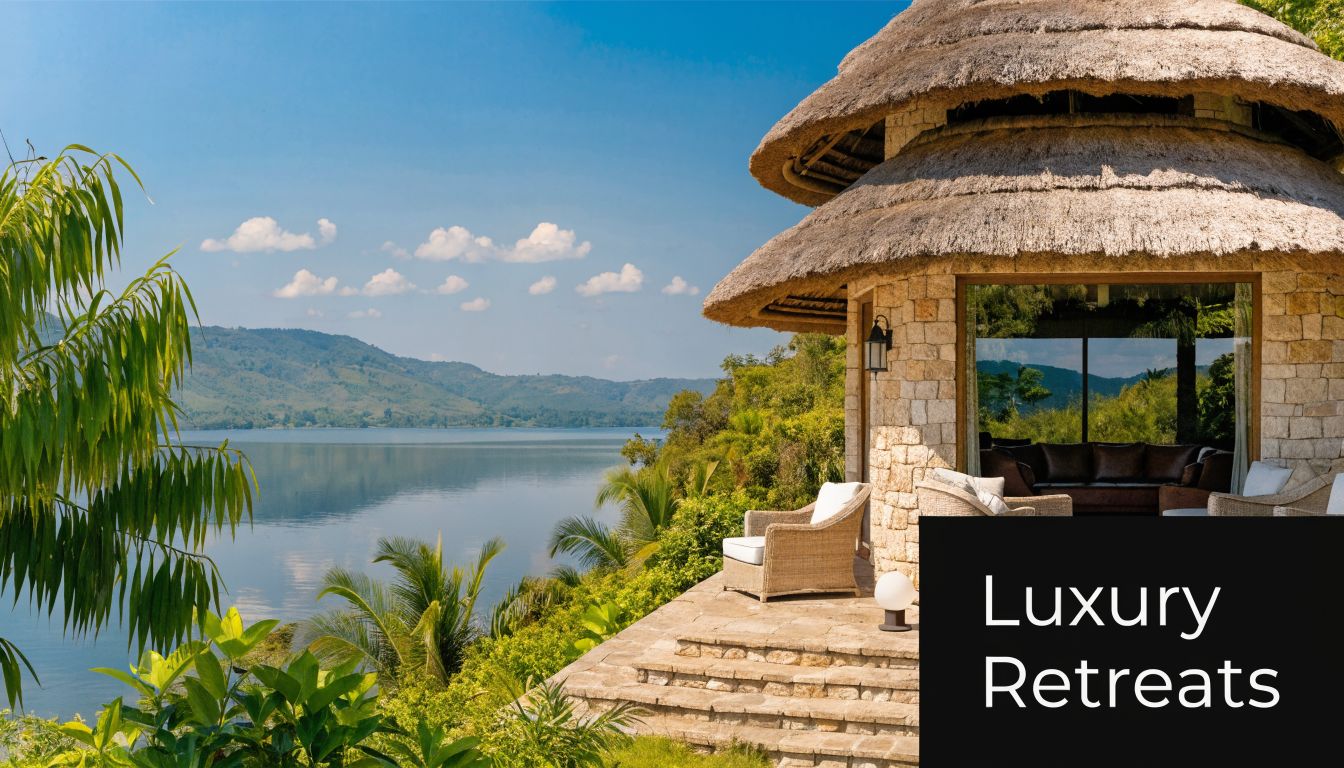
The market is now defined by a small set of exceptional properties offering private villas, helicopter access, and bespoke services. For UHNW travelers, names such as One&Only Gorilla’s Nest and Singita Kwitonda Lodge fill the gap standard safari content often misses, bringing the level of polish associated with Aman or Four Seasons style hospitality while emphasizing purpose-driven stays tied to wildlife and conservation, as noted by Go2Africa’s Rwanda overview.
What matters more than the brand name
A lodge can look beautiful in photographs and still be wrong for the trip. In Rwanda, I care about four things.
Privacy that feels architectural
The best properties understand sightlines, spacing, and silence. Privacy isn’t just a villa category. It’s how the whole place is designed. You should feel protected from visual noise, neighboring guests, and operational bustle.
Guiding and ground handling
Many travelers misjudge value. You’re not paying only for a handsome room. You’re paying for how smoothly the lodge handles early departures, changing weather, dietary preferences, trekking prep, laundry turnaround, and the thousand quiet details that either support or fracture the trip.
Sense of place
The strongest Rwandan lodges don’t import a generic luxury template. They interpret the terrain. Near Volcanoes, that often means forms and textures that echo the volcanic slopes and forest edge. In Akagera, it means a lighter touch with stronger horizon lines and water views.
Flexibility for private living
Some clients want the social energy of a lodge. Others want near-total seclusion. Rwanda now supports both, especially for travelers seeking stand-alone accommodation with dedicated service. If you prefer more residential privacy, private villas and estates through Haute Black can be integrated where appropriate alongside lodge stays.
My lodging advice by traveler type
Not every property suits every guest. Match the stay to the reason for travel.
- For honeymooners: choose intimacy over inventory. You want romance, visual drama, and staff who understand pacing.
- For multi-generational families: prioritize layout, ease of movement, and flexibility around meal times and activity intensity.
- For seasoned safari collectors: choose the lodge with the strongest guiding culture, not just the loudest design language.
- For privacy-driven principals and public figures: favor properties that can control sightlines, arrivals, and guest interaction discreetly.
Good safari lodging gives you comfort. Great safari lodging removes friction before you notice it was ever there.
Where travelers often get it wrong
They over-index on hotel names and under-index on itinerary sequencing.
In Rwanda, your lodge selection should respond to:
- the order of parks
- the early start requirements for trekking days
- whether helicopter transfers are being used
- how much decompression time you want between active wildlife experiences
A spectacular room in the wrong place is still the wrong choice. In this country, logistics and lodging are inseparable.
The Haute Black Difference Seamless VIP Logistics
The difference between a good safari in Rwanda and an extraordinary one is rarely visible in the photographs. It lives in the logistics.

Rwanda is compact, but that doesn’t mean you should treat movement casually. The terrain varies, weather matters, and the emotional cadence of the trip can be ruined by sloppy transitions. Luxury in this destination is not about excess. It’s about precision.
Where execution creates value
Anyone can reserve a lodge. Fewer people can build a journey where every transfer, permit, briefing, and arrival happens with calm authority.
The highest-value planning work in Rwanda usually involves:
- Permit strategy for hard-to-secure gorilla dates
- Transfer design that aligns with activity timing and guest energy
- Guide selection based on traveler pace, interests, and physical comfort
- Arrival management that protects privacy from airport to lodge
A specialist earns their fee in this specific situation.
Helicopters are not indulgent in the wrong itinerary
For the right traveler, rotary transfers aren’t a flourish. They’re a correction. They preserve time, reduce fatigue, and maintain the quality of the trip between parks. They’re especially useful when a guest wants to pair Volcanoes with Akagera and Nyungwe without turning the journey into a sequence of long road days.
For clients arriving by jet or integrating a broader East African journey, private aviation planning through Haute Black can be used for air arrival coordination and onward routing. In a destination where timing and access define the experience, that kind of integration matters.
What VIP ground handling should look like
The baseline should be simple.
- Airport transitions should be discreet. No confusion, no milling around, no improvisation.
- Vehicles should suit the route. Rwanda rewards proper equipment and polished chauffeurs.
- Park days should feel briefed, not busy. Guests should always know what matters and what doesn’t.
- Contingencies should already exist. Weather changes, pace changes, and preference changes are normal. Panic is not.
The traveler should feel the trip is effortless. The advisor should know it never is.
That’s the standard. Anything less and the destination loses some of its elegance.
Planning Your Bespoke Rwandan Journey
Rwanda rewards decisiveness. The travelers who get the best version of the country don’t browse indefinitely. They choose their dates early, secure the right access, and let the itinerary form around that spine.
Timing should be strategic, not generic
Dry periods are popular, but popular isn’t always optimal for a luxury traveler. Shoulder seasons often produce the more refined experience, especially for guests who care about lower on-the-ground density, gentler pacing, and a less performative atmosphere.
That’s why I advise clients to think beyond simplistic season charts. As noted in this Rwanda safari planning overview, discerning travelers should consider shoulder seasons, and well-connected advisors can help secure priority access to limited permits and private experiences for those with time constraints or mobility considerations.
Build the trip around the gorilla permit
The permit is the anchor. Everything else follows.
Once that date is set, shape the rest of the journey around:
1. Recovery and acclimatization before the trek
2. A buffer after the trek, because the experience deserves space
3. Complementary park sequencing, not random add-ons
4. The guest’s real pace, not an aspirational one
Clients often ask how long the trip should be. My answer is simple. Long enough to breathe. Short enough to remain sharp. Rwanda is not a destination to overstuff.
Pack for elegance and utility
Safari style in Rwanda should be disciplined. Skip costumes. Pack well-made, neutral, high-performance pieces that move between lodge life and field use without looking theatrical.
If you want a useful baseline on field-friendly tops, this guide to safari shirts for hunters is a practical place to start, especially if you care about fabric function more than safari cliché.
A smart Rwanda packing list includes:
- Trekking-ready layers that handle cool mornings and damp conditions
- Proper footwear for mud and uneven terrain
- A polished lodge wardrobe that doesn’t require overpacking
- Weather protection that folds easily into day gear
The itinerary I recommend most often
For a first serious safari in Rwanda, I prefer a balanced structure.
- Start in Kigali for a composed arrival and overnight reset
- Move to Volcanoes for the gorilla experience while energy is high
- Continue to Nyungwe for rainforest contrast and primate depth
- Finish in Akagera with savannah space, game drives, and a softer landing into classic safari mode
That order works because it respects emotional pacing. You begin with intensity and end with breadth.
Final advice
Don’t reduce Rwanda to gorillas, and don’t let a generic safari operator flatten the country into a standard template. This destination is at its most powerful when each element is deliberate. The right room. The right permit day. The right transfer strategy. The right amount of quiet.
That’s what turns travel into memory.
If you want a safari in Rwanda executed with precision, privacy, and real insider access, Haute Black can curate the itinerary around your priorities, whether that means gorilla permits, private aviation coordination, discreet lodge selection, or a full East Africa journey built to your pace.