Haute Black Journal
Botswana Chiefs Camp: Ultimate Safari Guide 2026

Marlene Azeez
Director, HauteBlack
View all articles →
# Botswana Chiefs Camp: Ultimate Safari Guide 2026
June 12, 2026
The first sound at Chief's Camp is rarely an engine. It's usually francolin in the half-light, then the low, steady call of a guide asking whether you want coffee on the deck before the morning drive. By the time the sky turns silver over the floodplain, you understand why seasoned safari travelers keep this camp in permanent rotation.
An Introduction to Africa's Legendary Camp
By the second morning, the pattern becomes clear. Coffee arrives discreetly, your guide already knows whether you prefer to leave at first light or linger for ten extra minutes, and the camp feels as if it has anticipated the day before you have asked for anything. That level of control is what places Chief's Camp in a different category.
Experienced safari travelers rarely speak about Chief's Camp in generic luxury terms. They refer to it as a proven choice for clients who want serious wildlife, sophisticated comfort, and a camp that still feels anchored to the Okavango rather than polished into something anonymous. The distinction is more significant than many first-time planners realize. In Botswana, a beautiful lodge can still be the wrong strategic fit if the setting, guiding model, or activity mix does not match the brief.
Chief's Camp has held its reputation because it solves that equation well. It suits travelers who want high-touch service without sacrificing the substance of the safari itself. For a private client, that usually means more than attractive interiors. It means guide quality, vehicle availability, room position, discreet handling of preferences, and a camp team that executes complex arrangements cleanly.
The historical dimension adds another layer. Chief's Camp sits within one of the Delta's defining conservation areas, and that legacy gives the stay more depth than a purely design-led lodge can offer. For guests who care as much about provenance as aesthetics, the context changes the experience. You are not just checking into a famous camp. You are arriving in a place that helped shape the standards by which Botswana safaris are judged.
For travelers planning a first safari in the region, I usually suggest starting with this African safari planning guide for first timers before fixing dates. Chief's Camp is exceptional, but it is at its best when the broader itinerary is calibrated properly, with the right season, the right air connections, and the right complementary camps around it.
Chief's Camp works especially well for clients who want the safari equivalent of a flagship suite. Service must feel easy and discreet. The wildlife still needs to justify the flight.
The Sanctuary of Chief's Island
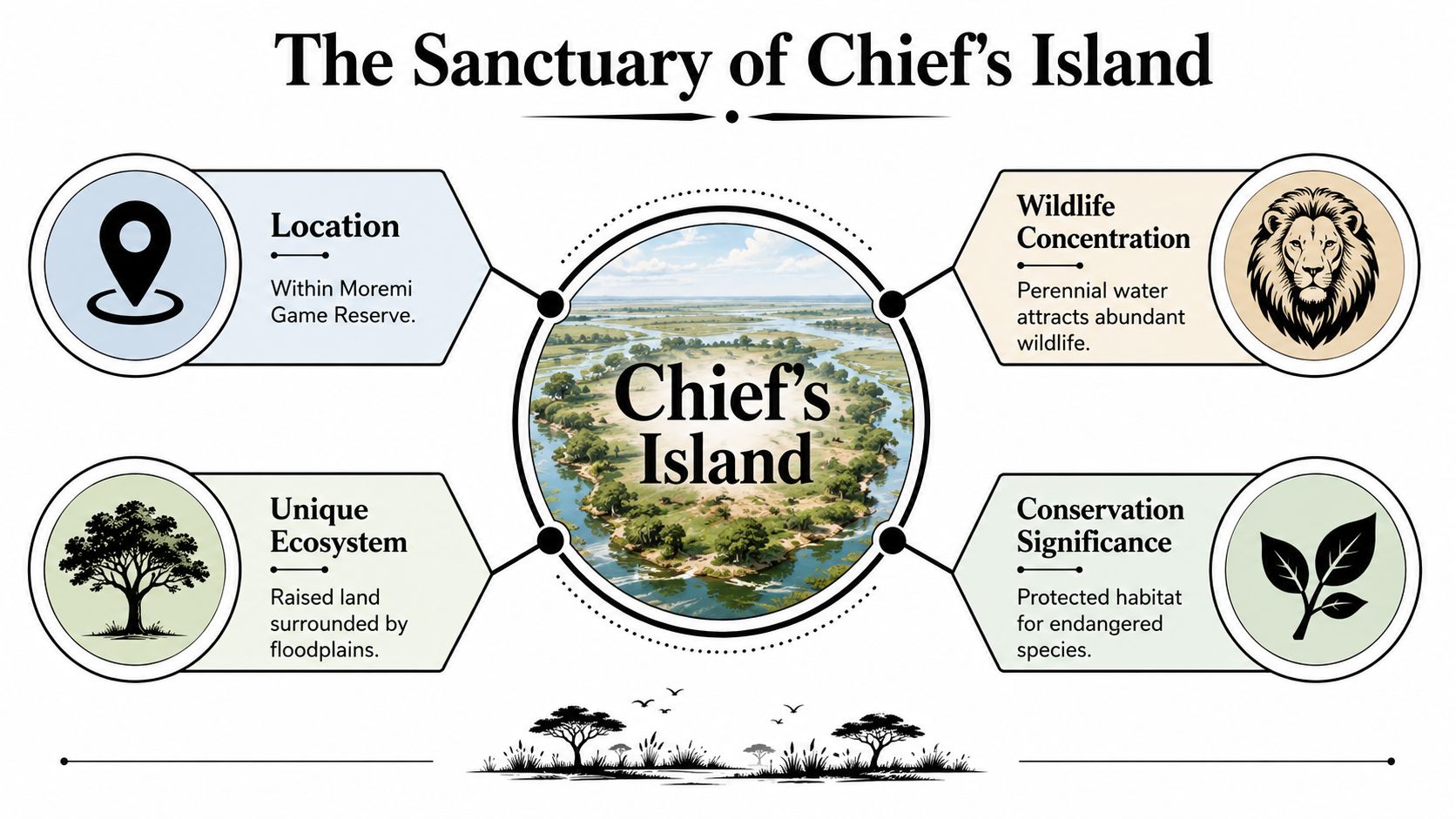
Chief's Camp stands on the north-western side of Chief's Island, the largest land mass in the Okavango Delta. That location isn't a marketing flourish. It's the reason the camp occupies such a distinct tier in Botswana safari planning.
According to Expert Africa's Chief's Camp profile, Chief's Island is known as the “predator capital of Africa” and hosts the complete Big Five alongside the African wild dog, with fewer than 5,000 individuals globally. The reserve also protects over 500 bird species, which gives the area unusual depth for travelers who want more than a lion checklist.
Why this terrain changes the safari
Chief's Island behaves differently from many softer, more uniformly wet Delta environments. Raised land, seasonal floodplains, and shifting water access create a setting where animals move with logic. Once you understand the terrain, the game viewing begins to feel less random and more legible.
That translates into a few practical advantages:
- Predator focus: Big cat viewing tends to feel more intentional here because guides can work with open ground, known crossing points, and prey movement patterns.
- Species breadth: You're not trading iconic sightings for niche interest. The appeal is range, from headline mammals to serious birdlife.
- All-day visual drama: Even quiet drives can feel rewarding because the natural setting itself is active, layered, and full of cues.
A common mistake is assuming all premier Delta camps deliver the same wildlife style. They don't. Some feel lyrical and waterbound. Chief's Island feels muscular. If your priority is sitting with a leopard longer, following lion dynamics with patience, or positioning for strong photography in open country, this concession often suits that brief better.
Conservation value, not just spectacle
Chief's Island also carries conservation significance that goes beyond game density. The area is associated with both black and white rhino and sits within one of Botswana's most important protected systems. For travelers who care where their luxury spend lands, that matters.
Practical rule: If a client wants a safari with moral clarity as well as comfort, I look for places where the conservation story is structural, not decorative.
The birdlife is another reason serious travelers stay longer than they first intended. More than 500 bird species in the reserve means even a dedicated predator itinerary gains texture. One drive can hold raptors, floodplain specialists, and woodland birds without feeling like a compromise between interests.
What works and what doesn't
A few clear planning truths apply here:
| Priority | What works at Chief's Island | What doesn't |
|---|---|---|
| Predator viewing | Longer stays, patient guiding, flexible drive timing | Treating each drive as a fast checklist |
| Photography | Private vehicle strategy, early positioning, repeat sightings | Constant camp-hopping |
| Mixed interests | Combining mammals, birding, and landscape time | Overpacking the schedule |
Travelers who thrive here usually share one trait. They give the place room to unfold.
Accommodations The Geoffrey Kent Luxury Suite
The accommodation at Chief's Camp should be approached the way you'd approach cabins on a yacht or suites on a train. The category you book shapes the rhythm of the stay, not just the square footage.
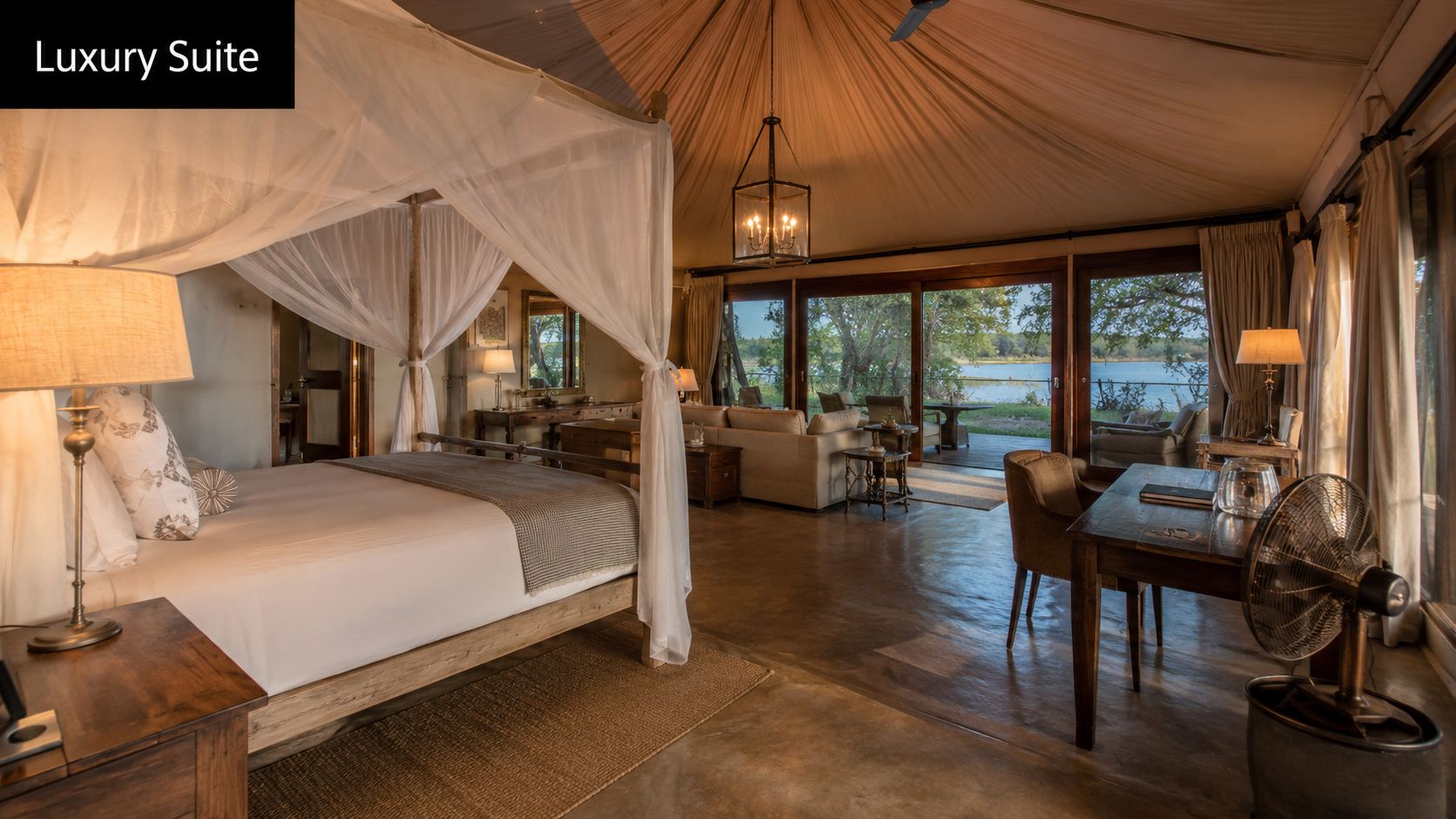
The camp underwent an extensive renovation in 2023, introducing a newly designed layout that reflects its standing as a premier luxury safari retreat within the exclusive Mombo Concession, according to andBeyond's Chief's Camp page. That renovation matters because it sharpened the camp's identity. It now feels more resolved, more contemporary, and better tuned to travelers who expect privacy without sterility.
Choosing between pavilion and suite
For most couples, the Luxury Pavilions are the right answer. They give you the design language, the immersion, and the sensation of being in the bush without sacrificing polish. The right pavilion booking usually comes down to privacy, distance from shared spaces, and how much in-room time you expect to have between drives.
The Geoffrey Kent Luxury Suite is a different proposition. It's for travelers who don't merely want a top room. They want operational separation. Think of it as a private residence inside a camp environment, suited to families, couples who value complete seclusion, or guests traveling with staff or layered requirements.
What tends to justify the suite in practical terms:
- Greater privacy: You can disappear without feeling absent.
- More controlled service flow: Meals, timings, and transitions can be handled with less friction.
- Dedicated safari cadence: It suits travelers who want their own pace, not the camp's default rhythm.
The luxury decision that actually matters
Most travelers focus too much on interior aesthetics. The sharper question is how you want your day to run.
If you're happy joining the camp's natural social current, a pavilion is usually enough. If you want your own vehicle plan, your own meal timing, your own return-to-camp rhythm, and minimal exposure to other guests unless you choose it, then the Geoffrey Kent Suite becomes much easier to defend.
A top safari suite isn't about excess. It's about reducing compromise.
Chief's Camp also benefits from being on the only area in the Okavango Delta that serves as a sanctuary for black and white rhino alongside the rest of the Big Five, as noted by andBeyond in the same property overview. That fact doesn't change the softness of the linens or the quality of the bath products. It changes the mood of the stay. Luxury lands differently when the wilderness outside your terrace still feels consequential.
My accommodation guidance
When advising a top client, I'd frame the choice this way:
1. Book the pavilion if the trip is wildlife-led, elegantly simple, and you'll spend most waking hours out with your guide.
2. Book the Geoffrey Kent Suite if privacy is paramount, the trip marks an occasion, or you need a fully bespoke daily structure.
3. Stay long enough to enjoy the room. At properties like this, two rushed nights can feel oddly transactional.
That final point is often ignored. At Chief's Camp, the room should be part of the experience, not just where you sleep between drives.
Curating Your Private Okavango Experiences
The finest stays at Botswana Chiefs Camp don't feel programmed. They feel edited. The difference is subtle but decisive.
A standard safari schedule can be pleasant almost anywhere. Wake early, drive, return, lunch, siesta, afternoon activity, dinner. What separates a strong Chief's Camp stay is how precisely those familiar pieces are tuned to the guest in front of the guide.
Build around a single obsession
The best private itineraries here often start with one dominant interest.
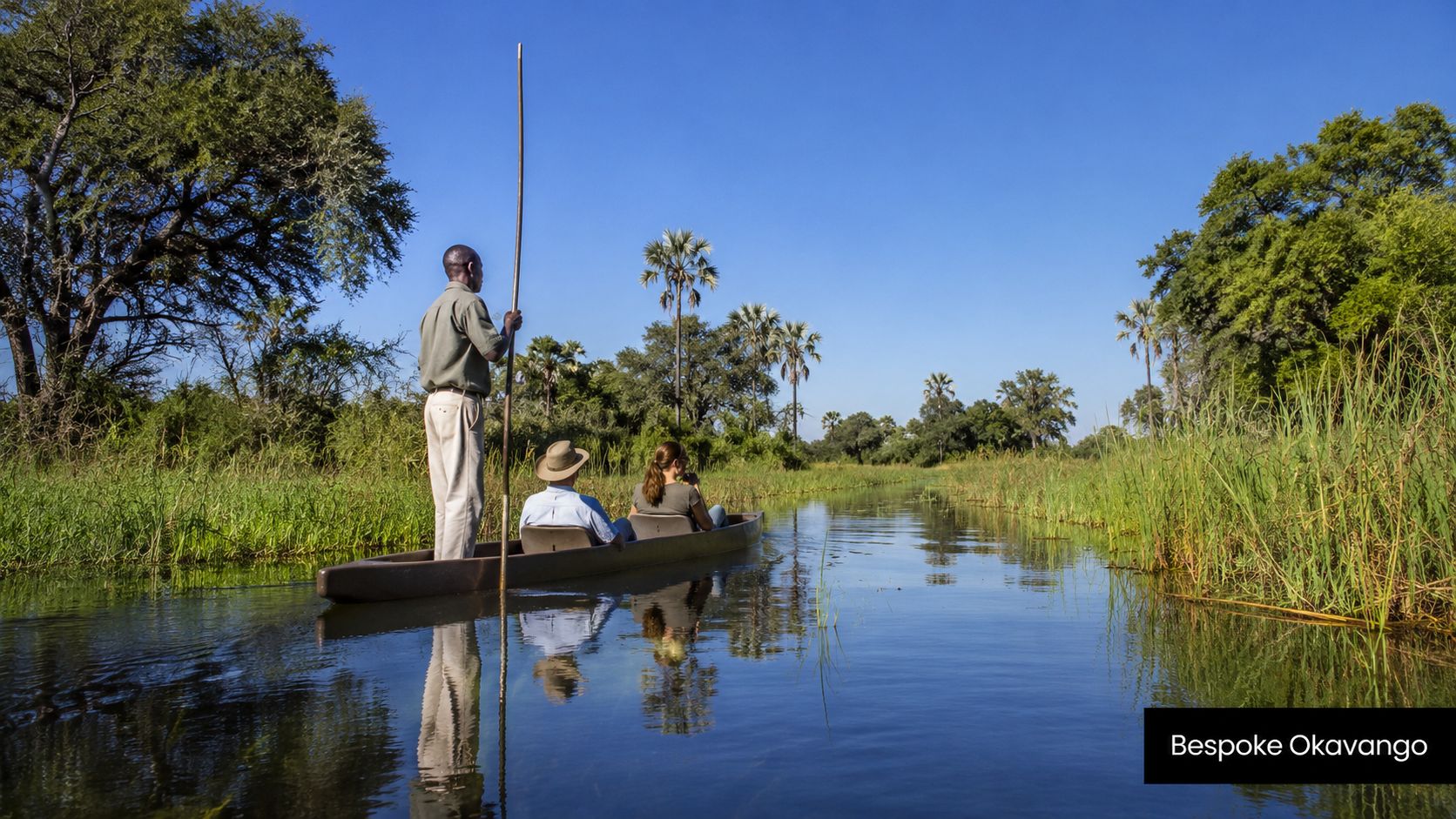
For one traveler, that may be predator behavior. For another, it's birds at first light, or the meditative stillness of moving through channels by mokoro. Once that central preference is clear, everything else can orbit around it without the trip feeling rigid.
A few examples of what tends to work well:
- For photographers: reserve more time on fewer sightings, ask for repeated positioning rather than constant movement, and avoid overcommitting to every camp meal.
- For honeymooners: keep one or two drives private, then let the rest remain flexible. Too much exclusivity can flatten the social energy of camp.
- For seasoned safari guests: request variety in tempo. One hard-charging wildlife day, one slower scenic day, one long breakfast in camp.
Land and water, used properly
Chief's Camp can deliver very different moods depending on water levels and the style of outing chosen. A game drive in open country has urgency. A mokoro outing has silence, detail, and a near-ceremonial pace that many travelers don't expect until they're in it.
Used badly, these experiences can feel like a menu of obligatory extras. Used well, they create contrast.
Don't schedule every available activity just because access exists. A luxury safari improves when there's white space around the headline moments.
Later in the stay, a private bush meal or a quiet sundowner stop can feel more memorable than another technically excellent sighting. That isn't because the wildlife matters less. It's because the emotional register changes. Chief's Camp rewards travelers who let the Delta alternate between intensity and calm.
A strong visual sense of the place helps before arrival:
What I'd customize first
If I were shaping the stay for a demanding client, I'd prioritize these adjustments before adding anything decorative:
- Vehicle privacy: not always necessary, but invaluable for photographers and families.
- Guide fit: some guests want interpretation and natural history depth, others want stillness and tracking focus.
- Meal placement: breakfast in the bush, lunch back at camp, or dinner kept private according to mood.
- Drive timing: leave a little earlier, stay a little longer, or return mid-morning if the wildlife tells you to.
That's where true exclusivity lives. Not in excess activity, but in control over pace.
Strategic Timing and Seamless Logistics
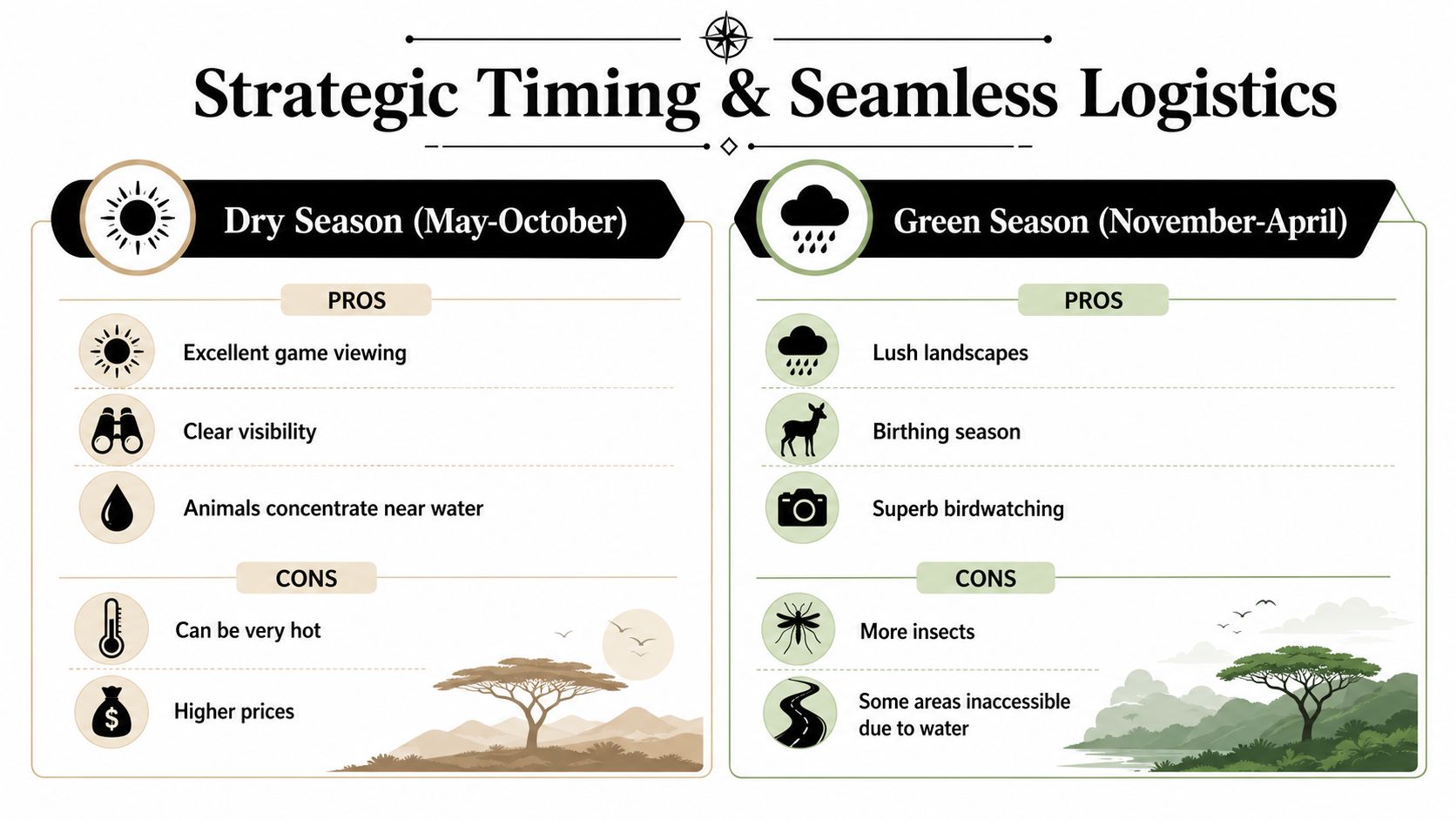
The smartest way to choose dates for Botswana Chiefs Camp is to start with your primary objective. If the answer is big cats and concentrated game viewing, the dry season is the cleanest fit. If the answer is atmosphere, birdlife, softer light, and a greener environment, the green season can be the more elegant choice.
Expert Africa notes that the dry season from June to October is the optimal period for viewing big cats in this area because seasonal water patterns create refuge for animals during the dry months, concentrating wildlife in ways that reward patient game driving. That timing advice is particularly useful for travelers who don't want to leave predator sightings to chance.
When to go based on what you value
The dry season tends to suit clients who want visual clarity and fewer variables. Vegetation is less dense, movement around water becomes more predictable, and the overall safari rhythm feels direct. If you're flying a long way for a flagship Botswana stay and want the strongest odds on classic viewing, this is often the safer decision.
The green season appeals to a different sensibility. The scenery feels more lyrical. Birding improves in character and variety. Photography can become more atmospheric, particularly for travelers who prefer drama in skies and softer tonal contrast over pure concentration of game.
Logistics that should feel invisible
andBeyond notes that access to the camp is handled by light aircraft from Maun International Airport to a nearby airstrip, followed by a game drive or boat transfer to camp, in its Chief's Camp overview. That's the correct level of remoteness for this kind of experience. You feel removed, but not operationally strained.
For a high-net-worth traveler, the primary issue isn't whether the routing is possible. It's whether anyone in the party ever has to think about it.
That's where integrated planning matters. Coordinating international arrival timing, regional air, baggage limits, special handling, and onward positioning requires precision. For clients who prefer to keep that entire chain under one roof, private aviation planning through Haute Jets can sit neatly alongside the safari routing when needed.
The ideal transfer day feels calm, not impressive. If a guest is talking about logistics more than the landscape, the journey wasn't designed properly.
A simple timing framework
| Traveler priority | Better fit |
|---|---|
| Big cats and concentrated game | Dry season |
| Birding and lush scenery | Green season |
| First Botswana safari | Usually dry season |
| Repeat Africa traveler seeking mood | Often green season |
What doesn't work is choosing dates solely by broad destination reputation. Botswana is nuanced. The right season depends on the style of safari you want, not just the month that appears most often on a generic “best time to visit” chart.
The Haute Black Difference VIP Access
A polished Botswana safari is easy to buy. A well-orchestrated one is much harder to build.
At Chief's Camp, the difference shows up in the margins. The suite assignment is right for the client's privacy threshold. The camp has the family dynamics before arrival, not after the first awkward dinner. The guide knows whether the brief is photography, big cats, or a slower, more reflective pace. Those details rarely appear on an invoice, yet they shape the entire stay.
Chief's Camp already has stature. What changes the outcome is the judgment applied around it.
With a camp of this caliber, specialist planning is less about securing space and more about protecting the experience from small but expensive missteps. One extra night can deepen the rhythm of the Delta, or flatten it. A romantic follow-on in the wrong place can feel generic after Botswana. Even room category needs discipline. The top category is not automatically the right one if the client values location, hosting flow, or a particular sense of remove more than square footage.
The planning work usually comes down to a few high-value decisions:
- Length of stay: enough time for the camp to open up, without losing momentum across the wider itinerary.
- Pairing strategy: choosing what follows Chief's Camp based on emotional contrast, not map logic.
- Room selection: matching privacy, hosting needs, and style of travel to the right accommodation.
- Arrival design: protecting the first 24 hours so fatigue does not blunt the camp's strongest moments.
Relationships matter here, but they should be discussed with restraint. Preferred partner access can improve room positioning, support specific requests, and create a smoother arrival cadence. It does not change the camp into something it is not. It gives an experienced advisor more room to shape the stay well.
Haute Black sits in that role as a Virtuoso-affiliated luxury travel platform with advisor access across high-end hotels, villas, flights, and concierge support. For travelers combining Botswana with Cape Town, Victoria Falls, or an island finish, that central control reduces handoff risk and keeps standards consistent. Their approach is clearest in these customized luxury travel programs, where itinerary design starts with the traveler's priorities rather than a prebuilt route.
Quiet precision is the point.
A strong VIP setup means the camp already knows the household's pace, preferences, and purpose for the trip. It means celebratory touches feel considered rather than performative. It means dietary requests are briefed properly, wake-up calls happen at the right hour, and onward arrangements support the day instead of interrupting it. Guests notice the absence of friction more than any overt display.
Even small details contribute to that fluency. Clients often arrive with carefully chosen field gear, and practical pieces like the best travel bags for women can make aircraft transfers and camp living noticeably easier without sacrificing style.
For this level of traveler, VIP access means continuity, discretion, and excellent judgment applied before the first wheels-up. That is where a fine safari becomes a private one.
Planning Your Bespoke Botswana Itinerary
The best Chief's Camp itineraries are usually decided before the first flight is booked. One client wanted every headline camp on a single Botswana circuit. We cut it back. The result was a calmer, sharper journey with enough time on Chief's Island for the camp to reveal its rhythm properly, from crisp dawn departures to long lunches and evenings that did not feel rushed by the next transfer.
That is the standard to hold. A strong Botswana plan gives Chief's Camp room to lead the trip rather than squeezing it into an overdesigned route. For this level of traveler, the question is not how many stops fit on paper. It is how each stop serves the purpose of the journey, whether that is exceptional game viewing, a celebratory honeymoon, or a polished family safari with very little operational drag.
Three itinerary frameworks that travel well
The predator-focused journey
Start with a single recovery night after the long-haul arrival, then move into Chief's Camp for a proper field stretch. Three or four nights usually gives the guides time to read your interests, refine drive patterns, and build continuity around sightings rather than chasing novelty. Finish with a softer final stop where the pace drops and the photography kit can stay packed for a morning.
This format suits travelers who want their strongest memories to come from the bush itself.
The Delta honeymoon
Open with Chief's Camp when the priority is impact from day one. The privacy, scale, and concentration of wildlife create immediate momentum. Follow it with a second property that changes the emotional register, perhaps more water-based, more spa-led, or quieter, with slower mornings and fewer early alarms.
The sequence matters. Intensity first, then release.
The family legacy safari
Use Chief's Camp as the centerpiece and keep the wider itinerary disciplined. Families traveling across generations tend to do better with fewer camp changes, clearer flight timings, and enough downtime between activities. The point is not to keep everyone busy. The point is to keep the trip smooth, comfortable, and memorable for the right reasons.
For travelers assessing how a private journey can be shaped around pace and priorities, these customized luxury travel programs offer a useful reference point.
Packing well without overpacking
Packing for Chief's Camp rewards restraint. Regional aircraft have practical limits, camp living favors ease, and the polished traveler always looks better with a concise wardrobe than with too many options.
A well-judged packing plan usually includes:
- Daywear: breathable shirts, lightweight trousers, and one smart layer for cold starts
- Footwear: one field-ready shoe and one relaxed pair for camp
- Gear: camera equipment, chargers, spare batteries, and binoculars that are pleasant to carry
- Sun and dust protection: hat, sunglasses, sunscreen, and a scarf or buff
Soft-sided luggage is still the right call. If you are refining what to bring, this guide to the best travel bags for women is a practical place to start, especially for light aircraft transfers and camp-to-camp moves.
Health notes that belong in the planning stage
Health preparation should be handled early, with current advice tied to your exact routing. Speak with a qualified travel health specialist about malaria protocols, prescriptions, and any transit or entry requirements that affect the journey. Do not leave that work until the final week.
One last point matters more than any packing list. Give Chief's Camp enough time. The property delivers best when it sits at the center of a well-paced Botswana itinerary, with space for private tailoring, reliable flight connections, and the kind of unhurried field time that turns a very good safari into one that feels personally designed.