Haute Black Journal
10 Best Nature Vacations in USA: Luxury Escapes for 2026

Marlene Azeez
Director, HauteBlack
View all articles →

Standing beside a geyser basin at dawn in Wyoming, then watching red canyon walls glow in Utah a few days later, is the kind of contrast that makes a U.S. nature vacation memorable. The challenge is choosing places where luxury access improves the experience, rather than just adding a beautiful room to a crowded itinerary.
This guide covers ten destinations where high-end lodges, private guides, helicopter access, wellness stays, and carefully timed departures can change the trip. You'll find honest notes on crowds, weather, access, physical demand, and booking lead times, because the best nature vacation in the USA depends less on a universal ranking than on how well the destination fits your dates and your group.
National parks remain a strong foundation for premium travel. NPS sites recorded 331.9 million visits in 2024, while nearby gateway communities received $29 billion in visitor spending, according to the National Park Service economic contributions overview. Demand is real, and planning matters.
For ideas beyond the standard itinerary, see natural wonders with HYDAWAY.
1. Yellowstone National Park, Wyoming, geothermal wonders and wildlife safari
Yellowstone rewards travelers who give it time. The park's geothermal basins, wildlife habitats, and long distances make a rushed visit feel like a series of roadside stops. A private naturalist changes that rhythm by choosing the right basin, reading animal behavior, and moving the day around weather and light.
At dawn, Grand Prismatic Spring can feel entirely different from its busy midday version. Old Faithful offers the iconic moment, but the better luxury itinerary also makes room for quieter geothermal areas, bison viewing, and golden-hour photography. A helicopter transfer may sound efficient, but it must be evaluated against operating conditions, park rules, and the value of seeing the scenery from the road. In many cases, a private vehicle and excellent guide deliver more control.
The access decision
Stay near the park for early starts, or choose a premium property in a nearby gateway community for stronger dining and room comfort. The first option reduces driving. The second can provide a more polished base, but adds transfer time each day.
May through June and September through October can offer a useful balance between access and visitor pressure, though conditions vary. Snow, road openings, wildlife movement, and sudden weather can affect plans. Yellowstone is also broad enough that a multi-day itinerary works better than trying to cover every major attraction in a single loop.
Practical rule: Use the first and last hours of daylight for wildlife and photography, then reserve the middle of the day for geothermal walks, dining, or a flexible recovery block.
HauteBlack can also pair Yellowstone with nearby Jackson Hole experiences through its guide to luxury experiences in Jackson Hole.
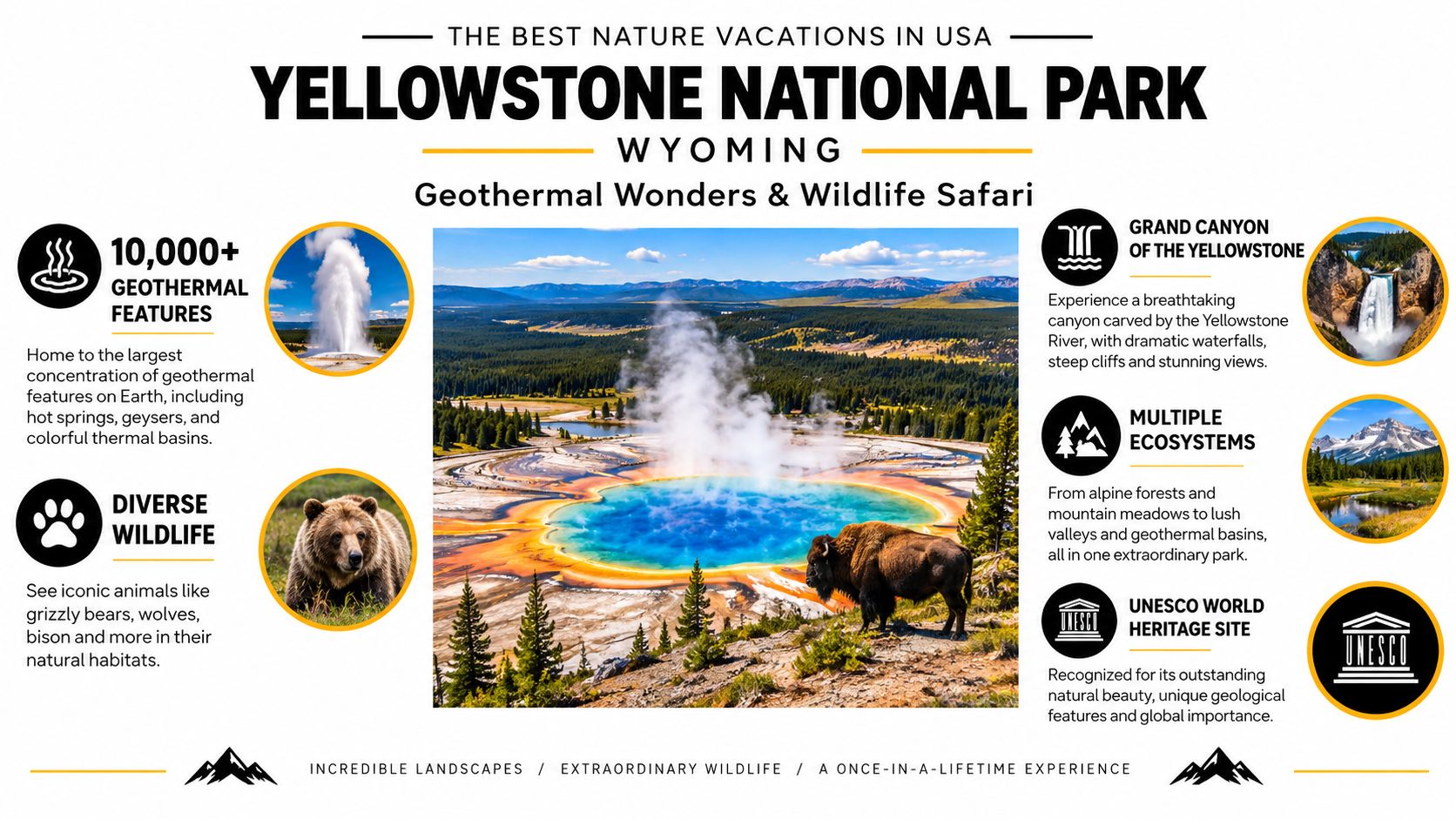
A visual overview of Yellowstone's geothermal and wildlife contrasts can help you plan the balance between iconic stops and quieter field time.
2. Big Sur, California, dramatic coastal cliffs and bohemian luxury
Big Sur is less about ticking off attractions and more than controlling your pace along the coast. The terrain shifts between forest, cliff, ocean, and open sky, often within a short drive. A private villa or design-led resort works well here because the accommodation becomes part of the experience, especially when fog or wind makes a long outdoor day less appealing.
The luxury decision is simple. Do you want to stay close to the coastal road and spend more time exploring, or choose a secluded property where the view, spa, and dining carry more of the itinerary? Private chef dinners, clifftop yoga, guided tide-pool walks, and marine interpretation can make the coast accessible without turning it into an endurance schedule.
Timing the Pacific light
October and November can bring clearer skies and fewer visitors than the main summer period, but coastal weather remains changeable. Don't build every day around a single viewpoint. Plan several nights so you can use clear mornings for photography and scenic drives, then shift to wellness, reading, or a private dining experience when marine fog moves in.
High-demand properties should be reserved well ahead of arrival, particularly if you want a specific room category or private estate. Highway conditions can also affect the route, so a driver who watches closures and local access is more valuable than a generic transfer.
- For couples: Pair a sunset drive with a private meal on a terrace rather than scheduling several hikes.
- For families: Use a naturalist-led coastal walk to add context without requiring a strenuous day.
- For wellness travelers: Protect midday time for treatments, ocean-view rest, and flexible dining.
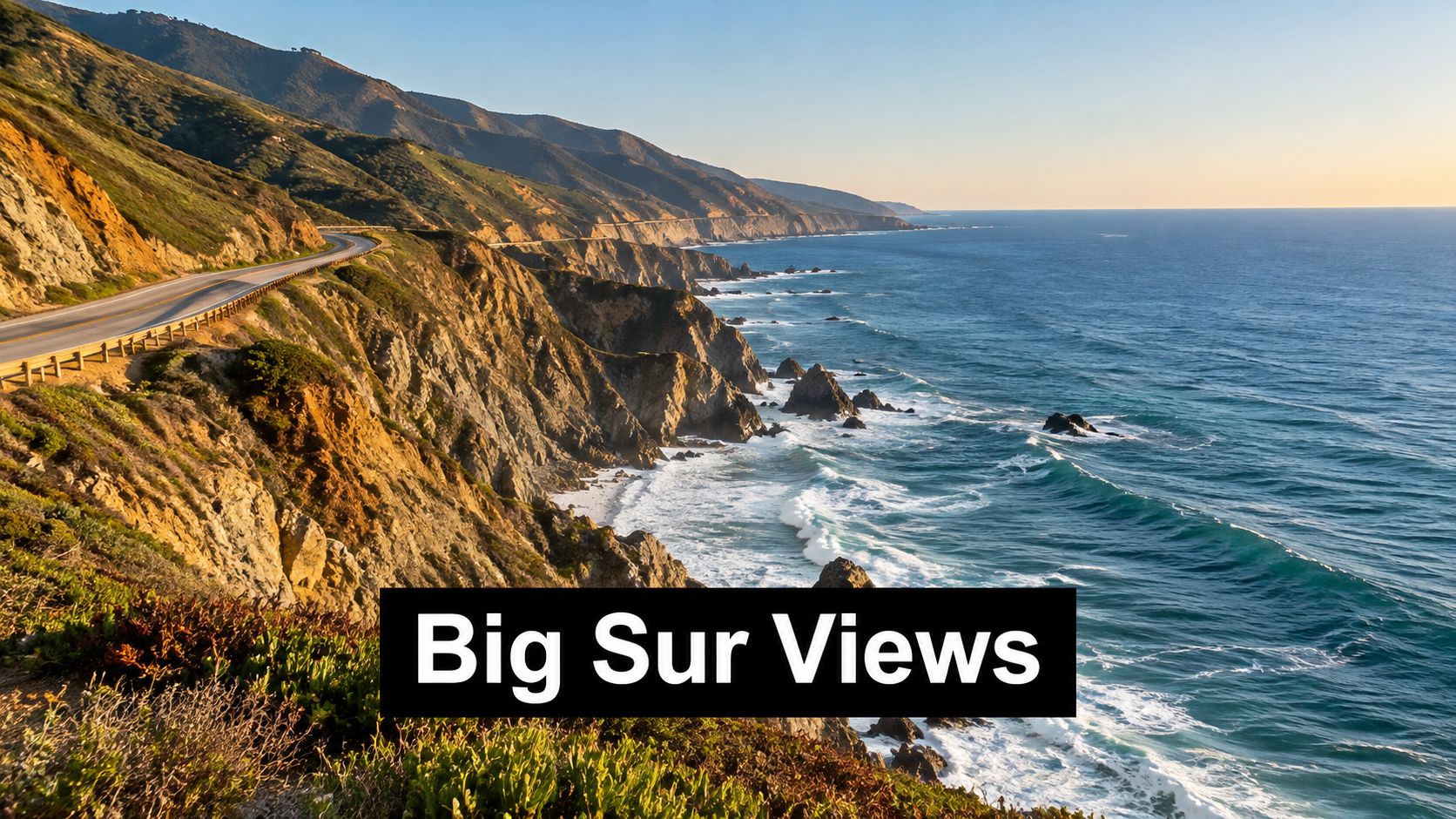
The right dress code for Post Ranch Inn is relaxed but considered, which fits Big Sur's blend of wilderness and refined hospitality.
3. Moab, Utah, red rock canyons and an adventure capital
Moab works when the itinerary respects the desert. Arches and Canyonlands deliver enormous visual rewards, but heat, exposed trails, and long drives can make midday activity uncomfortable. The most effective luxury plan places demanding experiences early, then uses a refined lodge, ranch, or private dining setup for recovery.
A private guide is especially useful for travelers who want adventure without wasting time on unsuitable routes. Rock climbing, mountain biking, horseback riding, canyon hikes, and photography each require different equipment and pacing. A guide can also adjust the plan when heat, wind, or trail conditions make the original activity a poor choice.
Choose the right kind of altitude
Helicopter sightseeing over Dead Horse Point or remote canyon country provides a dramatic aerial perspective, but it shouldn't replace time on the ground. The best itineraries use air access selectively, then pair it with a slower geological walk or a private photography session. Sunrise and sunset produce the strongest light, while the middle of the day belongs to shaded activities or the spa.
March through April and September through November are practical periods for active travel, with temperatures generally more manageable than the hottest part of summer. An early start is still sensible. A dawn departure can protect the rest of the day from heat and leave room for a second, lower-intensity experience.
Stay at properties such as Sorrel River Ranch or Desert Rambler if comfort matters after a demanding day. Book helicopter operations, climbing guides, and specialist equipment well ahead, especially when several travelers need coordinated departures.
A strong Moab itinerary alternates intensity. Follow a technical activity with a scenic drive, a long lunch, or stargazing rather than stacking multiple strenuous experiences.
4. Acadia National Park, Maine, Atlantic coastal beauty and carriage roads
Acadia suits travelers who want Atlantic scenery with flexible levels of exertion. Granite ridges, rocky shorelines, carriage roads, fishing villages, and calm-water activities let couples and multigenerational families adjust each day to weather and energy. The luxury decision is choosing the right base and guide, then leaving enough time between experiences.
For the clearest sunrise, arrange a private transfer to Cadillac Mountain and depart early. Afterward, use a naturalist for a carriage-road cycling outing or a coastal walk. The guide can match the route to the group, explain Acadia's geology and ecology, and change plans if fog or rain reduces visibility. A gourmet picnic or waterfront lunch in Bar Harbor gives the day a slower second half.
Choose access before choosing the room
May through June and September through early October offer a practical balance of milder conditions and manageable crowds. Autumn color brings strong demand, so popular lodging and guided activities lose flexibility quickly. An early departure also matters in peak periods, when traffic and limited parking can disrupt a carefully timed morning.
Balance Rock Inn and Harborside Hotel keep dining and harbor activity close at hand. That convenience comes with more coordination inside the park. A private driver simplifies transfers, but cannot remove the need for an early start on popular mornings. A quieter lodge setting may provide more privacy, while Bar Harbor offers easier access to restaurants and boats.
Plan the active days around the group rather than repeating steep hikes. Carriage roads work well for a private cycling session, kayaking adds a different view of the coast, and a gentle walk preserves energy for dinner. A private photographer can turn Cadillac Mountain's sunrise into a planned experience instead of a brief viewpoint stop. Helicopter access over Acadia and nearby islands adds perspective when visibility is good, but it costs time and money without replacing ground-level exploration.
Rain rarely ruins the itinerary. Families can shift toward villages, restaurants, galleries, and a comfortable lodge while keeping the park experience intact. Acadia's strongest advantage is that the backup plan still feels like a vacation.
5. Zion National Park, Utah, dramatic canyon majesty and adventure
Zion is visually generous but operationally demanding. Canyon walls are easy to admire from a vehicle or shuttle, while signature routes such as Angels Landing and The Narrows require careful timing, permits or reservations where applicable, equipment, and a realistic assessment of fitness. The luxury traveler's advantage is not skipping the effort. It's having an expert shape the effort around conditions and ability.
November through March can make Zion more manageable than the busiest warm-weather periods, although winter conditions can affect trails and water levels. Early morning remains the best strategy. A private guide can schedule a first-light departure, select a riverside or overlook route for less active travelers, and coordinate the technical details of a Narrows expedition.
Springdale versus the canyon floor
A comfortable Springdale base, such as La Posada de Zion or Cable Mountain Lodge, keeps transfers short and gives travelers an easier recovery period. A luxury stay outside the immediate gateway may offer more space or privacy, but adds transport time. For families, couples, and executives with fixed schedules, proximity usually wins.
Angels Landing is not a casual sunrise walk. The final sections demand comfort with exposure and changing conditions. The Narrows can be equally unsuitable when water temperatures, flow, or weather turn unfavorable. A private guide should be authorized to replace either plan with a scenic drive, photography session, or lower-intensity trail.
HauteBlack's guide to national parks in Utah and Arizona places Zion within a broader regional itinerary, which is useful when combining canyon scenery across several park areas.
6. Grand Canyon National Park, Arizona, geological wonder and Colorado River adventure
The right Grand Canyon itinerary depends on how much access you want beyond the rim. A private guide can shape the day around geology and changing light, then arrange one deeper experience, such as a guided descent, river journey, or helicopter flight. Each option carries a different cost, time commitment, and physical demand.
The South Rim suits a classic luxury stay because it offers the broadest choice of viewpoints and services. El Tovar and Bright Angel Lodge provide historic atmosphere and immediate park access, but rooms are limited and should be requested early. Private accommodation nearby offers more space and service. The trade-off is a longer transfer before the first viewpoint.
Choose the access level before choosing the schedule
March through May and September through November generally provide more comfortable walking conditions than the hottest months. These periods can still bring popular travel dates, so departure timing matters. Start at sunrise, reserve the middle of the day for a geology walk, lunch, or rest, and return to the rim for late light.
A Phantom Ranch descent is a serious undertaking. A private guide can assess heat, elevation, fitness, and recovery time, but guidance does not remove the physical demands. Mule-supported travel changes the effort without making preparation optional. Colorado River rafting creates a closer relationship with the canyon walls, although it requires a longer commitment and specialist logistics. Helicopter tours deliver scale quickly, but work best as one part of the visit rather than the whole plan.
Choose the experience that matches the traveler:
- For first-time visitors: Pair a guided rim visit with a flight or short trail.
- For active travelers: Review heat, elevation, and recovery requirements before committing to a deeper descent.
- For families: Use geological interpretation, short walks, and flexible viewpoints instead of forcing a strenuous itinerary.
- For photographers: Protect first and last light, when the walls gain color and depth.
Plan two rim viewpoints per day rather than five. The canyon reads better when each stop receives enough time for the light and scale to register. A slower schedule also leaves room to change plans if heat, fatigue, or flight conditions affect the deeper experience.
7. Glacier National Park, Montana, alpine peaks and pristine wilderness
Glacier rewards travelers who want real wilderness with a carefully managed level of comfort. The key decision is where to sleep and how much access to arrange. Staying inside the park shortens scenic transfers, while a private base outside the boundaries can provide more consistent rooms, dining, and service.
Many Glacier Hotel and Lake McDonald Lodge offer historic character and direct access to the natural surroundings. Book early, especially if fixed dates or specific room types matter. Their setting is the advantage. Their older rooms and less predictable service may feel limited beside a private luxury property outside the park.
June through September is the practical season for most visits. June and September can feel quieter, but snow, road openings, and trail conditions vary. Confirm current access before committing to a detailed itinerary. The Going-to-the-Sun Road delivers major scenery without requiring a long hike, and a private driver removes parking and navigation stress.
Timing shapes the experience. Leave early for better light, easier wildlife viewing, and more flexibility on popular roads. Later departures can reduce the morning rush, but they leave less room for weather delays and trail changes. A private guide can select alpine lakes, gentle walks, or backcountry routes that suit the group's fitness and confidence.
Bear safety requires disciplined planning. Use a guide familiar with grizzly protocols for remote routes, and keep wildlife encounters strictly observational. A guided lake paddle or private interpretation session adds variety without committing to a demanding ascent. Helicopter-supported mountaineering offers remote access, but weather, safety, and operational limits make it a specialist choice rather than a simple upgrade.
Plan one demanding day, then follow it with a scenic drive or lodge-based recovery period. Layers are required because mountain weather can change quickly. Remote camping or an extension into the Bob Marshall Wilderness adds depth, while also increasing logistical demands and reducing access to comfort.
Glacier asks more of travelers than many destinations on this list. The right lodge, guide, and departure time make the difference between difficult logistics and a rewarding wilderness stay.
8. Great Smoky Mountains National Park, Tennessee and North Carolina, misty peaks and Appalachian culture
The Smokies suit travelers who want accessible mountain scenery, Appalachian culture, and a wide choice of lodging. They also demand disciplined timing. The National Park Service visitor information records more than 12 million recreational visits in 2024, making early departures and realistic driving plans important.
Cades Cove is best approached at dawn, before the loop becomes slow and crowded. A private guide can replace a full day of traffic with a focused waterfall walk, historic cabin visit, or selected overlook. Helicopter access is not the defining luxury here. A well-chosen lodge, local guide, and departure time usually add more value than a costly aerial transfer.
Asheville or a gateway town
Asheville offers stronger dining, culture, and luxury accommodation, including properties such as Omni and Grand Bohemian. The trade-off is transfer time into the park. A Tennessee gateway or a North Carolina town closer to the trails reduces daily driving, but evening dining and hotel service may be less polished.
May through June and September through early October often balance trail conditions with lower visitor pressure. October foliage brings exceptional color and heavier demand, so it suits travelers who accept crowded roads and higher accommodation pressure. June may offer synchronous firefly viewing, but access depends on the park's permit system and operating arrangements.
The Smokies reward a split strategy. Stay in Asheville for culture and dining, then schedule park days around dawn access rather than trying to cover every road. A private guide can also shift the itinerary toward quieter trails when the main routes fill.
For a family-oriented extension, see HauteBlack's bespoke North Carolina vacation ideas. The strongest itinerary combines mountain time with Appalachian culture, Asheville meals, and enough downtime to keep traffic from controlling the trip.
9. Olympic National Park, Washington, temperate rainforest and coastal wilderness
Olympic suits travelers who want rainforest, mountains, and Pacific shoreline in one trip. The trade-off is distance. These ecosystems are spread across the peninsula, so a single base means longer drives and less time outdoors. A split stay usually costs more, but it protects the pace of the itinerary.
July through September is the most reliable period for many trails and mountain activities. Rain can arrive in any month, so pack waterproof layers and plan around changing conditions. Start rainforest walks early for quieter paths and softer light. Keep coastal days flexible, since tide timing and weather can change the best route.
Build the stay around access
Lake Crescent Lodge and Sol Duc Hot Springs Resort offer setting and atmosphere rather than the service of a full-service city hotel. Choose between them based on the areas you want to reach, then accept the limits of rustic accommodation. Travelers who prioritize comfort may prefer two bases, even with the added transfer.
A private guide is most useful in the Hoh Rainforest. Local ecological knowledge adds context to the giant trees, mosses, and changing trail conditions. On the coast, a marine biologist can improve tide-pool visits while helping guests choose safe access points and avoid disturbing fragile shoreline habitat.
Mount Olympus mountaineering requires a separate level of preparation. Glacier experience, specialist equipment, and a serious time commitment make it unsuitable as a casual extension of a forest or beach itinerary.
For the strongest schedule:
- Allow several days: Give forest, mountain, and coast separate blocks.
- Use two bases: Pay for shorter transfers if comfort matters more than a simple hotel plan.
- Depart early: Morning starts reduce traffic pressure and create quieter trail time.
- Pack for wet weather: Waterproof layers remain useful during the preferred season.
- Pair with Seattle: Add polished dining, museums, and an easier arrival or departure before entering the peninsula.
Olympic works best for travelers who accept imperfect weather. Rain shapes the forest's character, and a private guide, carefully chosen lodge, and flexible departure time often add more value than trying to force every ecosystem into one rushed circuit.
10. Desert Hot Springs and Joshua Tree, California, high desert majesty and wellness retreats
A sunrise climb in Joshua Tree followed by geothermal soaking in Desert Hot Springs creates a practical nature-and-recovery itinerary. Joshua Tree National Park delivers boulder formations, desert ecology, Joshua trees, climbing, photography, and dark skies. Desert Hot Springs provides spa treatments, warm pools, and a slower base between outdoor sessions.
October through April offers the most comfortable conditions for active exploration. The trade-off is higher demand for well-positioned lodging and guided experiences. Summer brings fewer visitors but far harsher daytime exposure, so the itinerary must shift toward dawn, evening, and indoor recovery. In the cooler season, schedule a private hike, climbing session, or photography outing early, then keep the warmest part of the day for a treatment, pool, or long lunch.
Make the base part of the itinerary
Sparkling Well Resort and Two Bunch Palms suit travelers who want wellness built into the stay. Confirm current room, spa, and dining arrangements before booking. A resort adds value here only when it reduces friction between outdoor plans and recovery. A private desert guide improves route choice and pacing, while a park naturalist adds useful context on geology, ecology, and changing conditions.
Couples often get more from a sunrise photography session and a protected spa block than from several consecutive hikes. Families usually do better with short walks, boulder exploration, and a guided night-sky program. A helicopter transfer can shorten arrival logistics, but it adds cost and offers less flexibility than a well-planned road transfer. Choose it for time savings, not as a default luxury upgrade.
Plan these details before arrival:
- Book stargazing early: Clear conditions and specialist availability affect professional astronomy sessions.
- Time the desert picnic: Shade, water, food quality, and departure timing matter more than elaborate styling.
- Protect the afternoon: Wellness time is part of the itinerary, not unused space.
- Keep evenings flexible: Wind and falling temperatures can change outdoor comfort.
- Choose the departure window carefully: A late morning exit allows recovery, while an early departure avoids some road and heat pressure.
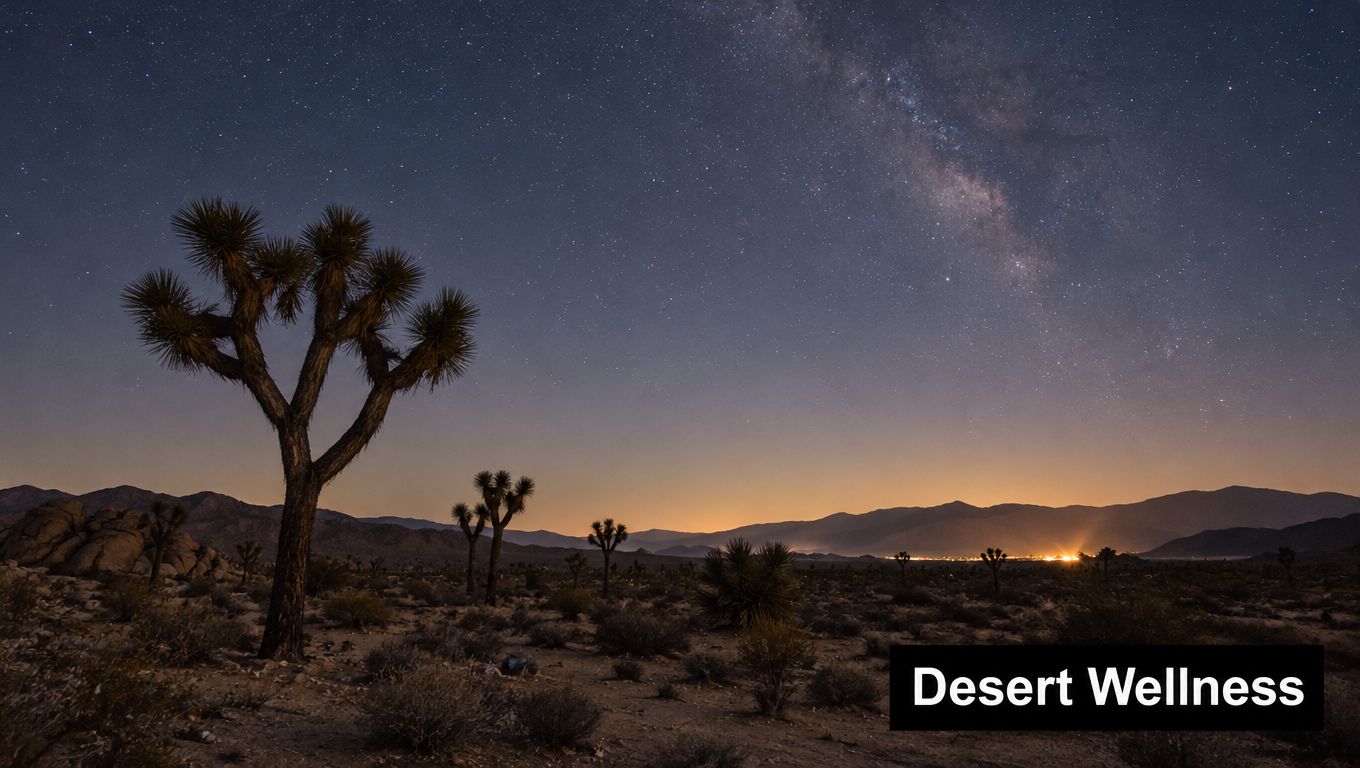
Joshua Tree's night skies suit travelers who want wilderness immersion without giving up spa-based comfort.
Top 10 U.S. Nature Vacations Comparison
| Destination | 🔄 Implementation Complexity | ⚡ Resource Requirements | 📊 Expected Outcomes | ⭐ Key Advantages | 💡 Ideal For |
|---|---|---|---|---|---|
| Yellowstone (WY) | Medium, large area logistics; seasonal access | High, private guides, lodges, possible heli transfers | Geothermal displays; frequent wildlife viewing; strong interpretive learning | ⭐ Largest global geothermal concentration; diverse ecosystems; VIP exclusivity | 💡 Wildlife & photography enthusiasts; geology lovers; families |
| Big Sur (CA) | Medium, narrow coastal roads; limited inventory | High, advance villa/resort bookings, private chefs, heli options | Dramatic coastal vistas; contemplative retreats; high-quality photography | ⭐ Iconic coastal cliffs; mild climate; refined wilderness-luxury mix | 💡 Couples; artists/photographers; wellness travelers |
| Moab (UT) | Medium‑High, technical activities & permit logistics | Medium‑High, specialized guides, climbing/biking gear, heli for remote access | High-adrenaline adventure (climbing, biking); outstanding night skies | ⭐ Concentrated red-rock features; strong adventure infrastructure | 💡 Adventure athletes; climbers; mountain bikers; astro-photographers |
| Acadia (ME) | Low‑Medium, compact base & seasonal peaks | Medium, luxury Bar Harbor lodges, guides, short transfers | Coastal vistas, carriage-road cycling, strong fall foliage viewing | ⭐ Manageable park size; proximity to Northeast; diverse activities | 💡 East Coast travelers; foliage enthusiasts; couples; families |
| Zion (UT) | Medium, crowd management; technical-route requirements | Medium‑High, early-access guides, shuttle coordination, possible heli | Dramatic canyon vistas; varied hikes from easy to technical | ⭐ Iconic formations (Angels Landing, Narrows); trails for all levels | 💡 Hikers; photographers; families with mixed fitness |
| Grand Canyon (AZ) | High, multi-mode logistics (rim, backcountry, river) | High, rafting guides, heli tours, historic-rim lodging | Monumental geological perspective; river expeditions; interpretive education | ⭐ Unrivaled scale & geologic exposure; multiple access options | 💡 Geology enthusiasts; adventure athletes; international visitors |
| Glacier (MT) | Medium‑High, remote access; seasonal road openings; bear protocols | High, long travel, historic lodges, backcountry guides, heli | Alpine peaks, glacial lakes, backcountry solitude and photography | ⭐ Pristine alpine wilderness; Going-to-the-Sun Road; lower crowds | 💡 Backcountry adventurers; mountaineers; wilderness photographers |
| Great Smoky Mountains (TN/NC) | Low, highly accessible but heavy crowds | Low‑Medium, nearby luxury towns, short transfers, guides | Rich biodiversity; cultural historic sites; spectacular fall color | ⭐ Most accessible eastern park; free admission; Appalachian culture | 💡 East Coast families; foliage & culture seekers; photographers |
| Olympic (WA) | Medium, varied ecosystems require multi-zone planning | Medium, rustic lodges, guides, longer drives from Seattle | Temperate rainforest walks, coastal tidepools, alpine climbs | ⭐ Unique temperate rainforest; ecosystem diversity; relatively uncrowded | 💡 Rainforest/ecosystem enthusiasts; mountaineers; PNW explorers |
| Desert Hot Springs & Joshua Tree (CA) | Low‑Medium, split wellness + desert activity planning | Medium, wellness resorts, climbing guides, stargazing specialists | Wellness retreats; rock-climbing experiences; exceptional stargazing | ⭐ Combined geothermal wellness and desert adventure; dark skies | 💡 Wellness travelers; climbers; astronomy enthusiasts; photographers |
Matching Your Nature Escape to the Season, Pace, and Comfort You Want
The best nature vacations in the USA don't follow a single ranking. They follow the needs of the travelers going. Yellowstone and Glacier suit guests who want wildlife, alpine scenery, and expert interpretation. Big Sur and Acadia work better for travelers who value coastal beauty, refined lodging, and a flexible balance between outdoor time and restoration. Moab, Zion, and the Grand Canyon offer stronger adventure, but they demand more attention to heat, trail conditions, permits, and recovery.
Start with the season. A famous destination can become the wrong choice when heat, smoke, road conditions, or crowd density undermine the experience. NPS research covering 340 park units found that 95% showed a significant relationship between visitation and air temperature, with temperature explaining 69% of visitation variation. Visitation generally declines only after monthly averages exceed roughly 80°F, according to the National Park Service climate and visitation research. That finding supports a practical approach, choose the best trade-off for your dates rather than automatically choosing the most famous park.
Then assess fitness and mobility. A luxury itinerary shouldn't assume that every traveler wants strenuous hiking. Recent outdoor participation data recorded 63.5 million U.S. hikers, while adults aged 65 and older added 800,000 outdoor-recreation participants in one year, with hiking, birding, wildlife viewing, and freshwater fishing among their leading activities. Children's participation rose 5% to 22.6 million, and two-thirds of households with children reported outdoor-recreation participation, as summarized in recent outdoor recreation participation coverage. The implication is clear, design nature days around scenic drives, private boats, carriage roads, gentle walks, wildlife observation, accessible overlooks, and flexible weather plans.
Your access style should match the group. Use private naturalist guides for wildlife and interpretation. Choose helicopter access only when it creates a meaningful perspective or reaches terrain that fits the trip. Select wellness resorts when recovery matters as much as activity. A private driver often solves more problems than an extravagant transfer, particularly in crowded gateways and parks with long internal roads.
Booking lead time matters most for historic lodges, peak-season rooms, specialist guides, river trips, and limited-access experiences. Reserve those pieces first, then fit restaurants and secondary activities around them. Build every active day around first or last light, and leave room to change plans when weather or park operations shift.
National parks are a major travel system, not a niche wilderness product. The NPS reported 323 million recreation visits in calendar year 2025, and approximately 90% of surveyed households gave positive overall evaluations, while the most recent full survey cited in the visitor results reported 93% overall satisfaction. Roughly 89% of respondents rated park facilities, visitor services, and recreational opportunities as good or very good, including 51% who rated them very good, according to the NPS visitor-use statistics dashboard. Premium planning should preserve what visitors already value while removing avoidable friction.
HauteBlack can help coordinate bespoke U.S. nature itineraries, including accommodations, private guides, transportation, helicopter transfers, and dining. For a multi-destination route, use Simsima's trip planning guide as a practical planning reference, then confirm every park rule, reservation requirement, and operating condition directly before travel.
HauteBlack plans bespoke U.S. nature journeys around private guides, premium stays, helicopter transfers, wellness retreats, and carefully timed park access. Visit HauteBlack to discuss a customized itinerary for your couple, family, or executive travel group.
Explore Our Guides
Signature Experiences