Haute Black Journal
Argentina Patagonia Tour: A Luxury Traveler's Guide

Marlene Azeez
Director, HauteBlack
View all articles →

You've found the lodge, secured the glacier excursion, and perhaps even chosen the helicopter transfer. Then the practical questions begin. Will the private vehicle arrive before the boat check-in closes? Can the family manage a glacier boardwalk and a demanding hike on consecutive days? What happens when wind delays a flight and the next lodge has no room to absorb the change?
A successful Argentina Patagonia tour depends less on adding famous sights than on controlling those moments. The region rewards travelers who allow distance, weather, seasonal demand, and protected-area rules to shape the itinerary from the beginning.
The Allure of Argentine Patagonia
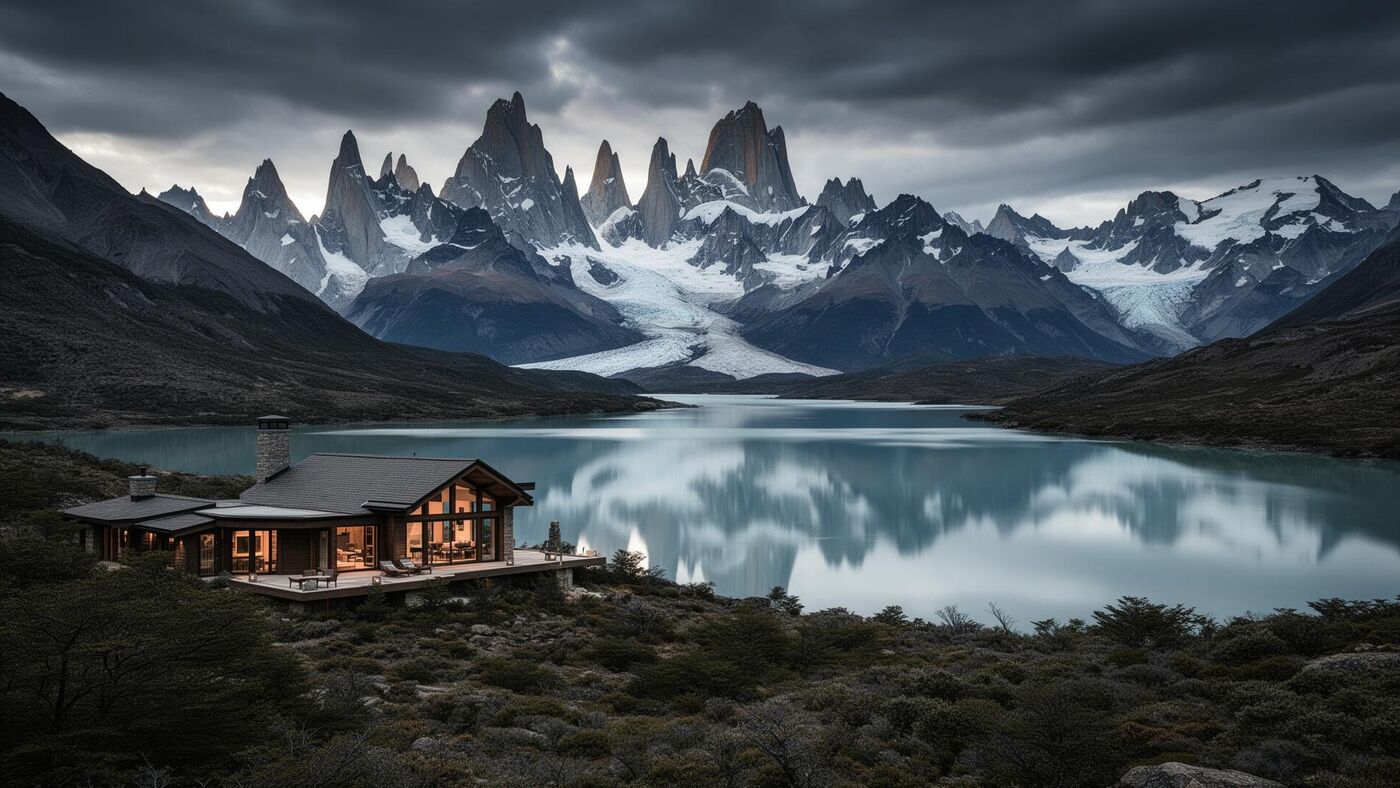
The last light of the day reaches El Calafate as a private vehicle leaves the town behind. Ahead, the road opens toward the pale expanse of Los Glaciares National Park. At the lodge, the air is cold and clean, dinner is prepared around local ingredients, and the sound of ice breaking across the water arrives several seconds after the movement itself.
That combination of scale and intimacy explains Patagonia's pull. The terrain feels untouched, yet the experience can be carefully composed around a beautiful room, a private guide, and a well-timed boat departure. Travelers aren't just checking off a glacier or mountain viewpoint. They're entering a region where silence, distance, and weather become part of the experience.
Wilderness with structure
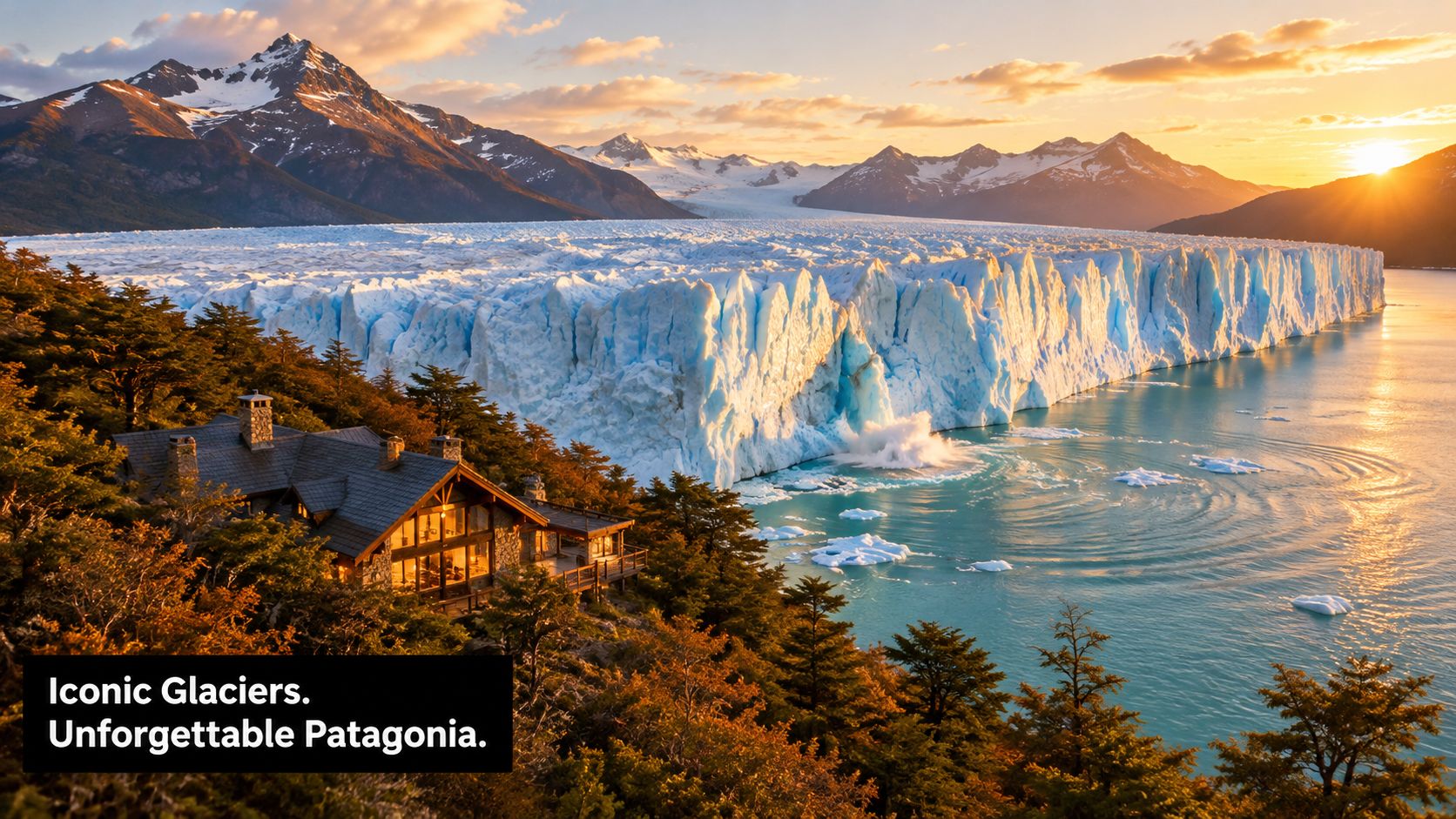
Argentine Patagonia offers a rare balance. Its lodges, guides, boats, and national parks make ambitious travel possible, but the region still demands humility from even the most experienced traveler. A glacier excursion can't be treated like a city tour, and a mountain day can't be compressed just because a guest has a flight that evening.
The region's identity is also unusually varied. Northern Patagonia brings Andean lakes and forests. The central plateau shifts toward open steppe and powerful winds. Farther south, travelers encounter glaciers, fjords, wildlife areas, and Tierra del Fuego at the continent's southern edge. That variety makes the destination compelling, but it also makes careless routing expensive in time and energy.
A well-designed journey gives each vista enough room to register. It might pair a quiet morning at the lodge with a private navigation, then leave the afternoon open for a walk, spa treatment, or unplanned pause. That pacing is what separates wilderness immersion from a sequence of transfers.
For a sense of how this style of travel can be shaped around private access and considered pacing, explore HauteBlack's Patagonia destination guide.
Understanding Patagonia's Geography and Scale
A luxury Patagonia itinerary can look elegant on paper and still fail operationally. The distances between lodges, park entrances, airfields, and excursion departures shape each day before activities are selected.
Argentine Patagonia includes La Pampa, Neuquén, Río Negro, Chubut, Santa Cruz, and Tierra del Fuego, covering 930,731 square kilometers and containing 2,037,545 residents, according to official regional tourism information. Its population density is roughly 2.2 people per square kilometer, which helps explain the region's remoteness and the value of carefully arranged private routing.
A broader definition reaches from approximately latitude 37° south to 51° south on mainland Argentina and often includes Tierra del Fuego. The territory spans the Andes, Atlantic coastline, high plateau, forests, lakes, and ice fields. An Argentina Patagonia tour is therefore a sequence of distinct operating environments, connected by long roads, limited aviation, and weather-sensitive access.
El Calafate as the southern gateway
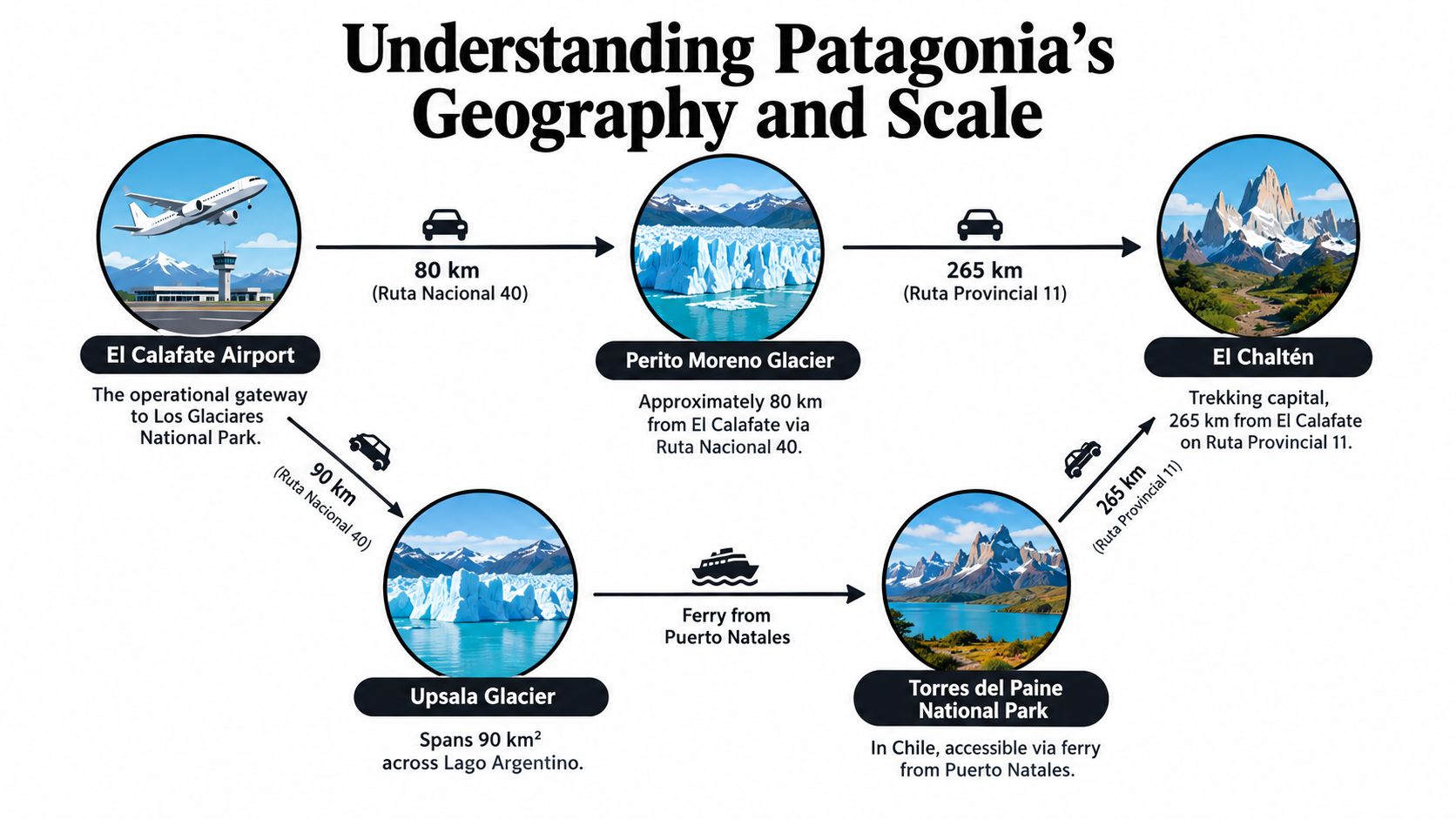
El Calafate is the practical base for Los Glaciares National Park. The transfer to the Perito Moreno boardwalks runs roughly 80 km along Route 11, taking about 75 to 90 minutes each way. That makes a private day excursion workable, with time for viewing platforms, boardwalks, and a boat experience where conditions and schedules allow. Park access and visitor logistics should be checked through the official Los Glaciares National Park information.
El Chaltén serves a different purpose. The overland connection takes roughly three hours and covers about 220 km, so pairing a glacier visit with a demanding trekking day creates avoidable pressure. A stronger arrangement assigns glacier access to El Calafate and reserves separate, flexible days for El Chaltén hikes.
Private vehicles give the guide control over departure times, luggage, weather delays, and boat check-in windows. The principal glacier boardwalks include ramps and viewing platforms, which can suit guests with limited mobility. Ice trekking and boat excursions involve uneven terrain and safety restrictions, so fitness, balance, and comfort should be assessed before confirming them.
Practical rule: Reserve the private vehicle first, then build the day around park operating requirements rather than forcing the park into a pre-existing transfer schedule.
For multigenerational groups, Perito Moreno usually deserves a full day, separate from high-altitude trekking. The most polished itinerary leaves contingency room. Over-scheduling turns Patagonia's scale into fatigue.
Luxury Lodge Bases and Private Transfers
The strongest lodge isn't always the most impressive property on paper. Its value depends on what it allows the traveler to do without wasting a day in transit.
El Calafate is the practical base for Los Glaciares National Park, especially for travelers prioritizing Perito Moreno Glacier and navigation on Lago Argentino. El Chaltén suits guests who want direct access to mountain trails and are comfortable with more active days. Bariloche and the Argentine Lakes District offer a different atmosphere, with lake scenery, forested mountains, polished dining, and a more established Alpine character.
The comparison is more useful than a list of properties:
| Location | Primary focus | Signature experience | Ideal stay |
|---|---|---|---|
| El Calafate | Glacier access and lake navigation | Perito Moreno viewpoints, private boat excursions, and guided park visits | Travelers prioritizing iconic ice landscapes |
| El Chaltén | Mountain trekking | Guided trails toward Fitz Roy and surrounding viewpoints | Active travelers who want trail access |
| Bariloche | Lakes, forests, and refined leisure | Private scenic drives, lake experiences, and regional gastronomy | Families, couples, and travelers seeking variety |
| Torres del Paine | Chilean wilderness and granite peaks | Guided exploration around the park's dramatic mountain and glacier scenery | Cross-border itineraries with time for immersion |
Matching the property to the guest
Some lodges are designed around guided outdoor activity. Their strength lies in efficient access to trails, knowledgeable naturalists, and a day structured around the surrounding terrain. Others place greater weight on gastronomy, spa treatments, architecture, and views from the property itself. Neither approach is automatically superior. A honeymoon couple may value privacy and unhurried dining, while an active family may care more about guide quality and recovery time between excursions.
Transfers deserve the same scrutiny as rooms. Dedicated vehicles and experienced drivers make it easier to adapt departure times, manage outdoor equipment, and respond to border or road delays. Helicopter connections can compress selected journeys, but they remain vulnerable to wind and visibility. They should improve the structure of the itinerary, not create a chain of inflexible same-day commitments.
Domestic flights generally feed the southern itinerary through El Calafate Airport, followed by private overland connections. The aviation partner matters because luggage handling, flight monitoring, and contingency planning become more important as the route moves farther from major hubs.
Travelers comparing service philosophies outside Patagonia may also find useful context in this insider's guide to Auberge du Soleil, particularly when evaluating how a luxury property balances setting, wellness, dining, and personalized service.
Timing Your Patagonia Journey
Season determines more than temperature. It affects daylight, trail access, lodge availability, ferry operations, road reliability, and the number of alternatives available when weather changes the plan.
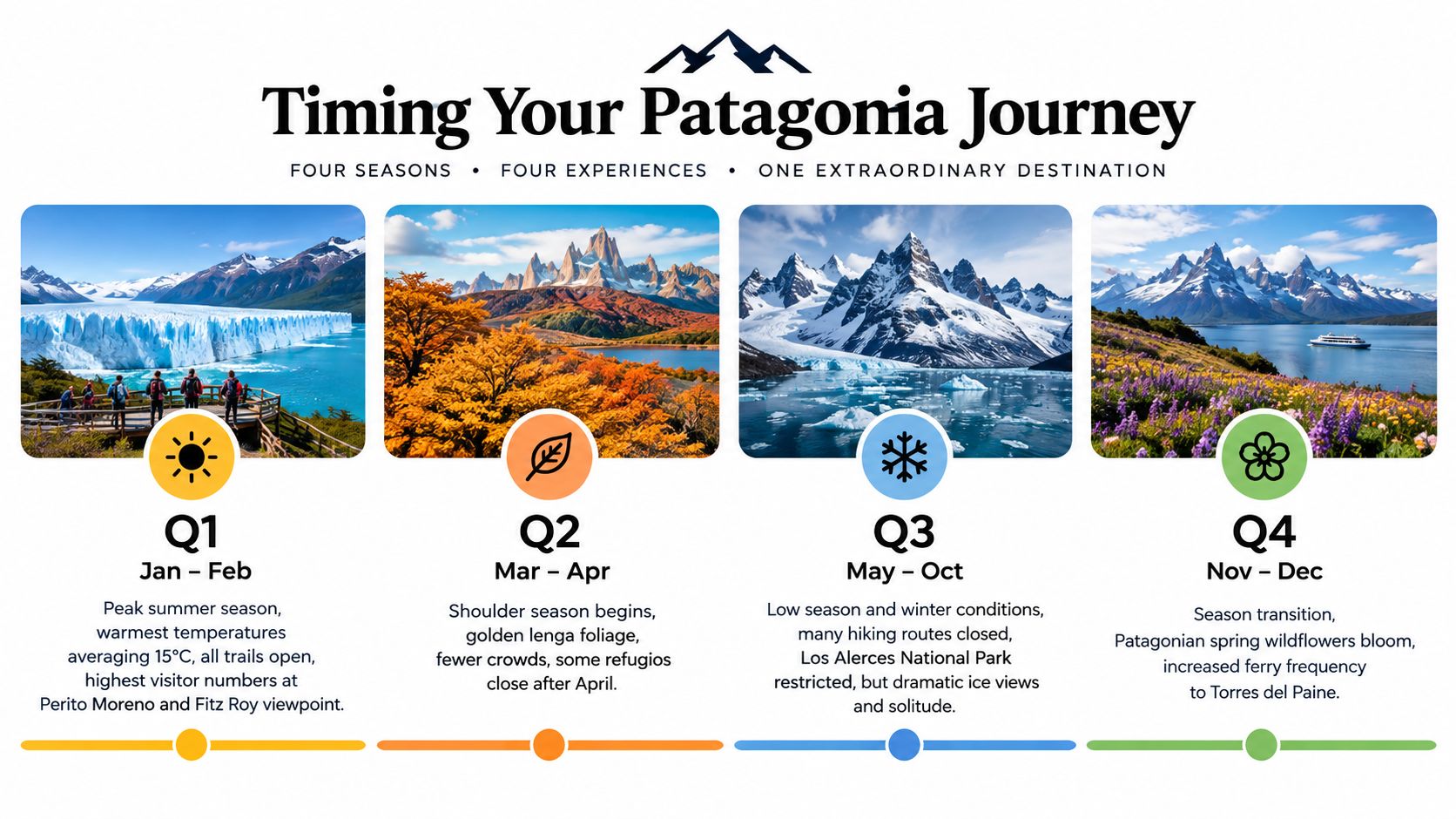
Los Alerces National Park identifies November through April as high season and May through October as low season, while recommending late spring, summer, and early autumn for general visitation. That broad guidance aligns with the practical planning window for most luxury travelers. November through March generally offers the most useful combination of daylight and outdoor access, with January and February typically providing the warmest conditions and longest days.
Choose the season by priority
- November and March: These shoulder periods can offer a calmer feel and better availability at premium properties, while retaining strong conditions for many outdoor activities.
- December through February: Peak summer brings the broadest activity menu, but it also concentrates demand at popular parks, transport links, and viewpoints.
- May through October: Winter can deliver stark beauty and solitude, but snow, road conditions, and closures require a more conservative itinerary.
Patagonia remains cool and changeable even in summer. Strong winds, frost, and rapid temperature shifts are documented characteristics of Patagonia National Park, so modular layers are more useful than one heavy coat. A shell, insulating mid-layer, warm base layer, gloves, and sun protection should stay accessible during every outdoor day.
Build weather tolerance into the schedule
Check park alerts and route conditions immediately before departure. Keep a buffer around flights, helicopter movements, and inter-property transfers, especially after a boat excursion or a long hike. A day that looks spacious on paper can become tight once wind delays a departure or a guide adjusts the route for safety.
For a more detailed seasonal planning perspective, use this guide to the best time to visit Patagonia for luxury travelers.
The best itinerary isn't the one that fills every daylight hour. It's the one that preserves the quality of the experience when Patagonia behaves like Patagonia.
Crafting Your Itinerary Framework
A cross-border luxury Patagonia itinerary generally needs approximately 7 to 10 days, according to HauteBlack's planning guidance for combining Argentina and Chile. That window can connect the glaciers around El Calafate with the granite peaks of Torres del Paine, but only if the route avoids treating every transfer as a sightseeing opportunity.
A practical framework starts with the southern gateway and expands only when the guest's priorities justify it.
A balanced southern route
Days one to three, El Calafate: Use the first full day for arrival recovery and a low-pressure introduction to the surroundings. Reserve a complete day for Perito Moreno Glacier, with a private transfer, time on the boardwalks, and a boat excursion only if the group wants the added exposure to wind and water.
Days four to six, El Chaltén: Transfer after breakfast rather than immediately after an outdoor activity. Schedule one moderate walk, one more ambitious mountain day, and one flexible day that can absorb cloud, wind, or a change in fitness levels. The flexibility matters more than the number of trails completed.
Days seven to ten, Torres del Paine: Cross into Chile with the required documentation and a dedicated vehicle. A lodge inside or near the park can support early starts, private guiding, and a slower relationship with the terrain. The granite spires, glacial lakes, and open valleys deserve more than a rushed stop between border crossings.
Bariloche or San Martín de los Andes can replace the Chilean extension when a family wants lakes, dining, and gentler activity rather than another border movement. Tierra del Fuego can also become the southern focus, but adding it to an already dense route usually requires removing another base.
Sequence experiences, not just places
A well-paced day might begin with a private boat excursion, continue with lunch at the lodge, and leave the afternoon for a short walk or a quiet view from the property. The following day can carry the more demanding hike. Evening dining should remain enjoyable, not become another timed obligation after a strenuous outing.
Private aviation and helicopter services can reduce selected overland connections, but they shouldn't encourage excessive movement. The purpose of time compression is to protect time in the wilderness, not to collect more check-ins.
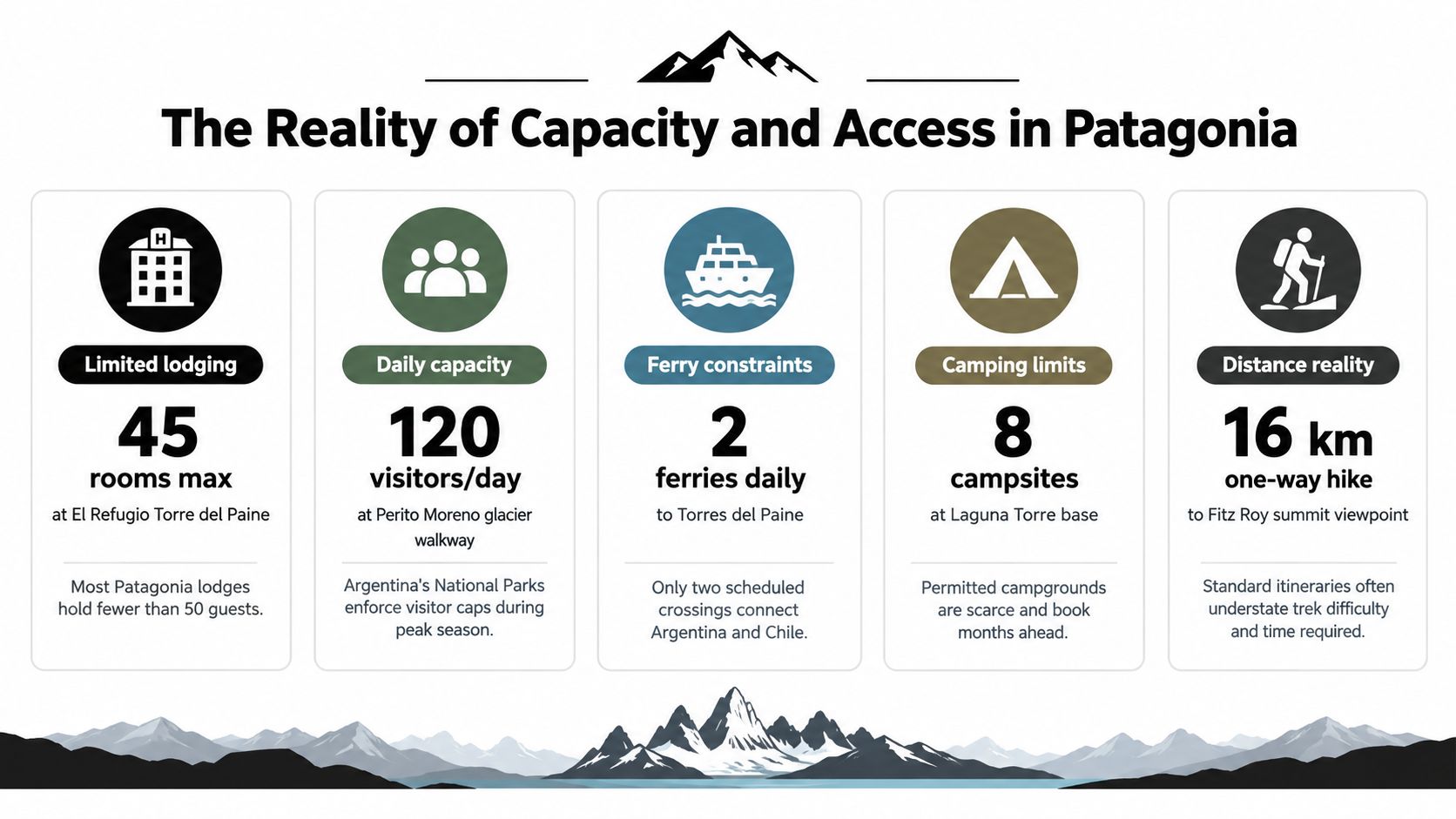
The Reality of Capacity and Access
Luxury travelers often assume that private service removes operational limits. It doesn't. A private guide can improve timing, a dedicated vehicle can reduce waiting, and a preferred lodge can offer better support, but roads, park platforms, aircraft, boats, and trails still have finite capacity.
Demand around major gateways illustrates the pressure. Argentina reported 850 scheduled flights serving Bariloche during the January 2025 summer season, an 11% increase from January 2024, with average occupancy reaching 80%, according to Argentina's tourism statistics resource. Separate 2025 tourism coverage reported that Perito Moreno's viewing platforms, designed for roughly 2,000 visitors per day, were receiving as many as 5,000 on peak days.
Those figures change the planning question. It isn't only which landmarks belong on the route. It's how to preserve access, comfort, and safety when the infrastructure is under pressure.
Reduce exposure to bottlenecks
Peak season offers the widest operating menu, but it also creates concentrated demand. Shoulder season may bring fewer visitors and better room availability, although some services operate less frequently and weather remains variable. The right choice depends on whether the guest values maximum operational choice or a quieter atmosphere.
A resilient itinerary uses several controls:
- Early access: Schedule park departures around operating windows and expected demand rather than defaulting to the most popular late-morning start.
- Flexible routing: Keep an alternative viewpoint, shorter walk, or lodge-based experience ready if wind or crowding undermines the original plan.
- Transport redundancy: Use private vehicles for critical connections and verify aircraft, road, and border conditions before committing to a same-day chain.
- Activity calibration: Match the trail to the least mobile or least experienced guest. A private group doesn't make uneven terrain easier.
- Recovery space: Protect unscheduled time after long excursions, because tired travelers are less able to absorb a delay or route change.
Luxury in Patagonia is often the absence of a problem that would otherwise have been allowed to reach the guest.
The most effective itinerary may contain fewer stops than a standard checklist. It gives the guide room to change the departure time, gives the driver room to manage a road delay, and gives the traveler enough quiet to enjoy the views rather than watch the clock.
Booking Through Specialist Advisors
Remote travel exposes weak planning quickly. A specialist advisor should know which transfer companies can handle each route, which lodges can support dietary or mobility requests, how border crossings affect the day, and which activities remain practical when the forecast changes.
In El Calafate, the advisor's value appears in the handoffs between services. If a flight arrives late, someone with local operating knowledge can protect a boardwalk guide or rearrange the glacier visit before the available slot disappears. That decision also affects the vehicle assigned, luggage storage, meal timing, and whether demanding hikes should follow the excursion.
Capacity matters as much as distance. A private vehicle does not create additional guide availability, park access, or favorable weather. Advisors need to confirm those constraints before promising a polished sequence, then leave enough room to adjust without turning every change into a guest-facing problem.
A specialist also understands the difference between a room upgrade and a useful upgrade. A better view may matter, but flexible arrival arrangements, a private guide who can adjust pace, or a lodge team prepared for a delayed transfer can matter more. This broader role is outlined in what a luxury travel advisor does.
HauteBlack designs bespoke journeys involving lodge selection, internal flights, Argentina and Chile border crossings, guided excursions, and private transfers. Its advisor model and preferred-property relationships may support VIP recognition, available upgrades, resort benefits, and rebooking discussions when weather disrupts the original sequence.
For teams assessing how hotels present immersive experiences before selecting a property, this guide to immersive tours for hotels offers perspective on visual storytelling and guest expectations. In Patagonia, digital inspiration must give way to local operating judgment, especially when access, staffing, or transport changes at short notice.
The region's remoteness makes it memorable and limits the value of generic booking logic. Work with an advisor who can coordinate capacity, weather, access, and recovery time, then visit HauteBlack to begin a personalized Patagonia journey built around your priorities, preferred pace, and tolerance for adventure.
Explore Our Guides

Signature Experiences