Haute Black Journal
Luxury Villas in Italy: A UHNW Insider's Guide 2026

Marlene Azeez
Director, HauteBlack
View all articles →
# Luxury Villas in Italy: A UHNW Insider's Guide 2026
July 9, 2026
You're probably planning Italy the way discerning travelers usually do now. Not around a hotel, but around control. You want the right house, the right view, the right staff cadence, the right dining setup, and none of the friction that turns a beautiful property into an operational project.
That instinct is correct.
The finest villas in Italy are not just places to sleep. They're private stages for a very specific kind of life: unhurried breakfasts under a loggia, a kitchen ready for serious culinary work, a terrace that handles cocktails as elegantly as it handles a family lunch, and enough privacy that the week feels sealed off from the outside world. If the villa can't carry the rhythm of the trip on its own, it isn't the right villa.
Most guides get this wrong. They sell scenery. They list pools, views, and square footage. That's brochure language. What matters is whether the estate supports how you live: whether your chef has a kitchen worth using, whether arrivals are choreographed properly, whether the outdoor spaces function all day rather than just photograph well at sunset, and whether the property gives you silence without isolation.
Italy remains compelling because it offers a rare mix of architecture, scenery, and social ease. You can wake in a restored Tuscan estate and host lunch under vines. You can spend the afternoon crossing a lake by boat to a private table. You can take over a seaside villa and never once feel like you're participating in tourism.
That's the difference worth paying for. Not excess. Precision.
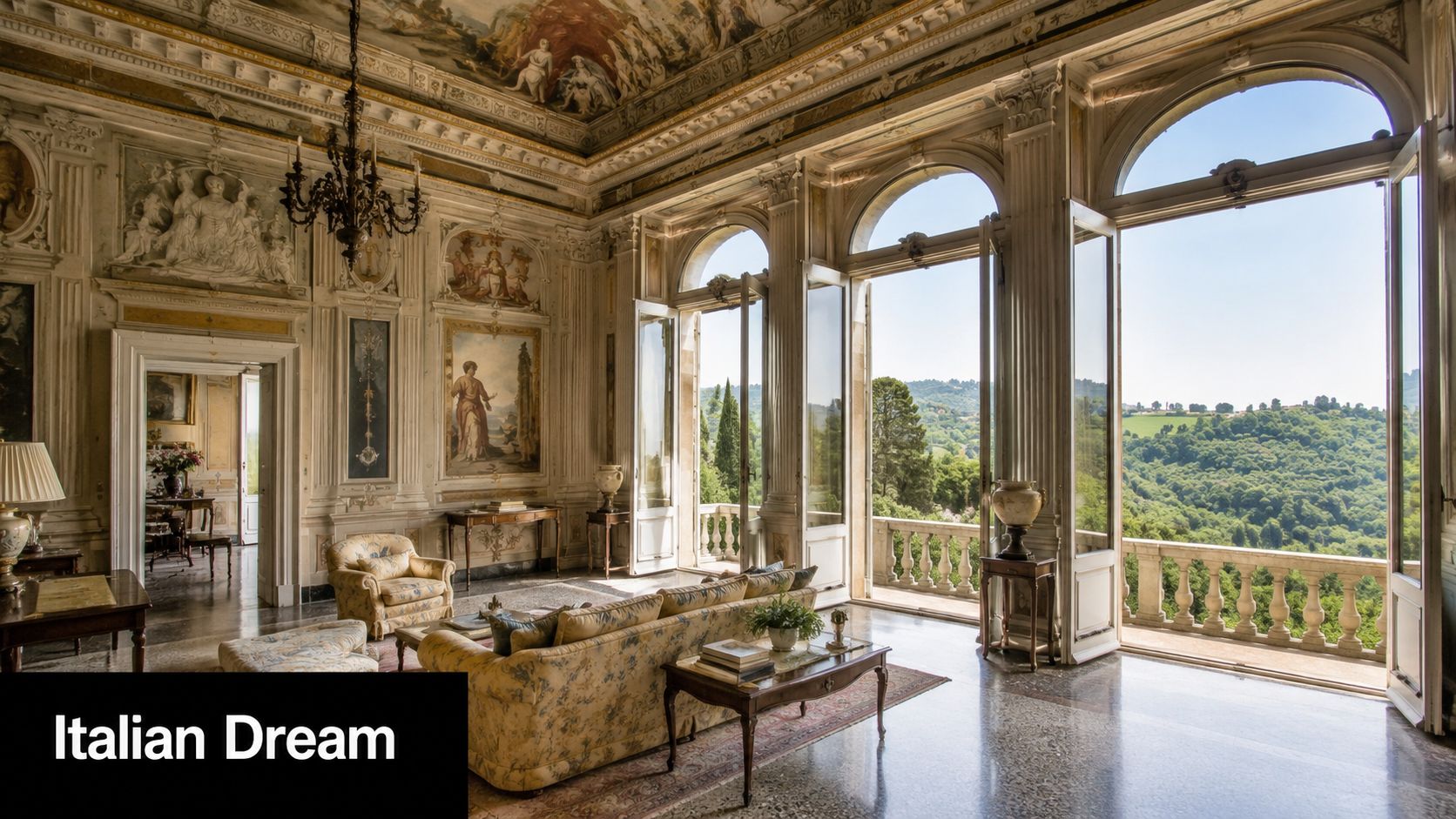
An Italian Dream Beyond the Postcard
You wake before the house does. The shutters open to pale light over cypress lines and vineyard rows. Coffee arrives where it should, on the terrace rather than in the kitchen, because the staff already understands that the first half hour of the day should remain quiet. The pool is still. The garden smells faintly of rosemary and damp stone. By the time the rest of your party gathers, breakfast has moved naturally from a private ritual to a beautifully paced morning.
That's the Italian villa experience at its best. Not theatrical luxury. Lived luxury.
What a great villa changes
A serious villa in Italy changes the structure of the trip. Hotels, even excellent ones, ask you to move around someone else's system. A villa lets the day form around your preferences. Breakfast stretches. Lunch becomes a real meal rather than a reservation slot. Children disappear into gardens instead of corridors. Adults can host, work, swim, nap, or entertain without resetting their energy every few hours.
That freedom matters more than people admit.
For couples, it creates intimacy without performance. For families, it removes logistical drag. For founders, chairmen, artists, or public figures, it offers privacy that a grand hotel often can't. A villa lets you be social on your own terms and invisible when you'd rather be.
A beautiful property is easy to find. A property that supports your pace, privacy, and standards from morning to night is much rarer.
Why standard luxury isn't enough
Many travelers book villas in Italy as if they're booking a larger suite. That's a mistake. A villa is an operating environment. It needs to work. The layout matters. The arrival sequence matters. Staff setup matters. Sound travel between rooms matters. Outdoor shade matters. Kitchen workflow matters. If these details are wrong, the trip will feel expensive rather than exceptional.
I'd go further. The villa should improve your habits, not force compromises.
A well-chosen estate makes entertaining effortless, gives each guest real personal space, and anchors the emotional tone of the trip. It can feel rustic and polished at once. It can be ceremonial without stiffness. It can absorb a multi-generational family, a discreet honeymoon, or a working retreat without strain.
That's why the best villas in Italy aren't interchangeable. They're highly specific instruments. When they're chosen well, the house doesn't just host the trip. It becomes the reason the trip feels unforgettable.
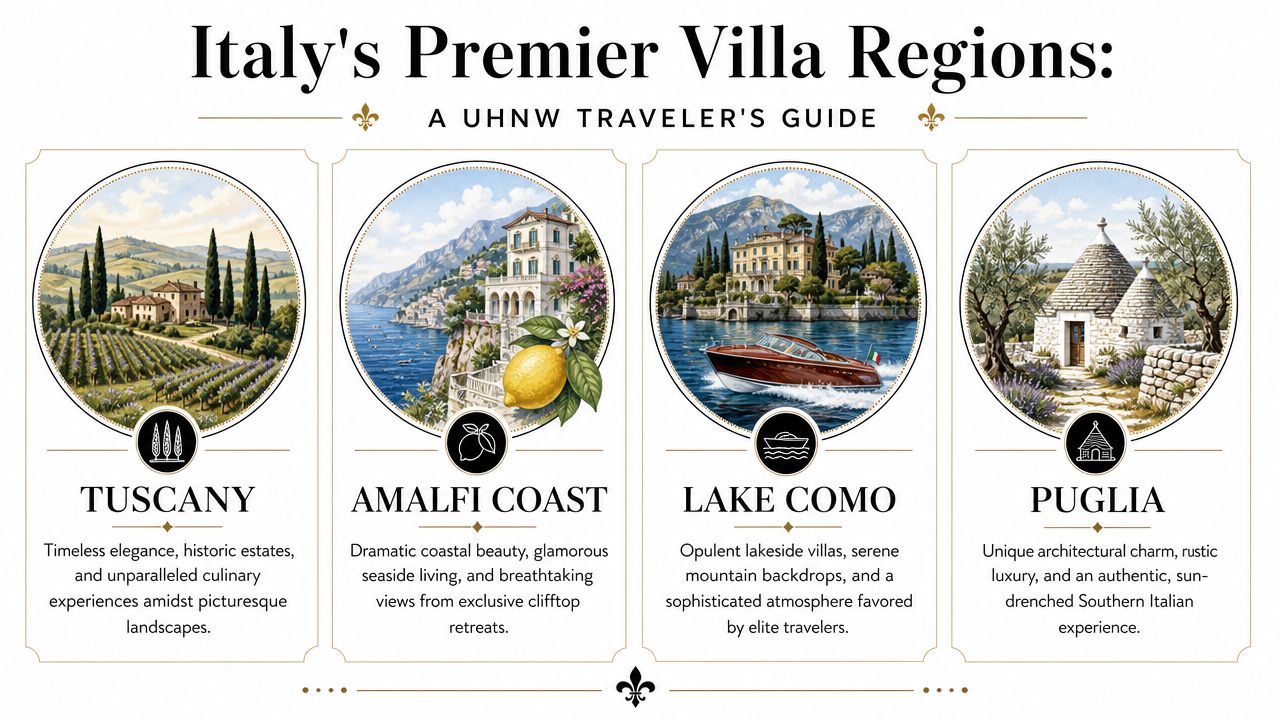
Choosing Your Canvas Italy's Premier Villa Regions
Arrive in Italy with the wrong regional fit and the house will spend a week fighting your habits. Choose well and the region does half the work for you. It shapes the guest list, the pace of each day, the quality of entertaining, and how much effort your staff and advisors need to spend behind the scenes.
Italy is not one villa destination. It is a set of very different operating environments. Some regions reward long lunches, private chefs, and family sprawl. Others reward precise logistics, polished entrances, and a guest list that enjoys being seen.
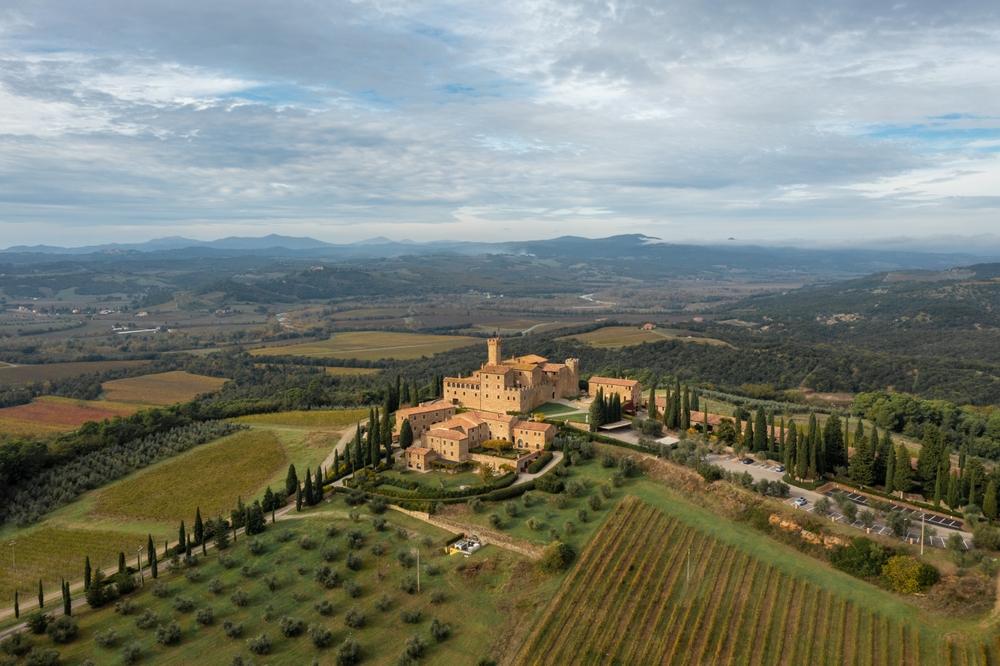
Tuscany for depth and ease
Tuscany is still the best all-round choice for many UHNW clients. It has range. You get privacy, architectural character, serious food culture, and enough access to art, wine, and shopping without turning the trip into a procession of transfers.
Florence, Lucca, and Chianti remain the core luxury zones. As noted earlier, analysts at Italian Real Estate Company place Tuscany among the regions with the strongest concentration of prime villa activity and persistent demand for top stock. That matters because the market tends to produce properties with the scale, land, and staff setup that private living requires.
Tuscany suits travelers who want one house to carry the stay. That means proper gardens, real privacy, day trips that do not drain the day, and enough kitchen and dining capacity for lunches that turn into dinners. It is also the most forgiving choice for multi-generational groups, security-minded principals, and guests who want space for both social time and retreat.
Presentation can distort judgment. A villa can photograph beautifully and still fail in real life. This piece on how to boost property sales with virtual tours makes that point from the property side. For travelers, the lesson is simple. Never book on visuals alone. Ask how the house works at full occupancy, how service moves from kitchen to terrace, and where guests spend the heat of the afternoon.
If you want countryside first and coastline after, I would look at Tuscany, Sorrento, and Amalfi journeys instead of forcing one region to do everything.
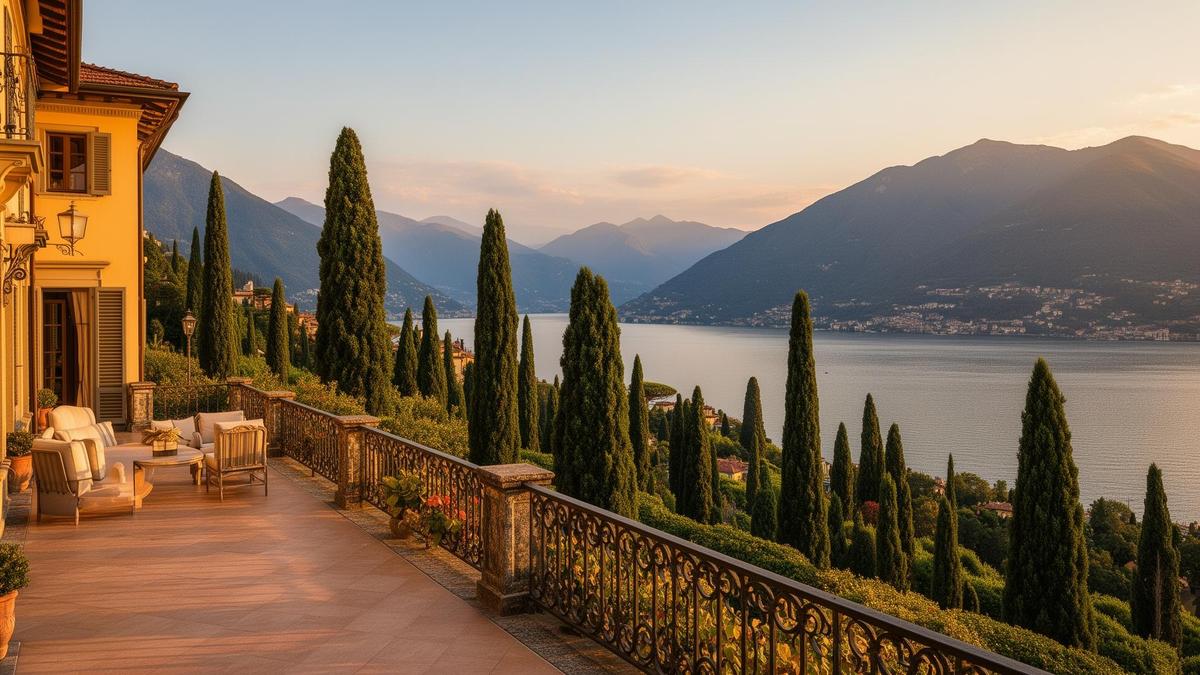
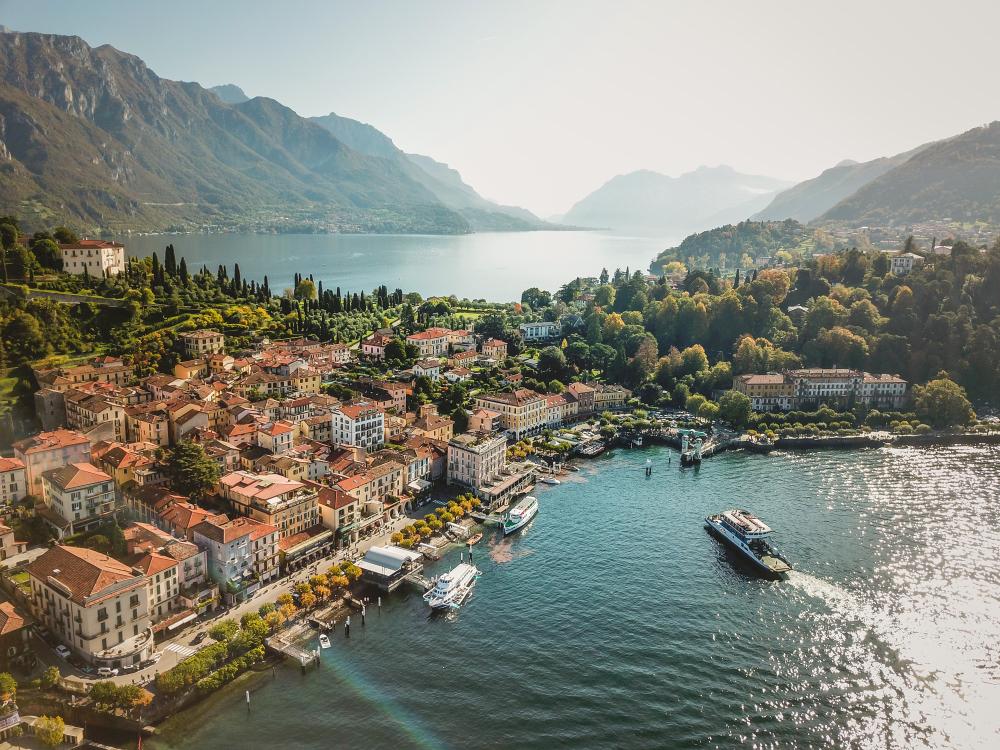
Lake Como for polish and ceremony
Lake Como is about precision. The best stays there feel composed from the moment you arrive by boat. Timing matters. Dock access matters. The sequence from aperitivo to dinner matters. This region flatters disciplined hosting and clients who appreciate form, discretion, and visual drama in equal measure.
Prime inventory on the lake trades at a heavy premium, as noted earlier in that same Italian market analysis. That premium reflects scarcity, but price is only part of the story. The fundamental divide is functional quality. Some villas have magnificent views and mediocre logistics. Others understand exactly how to receive guests, stage an event, and protect privacy despite a very public setting.
Choose Lake Como for elegant entertaining, shorter high-impact stays, and guest circles that value polish. Do not choose it for rustic informality or large family groups who need casual movement and forgiving layouts.
On Lake Como, prioritize boat access, security, and outdoor entertaining flow before décor.
Amalfi Coast for drama and momentum
Amalfi delivers theatre. It also demands tolerance for motion. Roads are tight, vertical access can be punishing, and a house that looks idyllic online may be operationally exhausting by day three.
That is why Amalfi works best for clients who want a social trip with energy. Boat days, lunches out, beach clubs, visible arrivals, and evenings with momentum all belong here. Romance works here too, especially in villas that control sightlines and noise. Stillness does not.
I recommend Amalfi for couples, celebratory groups, and friends who plan to spend as much time moving through the coast as sitting inside the villa. For older relatives, young children, or guests with reduced mobility, the wrong house becomes a constant complication. In this region, transfer planning and staffing are part of the property choice, not an afterthought.
Puglia and Sardinia for understatement and summer privacy
Puglia appeals to clients who do not need a scene to feel they have arrived. The beauty is quieter. White stone, olive groves, long tables, and design-led restoration define the best estates. It is a strong choice for people who care about food, aesthetics, and privacy more than social visibility.
Sardinia sits in a different lane. As noted earlier, Italian Real Estate Company places it among the regions where high-end demand stays ahead of prime supply. The appeal is obvious. You get sea, distance, and a stronger summer profile, often with a level of privacy that is difficult to secure on the mainland.
The simplest filter is this:
| Region | Best for | Villa mood |
|---|---|---|
| Tuscany | Families, gourmands, long stays | Historic, grounded, expansive |
| Lake Como | Elegant hosting, polished escapes | Formal, glamorous, composed |
| Amalfi Coast | Romance, celebration, movement | Dramatic, social, cinematic |
| Puglia | Quiet style, design-led seclusion | Rustic-luxury, relaxed, authentic |
Choose the region for the life you intend to live inside it. Then choose the house that can support that life without friction.
The Anatomy of a UHNW Villa Features That Matter
A serious villa isn't defined by the usual checklist. Infinity pools are nice. So are sea views. Neither tells me whether the property deserves a UHNW client.
What matters is whether the house performs.
Kitchen, dining, and service infrastructure
If you care about food, this is the first filter. Seventy-eight percent of luxury travelers in Italy now prioritize private dining with world-class chefs, yet most villa content still fixates on views rather than culinary capability, according to this review of the chef-led villa dining gap in Italy. That disconnect is absurd, and it leads people into beautiful houses that can't support serious private dining.
A proper villa should have a kitchen that a real chef can work in comfortably. Not a decorative kitchen. Not a “fully equipped” kitchen in listing language. I mean ventilation that works, prep space that makes sense, cold storage that can handle an event, plating flow, and a dining setup that transitions cleanly from indoor lunch to outdoor dinner.
If culinary performance matters to you, start with properties selected specifically for that standard through private villa services in Italy.
If you plan to bring in a chef from a world-class kitchen, the house must be chef-ready before the chef arrives. Anything less is cosmetic luxury.
Indoor and outdoor continuity
Italian villa design has a very specific architectural logic. The best houses don't separate interior from their outdoor setting. They fuse them through loggias, open courtyards, terraces, and gardens, as described in Architect in Italy's study of Italian villa design. That matters because outdoor space in Italy isn't accessory space. It's daily living space.
I always assess a villa by asking three questions:
- Does the terrace work at breakfast? Morning shade and quiet matter.
- Does the outdoor dining area hold dinner well? Wind, lighting, and service flow decide that.
- Do the gardens invite use? If guests only look at them, the estate is underperforming.
The strongest villas make the grounds feel inhabited from early coffee to late drinks. That's the benchmark.
Privacy, acoustics, and guest circulation
Most listings talk about bedroom count. They should talk about circulation. A villa for eight that allows guests to spread out elegantly is more valuable than a villa for twelve that forces everyone into one acoustic zone.
Look for separation between primary suite and guest rooms, quiet transitions between public and private areas, and staff access that doesn't interrupt the household rhythm. This is especially important for multi-generational stays and for clients who host guests but still need personal retreat.
The best properties also have one more thing: restraint. They don't over-design every room. They leave space for your life to happen inside them.
The Art of a Seamless Stay Timing and Logistics
The glamour of villas in Italy often obscures the underlying work. Timing, routing, staffing, and due diligence decide whether the stay feels light or labor-intensive. Good logistics are invisible. Poor logistics dominate the trip.
Choose the season based on behavior, not weather
Peak summer is attractive because everything is open, animated, and socially alive. It's also the period when roads, beaches, docks, and restaurants are under the most pressure. If your priority is energy, that's fine. If your priority is ease, shoulder periods are often the better choice.
I generally advise clients to match the month to the purpose of the trip.
- For entertaining and social density: go when the destination is fully switched on.
- For privacy and family rhythm: choose quieter windows when the region breathes a little.
- For culinary focus: target periods when local produce and wine country activity shape the stay naturally.
The smartest decision is rarely “best weather.” It's “best operating environment.”
Build arrivals around the property
A villa stay should begin at the villa, not with a tiring chain of handoffs. That means arrival planning should start with the house location and work backward. Hilltop estates, lakefront properties, and coastal villas all demand different transport logic.
I'd structure it in this order:
1. Confirm final-mile access first. Narrow roads, steep drives, and dock transfer points matter more than airport choice.
2. Then align air and ground. Private jet, helicopter transfer, chauffeured vehicle, or boat should form one uninterrupted sequence.
3. Stage the house before arrival. Staff briefing, provisioning, table setup, children's rooms, wellness equipment, and security checks should all be complete in advance.
Experienced planning proves invaluable. A glamorous arrival is nice. A frictionless one is better.
The best arrival is the one no guest has to think about.
Legal due diligence isn't optional
Italy has one detail that discerning buyers and renters should understand, even when they're not purchasing the property. A villa is legally classified as luxury only if it carries the A8 residential tax classification, distinct from market perception or design quality, as explained by Studio Legale Metta on Italian luxury property classification.
That sounds technical, but it matters. The official categoria fiscale affects tax obligations and can influence how a property is handled administratively. If you're considering longer-term use, dual-purpose ownership, or anything beyond a simple short stay, this is a due diligence point that should be verified early.
The useful distinction is simple:
| Classification | What it refers to |
|---|---|
| A8 | Villas legally classed as luxury residential property |
| A1 | Niche apartments |
| A9 | Castles and apartments in historic or artistic buildings |
A refined trip depends on this kind of quiet competence. Most travelers never ask about it. The best-advised ones do.
Bespoke Itineraries Living the Curated Italian Dream
A villa only reaches its potential when the days around it are designed with intention. Otherwise, even an extraordinary house becomes passive real estate. The point is to make the villa the emotional center of the journey, then build experiences that feel native to it.
A Tuscan week for people who care about food
The ideal Tuscan villa for a culinary trip sits in a working agricultural area. Vineyards nearby. Olive groves on site or close enough to matter. A kitchen with real production capability. Outdoor dining that can hold a long dinner without feeling staged.
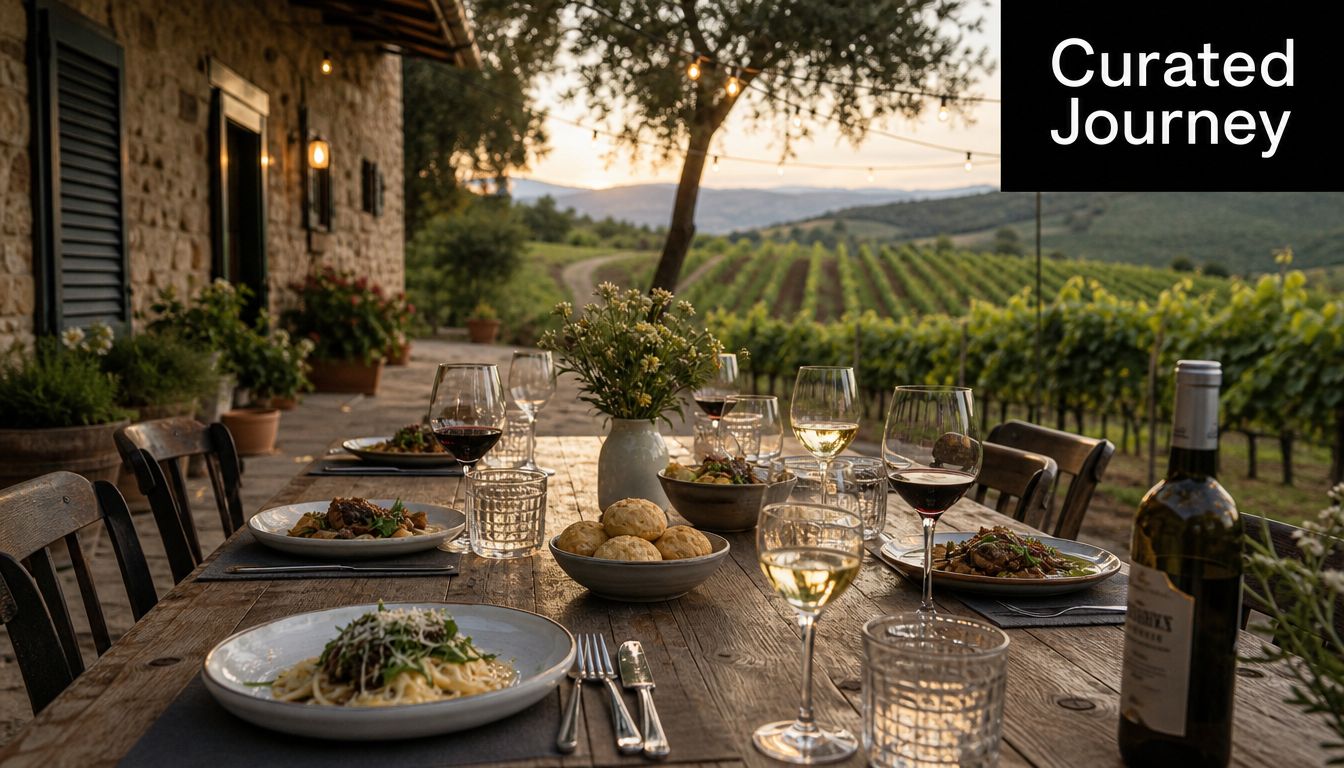
Day one should be quiet. Arrive, settle, take a late lunch at the house, and let the staff set the tone. That evening, keep dinner simple and authentically local. Handmade pasta, grilled meats, garden vegetables, and a cellar selection chosen around the menu rather than prestige labels.
Day two is for immersion. Start with a private market sourcing run or direct producer visit. Then return to the villa for a chef-led session built around ingredients that belong to the region. If olive oil matters to you, this concise Tuscan EVOO guide from Learn Olive Oil is a useful primer before you taste with any seriousness on site.
By the third day, the house should begin to feel like your own domain. Lunch shifts outdoors. Aperitivo moves to a different corner of the property each evening. One dinner becomes a proper event, with a chef working through a tasting menu designed for the villa rather than copied from a restaurant format.
For travelers who want that exact culinary emphasis, the most relevant editorial read is this villa with private chef culinary guide.
An Amalfi stay built around water and access
The Amalfi Coast works best when the villa is your launch point rather than your entire world. Breakfast on a sea terrace. Boat waiting below. Lunch reachable by water. Return in late afternoon for an hour of stillness before the evening resets.
This rhythm is what makes the coastline seductive.
A strong Amalfi itinerary should include one full day at sea, one cultural day inland or in a historic center, and one evening designed entirely around the house. That could mean a candlelit dinner on the main terrace, a private recital, or a chef-led meal with the coast lit beneath you.
Here's a short visual mood piece that captures why a villa-centered Italian journey works so well when place and pace align:
The mistake people make on Amalfi is overscheduling movement and underspecifying recovery. A great itinerary alternates intensity with exhale. One vivid day out. One slower morning in. One evening that belongs entirely to the property.
Two models, one principle
These two itineraries differ in mood, but they follow the same logic:
- The house comes first. Everything else should feel like an extension of it.
- Food and space should interact. The best memories usually happen where the architecture supports the meal.
- Not every day needs a headline. Some of the best villa days are the ones that never leave the gate.
That's how villas in Italy become more than accommodations. They become the reason the trip acquires shape, depth, and memory.
The Access Economy Why Who You Book With Matters
You arrive in Italy for a ten-day stay. The house is beautiful, the view is perfect, and within twelve hours the key questions begin. Which bedroom is quiet enough for security to hold a perimeter without disturbing the family? Can the kitchen adequately support a private chef team for a formal dinner? Will the owner approve a last-minute berth change for the yacht tender? The quality of the trip now depends less on the villa than on the person who arranged it.
That is the difference at this level. A public platform gives you access to inventory. A serious advisor gives you access to judgment, relationships, and protection.
Platforms sell listings. Advisors protect outcomes
Photography, rates, and availability are the easy part. What matters is what happens under pressure.
A listing site rarely knows how an owner responds when plans change, whether the house team performs consistently in high season, whether the so-called chef's kitchen is production-ready, or whether neighboring villas can look directly onto the main terrace. It also cannot push hard on your behalf once money has changed hands.
For UHNW travelers, the booking is only the opening move. The ultimate value sought is privacy, correct staffing, operational reliability, and the confidence that any issue will be handled quickly and discreetly.
The value of quiet influence
The best advisors know far more than which villas are available. They know which owners are flexible, which managers are disciplined, which staff teams fade after day three, and which properties consistently photograph better than they live. They know where children will be happiest, where principals will feel properly shielded, and where a celebratory week can unfold without operational strain.
That knowledge has practical consequences.
Room assignments can be set before arrival instead of argued over on site. Provisioning can reflect real preferences rather than generic luxury assumptions. Security teams can be accommodated without disrupting the tone of the house. A weak but fixable staffing plan can be corrected before it becomes your problem.
Booking direct can save a call and cost you the version of the trip you intended to buy.
Introductions, private hosting, and the next layer of villa travel
For many founders, investors, executives, and public figures, a villa is not only a place to withdraw. It is also a controlled setting for private entertaining. That may mean a discreet dinner with two local principals, a small founder gathering, a collector's lunch, or an evening that blends social ease with actual strategic value.
Most villa listings are not built around that reality. They describe square footage and sunset views. They do not assess guest flow, service choreography, arrival privacy, kitchen capacity for event-level dining, staff discretion, or whether the house can support a polished evening without feeling staged.
That is where representation matters most. The right advisor can assess the house as a living environment, not a brochure. They can tell you whether it works for quiet family time, serious culinary production, or a highly selective guest list. They can also make the introductions that turn an attractive stay into a useful one.
At the top end of villas in Italy, access is not about finding a property. It is about being represented by someone who can secure the right house, shape the right conditions, and protect the standard throughout the stay.
Your Invitation to Extraordinary Italy
The best villas in Italy aren't won by searching harder. They're won by selecting better.
Choose the region for its emotional fit, not its popularity. Choose the house for how it lives, not how it photographs. Choose logistics that remove effort rather than add spectacle. And choose representation that protects the quality of the experience from the first inquiry to the final departure.
That combination is what creates the version of Italy discerning travelers want. Private, fluid, beautiful, and intelligently run.
A remarkable Tuscan estate can give you culinary depth and family ease. A polished lakeside villa can frame a sharper, more social stay. A coastal house can turn a celebratory week into something cinematic. But none of those outcomes happen automatically. They depend on standards, judgment, and curation at every stage.
That's the core lesson. Luxury isn't the pool, the view, or the famous address. Luxury is the synthesis of place, property, and service into one unified experience that feels inevitable once you're inside it.
If you're considering villas in Italy for a honeymoon, a family gathering, a summer escape, or a private base for entertaining, start with the life you want to lead inside the house. The correct villa will reveal itself quickly once that standard is clear.
And when it does, Italy still delivers something few destinations can match. Beauty with substance. Privacy with warmth. Grandeur without stiffness. The sense that time, for once, is being used exactly as it should be.
If you're ready to plan an Italian villa stay with the level of access, discretion, and precision UHNW travel demands, speak with Haute Black. Their advisors can orchestrate the property, the logistics, and the private experiences that turn a beautiful villa into an extraordinary life moment.
Explore Our Guides
Signature Experiences