Haute Black Journal
Luxury Adventure Travel: The Ultimate 2026 Guide

Marlene Azeez
Director, HauteBlack
View all articles →

# Luxury Adventure Travel: The Ultimate 2026 Guide
June 7, 2026
Luxury used to mean insulation from the world. Now it often means privileged access to it. That shift isn't theoretical. Safari and adventure became the largest tour segment in the global luxury travel market, accounting for 33.3% of the market in 2025, within an overall luxury travel market estimated at USD 1.59 trillion in 2025 and projected to reach USD 3.04 trillion by 2033 according to Grand View Research's luxury travel market analysis.
Affluent travelers still want comfort. They just don't want comfort to be the whole story. The trip that stays with people is rarely the one with the largest suite alone. It's the one where every moving part worked in a place where very little is easy, and where the experience felt private, intelligent, and impossible to replicate off the shelf.
The Great Redefinition of Luxury Travel
The old model of luxury travel centered on stillness. A grand hotel. A well-positioned chaise longue. A staff that anticipated needs before they were spoken. That still matters, but on its own it no longer feels sufficient for many seasoned travelers.
Today's high-end client often wants three things at once. Comfort, access, and meaning. That combination is what pushed adventure into the center of the luxury conversation rather than the edge of it.
Why adventure now sits at the top
When adventure becomes the largest segment in luxury travel, it changes how the category should be understood. It means the premium traveler isn't treating a safari, expedition cruise, remote trek, or private exploration journey as a rugged exception to a polished lifestyle. They're treating it as the new expression of that lifestyle.
What changed is simple. Wealth gives people options. Experience teaches them which options are forgettable.
A passive stay can be lovely. A meticulously orchestrated journey through Patagonia, East Africa, Iceland, Raja Ampat, or the Arctic asks more of the planner and gives more back to the traveler. It creates memories with texture. It also creates risk if it's badly designed.
Luxury adventure travel works when the guest feels only the wonder, never the operational strain behind it.
What discerning travelers are actually buying
They aren't just buying a destination. They're buying the removal of friction in difficult environments.
That includes:
- Access that isn't obvious: private guides, specialist hosts, timing advantages, and routes that avoid the crowded version of a place.
- Service continuity: the same standard of care from airport tarmac to remote lodge to onward transfer.
- Pacing discipline: enough intensity to feel profoundly impactful, enough softness to preserve pleasure.
- Narrative value: a trip with emotional shape, not just expensive components.
Luxury isn't excess for its own sake. It's precision.
That's especially true when the travelers aren't a simple couple with flexible timing and identical interests. The complexity rises fast when you add children, grandparents, security concerns, dietary constraints, mobility differences, or the expectation of total privacy. Inspiration alone doesn't solve those problems. Craft does.
What Is Luxury Adventure Travel
Luxury adventure travel isn't merely adventure with a nicer room. It's a planning philosophy that combines specialist logistics, superior hospitality, and curated access in places where standard luxury systems don't always function cleanly.
The broader adventure tourism market was estimated at USD 601.3 billion in 2025 and is projected to grow at a 16.8% CAGR through 2035, with the premium segment accounting for 46.3% of all packages sold in 2025, according to GM Insights on the adventure tourism market. That matters because premium demand is moving toward customized design, not generic packaging.
The difference between luxury and upgraded adventure
A standard adventure itinerary usually starts with the route, then adds service around it. A luxury adventure itinerary starts with the traveler, then builds the route around energy level, privacy preferences, risk tolerance, aesthetic expectations, and desired depth of immersion.
That distinction changes everything.
A high-net-worth family doesn't need “more activities.” They need the right activity intensity for each person, the right guide personality, the right vehicle setup, the right backup plan if a child fades at noon, and the right private dining sequence so nobody feels the day became operational.
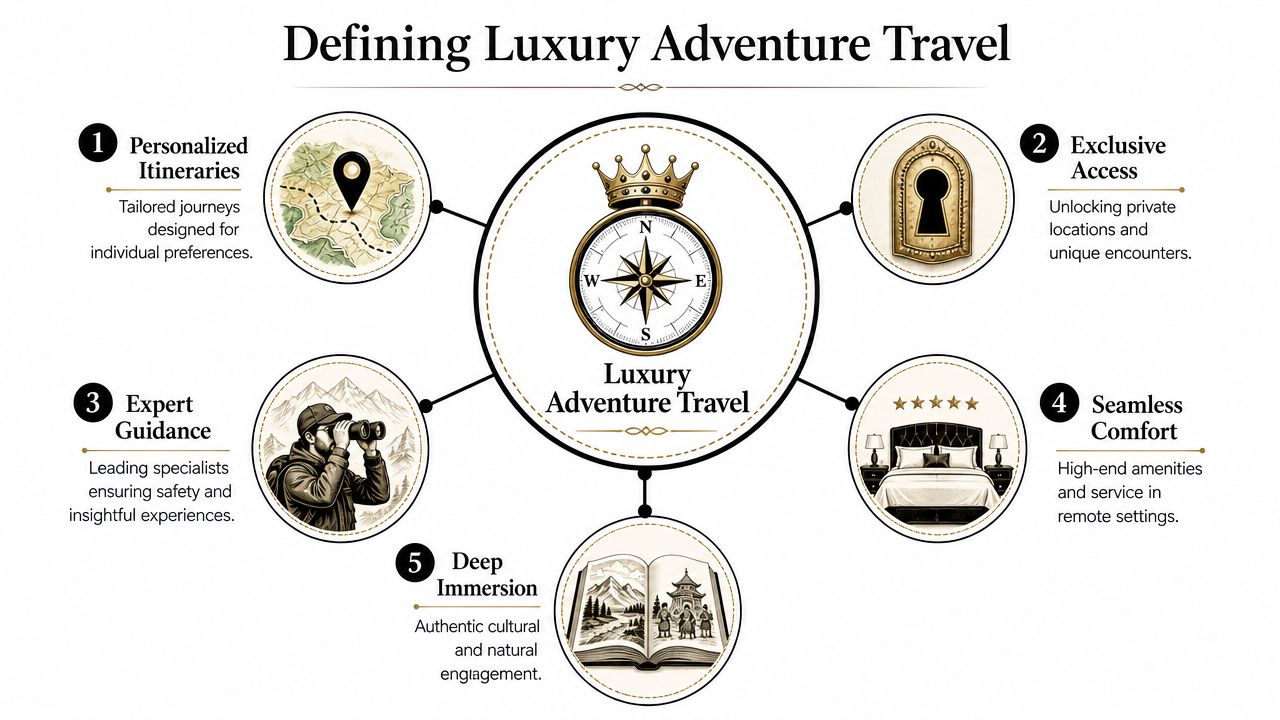
Five elements that have to work together
Consider a Michelin-starred tasting menu. Ingredients matter. Technique matters more. The same is true here.
- Personalized itineraries: not just custom dates, but bespoke daily rhythm.
- Exclusive access: private conservancy drives, closed-hour site access, specialist introductions, or water-based positioning away from traffic.
- Expert guidance: not merely licensed guides, but the right guide for the group's pace, curiosity, and confidence.
- Supreme comfort: premium linens, well-trained staff, polished arrivals, and graceful recovery when weather or logistics shift.
- Deep immersion: culture, conservation, food, natural surroundings, and context woven into the trip rather than appended as token gestures.
Practical rule: If the itinerary can be replicated by clicking together flights, hotels, and a driver, it isn't luxury adventure travel. It's premium travel with some activity built in.
What it is not
It isn't a large group departure with superior room categories. It isn't a wellness resort with one guided hike. It isn't self-planned travel upgraded by a few suite bookings.
It's also not performative hardship. Real luxury adventure doesn't reward discomfort for its own sake. It uses comfort strategically, so travelers can go farther, absorb more, and return with the sense that they were somewhere real without being burdened by preventable friction.
The Five Frontiers of Modern Exploration
The category is broad, but most exceptional journeys fall into a handful of recognizable archetypes. The useful question isn't “Which destination is fashionable?” It's “Which type of exploration suits how you want to feel while traveling?”
Private safaris
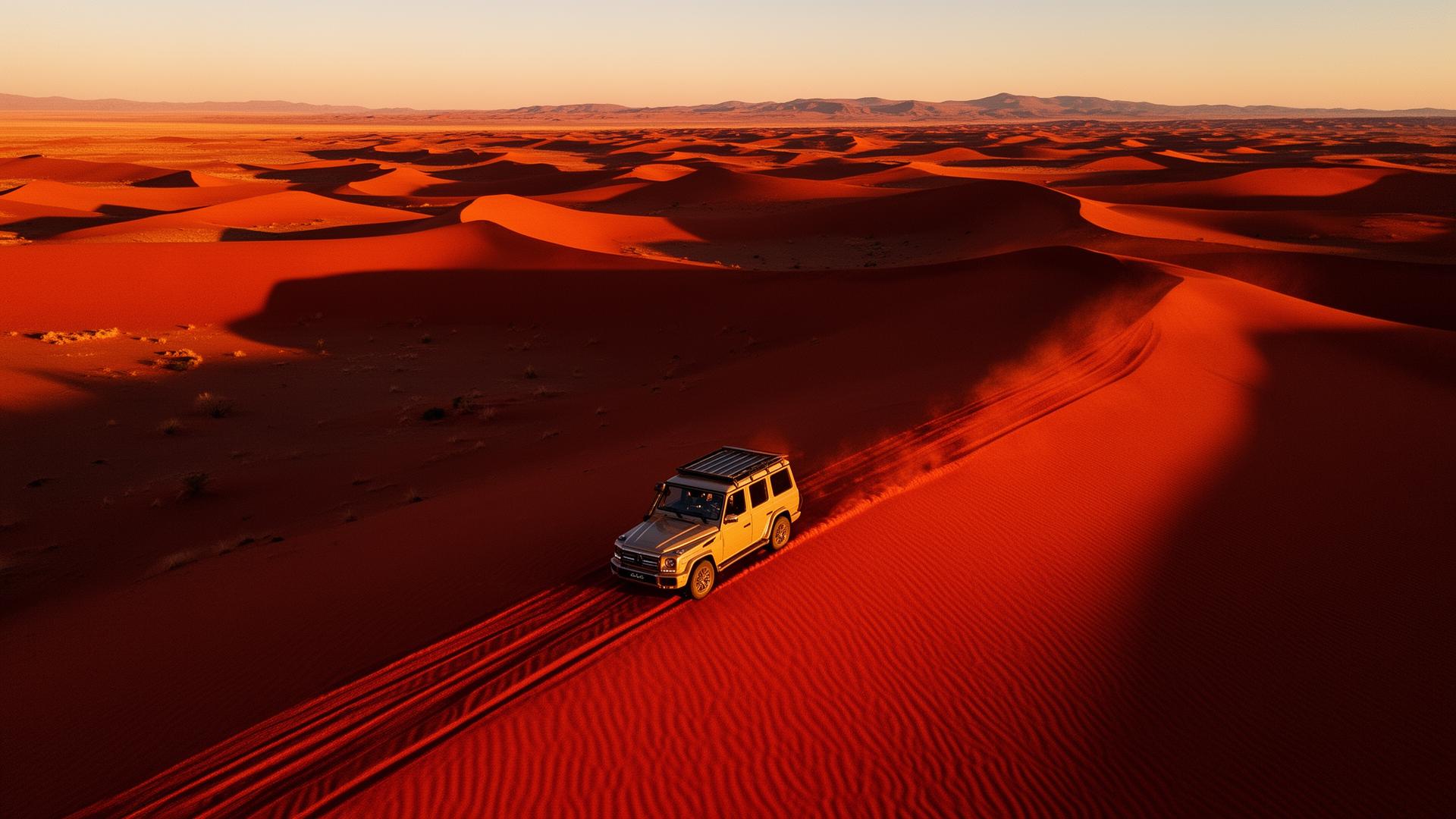
Private safaris appeal to travelers who want drama without losing refinement. The days have clear structure, but the emotional payoff comes from unpredictability. You don't script wildlife.
This format works well for couples, seasoned multigenerational groups, and clients who want a serious sense of place with excellent guiding. The strongest versions pair beautiful lodges with private vehicles, flexible game-drive timing, and a guide who knows when to speak and when to leave silence alone.
Polar expeditions
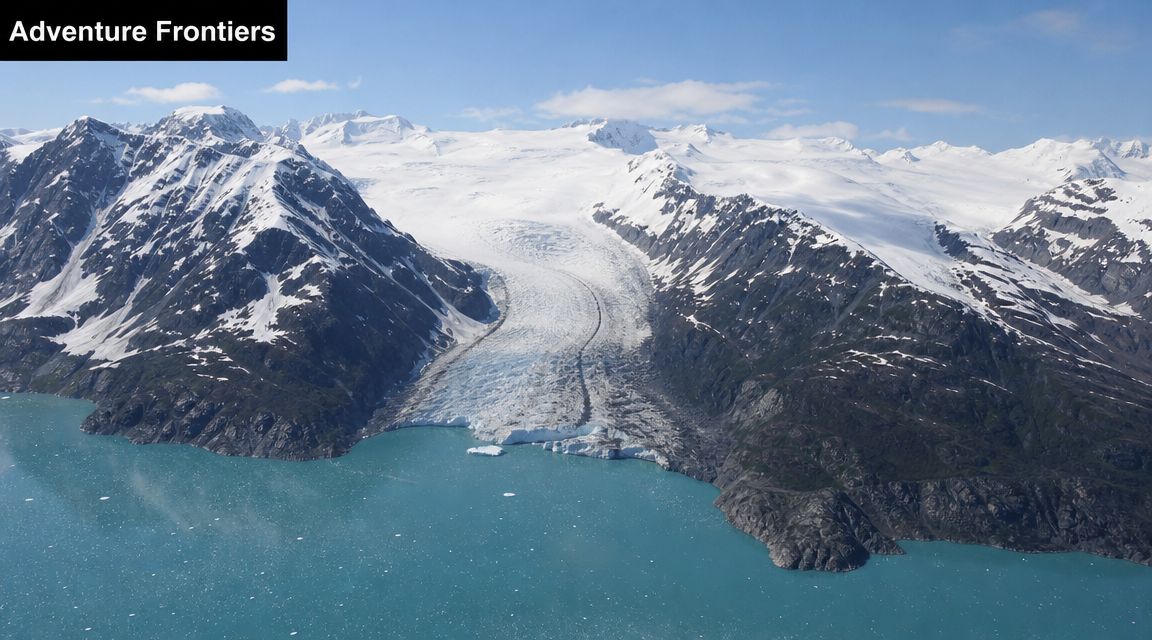
Polar travel is for clients who are less interested in social signaling and more interested in scale, rarity, and elemental environments. Ice, weather, and remoteness impose humility. That's part of the attraction.
The luxury component here isn't ornament. It's expert expedition leadership, warm transitions, and enough operational sophistication that the discomfort remains atmospheric rather than exhausting.
Yacht-based exploration
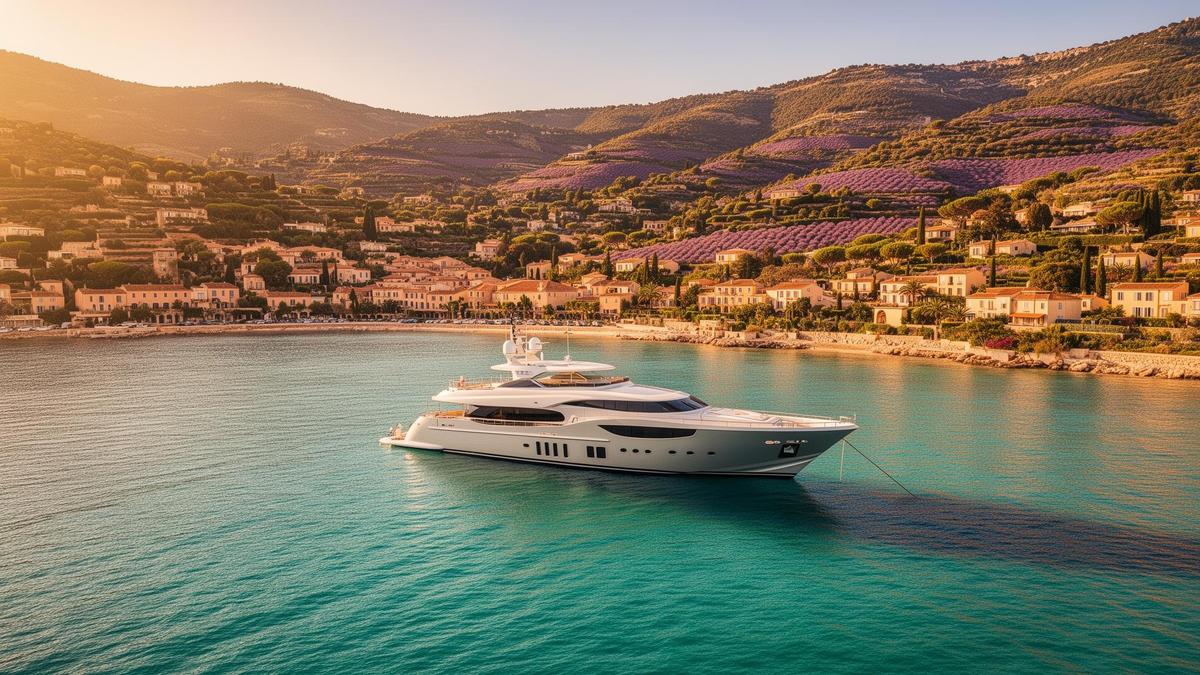
A yacht changes the logic of a trip. Instead of packing and unpacking through a region, you move with your environment. That creates privacy, fluidity, and control over timing that land-based itineraries often can't match.
This is particularly strong in archipelagos, reef systems, and coastlines where the ultimate value lies in reaching the quieter anchorage, the less-trafficked cove, or the snorkeling and diving site others reach too late.
Heli-trekking
Heli-access works for travelers who value time, terrain, and a sense of cinematic scale. It can turn a long transfer into part of the experience, and it opens areas that would otherwise demand a very different physical commitment.
Used well, it doesn't feel flashy. It feels efficient. Used badly, it can make an itinerary feel fragmented and overproduced.
Bespoke cultural immersion
This frontier is often the least athletic and the most refined. It suits travelers who want intimate access to a region's people, traditions, and creative life, but without the flattened feel of staged tourism.
That may mean private estate visits, specialist historians, market walks handled with social intelligence, conservation conversations, or culinary experiences rooted in place rather than spectacle.
Comparing Luxury Adventure Categories
| Category | Primary Focus | Ideal Traveler Profile | Environment |
|---|---|---|---|
| Private Safaris | Wildlife and guiding | Families, couples, repeat luxury travelers | Conservancies, reserves, bush landscapes |
| Polar Expeditions | Remote nature and expedition feel | Explorers, photographers, intellectually curious travelers | Arctic and Antarctic regions |
| Yacht-Based Exploration | Privacy and fluid movement | Families, friend groups, water-focused travelers | Islands, reefs, remote coastlines |
| Heli-Trekking | Access and terrain | Time-sensitive travelers, active couples, small private groups | Mountain ranges, glaciers, alpine regions |
| Bespoke Cultural Immersion | Human connection and context | Connoisseurs, multigenerational groups, soft-adventure travelers | Historic regions, rural communities, cultural capitals |
A family traveling with children and a dog often needs a different planning lens than a couple on a heli-ski extension. For domestic nature trips, even a niche resource like this guide to US national parks with pets can help frame practical decisions before the luxury layer is added.
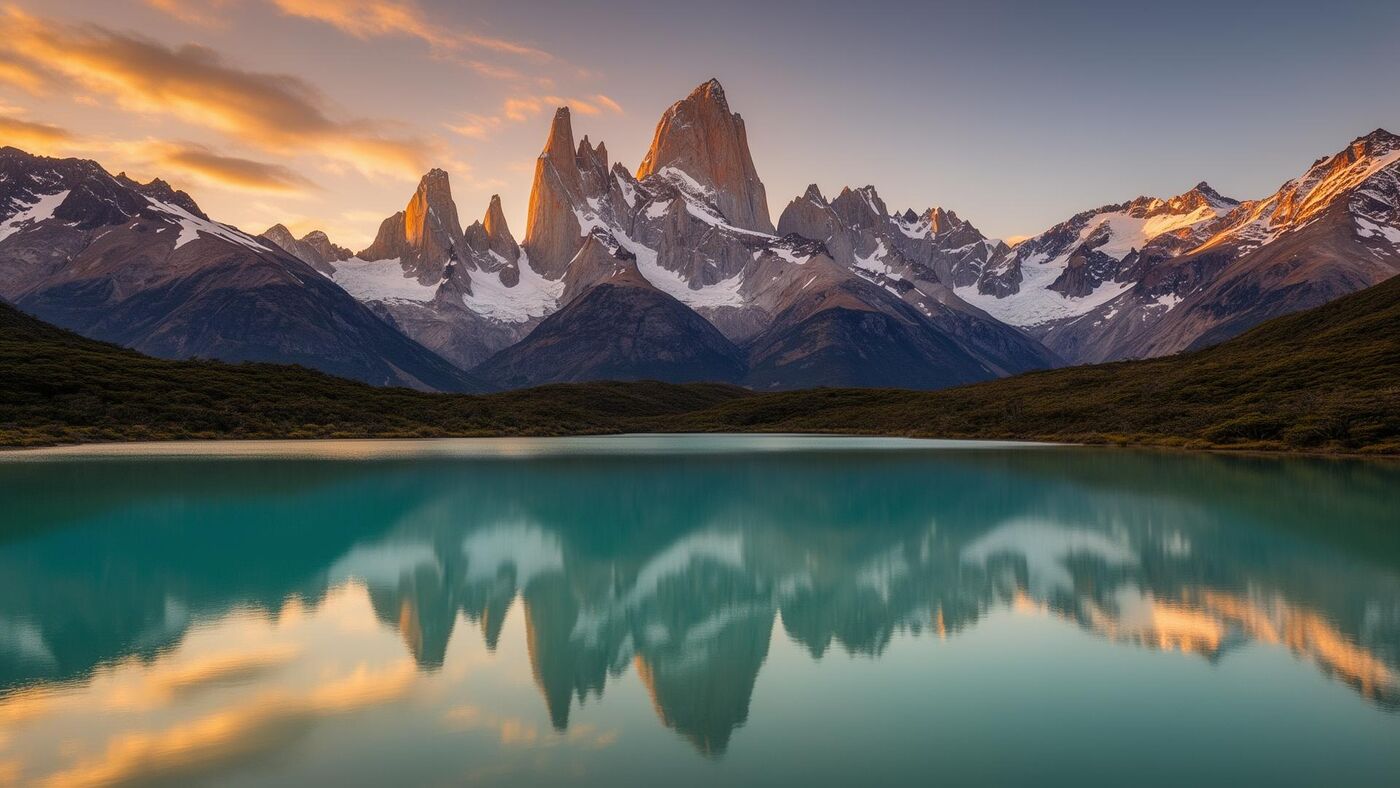
For travelers drawn to raw scenery and highly customized wilderness pacing, a journey such as Patagonia wilderness exploration shows how this category works when access and comfort are designed together.
Planning Beyond the Destination
A remarkable destination doesn't guarantee a remarkable trip. In luxury adventure travel, the difference between exceptional and merely expensive usually appears in the invisible decisions made before departure.
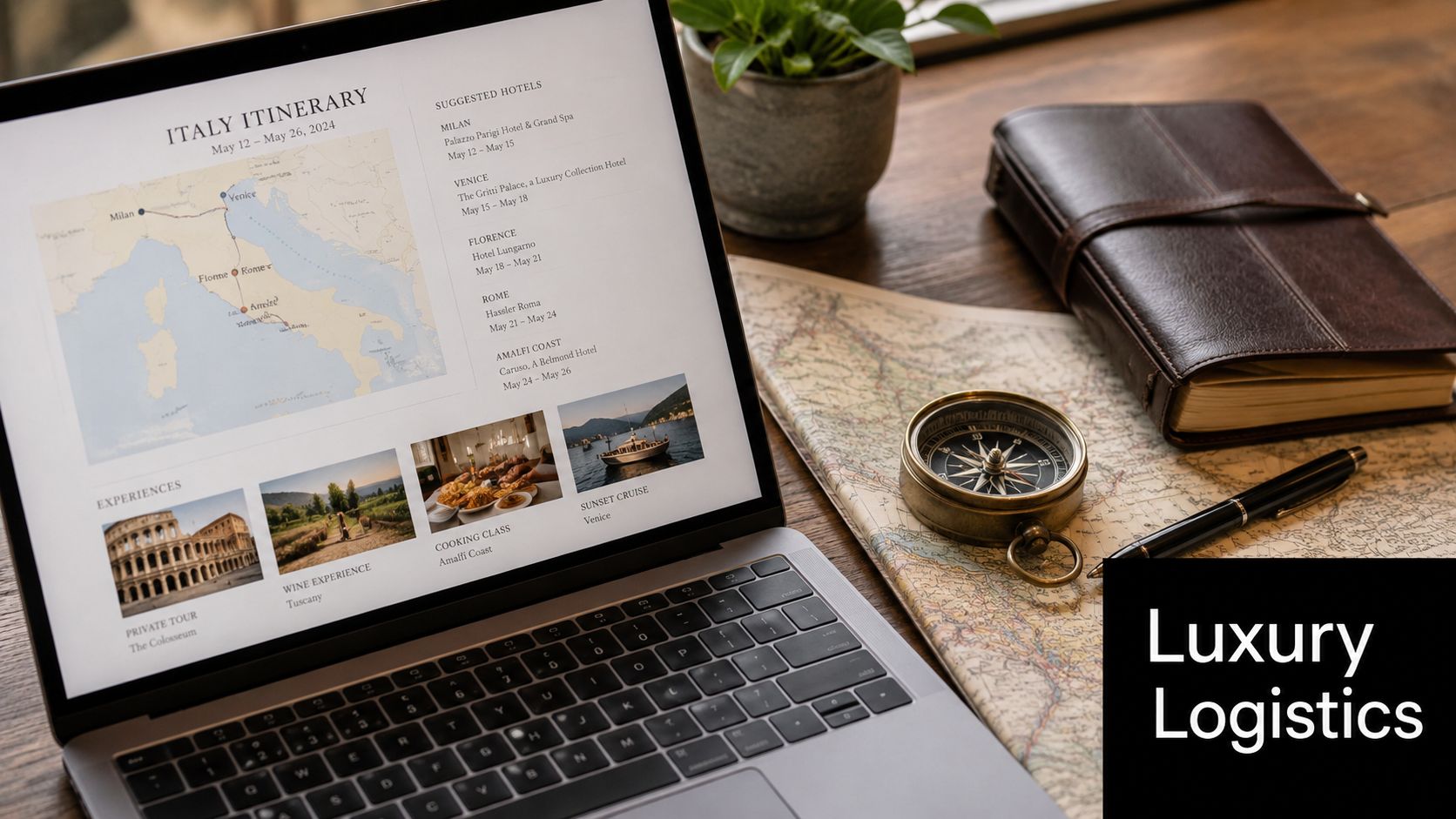
That's why the most underserved issue in this market isn't inspiration. It's logistics. As noted in Untravelled Paths on luxury adventure vacations, a major gap in public guidance is how to make luxury adventure travel low-friction for families, especially when privacy, age-appropriate activity design, and VIP coordination all have to coexist.
Multigenerational travel changes the planning math
A couple can absorb a misstep. A large family group usually can't.
One person wants a dawn trek. Another wants a slower breakfast and a spa therapist on call. A grandparent may be comfortable on uneven ground for half an hour, but not half a day. Teenagers often need independence without losing supervision. Younger children need excitement in controlled doses, not adult-scale exertion with a child-sized helmet.
The right itinerary solves for all of that without making anyone feel they were planned around.
- Staggered pacing: split departures, optional activity layers, and reunions that still feel elegant.
- Parallel experiences: one group hiking, another taking a scenic drive, then meeting for a private lunch.
- Quiet operational support: nannies, extra guides, wellness support, and vehicle flexibility built in from the start.
- Recovery windows: not downtime by accident, but restoration scheduled with intention.
The most successful family adventure trips don't ask everyone to do the same thing. They let everyone feel they shared the same story.
Privacy is a system, not a room category
Clients often say they want privacy when they really mean control. They want control over who sees them, how they move, where they wait, and whether the trip ever feels exposed.
Privacy in remote travel comes from layered decisions:
1. Arrival strategy that minimizes public bottlenecks.
2. Property selection with genuine seclusion, not just premium branding.
3. Guide and staff briefing so service is attentive without being theatrical.
4. Activity timing that avoids the crush point everyone else accepts.
That's also where a strong concierge framework matters. A more detailed discussion of this operating model appears in this guide to luxury travel concierge services, especially for travelers who want consistency across air, ground, villa, and on-site support.
Risk management has to be elegant
Risk planning shouldn't be visible, but it has to be real. Medical access, weather alternates, vehicle standards, guide training, communications redundancy, food tolerance, and evacuation logic all matter more in remote environments than the average client expects.
What doesn't work is theatrical over-briefing that makes a trip feel clinical. What does work is calm preparation, written contingencies, and partners on the ground who can solve problems without escalating stress.
Seasonality also belongs in this conversation. The right month is not merely “best weather.” It's the month that matches your objectives. Wildlife viewing, trail quality, water clarity, crowd density, school calendars, and privacy all move independently. A skilled advisor doesn't chase a postcard season by default. They match the season to the traveler.
Anatomy of an Elite Itinerary
The easiest way to recognize luxury adventure travel is to look for the seams. On a weak itinerary, you feel every handoff. On an elite one, the trip unfolds as if each stage had been waiting for you.
A gorilla trek that never feels rushed
A central African itinerary can go wrong if it treats the gorilla permit as the whole experience. The trek is the headline, but the luxury lives in the lead-up and landing.
The better version starts with a smooth regional arrival, a private onward transfer timed to avoid fatigue, a lodge selected for both design and operational competence, and a guide who understands the group's fitness realistically rather than optimistically. If one traveler wants the full trek and another wants a less demanding day with botanical or cultural depth, both plans should feel intentional.
After the trek, the itinerary should soften. A restorative property, a slower coastline or lake extension, and enough decompression time to let the emotional weight of the encounter settle. That rhythm is what turns a difficult activity into a coherent journey.
A private yacht journey built around access
A yacht itinerary in Indonesia, the South Pacific, or the Galápagos works when the vessel isn't just accommodation. It becomes a moving platform for curation.
The difference shows up in small decisions. Dive and snorkel timing adjusted for light and current. Landing sites chosen for privacy rather than popularity. Menus adapted daily around guest preferences and sea conditions. Onboard specialists who add context without turning the trip into a lecture circuit.
For travelers considering marine-focused trips closer to home, this overview of personalized Hawaii boat adventures is a useful example of how private-charter thinking changes the experience compared with shared excursions.
Patagonia with structure and space
Patagonia fails when planners confuse scenery with ease. The distances are real. Weather changes fast. Some luxury properties are superb. Others photograph well and operate unevenly.
A strong itinerary there uses the scenery as the dramatic engine but controls the tempo carefully. One active day might center on a guided trek with a serious naturalist. The next may shift to a scenic drive, horseback riding for some members of the party, fly-fishing for others, and a long firelit dinner that doesn't start late because everyone was exhausted by poor transfer design.
Elite itineraries don't impress by adding more. They impress by removing the awkwardness between extraordinary moments.
How to Evaluate Travel Advisors and Memberships
The wrong advisor rarely fails on the brochure. The failure shows up in the handoffs, the assumptions, and the moments when a remote trip needs judgment instead of another confirmation email.
For luxury adventure travel, provider selection is an operating decision. A capable hotel booker may still struggle with helicopter contingencies, private villa staffing in a wilderness setting, age-appropriate guiding for children, or a family arriving from three different cities on different schedules. Remote travel exposes every weak point.

What to ask before you hire anyone
A polished proposal proves taste. It does not prove execution.
Ask how the trip is built around complexity. Families with young children, grandparents, dietary restrictions, mobility differences, privacy requirements, and staggered arrivals all change the design.
Ask who is responsible on the ground. Some advisors sell a destination well but rely on weak local operators once the guests land.
Ask what happens when conditions change. Weather holds, aircraft swaps, lodge service gaps, medical concerns, and guide changes are ordinary realities in expedition-style travel. The question is not whether disruption happens. The question is who owns the solution, how quickly they act, and whether you ever feel the scramble.
Ask where their access comes from. Preferred hotel benefits matter, but in this category I put more weight on trusted fixers, destination knowledge, and relationships that can rearrange a day without lowering the standard of the trip.
The three broad provider types
| Provider type | What they usually do well | Where they often fall short |
|---|---|---|
| Standard travel agent | Hotel and air booking, basic vacation planning | Remote logistics, high-touch personalization, specialist access |
| Luxury travel advisor | Bespoke itinerary design, partner perks, destination curation | Quality varies based on field knowledge, after-hours support, and strength of local partners |
| Private membership club | Relationship-based planning, wider lifestyle integration, insider introductions | Best for clients who want the broader platform, not only a single trip |
Cost structure matters too. In remote travel, the strongest programs usually spend intelligently on ground handling, guides, transport coordination, and backup options. That investment is not decorative. It is what keeps the trip running well when conditions shift, especially for multigenerational families or groups with little tolerance for wasted time.
One option for clients who want integrated support
Haute Black operates as a luxury travel company and membership platform with advisor support, bespoke itinerary design, preferred partner hotel benefits, and a wider concierge framework. That model suits clients who want one relationship across travel planning, dining access, transport, and private arrangements instead of stitching those pieces together themselves.
For travelers assessing whether that structure fits their style, request a private trip-planning conversation with Haute Black.
The best choice comes down to fit. A simple itinerary can be handled by a simpler model. A remote, high-cost, emotionally important journey needs an advisor or membership team that can design well, pressure-test the plan, and protect the experience once the trip is underway.
Begin Your Next Great Story with Haute Black
The finest adventure trips don't happen because a destination is beautiful. They happen because someone has thought through the sequence, the access, the pacing, the privacy, and the recovery before you ever leave home.
That's especially true when the journey includes several generations, hard-to-reach terrain, or a standard of service that can't collapse the moment the road ends. In those cases, the planner isn't a booking intermediary. They're the architect of the experience.
For travelers who want a dedicated advisor, member benefits, and a travel platform connected to a wider private network, begin your journey with Haute Black if you're ready to discuss what the next chapter should look like. The process works best when the brief goes beyond destination names and into how you want the trip to feel, who it needs to work for, and what degree of access and discretion matters most.
If you're planning a remote safari, a yacht-based exploration, or a multigenerational adventure that has to run flawlessly, Haute Black offers a starting point for a private conversation about the trip, the logistics, and the standard of execution you expect.
Explore Our Guides
Signature Experiences