Haute Black Journal
Fregate Island In The Seychelles: Ultimate Luxury Guide

Marlene Azeez
Director, HauteBlack
View all articles →
The helicopter drops low over granite outcrops, dense green canopy, and beaches so empty they look staged. Then you land and realize fregate island in the seychelles doesn't feel like a resort at all. It feels like a private world that has somehow survived modern travel.
Welcome to the Last True Sanctuary
Most private islands sell the same promise. Privacy, polished service, a pretty beach, and enough distance from everyday life to make the rate feel justified. Frégate is different because the experience isn't built on decoration. It's built on isolation, scale, and a restored ecosystem that gives the island its character.
That distinction matters. On many ultra-luxury islands, nature is the backdrop. Here, nature is the reason the place is exceptional in the first place. Guests don't arrive for a generic Indian Ocean villa stay. They arrive for a setting that still feels untamed, but without giving up comfort, discretion, or ease.
What works for the right traveler is the sense of inhabiting a place rather than checking into it. The island is small enough to feel entirely knowable, yet varied enough that each part of the day can feel separate. Morning can belong to a quiet beach. Afternoon can mean a conservation walk or a slow drive through forest and coastline. Evening can return you to your villa with the sense that no one else exists unless you want them to.
Frégate suits travelers who've already done the polished island circuit and want something with more depth, more privacy, and less performance.
It's especially compelling for clients who value the private-island category but want more than surface-level indulgence. If you're comparing the world's best hideaways, HauteBlack's perspective on private island resorts for discerning travelers is a useful companion, because Frégate belongs in a narrower subset. It is not just luxurious. It's immersive, secluded, and unusually alive.
That's why it stays with people. The memory isn't just the villa or the beach setup. It's the feeling that for a few days, time slowed down and the island allowed you in.
A Private World Reborn
Frégate has the kind of backstory that gives weight to a stay. It wasn't invented as a hospitality concept. It was shaped by exploration, conflict, exploitation, and then a deliberate ecological recovery that changed its future.
According to the island's historical overview, it was discovered around 300 years ago and named in 1744 by French explorer Lazare Picault for its abundant frigate birds. The same record notes that it served as a 17th-century pirate base, later moved through the plantation era, and stands today as a rare mid-ocean granitic remnant of Gondwanaland.

Why the history matters
A lot of luxury travelers don't need a history lesson. They need a reason to care. On Frégate, the past explains the present.
The island's native forests were cleared during the plantation era for sugarcane and spices. That kind of damage usually leaves a destination with a polished narrative and a compromised natural environment. Frégate took a harder route. The luxury operation helped fund restoration rather than building over what remained.
That's the difference between expensive and rare.
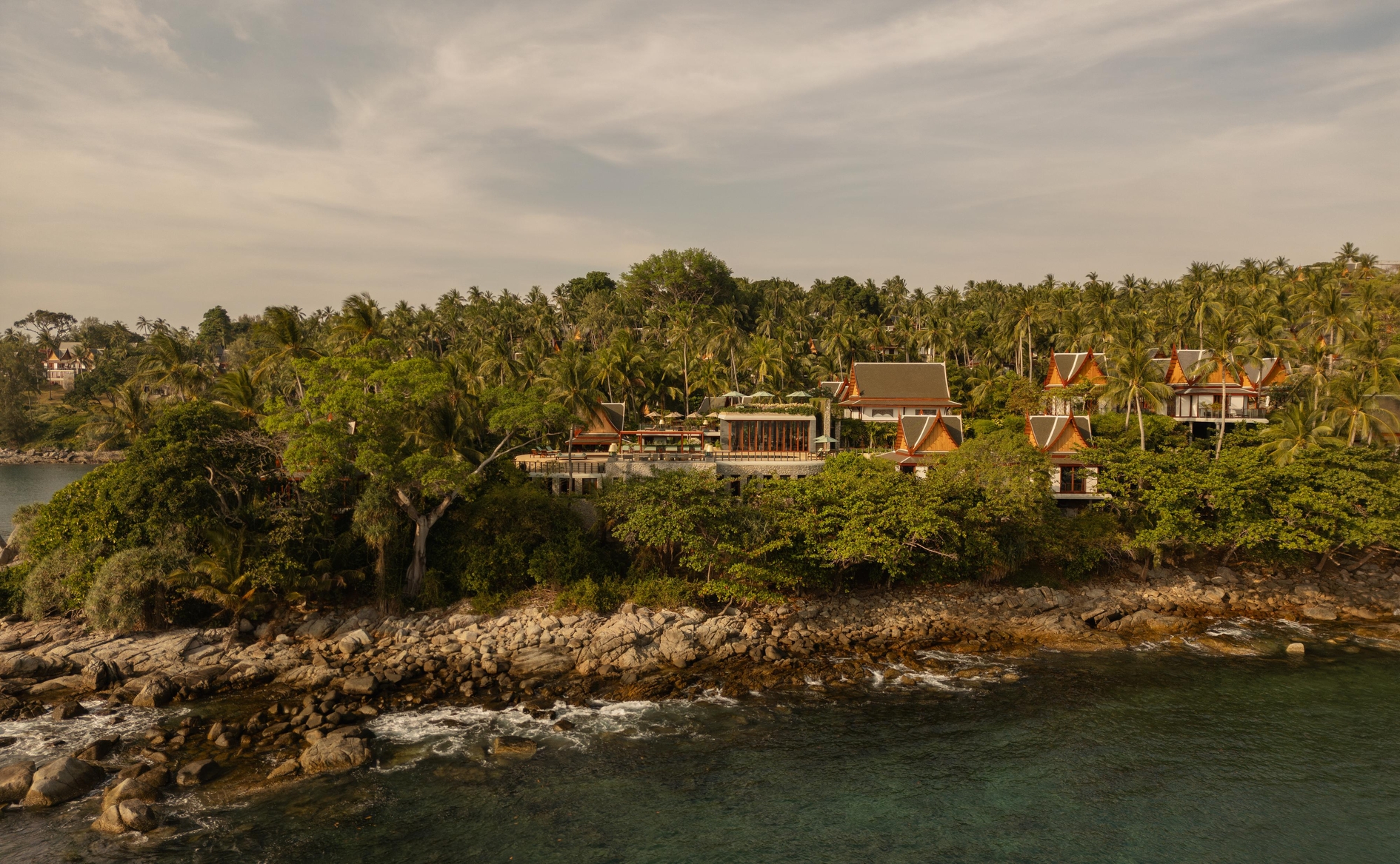
You see it in the island's atmosphere. The granite formations, the dense vegetation, and the sense of separation don't feel artificially created. They feel recovered. The island's appeal comes from the fact that people have spent years trying to return ecological integrity to a place that had lost so much of it.
Luxury with substance
For experienced travelers, that restoration changes how the island reads. The villa, the beach service, and the cuisine matter, but they land differently when they sit inside a living conservation story.
Here's the actual trade-off:
- If you want high-energy social glamour, Frégate may feel too inward.
- If you want a resort with a strong "scene," there are easier options elsewhere in the Indian Ocean.
- If you want privacy with meaning, Frégate stands apart.
The island's greatest luxury is that its conservation success has made the seclusion feel legitimate, not manufactured.
That's why Frégate often resonates with people who are difficult to impress. They've already seen immaculate villas and flawless beach clubs. What they haven't always found is a place where environmental recovery is the source of exclusivity itself.
In practical terms, that means the island doesn't just look beautiful. It feels protected, intentional, and unusually coherent. The story holds together. Pirate lore, plantation history, granitic geology, and modern restoration all point to the same conclusion. This isn't a staged paradise. It's a reclaimed one.
Your Private Residence — The Villas
Accommodation on Frégate works best when you treat it less like a room booking and more like selecting your temporary residence. That mindset changes how you choose, how you plan your days, and what kind of stay you'll have.
The defining feature isn't just luxury. It's distance. Space around you. Space between villas. Space to let service come to you rather than stepping into a shared rhythm.

How to choose well
On an island like this, a poor villa choice won't ruin the trip, but it can change its texture. Some clients want dramatic elevation and broad views. Others should prioritize easier movement and smoother access between beach, dining, and activity points.
That's why villa selection should be driven by behavior, not category alone.
| Traveler type | What to prioritize | What to avoid |
|---|---|---|
| Honeymooners | Maximum privacy, sunset orientation, uninterrupted ocean outlook | Overthinking proximity to shared spaces |
| Families | Easier buggy movement, practical access, room to spread out | The most dramatic positioning if it complicates logistics |
| Multi-generational groups | Convenience, terrain considerations, coordinated movement | Assuming every villa suits older guests equally |
| Work-from-anywhere executives | Quiet, seclusion, strong day-long flow within the residence | Villas chosen only for postcard views |
For clients seeking the residential side of luxury travel more broadly, HauteBlack's private villas and estates collection reflects the same principle. The best stays feel lived in, not merely serviced.
What works here
Frégate's villa model works because it removes the usual hotel friction. You're not constantly re-entering public space. You're not crossing paths with crowds on the way to breakfast. You're not planning your day around where everyone else is likely to be.
That produces a different style of luxury:
- Mornings feel unstructured. You can begin slowly without the usual resort choreography.
- Privacy feels natural. You don't have to work for it.
- Service can stay discreet because the residence carries so much of the experience.
A strong villa stay on Frégate should feel almost owner-like. That's the benchmark.
What doesn't work for every traveler
Not everyone responds well to this kind of isolation. Some guests discover they prefer a more social resort with visible energy and easier spontaneity. Frégate asks you to enjoy quiet, independence, and your own company or the company you brought with you.
That's ideal for some clients and a poor fit for others.
Practical rule: On Frégate, choose a villa for how you'll live in it for several days, not for how it looks in a single photo.
The other important point is terrain. Even in a beautifully managed environment, movement across the island can shape the experience. If anyone in the party has mobility concerns, that should be treated as a primary planning factor from the start, not an afterthought after flights are booked.
When chosen correctly, the villa becomes the trip's anchor. It isn't just where you sleep. It's where you breakfast, decompress, entertain privately, and retreat between moments on the island. On Frégate, that private-home quality is one of the clearest reasons the stay feels so singular.
Dining by Design — Culinary Freedom
The best meal on Frégate is often the one that never feels staged.
I usually tell clients to expect a different rhythm here. You might start with breakfast on your terrace while the island is still quiet, take lunch only after the beach has properly earned it, and save dinner for the evening that deserves a little ceremony. That freedom is part of the luxury, but on Frégate it comes from something more interesting than service polish alone. The island's conservation model shapes the table.
Why the food feels different
On many private-island stays, sustainability sits beside the guest experience as a separate virtue. On Frégate, it changes the practical quality of what you eat. Produce from the island's own gardens and orchard reaches the kitchen with very little distance between harvest and service, which gives the cooking a freshness that is hard to fake in remote destinations. The Frégate Island Private sustainability overview describes the island's farm, hydroponics, orchards, and kitchen garden as part of a wider effort to supply much of what guests consume on property.
That matters for more than bragging rights. It allows the culinary team to cook with the island rather than against it. Menus can shift with conditions, catches, and harvests. A simple grilled fish lunch, good fruit, and vegetables cut that day often land better here than a menu trying too hard to prove sophistication.
The trade-off is clear. Frégate suits travelers who value quality, privacy, and flexibility over a long parade of restaurants or imported excess. Guests looking for a nightly scene, a dense roster of venues, or metropolitan dining theatre may find the island intentionally restrained. Guests who want food to feel personal, place-specific, and precisely exacting usually find it very satisfying.
The best way to use the dining freedom
Frégate rewards restraint in planning. Do not treat meals as fixed appointments from the start of the trip unless your party has specific celebrations to anchor.
A better approach is:
- Keep breakfasts easy and private. This is the meal that sets the pace for the day, especially for families and multi-generational groups who may not all move at the same speed.
- Let lunch follow where you are. After swimming, boating, or time on one of the beaches, the right lunch is the one that arrives in the right place, not the one booked days earlier.
- Choose a small number of dinners to design properly. A beach setup, a villa dinner, or a romantic table in a dramatic location works best when it feels selective rather than nightly.
A strong Frégate meal is rarely about spectacle alone. It is about having exactly the right food, in exactly the right place, with no friction around it.
What travelers should know
For ultra-high-net-worth travelers who care about impact as much as comfort, Frégate is persuasive but not perfect. The island presents a credible conservation story and a visible commitment to growing and sourcing on property. What it does less well, at least from a guest-reporting perspective, is translate that effort into a clear personal impact ledger you can review at the end of a stay. Some clients want that level of measurement. Others are satisfied that the conservation work is tangible on the ground and in the daily experience.
For families, this dining model works particularly well. Different ages, appetites, and schedules are easier to accommodate when the hotel is not forcing everyone through rigid restaurant timings. That flexibility becomes especially valuable on an island where the point is to live privately and follow the day as it unfolds.
Used well, dining on Frégate becomes part of the residence-style experience. It supports the stay rather than trying to dominate it. That is exactly why it works.
Signature Experiences — Conservation and Seclusion
The signature moments on Frégate don't come from manufactured activity lists. They come from being in a place where restoration has changed what guests can encounter.
That's why the island often lingers in memory differently than other private beach destinations. You're not just consuming scenery. You're moving through a working conservation environment that also happens to deliver one of the most private stays in the Indian Ocean.

The encounter that changes the trip
For many guests, the emotional center of the stay is the wildlife. According to the Fregate Island Foundation projects overview, conservation efforts have grown the Aldabra giant tortoise population to over 3,500, and guests can also witness the recovery of the Seychelles Magpie Robin after habitat restoration and a rat eradication program completed in 2000.
That's not a decorative talking point. It gives the island a completely different texture.
Walking through an environment where giant tortoises are part of the lived reality shifts your sense of scale and pace. The island stops behaving like a luxury stage set. It behaves like a habitat that now allows human guests to visit in comfort.
What actually feels exceptional
The best Frégate experiences are often the least theatrical. A guided walk with someone who understands the ecology. A beach that feels borrowed for the day. A quiet sighting that reminds you the island's rarity isn't just visual.
A few experiences tend to land especially well:
- Wildlife-led walks that connect the guest to the island's restoration rather than just pointing out scenery.
- Private beach time where the absence of other people is the point.
- Slow island exploration by buggy or on foot, especially for travelers who don't need a packed itinerary to feel engaged.
- Conservation-focused encounters for guests who want more than passive luxury.
Seclusion with purpose
A lot of resorts can provide privacy. Far fewer can make that privacy feel justified by the natural environment itself.
On Frégate, seclusion works because it sits inside a place that has earned its quiet. The island's conservation history makes the stillness feel serious rather than stylized. It's one reason the destination is so effective for people who have become skeptical of generic ultra-luxury.
There is, however, a trade-off. Guests who want nonstop marine activity, a heavy social calendar, or a larger choice of visible resort programming may find Frégate better for depth than variety. The island rewards attentiveness. It doesn't push entertainment at you.
Some destinations impress by adding more. Frégate impresses by removing noise until the island itself becomes the experience.
The emotional return
Fregate Island in the Seychelles separates itself from prettier but less meaningful competitors. The trip can become personal. Clients who care about ecology, privacy, or giving children a sense of wonder tend to connect with the island in a deeper way than they expect.
That's especially true for travelers who are difficult to move emotionally because they've seen so much. A beach reserve, a villa, and attentive service are all excellent. But a place where conservation has visibly reshaped the guest experience is rarer. Frégate understands that distinction, even when it doesn't state it outright.
The Art of Arrival — Travel Logistics
The first impression of Frégate is usually made in the air. After the international leg into Mahé, the final transfer is short enough to preserve energy, but dramatic enough to explain why the island feels so separate from the rest of the Seychelles. You see the granite ridgelines, the dense green interior, and the absence of neighboring development before you touch down. For the right client, that matters. The privacy starts before check-in.

Best routing strategy
I usually advise clients to treat Mahé as a controlled handoff point, not a place to test tight connection windows. Frégate is exclusive, but the logistics are straightforward if the long-haul flight, airport handling, and island transfer are timed conservatively.
That approach is even more important for families traveling with children, older relatives, or staff. A missed or rushed connection does more than waste time. It changes the tone of the stay.
For clients who want one team coordinating the full air chain into the Seychelles, HauteBlack's private aviation service is well suited to itineraries where ground handling, arrival timing, and onward transfer all need to line up cleanly.
When timing matters most
Seasonality here is less about chasing a single perfect month and more about matching conditions to the purpose of the trip. As noted earlier, one part of the year generally suits breezier watersports better, while another tends to favor calmer diving conditions.
That leads to a simple planning framework:
| Priority | Better fit |
|---|---|
| Watersports and breeze | May to October |
| Calmer diving conditions | October to May |
| Maximum flexibility | Build around the main purpose of the trip |
Clients often ask for the "best" time to go. The better question is what the stay is meant to do. Frégate works differently for a diving-focused week, a family holiday built around nature, or a wider Seychelles journey with time split between islands.
Practical points worth planning properly
Two details shape the arrival experience more than many travelers expect.
- Connection spacing: Build in enough time at Mahé to absorb delays without stress.
- Footwear and packing: Frégate has real terrain, not a flat resort layout designed only for easy circulation.
- Mobility planning: Multi-generational groups should discuss accessibility in advance, especially if any guest will prefer minimal walking or easier vehicle support.
This last point deserves candor. Frégate's topography is part of its beauty and part of its conservation story. The island was not stripped into a generic beachfront resort, and guests benefit from that decision. The trade-off is that movement around the property should be planned with the travelers themselves in mind, particularly for grandparents or anyone with limited mobility.
Done well, the arrival feels calm, private, and precise. Done poorly, even an extraordinary island can start with avoidable friction. On Frégate, the goal is simple. Preserve energy for the place itself.
Crafting Your Journey and The HauteBlack Advantage
Frégate works best when the itinerary is built around who's traveling, not around a generic luxury template. The island can deliver romance, family depth, or quiet executive decompression. What it doesn't reward is lazy planning.
A strong Frégate trip usually falls into one of these patterns.
For couples who want privacy without boredom
This is the cleanest fit. Couples who've outgrown performative honeymoon luxury often respond well to Frégate because it gives them privacy, beauty, and a sense of place that doesn't depend on staged spectacle.
A smart version of the stay includes:
- A villa chosen for privacy first, not proximity.
- Selective private dining, not every night turned into an event.
- Time left open for the island to work its way into the trip.
What doesn't work is over-programming. Frégate is strongest when there's room for slowness.
For families and multi-generational groups
Expert planning becomes much more critical. The island can be extraordinary for families, especially when the goal is shared time with enough space for everyone to disappear when needed.
But there's a practical issue that shouldn't be softened. Frégate's steep terrain and 11km of trails can be challenging for some visitors. HauteBlack's concierge model addresses this with bespoke logistical planning for mobility-impaired guests and multi-generational families.
That's not a small detail. It's the kind of thing that separates a beautiful idea from a smooth trip.
If grandparents, young children, or guests with joint issues are part of the party, terrain should be a first-call discussion.
For conservation-minded travelers
Frégate is unusually well suited to clients who want their luxury travel to retain some intellectual and ethical substance. These guests don't want a lecture. They want access to the right people, the right context, and enough flexibility to engage with the island's ecological story in a meaningful way.
That may mean:
1. Building in time for guided conservation experiences.
2. Positioning the trip within a wider Seychelles journey.
3. Prioritizing a stay that feels connected to the island's restoration rather than isolated from it.
Why expert handling matters here
Frégate can absolutely be booked as a straightforward luxury stay. But that approach often leaves value on the table. The difference lies in details that don't show up clearly on a booking engine.
Advantages come from judgment:
- which villa location best matches the guest profile,
- how to structure arrivals to protect the first day,
- how to anticipate mobility concerns before they become frustrations,
- and how to shape the stay so privacy doesn't slide into passivity.
For the right client, Frégate isn't just one more island booking. It's a highly specific recommendation. It suits travelers who want exclusivity with integrity, comfort without noise, and natural beauty that has been recovered rather than staged.
That combination is rare enough to deserve careful planning.
If you're considering Frégate and want it designed properly from the start, HauteBlack can curate the stay around the details that matter most, from villa selection and arrival flow to multi-generational logistics and the kind of access that turns an exceptional island into an effortless, truly personal journey.
Frequently Asked Questions
Explore Our Guides
Signature Experiences