Haute Black Journal
Europe Weather in May: A Luxury Traveler's Guide

Marlene Azeez
Director, HauteBlack
View all articles →

# Europe Weather in May: A Luxury Traveler's Guide
May 14, 2026
You're likely choosing between two very different versions of Europe right now. One is packed, expensive, and already overheated by the time your villa terrace is ready for aperitivo. The other is May. It gives you access before the continent turns performative.
For luxury travel, europe weather in may isn't a generic “pleasant spring” story. It's a logistics story, a pacing story, and a booking strategy. Get it right and you have swimmable Mediterranean water, civilized city touring, green mountain scenery, and far easier access to the tables, suites, guides, and charter windows that become painful later.
Most travelers look at temperature and stop there. That's amateur planning. A smart May itinerary weighs sunshine, sea temperature, rainfall patterns, airport reliability, heli access, and whether your destination works better outdoors or with elegant indoor fallback options. That's how you choose between Capri and London, the Dolomites and the Riviera, or a single-base trip versus a weather-hedged split stay.
Why May is the Connoisseur's Choice for Europe
Land in Europe in May and the difference is immediate. Your driver reaches the hotel without summer gridlock. The terrace table you want is available at lunch. A serious suite upgrade is still possible. That is what good timing buys you.
May suits travelers who value access, pace, and discretion over peak-season spectacle. You get long, usable days in the South, comfortable conditions for cities, and far less strain on the parts of a luxury trip that matter most, from airport transfers and marina slots to preferred restaurant reservations and last-minute guide availability.
Southern Europe leads the month. Cities such as Athens, Seville, and Antalya are already warm enough for coastal itineraries, open-air dining, and full sightseeing days without the draining heat that starts to flatten summer afternoons, based on May temperature data for European cities. For private aviation clients and yacht charter guests, that matters. Stable spring conditions and lighter seasonal congestion make routing simpler, turnarounds easier, and coveted assets less contested than they are in June and July.
What May does better than summer
May removes the inefficiencies that make high-season Europe feel expensive in all the wrong ways.
- Days stay flexible: You can schedule historical touring, shopping appointments, garden visits, and terrace lunches across the full day instead of hiding from midday heat.
- Coastal trips feel polished: Early-season beach clubs, marina towns, and waterfront hotels have energy without the crush, which is exactly when service tends to be at its best.
- VIP logistics are easier to control: Drivers, guides, berths, dining rooms, and preferred room categories are more attainable before the summer bottleneck tightens.
Book May if you want atmosphere with access. Book high summer only if your priority is maximum beach-club intensity and you are willing to pay for the crowd that comes with it.
There is also a strong value case, but the smarter way to read it is not “save money.” Use May to buy better positioning. Instead of paying peak-season rates for a standard room, you can often secure the better suite, the more private villa, or the hotel with the stronger concierge team and best arrival experience. For clients mapping out next spring now, this guide to the best places to travel in May 2026 is a useful starting point.
My perspective is simpler: for Europe at its most usable, May is when the continent still belongs to travelers who plan well.
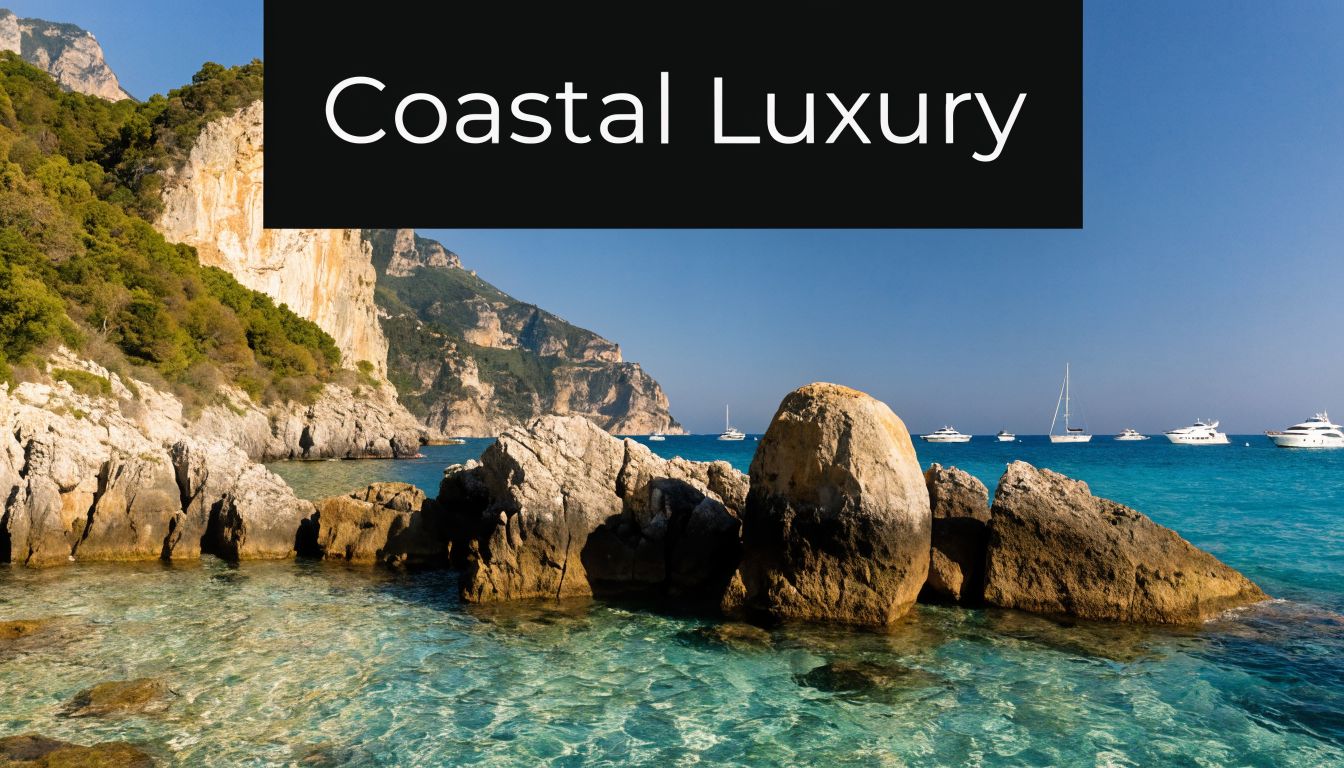
The Mediterranean Sun Prime Time for Coastal Luxury
Land in Nice, Naples, or Athens on a clear May morning and the advantage is immediate. Your driver is not fighting midsummer congestion to reach the marina, your hotel terrace is usable at lunch, and a day that starts with a private guided visit can still end on the water without anyone feeling wrung out. That is why the Mediterranean earns its place in a well-designed May itinerary.
The climate sweet spot established earlier matters here for one reason. It improves how you use expensive travel time. In May, coastal Europe is warm enough for open-air living and early sea days, but still civilised enough for movement between villas, ports, galleries, and dinner reservations. For clients using private aviation, this is also a practical month. Airport flows are easier, helicopter and tender transfers are easier to schedule, and the best crews are usually available before the summer crush hardens.
Where the weather translates into better luxury travel
May in the Mediterranean rewards specificity. Choose the coast for the style of trip, not just for the promise of sun.
| Destination style | What the weather supports in May | Best use of your trip |
|---|---|---|
| Greek classics | Long bright days and comfortable sightseeing windows | Private archaeological touring, island lunches, first yacht weekends |
| Southern Spain | Dry warmth and strong evenings outdoors | Staffed villas, garden estates, riding, and culture with less fatigue |
| Riviera and Ligurian coast | Gentle coastal conditions and polished service rhythm | Terrace dining, short yacht hops, refined hotel stays |
| Naples and Sorrento side | Spring warmth that suits both land and sea | Multi-stop itineraries that mix ruins, villages, and waterfront downtime |
The advantage is not a single headline temperature. It is range. You can spend the morning with a guide, take lunch on a hotel terrace, inspect a charter yacht in the afternoon, and still want a proper dinner. That makes the Mediterranean unusually efficient in May for travelers who want both access and pleasure.
My recommendation by travel style
Choose Greece if the priority is a yacht-first trip with cultural substance on either side of the water. Choose southern Spain if you want a villa week with outdoor living that gets used. Choose the Riviera, Liguria, Naples, or Sorrento if you want a shorter trip with high polish, easy transfers, and excellent coast-to-city balance.
For Italy, the strongest version of this month is a split itinerary. Start inland where spring scenery is still green and uncrowded, then move south to the coast once the sea-facing hotels and marinas have found their rhythm. These Tuscany, Sorrento, and Amalfi luxury itineraries work particularly well because May suits both halves of the trip.
Rome also pairs well with the coast at this time of year. Use the city for private museum access, church visits, and late lunches, then continue to the Tyrrhenian or south to Campania before summer traffic starts wasting your afternoons. If you want a cultural prelude before the shoreline, these Rome travel guides for art lovers are a useful reference.
What not to do
Do not treat the Mediterranean as one interchangeable block. The northern edge suits clients who want terraces, sea views, shopping, and short boat outings. Farther south and east is the better call for clients who expect regular swim stops and longer days on deck.
Do not book too late, either. May feels relaxed once you arrive, but the best inventory goes early. Waterfront suites with real privacy, well-positioned villas, prime berths, and the strongest charter crews are often spoken for long before the season looks busy on the ground.
Western and Central Europe Cultural Capitals in Comfort
You land in Paris at 10 a.m., check into a palace hotel by noon, spend the afternoon between a couture appointment and a private museum visit, and still feel fresh enough for dinner at nine. That is why May works so well in the great capitals of Western and Central Europe.
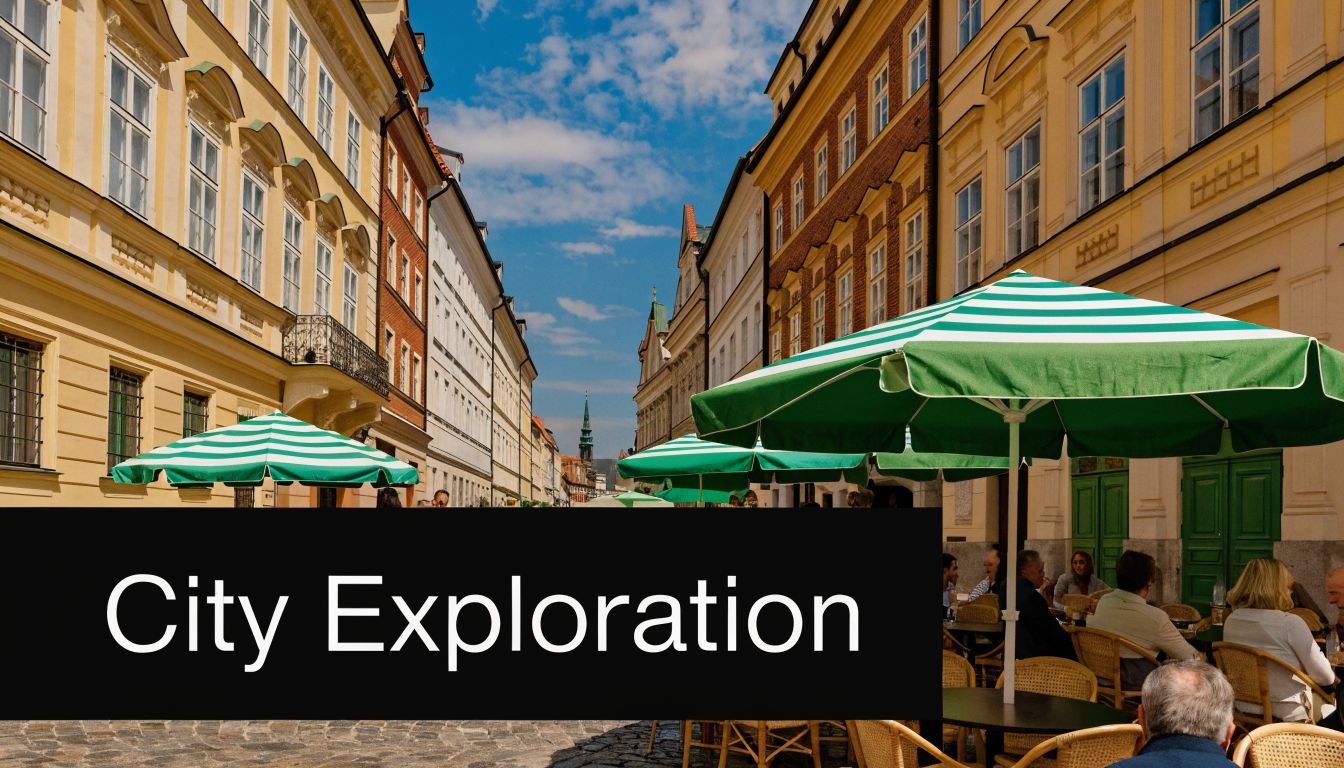
This is the month for cities that reward taste, stamina, and access. Paris, London, Vienna, Prague, and Rome all benefit from milder temperatures, longer daylight, and parks that finally look alive again. You can walk real distances, keep your wardrobe polished, and enjoy museums, galleries, boutiques, and hotel bars without the drag of summer heat.
For luxury travelers, that matters beyond comfort. May weather makes city logistics easier. Chauffeured transfers run on time more often, private guides can build fuller days without heat fatigue, and top terraces reopen before peak-season congestion dulls the experience. If you are arriving by private jet and connecting straight into a capital, this is one of the easiest periods of the year to keep the pace high without making the trip feel rushed.
City weather that respects your schedule
Western and Central European capitals are stronger than beach destinations in May if your priorities are culture, dining, shopping, and architectural access. The weather usually supports movement. You are not structuring every hour around sun exposure, pool time, or whether the sea is warm enough to justify the detour.
You still need a smart plan. May can shift quickly from bright morning light to a cool shower by late afternoon. Good city itineraries absorb that without losing momentum.
Build the day properly:
- Use a real transfer plan: Book a private car between districts if the schedule includes fittings, timed entries, or lunch at places where arriving flustered ruins the point.
- Reserve indoor standouts in advance: Hold tables, tastings, and private visits in rooms that are worth the time even if the terrace is off the table.
- Mix outdoor and indoor anchors: Pair a garden, market, or walking quarter with a collection visit, atelier appointment, or grand hotel afternoon tea.
The best May capital trips are built to flex by two or three hours, not collapse because of one passing shower.
Rome deserves special handling. It is one of the strongest May cities in Europe, but only if you treat it as a cultural capital first and a checklist city second. These Rome travel guides for art lovers are useful if you want to organize the stay around artistic concentration rather than rushing between monuments.
Choose the right capitals for the pattern, not the brochure
Regional contrast matters in May. Western capitals usually give you a more reliable luxury experience than farther east when the month runs cool or unsettled, because the product is less dependent on ideal outdoor conditions. London and Paris still perform beautifully with intermittent cloud or light rain. Their strength sits indoors as much as out, in museum access, shopping, clubby hotel bars, private salons, and restaurants that feel better in spring than in peak summer.
That is not true of every city. Some itineraries need warm, sunny afternoons to justify the pacing. If the month is tracking cooler, I would choose London, Paris, Vienna, or Rome over an eastern circuit that depends heavily on long outdoor sessions, riverside lingering, or open-air spectacle to feel rewarding.
This also creates a useful opening for combination trips. A few nights in a capital can sharpen the front end of a broader itinerary before you move into scenery and softer pacing. If you want a clean transition from galleries and grand hotels to mountain air and lake views, the Italian Lakes and Dolomites luxury route is one of the smartest follow-ons in this season.
A short visual helps if you're comparing city rhythm with coast rhythm:
My verdict on city breaks in May
Book a city-led Europe trip in May if you care more about access than heat. This is the month for opera boxes, private viewings, shopping appointments, long lunches, and evenings that still have energy left in them.
Do not choose it for a faux-summer fantasy. Choose it because capitals are at their most comfortable, their grand hotels are fully awake, and the weather supports a polished itinerary instead of dominating it.
Alpine and Nordic Realms for Adventurous Luxury
Travelers often hear “europe weather in may” and default to the Riviera. That's too narrow. May is also one of the smartest months for travelers who want movement, scenery, and a little contrast in the same trip.
The Alps and the Nordics reward clients who understand transitional seasons. You won't get one-note heat, but you will get cleaner environments, dramatic textures, and more interesting combinations of experience than summer often allows.
Why May works in the mountains
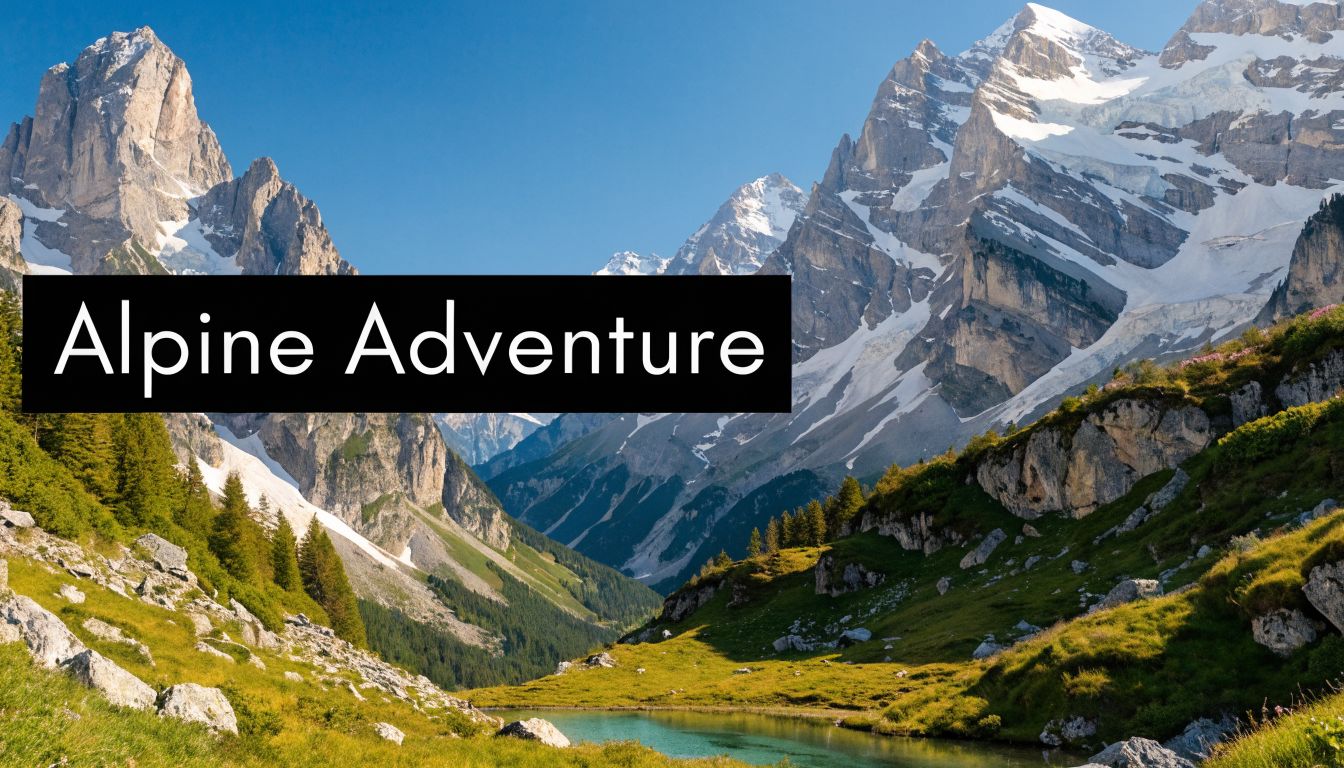
The lazy assumption is that the Alps are a winter-only luxury product. They're not. In May, the appeal shifts from pure ski glamour to dual-season range. Higher elevations can still feel crisp and dramatic, while lower valleys turn green and photogenic.
That creates a more layered trip:
- Late snow appeal: Glacier environments and high-altitude scenery still give you that alpine drama.
- Valley season begins: Lakeside promenades, scenic drives, and gentle hiking become attractive without peak summer density.
- Hotels feel calmer: Staff have room to personalize the stay. Public spaces breathe.
If you like your luxury travel active rather than static, May in the Alps is smarter than high summer.
For travelers who want mountain scenery without committing to a ski-first holiday, Italian Lakes and Dolomites journeys strike the right balance. The lakes bring polish. The Dolomites bring scale.
The Nordics are for clients who want atmosphere, not heat
Northern Europe in May isn't about warmth. It's about light, water, and the sense that the natural world is waking up. Fjords, archipelagos, and forested estates feel sharper in spring than they do later when the visual softness of summer arrives.
I would send clients who are bored by obvious itineraries to these destinations. The right Nordic May trip works for:
1. Scenic cruising and rail lovers who care more about views and privacy than pool time.
2. Design-minded travelers who prefer urban calm, waterfront hotels, and long twilight dinners.
3. Families with mixed interests because one group can pursue nature while another stays comfortably in town.
Who should skip this category
If your vacation standard is immediate pool heat and guaranteed swimming, don't force an alpine or Nordic itinerary in May. You'll spend the trip wanting a different climate.
But if your taste runs toward mountain air, beautiful roads, serious hotels, and scenery that looks expensive without trying, this category is excellent.
The Art of Packing for a Multi-Climate European Escape
Packing for May in Europe isn't about making a checklist. It's about controlling transitions. You're rarely dressing for one climate. You're dressing for a sequence of settings that can move from a bright Amalfi lunch to a cool Paris evening or a mountain transfer the next morning.
That means your wardrobe has to do three jobs. It must travel well, layer cleanly, and still look intentional at lunch, in transit, and at dinner. Anything else is amateur baggage.
Build the wardrobe around layers, not outfits
The smartest approach is modular. Start with pieces that hold structure after a flight and work across formal and informal settings. A lightweight travel jacket, a fine-gauge knit, smart trousers, a polished loafer, and one weather-ready outer layer will outperform a suitcase full of single-purpose looks.
I'd build around fabrics and silhouettes that can absorb weather variation without losing shape:
- Soft tailoring: A lightweight blazer or travel jacket works in capitals, on trains, and at dinner.
- Refined knitwear: Fine cashmere or merino handles cool mornings and over-air-conditioned interiors.
- Elegant outerwear: A compact rain layer is not optional in spring. It should still look credible over eveningwear.
- Shoes with range: Bring shoes that can cross cobblestones, hotel lobbies, and terraces without looking orthopedic.
What sophisticated packing gets right
Too many travelers pack for photos rather than movement. That's why they end up cold at breakfast, overdone at lunch, and annoyed by evening.
A better packing philosophy looks like this:
| Situation | What works | What fails |
|---|---|---|
| Coastal lunch with breeze | Open-collar shirt, knit layer, light jacket | Linen-only look with no evening coverage |
| Capital city touring | Tailored separates and walking-friendly leather shoes | Heavy formalwear with no flexibility |
| Mountain transfer day | Performance layer under polished outerwear | Bulky ski-adjacent clothing that feels wrong in hotels |
Dress for the temperature swing, not the noon forecast.
My packing rule for May
Pack a wardrobe that can move one click up or down all day. That's the whole game. Your clothes should shift from informal to polished with a change of shoe, jewelry, scarf, or jacket rather than a full costume change.
For men, that often means neutral tailoring, textured knits, and one excellent outer layer. For women, it means dresses that layer well, a strong day-to-evening flat or low heel, and a jacket with shape. In both cases, resist novelty. May rewards restraint because the weather can change before the reservation does.
If you're crossing regions in one itinerary, ask your hotel team to assist with pressing, unpacking, and inter-property luggage coordination. A polished trip feels lighter when the wardrobe is doing less and doing it better.
VIP Planning How to Weatherproof Your Luxury Itinerary
Your jet touches down in Nice on a bright May morning. By lunch, coastal fog is sitting low over the heliport, the sea is too choppy for a comfortable tender run, and the terrace table your hotel promised suddenly looks like a bad idea. This is what May planning gets wrong at the high end. The problem is rarely the trip. The problem is access.
Professional planning starts there. In May, Europe rewards travelers who book for continuity, not just sunshine. Private aviation, helicopter positioning, yacht movements, villa arrivals, and outdoor dining all depend on local conditions that can shift within hours.

The real May risks for VIP travel
The useful question is not, “Will it be warm?” It is, “What fails first if conditions turn?”
Analysts at Going's guide to hot places in Europe in May note that spring weather patterns can complicate flights and transfers, especially where fog, rain, and wind affect regional access. For a luxury itinerary, that means heli arrivals can convert to road transfers, outdoor lunches can lose their appeal fast, and day-charter plans can become uncomfortable even when the forecast still looks acceptable on paper.
That should change how you book every major element.
What a weatherproof itinerary actually looks like
A strong May itinerary protects the experience without making it feel defensive. You still book the cliffside villa, the beach club lunch, and the mountain transfer. You just refuse to let any single weather-sensitive moment carry the whole trip.
Use this standard:
| Trip element | Weak setup | Better setup |
|---|---|---|
| Airport and heli access | One timed transfer, no fallback | Chauffeur backup confirmed in advance |
| Villa selection | Terrace-led choice | Terrace plus excellent indoor entertaining space |
| Dining plan | One fixed alfresco reservation | Outdoor booking with a polished indoor alternative |
| Yacht or boat day | Open-deck priority only | Good shelter, flexible departure window, protected route option |
| Regional routing | One exposed microclimate | Two bases with different weather profiles |
Weatherproof planning does one thing well. It lowers the penalty of a bad weather window.
Details that protect the trip
This is where experienced advisors earn their fee. They hold the right car even when the helicopter is still booked. They choose suites with real salons, not just oversized bedrooms. They book villas with staff who can pivot dinner indoors without making it feel like second choice. They know which Mediterranean ports stay pleasant in a breeze and which become annoying the moment the wind picks up.
Small items matter too. Keep documents organized for repeated transfers, lounge entries, and border checks with slim Lithuanian-made leather passport cases, not bulky travel wallets that slow you down at every handoff.
If you are chartering on the water, ask direct questions. How protected is the route? How comfortable is the vessel at anchor if conditions change? Is the departure time flexible? If you are heading into the Alps, ask the same kind of questions about road access, rail alternatives, and luggage handling between properties.
My recommendation
Do not buy a fantasy version of May and hope the forecast cooperates. Build a trip that can absorb change and still feel polished.
That means choosing regions for how you want to live, not just for the noon temperature. It means every outdoor plan gets an indoor equal. It means every glamorous transfer gets a credible backup. And it means your hotel, villa, aviation, and ground teams are working from one plan, not improvising after the weather turns.
If you want May in Europe planned at the level it deserves, Haute Black can design the full itinerary around weather, access, and VIP experience. That includes the right region pairing, preferred hotel and villa options, private aviation and transfer strategy, and contingency planning that keeps the trip polished even when conditions shift.
Explore Our Guides


Signature Experiences


