Haute Black Journal
10 Best Chile Places to Visit for 2026: The Luxury List

Leslie Peterson
Travel Writer
View all articles →

Chile earned an unusually strong distinction in the Forbes Travel Awards 2026, where it was named the Best International Destination, while San Pedro de Atacama placed 4th among 25 global destinations in the Solo Travel category and Santiago ranked 12th in Top South American Destinations for its urban and gastronomic appeal. That matters because Chile has never been a simple country to do well. It's long, fragmented, climatically extreme, and often misunderstood by travelers who reduce it to a few famous photographs.
The discerning traveler should see something else. Chile is less a single trip than a sequence of controlled contrasts. Desert silence. Alpine drama. Polynesian remoteness. Old-vine intimacy. Subpolar edge. The privilege isn't merely visiting these places. It's moving between them elegantly, without friction, with the right guide at the right moment and access arranged before the question even arises.
That's the difference between travel in Chile and a serious Chilean journey. Anyone can arrive in San Pedro and book a shared excursion. Anyone can stand at a viewpoint in Patagonia. Very few travelers reach Chile's most remarkable natural settings with the pace, privacy, and precision they deserve. This country rewards preparation more than almost anywhere in the world.
For a client who values discretion, time, and unusual access, the best Chile places to visit are the ones that combine visual impact with logistical intelligence. Some are obvious and still indispensable. Others only become compelling when private aviation, specialist guides, and carefully sequenced routing turn them from demanding into effortlessly flowing experiences.
I'd prioritize the following ten. Not because they are fashionable, but because each one delivers a different register of Chile. Together, they form the strongest luxury portfolio in the country.
1. Atacama Desert and San Pedro de Atacama
The Atacama is where I send clients who've grown bored of conventional beauty. It doesn't charm. It strips away noise.
This desert spans 105,000 square kilometers, and in some areas receives less than 1 mm of rain annually, making it the driest non-polar desert on Earth. That severity is precisely its appeal. The environment feels edited down to essentials. Salt, wind, altitude, silence, and light.
Why it belongs on a serious Chile itinerary
San Pedro de Atacama works as the polished gateway, but the true luxury here is curation. You don't come for a hotel stay with scenery attached. You come for a sequence of contrasting experiences handled with intelligence: dawn at El Tatio, stillness in high-altitude lagoons, late light over Valle de la Luna, then a night under some of the clearest skies on the planet.
ALMA sits at 5,000 meters and includes 66 radio telescopes. The Very Large Telescope at Paranal adds to the region's astronomical authority, which is why northern Chile remains one of the strongest places on earth for elite stargazing. For the right client, I'd pair a top desert lodge with private astronomy programming rather than a standard group outing.
Practical rule: Arrive gently. The desert rewards restraint on day one, especially if you plan to include geysers or higher-altitude lagoons early.
Explora Atacama remains a strong choice for travelers who want structure, polished guiding, and a disciplined aesthetic. Some clients prefer a wellness-led desert base with more spa time between excursions. Both approaches work. The key is avoiding overpacked scheduling in a region where altitude and distance can quickly cheapen the experience if handled badly.
A few recommendations matter here:
- Prioritize astronomy over volume: One well-arranged celestial evening is worth more than stacking multiple generic tours.
- Use private guiding selectively: Valle de la Luna and the salt lagoons become far more compelling with a guide who knows where to position you for timing and privacy.
- Treat Calama as a transit point: The journey should feel smooth from touchdown to lodge, especially for executives arriving on limited time.
For clients asking about the best Chile places to visit with dramatic return on relatively compact travel time, Atacama always stays near the top.
2. Torres del Paine National Park and Patagonia
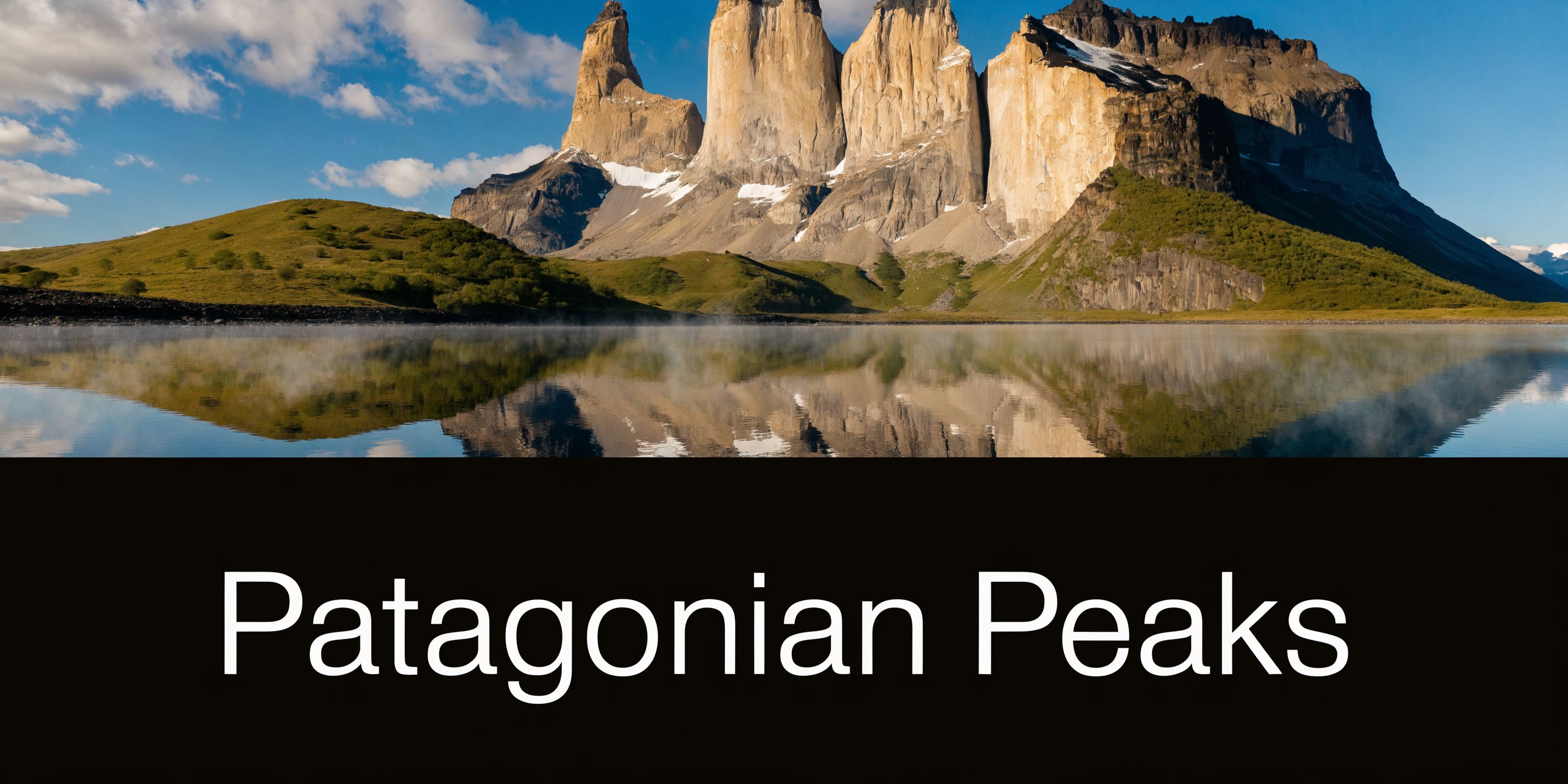
Patagonia is Chile at full scale. You don't visit Torres del Paine for novelty. You go because few places in the world deliver this kind of force with such consistency.
In 2022, Torres del Paine National Park welcomed 140,458 visitors, reaffirming its place among the country's defining destinations. Popularity, however, isn't the problem. Poor planning is.
The case for doing Patagonia properly
Established in 1959, the park spans 181,414 hectares as a UNESCO Biosphere Reserve. The Paine Massif rises over 2,800 meters, and those granite forms dominate the visual grammar of the region. For many travelers, that's enough. It shouldn't be.
The right approach depends on your appetite. Some clients want a guided version of the famous W Trek, which runs 71 kilometers. Others prefer the grandeur without committing to a hut-to-hut rhythm. I often recommend private lodge-based exploration instead. You keep the drama and lose the friction.
For planning your hiking trips to Patagonia, route sequencing matters less than pacing and exclusivity. A half-day with an excellent private guide can outperform a full day spent chasing the standard flow.
You can also refine the experience through property choice. Explora Patagonia remains one of the strongest bases for guided immersion and access. Different valley perspectives produce different emotional effects, so multi-property combinations can work well for longer stays.
For additional inspiration on private routing and experiences, I'd review things to do in Patagonia.
What I'd insist on
Go by air as far as makes sense, then simplify everything else. Patagonia becomes luxurious when transitions disappear.
- Use private transfers intelligently: Punta Arenas is the key southern gateway for many clients, and the onward movement should be pre-orchestrated.
- Choose guides, not just hotels: In a place this cinematic, interpretation matters. Wildlife, weather, trail timing, and positioning all change the day.
- Avoid false athleticism: Not every client needs the full trekking identity. Scenic overflights, soft hikes, and private glacier-facing moments can be the superior version.
Torres del Paine attracts honeymooners, serious walkers, photographers, and families for good reason. It remains one of the essential Chile places to visit, but only when handled with discipline.
3. Easter Island (Rapa Nui)
Some destinations impress immediately. Rapa Nui lingers.
Its power comes from isolation, but not in a performative sense. The island's remoteness sharpens everything. Wind across grassland. Ocean light. Archaeological silence. The moai don't need introduction, and in truth, they are better encountered without too much scene-setting.
Why this is for the collector, not the checklist traveler
Easter Island suits travelers who value rarity over variety. You won't come here for a dense menu of activities. You come because few places on earth combine monumental archaeology, indigenous continuity, and Pacific emptiness with such force.
A short stay feels careless. Give the island enough time for repeated encounters with key ceremonial sites under different light. Morning and late afternoon transform the same stone faces into completely different experiences. A private guide with serious archaeological depth changes the island from iconic to intelligible.
Explora Rapa Nui is often the cleanest answer for clients who want a smooth framework, strong guiding, and insulation from operational fuss. Beyond that, the island responds well to quiet custom touches: a private dinner, a carefully arranged cultural encounter, or a helicopter perspective if air conditions cooperate.
How I'd shape the stay
I'd keep the structure elegant and restrained.
- Anchor the trip in cultural access: Standard commentary won't satisfy a well-traveled client here.
- Revisit major sites: Rapa Nui reveals itself through repetition and changing conditions.
- Protect time for stillness: The island works best when the itinerary leaves room to absorb it.
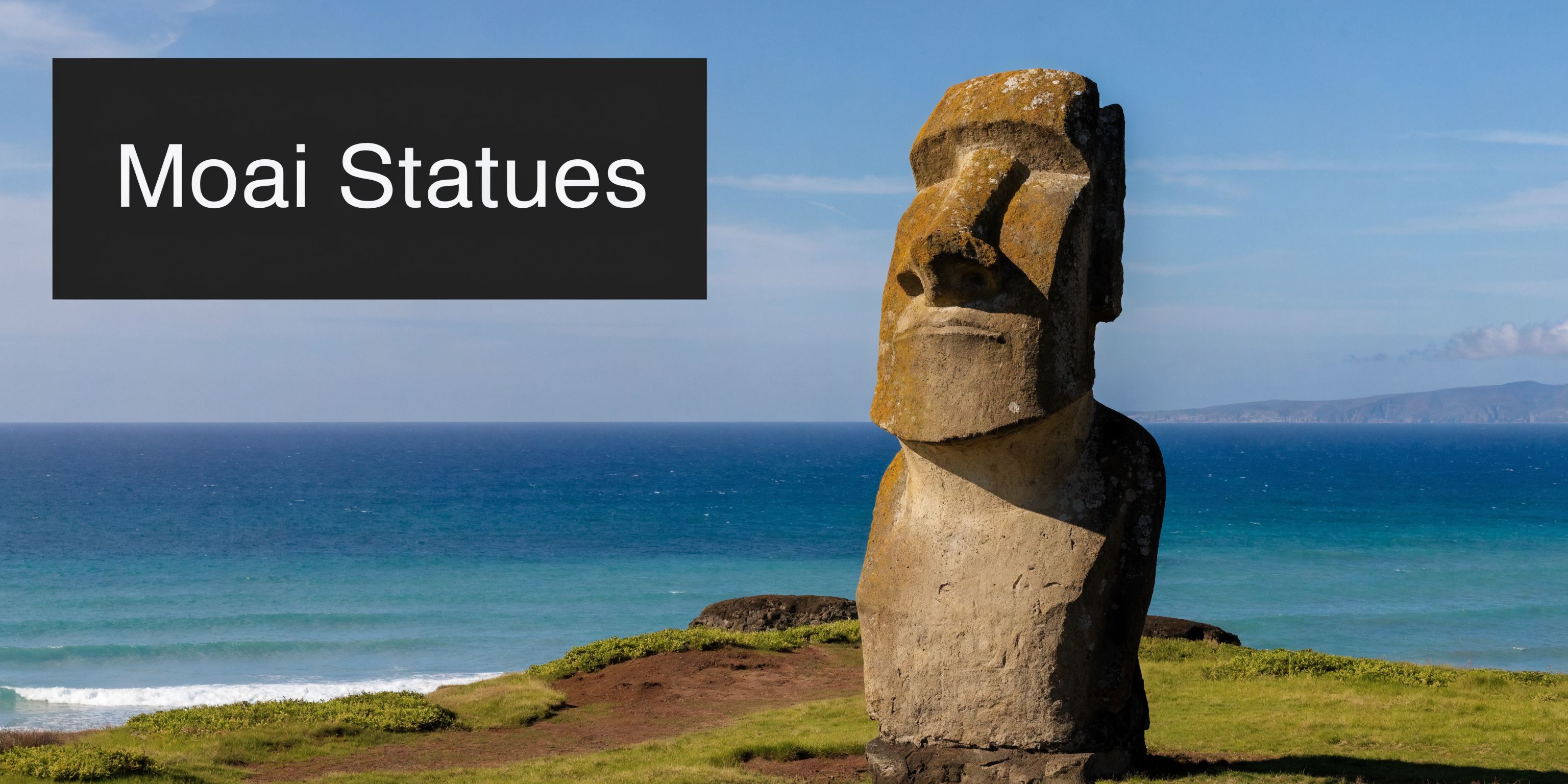
The best moment on Easter Island is rarely the one people post. It's often a quieter one. A nearly empty platform. A guide explaining lineage rather than legend. The sea moving behind the stone in near silence.
Among the most memorable Chile places to visit, this is the one I reserve for clients who want distance, depth, and a sense of having gone all the way to the edge.
4. Wine Country — Colchagua Valley and Maipo Valley
Chile's wine country isn't merely a palate exercise. It's one of the country's most elegant balancing acts. Scenery, gastronomy, architecture, and access all sit within easy reach of Santiago, which makes it ideal for clients who want refinement without expeditionary effort.
Why wine country earns its place
I'd send a couple here after Patagonia, or a family office principal who wants a softer landing before the next long-haul sector. The pace shifts. The service becomes more domestic, more intimate. Days lengthen.
The strongest experiences aren't the largest estates or the most theatrical tastings. They're the private conversations, the cellar access arranged before public hours, the blending session handled by someone who understands your level of interest, not a script.
What to do, and what to avoid
I favor a curated progression rather than vineyard overload. One architectural estate. One more intimate producer. One lunch that matters. One serious tasting with a trusted sommelier or host. That's enough.
- Book private tastings, not standard circuits: Shared departures flatten what should feel privileged.
- Focus on people as much as bottles: A compelling owner, winemaker, or estate host will define the memory.
- Use helicopters sparingly: They're useful when time is constrained, but not every vineyard day needs aerial theatre.
Casa Lapostolle has obvious appeal for clients who want polished hospitality. Santa Rita can work well for travelers who prefer stronger educational framing. For some, the best day is less branded: a private route through selected estates, a lunch built around cellar releases, then a quiet return to Santiago or an overnight in the valley.
"In Chilean wine country, discretion is the luxury. Not spectacle."
As Chile places to visit go, these valleys do something important. They provide contrast. After deserts, glaciers, or transoceanic remoteness, Chile's central wine country reminds you that the nation also does intimacy very well.
5. Lake District and Puerto Varas Region
If Patagonia is Chile in a major key, the Lake District is its more lyrical register. Volcanoes, dark water, deep green countryside, and a gentler rhythm make this region particularly strong for couples and multi-generational families.
Why I like it for longer itineraries
Puerto Varas gives the region a composed base. It's polished enough to feel easy, but not so polished that it loses atmosphere. From here, the region opens into lakes, volcano views, gardened towns, and outdoor experiences that can be as active or as relaxed as you want them to be.
This region suits clients who want beauty without the brute force of far-southern logistics. It also combines well with central Chile and Patagonia. You can move from wine to lakes to glacial south in a way that feels coherent rather than fragmented.
The Singular Puerto Varas is often the obvious luxury reference point. There are also more intimate lodges for travelers who want privacy over profile. For anglers, the region rewards serious fly-fishing arrangements. For families, volcano overflights and soft hiking give everyone a stake in the journey without pushing the pace too hard.
Best use of time here
I'd shape the stay around texture, not quantity.
- Take one strong aerial experience: Volcano-and-lake geometry is best understood from above.
- Add one specialist outdoor pursuit: Fly-fishing, private hiking, or a scenic water excursion gives the region character.
- Leave room for unstructured afternoons: The Lake District feels expensive when it feels unhurried.
For gastronomic travelers, this region also bridges well into Chile's broader culinary story. A client may start with Santiago dining, continue through wine country, then let the Lake District shift the tone toward freshwater fish, regional produce, and quieter hotel dining.
Not every great Chilean itinerary needs to be hard-edged. Among Chile's places to visit, Puerto Varas and its surrounding areas are valuable precisely because they restore softness and elegance to the sequence.
6. Marble Caves and Lake General Carrera
The Marble Caves are for clients who tell me they want something few people around them have done, and fewer still have done well.
Remote Aysén rewards that instinct. The setting is less immediately famous than Torres del Paine, which is part of the appeal. You feel farther from the consensus version of Chile.
Why this region matters
Chile's travel content still leaves a real gap around luxury hospitality in more off-the-beaten-path destinations, especially in places such as remote Patagonia, Chiloé-adjacent experiences, and underexplored natural regions. That lack of clear public information is precisely why advisor-led planning matters here.
The caves themselves are extraordinary. Marble forms, water-reflected light, and shifting tones create an atmosphere that changes by the hour. But this is not a destination to tackle casually. Conditions, boat timing, routing, and lodging all affect whether it feels magical or merely effortful.
The right way to approach it
I'd only send a client here with a private framework in place.
- Use a weather-responsive plan: Flexibility is not a luxury add-on in Aysén. It's the difference between success and disappointment.
- Keep the boat private: Shared departures dilute the intimacy of the caves.
- Pair it with another southern region: The Marble Caves work best as part of a wider Patagonian or Lake District composition.
For travelers with limited time, helicopter transfers can make the region viable. For those with more appetite for slow travel, a few nights in an intimate lodge create the right emotional tempo. The draw isn't just the caves. It's the sensation of reaching somewhere that still feels outside the usual luxury circulation.
The Marble Caves belong on any list of elite Chile places to visit for one reason. They still feel discovered, not consumed.
7. Cape Horn and Antarctic Expedition Cruises
Cape Horn is not a casual recommendation. I reserve it for clients who want the emotional authority of going farther than others typically venture.
This is the southern threshold. The atmosphere changes before you even arrive. Wind, water, and history take over. If Patagonia is grand, the far south is existential.
Why it's worth the commitment
Cape Horn is often best approached as part of a luxury expedition cruise or a more extensive southern composition that includes Punta Arenas and pre-embarkation time on land. The right vessel matters enormously. So does cabin position, expedition leadership, and the balance between scientific seriousness and service standards.
The clientele for this kind of trip already understands remoteness. What they need is calibration. Which ship feels private enough. How much structure they want. Whether they prefer maximal comfort or stronger expedition ethos. That's where experienced advisory work earns its keep.
For some, the true prize is Antarctica, with Cape Horn serving as the dramatic prelude. For others, the sub-Antarctic edge itself is enough. A privately structured yacht journey can work for a narrow profile of traveler, but expedition vessels often remain the most practical and well-designed answer.
What I'd manage carefully
Field note: Southern journeys fail when land arrangements are treated as secondary. They aren't.
- Build in buffer time before embarkation: Weather and southern operating realities deserve respect.
- Handle medical and packing prep early: Expedition luxury still requires discipline.
- Think of the voyage as part of a wider arc: Patagonia before, Santiago after, or even a decompression stay in wine country can make the whole itinerary sing.
This is one of the most ambitious Chile places to visit, and not every client should do it. But for the right traveler, it can become the defining journey of a decade.
8. Atacama Astronomical Experiences
The Atacama appears twice on this list because desert scenery and desert sky are not the same trip. They can overlap, but they deserve separate attention.
Chile's northern astronomy proposition is globally serious. Before the pandemic, the Atacama region was drawing over 100,000 visitors yearly for astro-tourism, supported by internationally important observatories and extraordinary sky conditions. For the luxury traveler, however, volume is irrelevant. Precision is everything.
Why this deserves its own booking logic
A generic stargazing outing is easy to buy and rarely worth it. A properly arranged astronomical experience feels closer to a private salon under the stars. You want scientific credibility, strong equipment, the right lunar timing, and a setting far enough from unnecessary distraction.
Private observatory access, specialist astronomers, and bespoke interpretation become meaningful. Some clients want deep technical explanation. Others want cosmology filtered through photography, mythology, or pure visual awe. The night should be designed around the person, not the other way around.
My preferred approach
- Schedule around the sky, not convenience: New moon periods and key celestial events matter.
- Match the astronomer to the client: A hedge fund founder and a family with curious teenagers won't want the same presentation.
- Protect the day before: Altitude, fatigue, and over-programming can blunt what should be one of the trip's most memorable evenings.
A top desert lodge can provide the comfort and operational ease, but the true distinction comes from the quality of intellectual access. One of the quiet luxuries in Chile is that some of the most profound experiences happen in darkness, with no performance at all beyond the sky itself.
For travelers evaluating Chile places to visit beyond the obvious postcard circuit, a serious astronomical stay in the north is one of the strongest choices in the country.
9. Atacama Luxury Wellness Retreats and Spa Experiences
The Atacama isn't only for movement. It's also one of Chile's most persuasive settings for restoration.
The mistake many travelers make is treating wellness here as an accessory to sightseeing. It should be one of the reasons to come. The desert's visual austerity has a focusing effect. Executives arrive overstimulated and leave quieter, provided the stay is built around recovery rather than activity accumulation.
Why the desert works for reset travel
The high desert strips away excess. That makes it ideal for clients who need a recalibration trip rather than a conventional vacation. Mornings can begin with low-impact movement, afternoons with thermal or spa programming, and evenings with silence or astronomy rather than social obligation.
Properties such as Alto Atacama and Explora Atacama can support this well, especially when the itinerary is curated around energy management. For some clients, that means integrating nutrition, bodywork, and private yoga. For others, it means no more than unhurried outdoor immersion, excellent sleep, and a pace that permits real decompression.
For those interested in broader restorative travel design, Haute Black's approach to wellness travel aligns especially well with what Atacama can deliver.
How I'd build the stay
I'd resist the temptation to turn wellness into programming density.
- Start with breathing room: The first day should absorb travel and altitude, not fight it.
- Alternate exertion and repair: Desert exploration is stronger when matched with proper recovery.
- Use private practitioners when possible: Attention should feel continuous and discreet.
Among Chile places to visit for recovery with edge, this is one of the most intelligent choices.
10. Machu Picchu Extension and Sacred Valley
Strictly speaking, this one sits beyond Chile. Strategically, it belongs.
For a certain client profile, Chile and Peru create a stronger journey together than either does alone. The route works especially well when northern Chile is already in play, or when a longer South America brief calls for one archaeological crescendo after Chile's natural drama.
Why I recommend the extension
Chile excels at elemental natural environments. Peru adds civilizational density. The combination is powerful. Desert and stars first, then the Sacred Valley's layered culture and the unmistakable pull of Machu Picchu.
The extension is not about ticking off a famous site after the fact. It's about contrast. If Chile has been glaciers, vineyards, astronomy, or Pacific remoteness, Peru provides a different register of grandeur. Built history. Ritual continuity. A different mountain mood.
The only way this works for a UHNW traveler is with transitions handled flawlessly. Air routing, altitude management, and on-the-ground pacing matter. So does avoiding the feeling that Peru is an afterthought attached to Chile.
For clients considering this cross-border composition, I'd start with Haute Black's perspective on luxury travel to Machu Picchu.
Keep it elegant, not crowded
- Treat the Sacred Valley as part of the experience: Don't rush directly at Machu Picchu.
- Use private guiding throughout: Interpretation should be insightful and customized.
Top 10 Chile Travel Destinations Comparison
| Destination | Complexity | Resource Requirements | Expected Outcomes | Ideal Use Cases | Key Advantages / Tips |
|---|---|---|---|---|---|
| Atacama Desert & San Pedro de Atacama | Moderate | High — luxury lodges, private guides, occasional private aviation | Exceptional stargazing and otherworldly landscapes | Luxury desert immersion, photography, small-group exclusivity | Book 3–6 months ahead; arrive 1–2 days early to acclimatize |
| Torres del Paine & Patagonia | High | Very high — private guides, heli transfers, remote lodge logistics | Transformative wilderness, world-class trekking and photography | Bespoke trekking, multi-generational adventure | Engage 6+ months ahead; plan for layering and flexible itineraries |
| Easter Island (Rapa Nui) | Moderate | Very high — scarce flights, ultra-luxury lodging | Unique archaeological and cultural immersion | Collectors of rare destinations, cultural immersion | Book 6+ months out; plan 4–5 days with private guides |
| Wine Country: Colchagua & Maipo | Low | Moderate — sommeliers, private tastings | High culinary and oenological quality | Oenophiles, romantic getaways, culinary itineraries | Favor private tours and weekday tastings |
| Lake District & Puerto Varas | Moderate | Moderate — luxury resorts, guides, optional heli | Balanced adventure and relaxation; family appeal | Multi-activity family trips, outdoor recreation | Visit Dec–Mar for summer |
| Marble Caves & Lake General Carrera | High | High — private boats, helicopter, remote lodges | Extremely exclusive natural wonder | Ultra-adventure seekers, intimate experiences | Allow 2–3 days for full immersion |
| Cape Horn & Antarctic Cruises | Very high | Very high — multi-week cruises, expedition gear | Unparalleled polar wilderness | Ultra-adventurous HNW travelers | Book 12+ months ahead |
| Atacama Astronomical Experiences | Moderate | Moderate-high — observatory access, expert staff | World-class scientific engagement | Science enthusiasts, executive groups | Schedule around key celestial events |
| Atacama Wellness Retreats | Moderate | High — specialist practitioners, extended stays | Transformative wellness outcomes | Executive wellbeing, restorative retreats | Plan 5–7 days; request private practitioners |
| Machu Picchu Extension (Peru) | High | High — permits, private guides, helicopter or train | Iconic archaeological experience | Chile–Peru combinations, guided trekking | Allow acclimatization time in Sacred Valley |
Orchestrating Your Chilean Masterpiece
Chile rewards travelers who understand that access is the true luxury. Not access in the loud sense. Not velvet ropes and visible fuss. Access in the refined sense. The right aircraft sector already held. The right room category recognized on arrival. The right guide waiting without introduction. The right sequence of places so the country unfolds with rhythm instead of strain.
That matters more in Chile than in many destinations because the country is operationally deceptive. On paper, the highlights look straightforward. In practice, Chile demands orchestration. Desert altitudes need pacing. Patagonia needs weather judgment. Easter Island needs cultural tact. The far south needs buffer and contingency. Remote regions need real partner networks, not online improvisation. The difference between a good trip and a masterful one often lies in the invisible work done months beforehand.
That's especially true for high-net-worth travelers who don't have the luxury of wasted time. If you're carving out a family holiday around school calendars, fitting a restorative break between board obligations, or designing a honeymoon that must feel both cinematic and effortless, Chile cannot be treated casually. The geography is too elongated, the transitions too meaningful, and the quality variations too wide.
The strongest itineraries also understand contrast. I wouldn't stack the most famous Chile places to visit one after another. I'd compose them. Atacama first, when the eye is still sharp and the body can settle into silence. Then Santiago and wine country for a different kind of sophistication. Then the Lake District, if you want lyrical scenery before Patagonia's harder drama. Or Rapa Nui inserted as a rarefied interlude. Or Cape Horn and beyond, if the brief is expeditionary rather than purely luxurious.
An advisor should do more than book. An advisor should edit, pressure-test, and enhance. Which region deserves helicopter access and which one doesn't. Where a private boat changes everything. Which lodge is best for naturalists, and which is best for privacy. When to compress, when to linger, when to fly, and when not to bother. Chile rewards judgment.
Haute Black is built for exactly this kind of journey. The value isn't just in having relationships, though that matters. It's in using those relationships to remove friction while increasing depth. A preferred partner stay at the right property. A private transfer that saves not only time, but energy. A specialist host who understands astronomy, archaeology, gastronomy, or wilderness at the level your trip deserves. A route that feels inevitable in hindsight because every connection was handled before you ever had to think about it.
Chile is one of the world's great travel canvases. It's also one of the easiest to mishandle. Done properly, it becomes something rarer than a luxury vacation. It becomes a composition of distances, textures, and private moments that feels both expansive and exact.
If you're considering Chile, Haute Black can design the journey properly. From private aviation and preferred partner perks to discreet on-the-ground access across Patagonia, Atacama, Rapa Nui, and beyond, Haute Black turns a complex country into a fluid, high-touch itinerary that feels personal from the first call to the final arrival.
Frequently Asked Questions
Explore Our Guides

Signature Experiences


