Haute Black Journal
10 Cool Things to Do in Croatia: A 2026 Luxury Guide

Marlene Azeez
Director, HauteBlack
View all articles →

# 10 Cool Things to Do in Croatia: A 2026 Luxury Guide
Croatia is no longer a destination that rewards generic planning. It rewards access.
In peak season, the difference between an ordinary trip and an exceptional one often comes down to timing, introductions, and who is arranging the door that opens before everyone else arrives. The country is firmly established on the global luxury circuit, but that popularity has made precision more valuable. For this reason, generic advice fails here.
The Croatia that stays with people is rarely the version built around busy waterfront tables, standard island routes, and public-facing “must-sees.” The better version is quieter and far better choreographed. It might mean arriving at a harbor after the day traffic has cleared, securing a vineyard tasting that never appears on a public booking page, or pairing the right island with the right vessel instead of following the usual Hvar first, everything else second formula.
I advise clients to start with mood and access, not checklists. Some want the social energy of beach clubs and polished marinas. Others want long lunches in stone villages, protected coves, and staff who know when to disappear. Croatia handles both beautifully, but not on the same itinerary, and not with the same suppliers.
That distinction matters more each year. Croatia Week’s reporting on the coming season points to stronger demand for personalized travel, including wine, yacht, eco, and adventure experiences, along with later booking behavior that puts pressure on the best inventory, according to Croatia Week’s 2026 tourism outlook. In practice, that means the strongest captains, villas, guides, and tables are often spoken for before casual planners realize they need them.
What follows is not a generic roundup of cool things to do in Croatia. It is a private travel club’s curated view of the country at its best, shaped around VIP access, local relationships, and the kind of behind-the-scenes orchestration that changes the entire trip. For clients considering time on the water, Haute Black’s look at Sun Dream yacht charters and VIP yachting in Croatia reflects the standard that matters. Presentation counts too, especially for owners and repeat charter guests, and this guide on how to achieve a showroom shine for boats is a useful reminder that details shape first impressions long before the first glass is poured.
1. Private Yacht Cruising the Dalmatian Coast
The most elegant way to understand Croatia is from the water. Not on a shared catamaran. Not on a rigid timetable. On a private yacht with enough flexibility to change course when a bay is too busy, a lunch spot feels overexposed, or the weather opens a better route.
Chartering along the Dalmatian Coast works because Croatia reveals itself in layers. Hvar gives you glamour. Vis gives you distance from it. Korčula softens the tempo. Dubrovnik becomes more impressive when you approach it from sea rather than join the line at the gates.
For a closer look at what that level of charter can feel like, Haute Black’s perspective on Sun Dream yacht charters and VIP yachting in Croatia captures the right standard.
A useful detail, especially for owners and frequent charterers, is presentation. Even a beautifully crewed yacht loses impact if the exterior looks tired. The same logic behind a villa turndown applies on the water. If you want your vessel to arrive camera-ready, this guide on how to achieve a showroom shine for boats is practical.
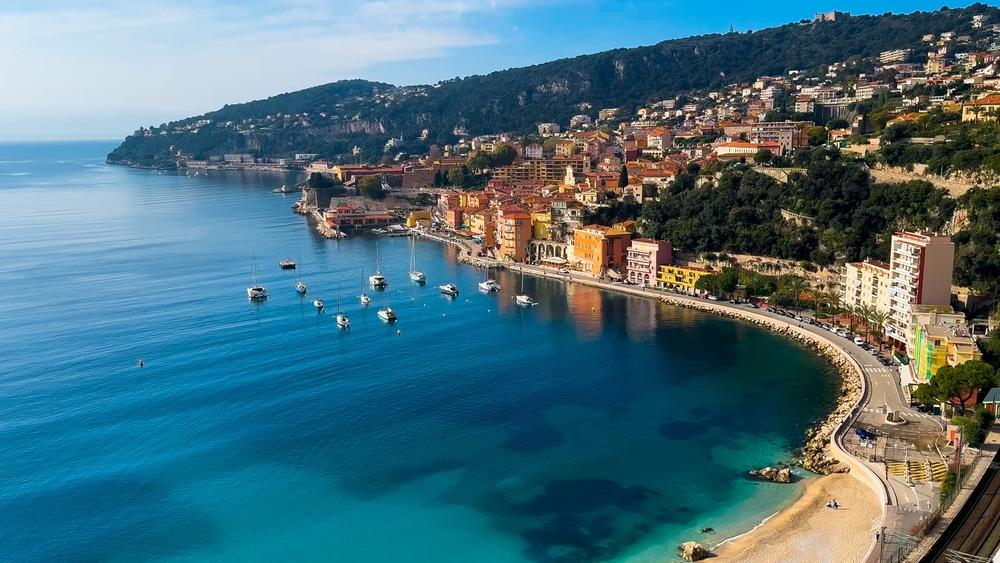
Here’s the view that sells the idea better than any brochure:
What works best on a charter
Shoulder season usually outperforms peak summer for luxury travelers. You get better marina dynamics, calmer service standards ashore, and a stronger chance of spontaneous lunch stops without the usual theater of competing tenders.
Practical rule: If you want the yacht to feel liberating rather than logistical, keep the route intentionally light. Fewer islands, longer swims, better lunches.
A few arrangements make a visible difference:
- Chef-led provisioning: Ask for preferences in advance, not on embarkation day. The difference between “seafood” and “local langoustine, plainly grilled” is the difference between generic and bespoke.
- Smart embarkation: Helicopter or premium ground transfers to the departure point save more than time. They protect the mood.
- Villa pairing: A split stay often works better than a full week afloat, especially for families who want both sea access and space on land.
What doesn’t work is trying to “cover” too much coastline. Croatia isn’t improved by speed. It’s improved by selectivity.
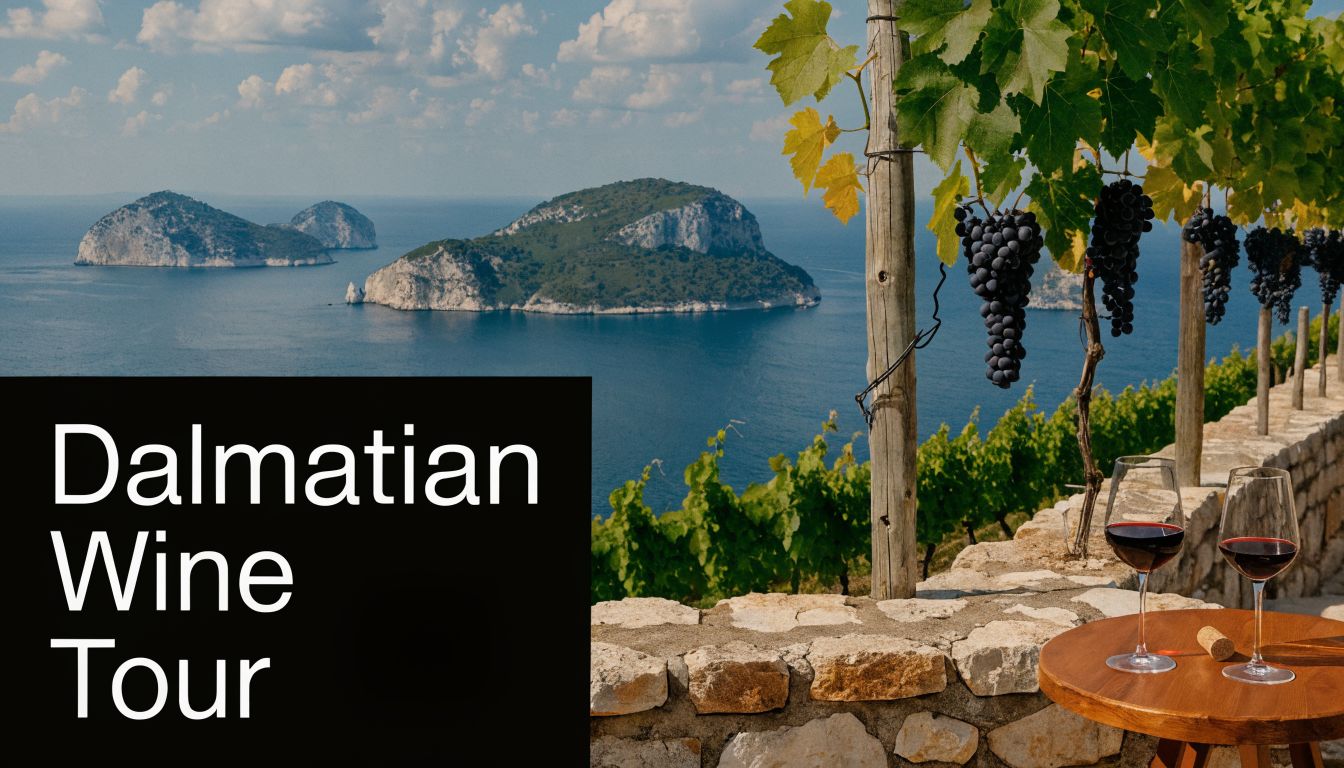
2. Private Wine Tours and Tastings in Dalmatian Vineyards
Croatia is still underestimated as a wine destination, which is precisely why it’s interesting. The best wine days here don’t feel manufactured. They feel personal, especially on Pelješac, where tastings can move from polished estates to family-run cellars in the same afternoon.
Most visitors only brush past the category with a casual tasting attached to a transfer. That misses the point. Dalmatian wine is one of the strongest routes into Croatian identity because it brings together the natural setting, family history, and regional food in a way museums can’t.
The overlooked luxury angle is depth. Existing travel coverage barely scratches the surface of Pelješac wineries and oyster tastings, despite the obvious fit for affluent travelers seeking culinary immersion, as noted in this analysis of Croatia’s underused luxury culinary storytelling.
How to make a wine day feel private
Start with one serious estate and one more intimate producer. Pairing Korta Katarina with a smaller, family-led stop creates contrast. Add oysters near the coast, or a chef’s lunch in a vineyard house, and the day stops feeling like a tasting circuit.
The best guides here aren’t performers. They’re translators. They know when to explain soil, when to step back, and when to let the owner tell the story.
- Request a sommelier, not just a driver: Good transport gets you there. A good palate changes what you notice.
- Aim for late afternoon tastings: The light is better, the heat is lower, and estates often feel more relaxed.
- Buy selectively: Don’t over-purchase labels you can’t replenish easily unless your advisor can arrange onward shipping or cellar management.
Croatia’s wine charm comes from intimacy, not prestige signaling. If every stop feels polished for tourists, the day was designed too broadly.
What doesn’t work is stacking too many wineries into one itinerary. After the second strong tasting, quality matters more than volume. The right day usually ends with one exceptional bottle at dinner, not five rushed pours before sunset.
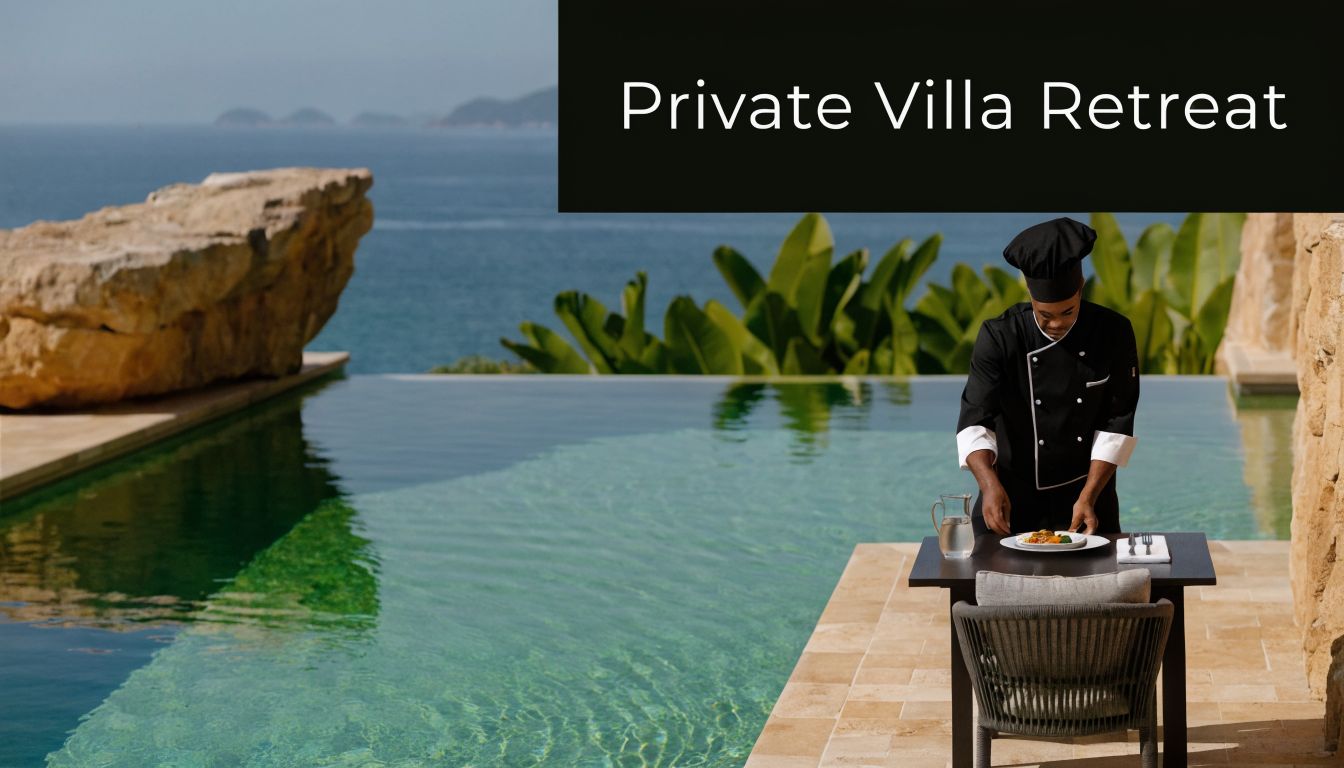
3. Exclusive Villa Rentals with Private Chefs and Concierge
A hotel can be magnificent, but Croatia is one of those destinations where the right villa often wins. This is especially true for families, founders traveling with security considerations, or couples who want seclusion without sacrificing service.
The best villas in Hvar, Vis, Korčula, and along the Dalmatian coast solve a problem luxury hotels can’t always solve. They give you control. You decide when breakfast starts, who’s at the pool, whether dinner is social or silent, and how visible you want to be.
For travelers comparing residences and high-end stays, Haute Black’s Croatia 2026 stay guide is a useful starting point.
The villa details that actually matter
Many travelers over-focus on architecture and under-focus on operations. A significant difference between a photogenic villa and a successful villa stay is staffing. A private chef who understands pace, a concierge who can secure difficult reservations, and house staff who know when not to be seen matter more than whether the pool looks dramatic at dusk.
I’d also pay attention to access. Some villas look idyllic online and turn into a burden because the road is awkward, the dock is too exposed, or the nearest serious restaurant requires too much effort.
A strong villa setup includes:
- Pre-arrival chef planning: Menus should be discussed before landing, especially for children, dietary preferences, and wine style.
- Dedicated local concierge: One person should own restaurant holds, beach setups, drivers, and day-of changes.
- Multi-layer transport: Airport transfer, local vehicle, and sea option should all be coordinated from the start.
What doesn’t work is treating a villa like a self-catering rental with luxury pricing. Without the right service overlay, you’re paying for views and managing your own friction.
4. Private Cultural and Historical Tours with Expert Guides
Croatia’s historic cities reward private access far more than standard sightseeing. The difference is not comfort alone. It is interpretation, pacing, and entry into rooms, collections, and stories that rarely open to the general visitor.
Dubrovnik, Split, Trogir, and Vis all benefit from expert guidance, but the guide has to do more than recite dates. The right historian or archaeologist explains why a place mattered, how power moved through it, and what still shapes local life now. That is where a private travel club earns its keep. It can pair the right specialist with the right traveler, instead of assigning whoever is free that morning.
In Dubrovnik, timing decides whether the city feels cinematic or congested. In Split, context decides whether Diocletian’s Palace feels like a maze or one of the most interesting urban layers in the Adriatic. Vis asks for a different lens entirely. Its military past, isolation, and quieter social rhythm make it better suited to a customized day than a standard heritage circuit.
The access that changes the experience
The best cultural days in Croatia are built around access controls that the public market rarely discusses. Before-hours entry, after-hours walks, privately opened chapels or palazzi when available, and specialist-led visits to small collections change the tone immediately. You stop consuming a destination and start reading it properly.
This matters even more during festive weeks and summer peaks, when old towns fill up fast and the middle of the day becomes the least interesting time to be there. I usually advise clients to start early, pause well, and return later if a site deserves a second pass. A beautiful city does not become exclusive because you booked a suite nearby.
The strongest itineraries also avoid overloading the day. One major monument, one quieter cultural layer, and one well-chosen private setting usually works better than racing through five headline sites. A morning in Dubrovnik’s Old Town might be paired with access to a historic residence, a scholarly walk focused on the Republic period, or a conversation with a local conservator. In Split, palace history often lands better when followed by a private visit that explains how residents still use that fabric as a living city.
What fails is treating culture as filler between beach clubs and lunch reservations. Croatia’s historic core deserves editing. Done well, these tours feel less like sightseeing and more like membership access to a country that rarely introduces itself properly to the casual visitor.
5. Bespoke Adventure Activities with Helicopters and Private Excursions
Adventure in Croatia gets marketed badly. Too often it’s sold as group adrenaline. For the right traveler, it should feel like controlled access to the natural environment.
Helicopter transfers between Dubrovnik, Hvar, and Korčula aren’t just flashy. They remove hours of friction and reveal the coastline in one sweep. Private speedboats solve a different problem. They let you reach caves, swimming spots, and less obvious shorelines on your own schedule instead of according to a shared departure board.
When adventure becomes luxury
The Blue Cave near Vis is a perfect example. It’s beautiful, but it’s also one of those experiences that can feel disappointing if executed lazily. A private captain who times the approach well, manages expectations, and layers in quieter swimming stops nearby can rescue the category from tourist cliché.
The same applies inland. Aerial overflights, private hiking support, and bespoke activity planning work because they preserve spontaneity while reducing inconvenience. You still get the thrill. You just don’t get the chaos.
A few smart decisions improve these days immediately:
- Use a weather backup: Helicopter and marine plans need a second-best version built in from the start.
- Add proper briefings: Safety feels luxurious when it’s calm, clear, and handled by professionals.
- Protect the return: End with a proper lunch or spa recovery, not a rushed transfer.
What doesn’t work is trying to combine too many thrill elements into one day. One flight segment, one sea experience, one good meal. That’s enough. Croatia rewards adventure with refinement, not overproduction.
6. Private Culinary Experiences and Farm to Table Dining
If you only eat along the most obvious waterfront strips, you’ll leave Croatia thinking the country is prettier than it is delicious. That would be a mistake.
Croatia’s strongest culinary moments are private, regional, and personal. Adriatic seafood, olive oils, truffles, island herbs, and serious wines come alive when they’re presented in intimate settings. The country lends itself to chef-hosted lunches, villa dinners, market-led cooking sessions, and producer visits far better than to performative tasting menus designed for passing traffic.
The dining formats worth booking
A private chef dinner in a villa often outperforms a hyped restaurant reservation because the setting is calmer and the menu can be shaped around the day’s market. In Istria, truffle-focused excursions work well when paired with a polished lunch rather than a rustic-forced script. On the coast, seafood should be handled plainly. The ingredient usually wants restraint, not drama.
The broader shift in traveler behavior supports this. Current tourism analysis notes rising interest in authentic cultural immersion and personalized experiences, including wine-tasting tours and eco-led travel, which aligns neatly with culinary programming in Croatia. That doesn’t need another statistic to be obvious on the ground. Travelers increasingly want story and substance at the table.
The best Croatian meals don’t try to impress you with complexity. They impress you with confidence.
For a stronger day, combine food with provenance:
- Market visit plus lunch: Better in Split or Zagreb than a staged “cooking class” with no local texture.
- Olive oil with a producer: Excellent when followed by a chef-led meal using the same ingredients.
- Truffle or farm outing: Worth it only if the host is credible and the meal afterward is superb.
What doesn’t work is chasing every famous table. Croatia’s culinary luxury is still relationship-based. The right host matters more than the right headline.
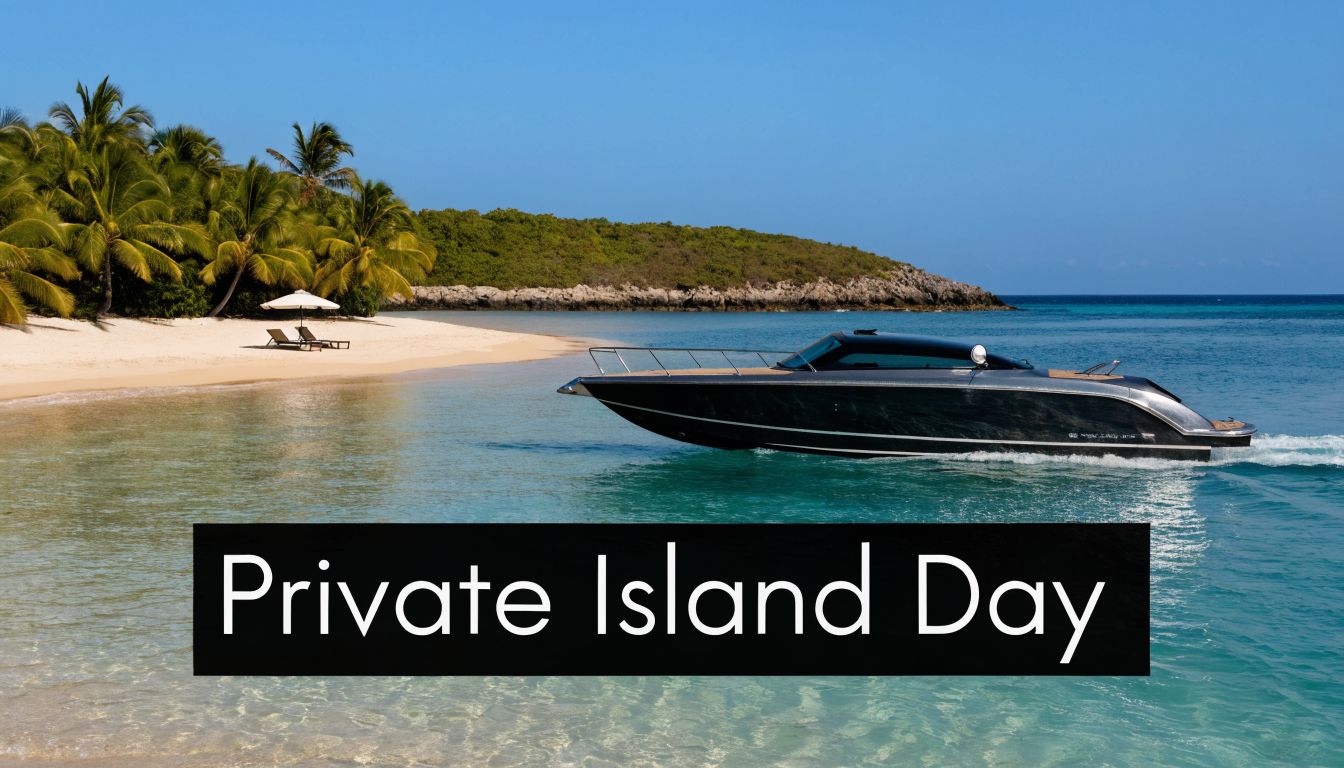
7. Exclusive Island Hopping and Private Beach Clubs
Island hopping sounds effortless. In practice, it’s either elegant or exhausting. The difference is whether the route has been edited.
Hvar, Korčula, Vis, and Brač all deserve attention, but not in the same way. Hvar is social and polished. Vis is quieter and often more satisfying for travelers who say they want “somewhere special” but really mean somewhere less observed. Korčula balances beauty and walkability. Brač works well for active days with a better base structure than many people expect.
How to avoid the classic island-hopping mistakes
Don’t treat islands like collectible stamps. Pick two that complement each other. Usually one should be more animated and one more secluded. That pairing gives the trip range without constant unpacking.
Beach clubs can be worthwhile, but only selectively. Some offer polished service and strong positioning. Others are noisy with good branding. The same applies to iconic coves and caves. Beauty doesn’t guarantee pleasure if access is poorly timed.
Private access matters. Luxury commentary around Croatia’s national parks and marquee nature sites points to a clear white-space opportunity for VIP travelers who want exclusivity rather than crowd exposure, including private-guided timing and alternative transfers, as highlighted in this discussion of Croatia’s luxury access gap. The same principle applies offshore.
A better island day usually includes:
- Private captain flexibility: You need the option to leave a busy bay immediately.
- Lunch first strategy: Secure the table before building the swim route.
- One fixed reservation: Keep one anchor point, then let the rest stay fluid.
What doesn’t work is following the same route as every day boat from Split. If your captain says everyone is heading to the same cove at the same hour, change the plan.
8. Wellness Retreats and Spa Experiences at Luxury Resorts
Croatia can do wellness beautifully, but only if you choose the right property and tempo. It’s not the destination for a hyper-programmed clinic-style reset unless you’re combining it with another stop. It is excellent for restorative luxury built around sea air, privacy, movement, and refined spa rituals.
For many high-performing travelers, that’s the sweet spot. You don’t need a punishing schedule. You need a property that understands sleep, calm service, water access, and treatments delivered without fuss.
For travelers who want that style of planning, Haute Black’s wellness travel collection is aligned with the right approach.
Where wellness works best in Croatia
Coastal resorts are strongest for decompressing after an active circuit. Inland and less obvious regions can also be useful, especially if you want quieter surroundings. Croatia’s tourism structure is still heavily concentrated along the Adriatic, while inland areas remain comparatively underused. For luxury travelers, that opens up smart positioning opportunities away from the obvious coastline, especially for slower wellness stays.
That trade-off matters. If you want energy, sea views, and easy boating, stay coastal. If you want actual stillness, look inland or choose a property removed from the social center of an island.
- Book private spa suites: Shared wellness areas dilute the point for privacy-focused travelers.
- Pair movement with recovery: Boat days, hiking, and swimming all sit well with massage and thermal circuits.
- Customize food gently: Wellness menus should feel pleasurable, not corrective.
What doesn’t work is trying to turn a crowded summer resort into a silent retreat. Croatia can be serene, but serenity needs the right address.
9. Private Events and Celebrations in Historic Venues
Croatia is one of the strongest celebration destinations in the Mediterranean for clients who want atmosphere without the overexposure of more obvious rivals. Fortresses, monasteries, palaces, and island estates give events immediate visual power.
The key is restraint. The venue already carries drama. You don’t need to over-style it. The best Croatian events let stone, sea, candlelight, and music do most of the work.
What makes a Croatian event feel exceptional
Dubrovnik is the natural headline choice, but it isn’t the only answer. Trogir, Hvar, Korčula, and privately held estates can produce more intimate and less expected results. If privacy matters, a slightly less famous venue often performs better than the obvious trophy site.
The operational side matters even more than aesthetics. Guest flow, transfer timing, room blocks, local permissions, and discreet security all need proper ownership. This is one of those categories where “we’ll figure it out locally” almost always backfires.
A historic venue should feel effortless for guests and intensely managed behind the scenes.
The strongest setups usually include:
- Proximity planning: Keep guests close enough that transport never becomes the story.
- One visual crescendo: Sunset ceremony, fortress dinner, or after-hours concert. Pick one centerpiece and build around it.
- Recovery the next day: Yacht lunch, spa access, or a relaxed brunch eases the event from spectacle into memory.
What doesn’t work is importing a generic wedding or gala formula. Croatia doesn’t need more decoration. It needs better curation.
10. Personalized Art, Architecture and Design Tours with Curators
Croatia’s most interesting luxury days often happen away from the water. For clients who have already done the obvious circuit of yachts, beach clubs, and headline monuments, a curator-led art and design program reveals a far more private side of the country.
The difference is access with interpretation. Anyone can book a museum ticket in Zagreb or walk through old stone streets in Split and Zadar. A well-orchestrated program opens doors to private collections, artist studios, restoration workshops, and architecture conversations that are usually available only through trusted local relationships. That is what turns a pleasant cultural outing into a high-value experience.
Zagreb is usually the strongest base because the intellectual density is higher. Contemporary galleries, design studios, Austro-Hungarian facades, modernist interventions, and collector circles sit close enough together to make a focused day worthwhile. Split, Zadar, and select island communities also work well, especially for clients whose interests run toward adaptive reuse, ecclesiastical art, or regional craft rather than blue-chip collecting.
This category performs especially well for repeat visitors. It gives the itinerary a point of view.
A strong art and design day usually includes:
- A pre-visit curatorial brief: The host should understand whether your interest is contemporary Croatian artists, furniture and interiors, sacred art, modernism, or acquisition opportunities.
- Private access that is actually private: Studio visits, collection appointments, and after-hours entries matter more than a standard gallery circuit.
- Architecture explained properly: Croatia is most compelling when Roman remains, Venetian influence, socialist-era modernism, and current design culture are read together rather than treated as separate stops.
- Time to edit: Cramming six institutions into one day weakens the experience. Two or three serious visits with the right host usually produce more insight.
Trade-offs matter here. Some private collectors welcome discreet, well-screened guests and refuse casual curiosity. Some studios are inspiring but not polished for visitors. Some museums are strongest when paired with a curator who can connect objects to the wider cultural context. Without that filter, the day can feel academic or generic.
The mistake is easy to spot. A standard museum tour labeled as bespoke remains standard sightseeing. The best private travel clubs commission these days around the client, not around whatever is easiest to book, which is why the experience feels less like tourism and more like entry into Croatia’s creative inner circle.
Top 10 Private Experiences in Croatia
| Experience | Implementation Complexity 🔄 | Resource Requirements ⚡ | Expected Outcomes ⭐📊 | Ideal Use Cases 💡 | Key Advantages ⭐ |
|---|---|---|---|---|---|
| Private Yacht Cruising the Dalmatian Coast | High, bespoke logistics, crew coordination, weather planning 🔄 | Very high, charter fees, crew, fuel, provisioning ⚡ | Exceptional privacy and scenic access; high luxury impact ⭐📊 | Luxury honeymoons, multi‑gen families, executive retreats 💡 | Exclusive anchorages; fully customizable itineraries ⭐ |
| Private Wine Tours & Tastings in Dalmatian Vineyards | Moderate, winery coordination and seasonal timing 🔄 | Low–Moderate, transport, sommelier, tasting fees ⚡ | Authentic cultural education and discovery of regional wines ⭐📊 | Culinary enthusiasts, wine connoisseurs, couples 💡 | Intimate access and expert-led tastings; good value ⭐ |
| Exclusive Villa Rentals with Private Chefs & Concierge | Moderate–High, property vetting and staffing logistics 🔄 | High, villa rental, private chef, household staff ⚡ | Private, flexible base with full-service luxury; strong comfort impact ⭐📊 | Large groups, corporate retreats, multi‑gen families 💡 | Privacy, per‑guest value, full customization ⭐ |
| Private Cultural & Historical Tours with Expert Guides | Moderate, permitting and expert scheduling 🔄 | Moderate, certified guides, site fees, transport ⚡ | Deep cultural insight and skip‑the‑line access; educational impact ⭐📊 | Culture enthusiasts, families, executives 💡 | Expert knowledge, private access, tailored pacing ⭐ |
| Bespoke Adventure Activities: Helicopter Tours & Private Excursions | High, aviation/safety logistics and permits 🔄 | Very high, helicopters, specialized guides, safety gear ⚡ | High‑adrenaline, time‑efficient multi‑site coverage; memorable visuals ⭐📊 | Adventure‑seeking executives, luxury families, athletic honeymooners 💡 | Aerial perspectives and rapid multi‑destination access ⭐ |
| Private Culinary Experiences & Farm‑to‑Table Dining | Moderate, chef scheduling and ingredient sourcing 🔄 | Moderate, private chefs, producers, venue setup ⚡ | Hands‑on culinary education and exclusive dining experiences ⭐📊 | Culinary enthusiasts, honeymooners, executive entertaining 💡 | Authentic local cuisine, private chef access, celebrity options ⭐ |
| Exclusive Island Hopping & Private Beach Clubs | Moderate, boat scheduling, club reservations, weather planning 🔄 | High, boats, club access fees, on‑site services ⚡ | Diverse island experiences; crowd‑reduced leisure and content value ⭐📊 | Honeymooners, celebrity travelers, young affluent families 💡 | Flexible itineraries; VIP beach access; social hotspots ⭐ |
| Wellness Retreats & Spa Experiences at Luxury Resorts | Low–Moderate, program booking and customization 🔄 | Moderate–High, spa facilities, therapists, wellness tech ⚡ | Rejuvenation, health improvement, measurable wellbeing outcomes ⭐📊 | Executives, wellness seekers, health‑conscious families 💡 | Integrated therapies, private suites, expert staff ⭐ |
| Private Events & Celebrations in Historic Venues | Very high, permitting, logistics, and guest coordination 🔄 | Very high, venue fees, production, catering, security ⚡ | Dramatic, highly memorable events with extensive impact ⭐📊 | Weddings, corporate galas, celebrity events 💡 | Iconic backdrops, full‑service planning, exclusivity ⭐ |
| Personalized Art, Architecture & Design Tours with Curators | Moderate, curator scheduling and private access arrangements 🔄 | Moderate, expert fees, transport, gallery/site access ⚡ | Specialized insight and potential acquisition opportunities; cultural impact ⭐📊 | Art collectors, design enthusiasts, cultural executive retreats 💡 | Private collections, artist connections, acquisition guidance ⭐ |
Orchestrating Your Croatian Masterpiece
The difference between a pleasant Croatian holiday and an exceptional one is rarely the destination itself. Croatia already has the raw material. The coastline is seductive, the islands are varied, the old towns are cinematic, and the culinary potential is much stronger than many travelers expect. What separates the top tier experience is orchestration.
That word matters more than luxury travelers sometimes realize.
A private yacht only feels indulgent if the route is edited intelligently, the embarkation is smooth, and the lunch reservations support the rhythm of the day. A villa only feels superior to a hotel if the staffing is sharp, the chef understands the household, and the concierge can solve problems before they become visible. A cultural visit only feels exclusive if access, timing, and guide quality are right. Croatia rewards precision.
It also rewards selectivity. One of the most common mistakes I see is over-programming. Travelers arrive with a long list of famous names, too many islands, too many transfers, too many “must-sees.” The result is a trip that photographs well and feels thin. Croatia is at its best when you narrow the lens. Two islands instead of five. One exceptional cellar instead of a rushed tasting crawl. A single fortress dinner instead of a packed sequence of reservations that blur together.
That’s especially relevant now, because the market has matured. Demand is broad, booking behavior is less predictable, and the best experiences often depend on human relationships rather than public availability. In practical terms, that means the experiences that matter most aren’t always visible online. They live in timing, introductions, and supplier trust. A beach setup might look simple from the outside. It isn’t. Neither is private access near national parks, a worthwhile curator, a serious driver-guide, or a chef who can adapt elegantly to a late change in plans.
The good news is that Croatia still has range. It can be glamorous, social, and sea-facing. It can also be quiet, inland, culinary, and reflective. It works for a honeymoon, for a multi-generational family week, for a founder decompressing after a difficult quarter, or for a celebratory journey built around a milestone event. What matters is matching the version of Croatia to the person traveling through it.
That’s why the best cool things to do in Croatia aren’t just activities. They’re compositions. A yacht paired with a hidden bay lunch and a villa arrival at sunset. A curator-led Zagreb morning followed by an intimate dinner. A private wine route on Pelješac folded into a broader Adriatic itinerary. A national-park day redeemed by timing and access instead of rushed through with the masses. Those combinations are where Croatia becomes memorable.
For the right traveler, the country doesn’t need to shout. It only needs to be arranged properly. When the logistics disappear, the service feels intuitive, and the experiences unfold with the right cadence, Croatia becomes what it should be at the highest level. Not a checklist destination, but a private world of sea, stone, culture, and access that feels as if it opened just for you.
Haute Black excels at delivering that level of Croatian travel, from private yachts and villa buyouts to after-hours cultural access, wellness stays, celebratory events, and integrated air, sea, and ground logistics. If you want a Croatia itinerary shaped around privacy, taste, and the right doors opening at the right time, explore Haute Black.
Explore Our Guides


Signature Experiences