Haute Black Journal
10 Best Places to See in Maldives: A Luxury Guide

Marlene Azeez
Director, HauteBlack
View all articles →
# 10 Best Places to See in Maldives: A Luxury Guide
The Maldives rewards precision, not guesswork. Choose the right atoll, transfer, and villa category, and the trip feels private, polished, and effortless. Choose poorly, and you lose hours in transit, settle for the wrong reef, or pay luxury rates for a stay that never quite fits.
This guide is built for travelers who want the Maldives done properly. The essential decision is not which island looks beautiful in photos. Almost all of them do. The decision is how you want the trip to function once you land at Velana International Airport: immediate speedboat transfer or seaplane access, short celebratory escape or two-resort itinerary, full privacy or a better mix of marine life, dining, and cultural contrast.
That distinction matters because the Maldives now serves several very different styles of travel. Some stays are built around convenience and fast access. Others earn the extra aviation leg with stronger reefs, better spacing, and a greater sense of removal. A few are best paired with time in Malé to give the trip shape and variety, rather than another identical day of lagoon views.
If you want a stronger planning framework before choosing an atoll, start with Haute Black's Maldives luxury guide covering resorts, transfers, and villa strategy.
The places to see in Maldives that matter most are the ones that match your priorities with the right logistics. North Malé works for travelers who value fast arrival and short-stay efficiency. Baa earns its status for wildlife and seasonality. Laamu and Gaafu Dhaalu suit clients who will gladly trade convenience for remoteness, space, and bragging rights.
Use this list as an operational playbook, not a postcard roundup. I have framed each destination around who it suits, how to reach it, and when the extra effort is justified.
1. North Malé Atoll
North Malé Atoll is the right opening move if you want immediate gratification. After an international arrival, a fast transfer matters. This atoll works for travelers who don't want to lose half a day in transit before they see the water they came for.
It also gives you range. You can keep things polished and classic with Four Seasons Resort Maldives at Kuda Huraa, or push toward the more theatrical villa experience associated with Soneva-style stays. If your priority is a honeymoon or a short, high-value escape, North Malé keeps the journey clean.
Who should stay here
Couples with limited time do best here. So do executives taking a shorter break who still want the full overwater-villa effect without an extra aviation leg after landing.
For deeper planning, start with Haute Black's Ultimate Maldives luxury guide. It's the right foundation before you lock in villa category, transfer style, and dining cadence.
Practical rule: In North Malé, pay for the best villa category before you pay for excess programming. Privacy in your room matters more than a packed activity sheet.
A few decisions make this atoll work better:
- Choose speedboat-friendly timing: Land earlier in the day so you move straight from airport to resort without idle waiting.
- Book villa dining in advance: The strongest stays here feel residential, not restaurant dependent.
- Use this atoll for short stays: If you only have a few nights, don't dilute them with a long domestic transfer.
2. South Malé Atoll
South Malé Atoll is where I send travelers who want a more secluded mood without committing to the longest transfer profiles in the country. It feels slightly removed from the airport corridor, and that difference is noticeable. The pace is calmer, the arrival softer, and the resort experience often feels more insulated.
This is also where private-island logic starts to make more sense. If you want a retreat that's built around your own deck, your own stretch of lagoon, and minimal dependence on shared spaces, South Malé is a strong fit. Aman-style travelers respond well to this rhythm.
Best for privacy-first itineraries
South Malé works especially well for honeymooners who care less about seeing multiple places and more about having one place fully under control. If that sounds like you, browse the best luxury hotels in the Maldives before choosing by brand name alone.
A strong South Malé stay usually looks like this:
- Reserve direct lagoon access: You want your snorkeling to begin from your villa, not from an excursion briefing.
- Add one yacht day only: Too many off-island outings interrupt the sense of retreat.
- Use the spa strategically: Schedule treatments during the quietest part of the afternoon, when public spaces are least active.
The mistake in South Malé is over-scheduling. This atoll is for disappearing well, not for racing from one activity to the next.
3. Baa Atoll
Baa Atoll is the Maldives at its most strategic. Come here for a specific marine event, not for a generic island stay. If Hanifaru Bay is on your list, build the trip around the season, the transfer, and the right resort. Everything else is secondary.
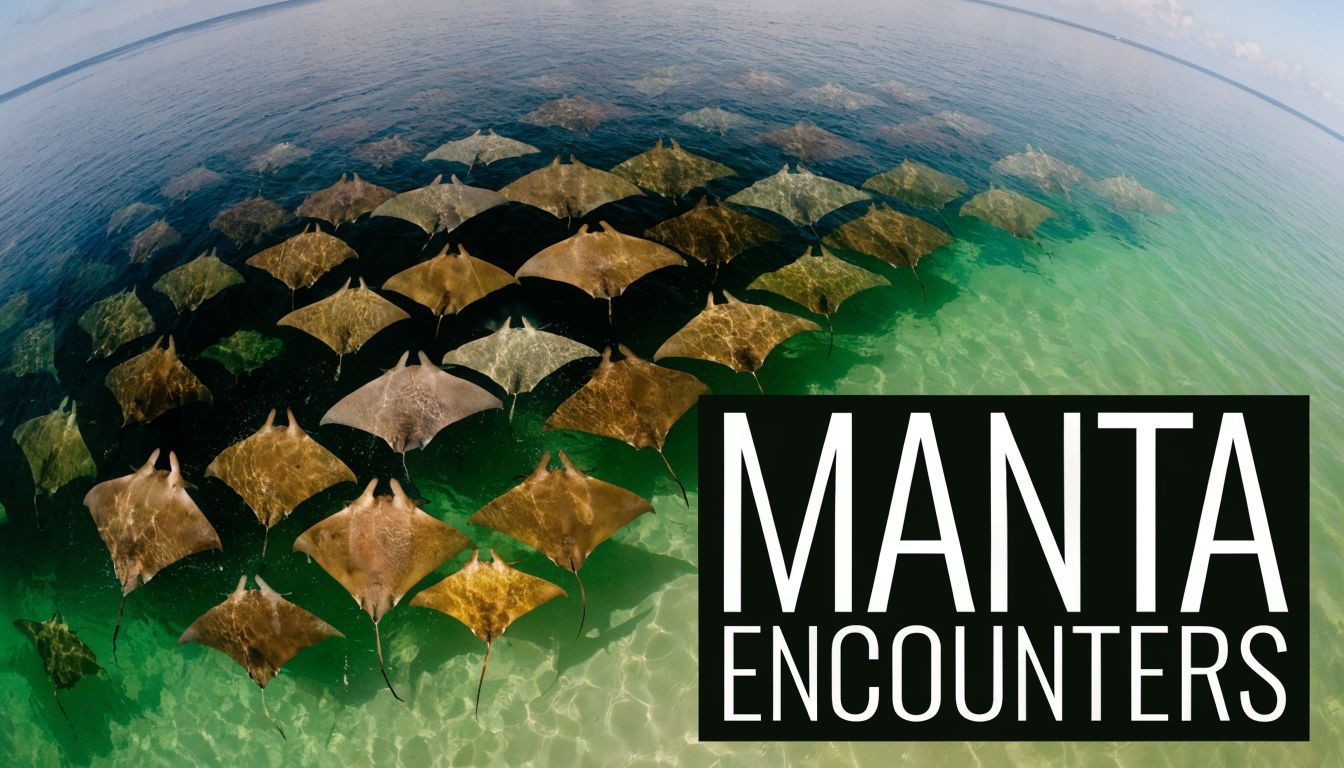
Baa earns its reputation because the experience is structured around access. Hanifaru Bay is the headline, and it deserves that status. In the right months, the bay delivers one of the strongest wildlife encounters in the country, with manta activity that justifies planning the entire trip around a single protected site.
A visual sense of that marine pull helps before you book.
Why Hanifaru Bay is worth the effort
Hanifaru Bay works best for travelers who want a fixed objective. You are not coming to Baa to fill time with interchangeable resort activities. You are coming for a protected marine reserve with strict access, seasonal timing, and a very real chance of an extraordinary day in the water.
That has practical consequences. Baa is not an atoll to book casually. Transfer choice matters, especially if you are arriving off a long-haul flight. Some resorts require a seaplane, which gives you the cinematic arrival but adds weather sensitivity and baggage limits. Others can coordinate domestic connections more predictably. For clients who hate operational friction, I map arrival times before I discuss villa categories.
Four Seasons Landaa Giraavaru is the obvious pairing if you want polished service, serious marine programming, and staff who can explain what you are seeing rather than just escort you to it. It suits travelers who want conservation, comfort, and tight execution in the same trip.
My advice for Baa is simple:
- Book for the Hanifaru season first: If the bay is your priority, your travel window decides the trip.
- Give yourself at least a few nights of flexibility: Wildlife and sea conditions do not perform on command.
- Ask how your resort handles access logistics: You want clear rules on timing, guides, and launch points before you confirm.
- Pair Baa with another atoll only if your trip is long enough: A split stay works for experienced Maldives travelers, not for a short first visit.
The common mistake is treating Baa like a beautiful backdrop. It is better used as a purpose-built wildlife stay with luxury wrapped around it.
Later in the stay, this short film adds useful context for clients deciding whether the atoll justifies the transfer.
4. Vaavu Atoll
If North and South Malé are about convenience and polish, Vaavu is about purity. It feels less interpreted. Less processed. That matters if you're a diver, a strong snorkeler, or someone who doesn't need every element of a trip softened into a resort script.
Vaavu Atoll is one of the places to see in Maldives when you want underwater topography to be the main event. Think channels, walls, darker blue water, and a stronger sense that nature is setting the agenda.
What makes Vaavu different
This atoll favors travelers with appetite for movement. You're here for reef time, boat time, and the kind of stillness that comes from being farther from the obvious circuit.
A Vaavu stay works best when you plan around capability:
- Divers should arrive current-ready: The most rewarding sites suit guests comfortable beyond basic resort diving.
- Use a private boat day well: Pair one serious dive or snorkel session with a castaway lunch rather than trying to sample everything.
- Keep evenings simple: Reef, shower, long dinner, early sleep. That rhythm fits the atoll.
Vaavu rewards guests who know what they came for. If your goal is reef quality and remote mood, don't dilute it with too many lifestyle add-ons.
5. Gaafu Dhaalu Atoll
Gaafu Dhaalu is for the traveler who's already done the easy Maldives. If you've stayed in a close-in atoll before and now want a trip that feels farther, quieter, and more self-contained, go south.
This part of the country suits longer stays and clients who understand that remoteness is a product in itself. The transfer stack is more involved, but so is the payoff. You feel farther from the churn of arrivals and departures.
The case for going remote
The Maldives' tourism machine is powerful, but luxury still scales best where geography does part of the work. In 2025, the sector generated more than USD 5.4 billion in tourism receipts, with China at 329,428 arrivals, Russia at 287,760, and the UK at 202,171. That level of demand is precisely why I like the southern atolls for seasoned travelers.
Gaafu Dhaalu is where you go when you want:
- Longer horizon lines
- Fewer neighboring distractions
- A trip built around one exceptional resort rather than destination hopping
If you need business continuity, this is also where advance planning matters most. Remote doesn't mean disconnected, but it does mean you should control transfer sequencing, room location, and communication expectations before departure.
6. Laamu Atoll
Laamu has balance. It feels removed, but not punishingly far. It has enough drama to justify the transfer, yet it still works for travelers who want a combination of barefoot ease and structured resort comfort.
I like Laamu for clients who don't want the Maldives to feel too curated or too raw. Families do well here. So do couples who want excellent water access without treating the entire trip as a dive expedition.
Best use of a Laamu stay
This atoll shines when you lean into lagoon life. Sandbanks, private boat lunches, reef-edge snorkeling, and long afternoons back at the villa all fit naturally here.
The best itinerary shape is simple:
- Arrive early and settle fast: Don't waste the first afternoon.
- Use one conservation-led outing: It adds depth without turning the trip into a lecture.
- Protect one unstructured day: Laamu benefits from blank space.
For multi-generational groups, Laamu can also be easier to manage than more technical dive-focused atolls. Children get gentle water, adults get visual payoff, and no one feels trapped in a rigid agenda.
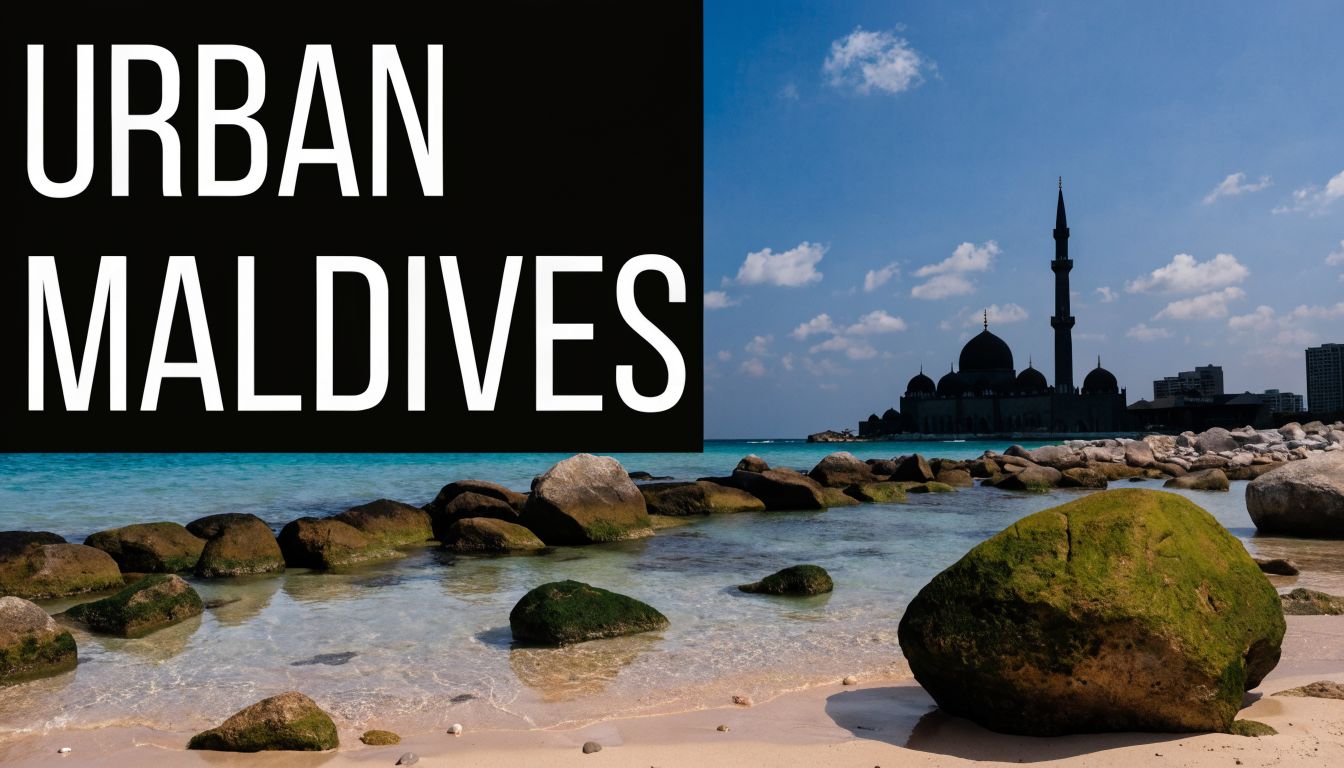
7. Malé City and Artificial Beach
Skip Malé entirely and you miss the country you just flew across the world to see. Resort islands sell escape. Malé explains the Maldives.
The capital is dense, functional, and unapologetically real. That is precisely why I recommend it to clients who want their trip to feel informed rather than interchangeable. A short stop here gives you context for the nation behind the overwater villas, and it also solves a practical problem. If your international arrival lands late or your resort transfer departs the next morning, Malé is often the smartest place to absorb that transit time instead of wasting a premium villa night.
How to handle Malé properly
Keep the visit tight. Half a day is usually enough. One night works well if you need to bridge a seaplane schedule, recover from a long-haul arrival, or position for an early domestic connection to a far-flung atoll.
Prioritize three things.
- Hukuru Miskiy and the historic core: Book a private guide who can handle etiquette, timing, and context. Independent wandering wastes time and usually produces a shallow experience.
- The fish market, produce market, and harbor edge: Go early or near late afternoon, when the city has energy but feels manageable. These sites provide an understanding of the working Maldives.
- Artificial Beach at sunset: Treat it as a local urban pause, not a postcard beach. It is useful because it shows how residents use limited public space in a tightly packed capital.
Malé works best as an operational stop with substance. I often pair it with resorts reached by seaplane, because seaplane networks run on daylight and can force awkward same-day connections. In those cases, one disciplined night in Malé protects the rest of the itinerary. You arrive rested, keep the next day orderly, and avoid starting a high-value resort stay in transit mode.
Artificial Beach is not a reason to base yourself in the capital. It is a reason to spend one well-planned evening there. The payoff is perspective.
For clients who care about history, I sometimes extend the cultural side further and arrange more deliberate routing to harder-to-reach sites such as Utheemu Ganduvaru. That only works when the trip is built from the logistics outward. In the Maldives, the best itineraries are not just beautiful. They are correctly sequenced.
8. Ari Atoll
If you want the Maldives to deliver on marine life, resort standards, and workable logistics in one move, book Ari Atoll.
This is the atoll I use for clients who do not want to gamble. Ari gives you a strong concentration of polished resorts, credible diving and snorkeling, and reliable access to the kind of marine encounters people fly to the Maldives for. Whale sharks are a major draw in season, and manta sightings are part of the appeal across the year, but the main advantage is operational. You can build an itinerary here without wasting half the trip in transfers.
Ari suits three types of traveler especially well. First-timers who want a high-impact resort stay. Marine-life focused guests who care more about time in the water than about social-media-famous hardware. Families who need a property that can balance reef access, privacy, and child-friendly programming without lowering the standard for adults.
Why Ari earns repeat bookings
The atoll has range. That matters.
Pair a speedboat-access resort for a shorter stay with a seaplane resort for a more cinematic second half, or keep the whole trip in Ari and still get distinct experiences by choosing the right property style. If your priority is diving, book a resort with a serious dive operation and a useful house reef. If your priority is villa design, dining, and spa time with marine excursions on demand, choose a resort where the reef is a bonus rather than the main event. Clients confuse those categories all the time and end up in the wrong product.
My advice is simple:
- Put wildlife excursions at the front of the stay. Weather, currents, and visibility change. Early scheduling gives you room to reschedule.
- Verify transfer mechanics before you commit. Some Ari resorts are best reached by seaplane, others by domestic connection or speedboat. The right choice depends on arrival time, budget tolerance, and how much transit friction you will accept on day one.
- Ask direct questions about the house reef. "Good snorkeling" is too vague. You want to know reef access, current strength, coral condition, and whether you need a boat for the best sites.
Families do well here when the resort is selected with discipline. The strongest options in Ari separate children's programming from adult spaces, keep marine activities flexible, and offer villas that work for multi-generational privacy rather than forcing everyone into a beautiful but impractical layout.
Ari is not the choice for travelers chasing isolation above all else. It is the choice for travelers who want the Maldives to function well at a very high level. Book it for range, marine access, and better odds of getting exactly the trip you came for.
9. Rasdhoo Atoll
Rasdhoo is the insider's alternative when Ari feels a touch too broad. It delivers boutique scale, good marine access, and a slightly more intimate mood. If you like the Maldives best when it feels a bit less stage-managed, Rasdhoo is worth serious attention.
I recommend it most often to repeat visitors and divers who care more about what happens underwater than about having the most famous brand on the jetty.
Why boutique can outperform flagship
Large resorts sell certainty. Smaller atoll experiences often sell intimacy. Rasdhoo leans toward the latter, and that can be the better luxury depending on your style.
The operational advantage is focus:
- Fewer moving parts
- More personalized dive planning
- A stronger sense of local pace
Rasdhoo also pairs well with a split stay. If you want one refined resort segment and one marine-heavy segment, this atoll can serve as the more grounded second half.
10. Felidhoo Lagoon
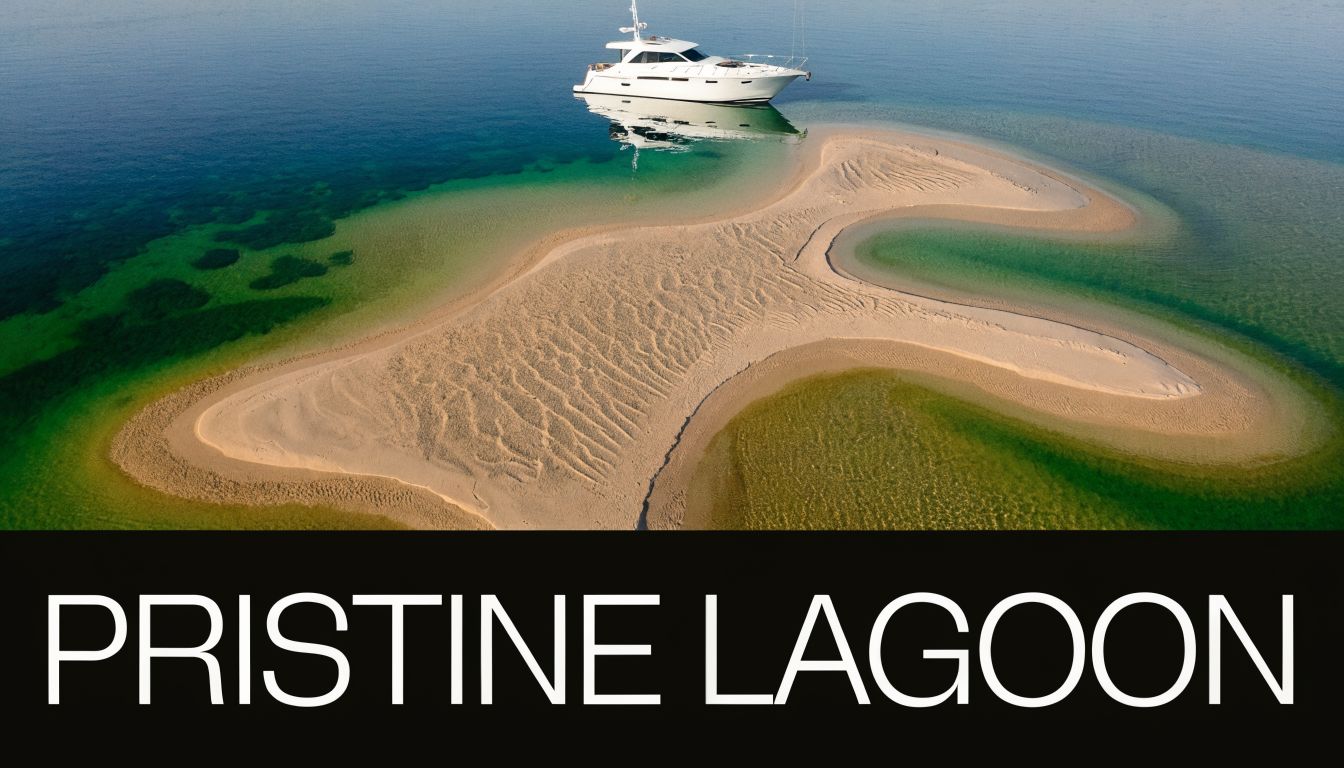
Felidhoo Lagoon is for clients who travel visually. If your ideal Maldives moment is less about restaurant reservations and more about a yacht sitting off a sandbank in impossible water, this is your place.
The setting is cinematic. Wide lagoon color, sparse development, and that sense of marine emptiness that makes the Maldives feel distinct from every other tropical destination. It's especially strong for proposals, milestone anniversaries, private celebrations, and photography-led trips.
When to choose lagoon over resort complexity
Some travelers don't need ten dining venues or a crowded activities calendar. They need one excellent villa, a boat on standby, and a flawless setup on a sandbank at sunset. Felidhoo delivers that style well.
For private buyouts, castaway lunches, or event-style travel, review Haute Black's Maldives private island experiences. It's the right route if you want the trip to feel built around access rather than standard resort programming.
A Felidhoo stay should include:
- A professional photo window: This lagoon rewards good light and proper planning.
- A flexible boat schedule: Weather and tides should shape the day.
- At least one fully private setup: Dinner, picnic, or aperitif. Don't come here and settle for shared-format experiences.
Top 10 Maldives Destinations Comparison
| Location | Accessibility & Transfer | Infrastructure | Expected Experience | Ideal Use Cases |
|---|---|---|---|---|
| North Malé Atoll — Four Seasons & Soneva Jani | 20–30 min speedboat; helicopter option, low complexity, fastest access | High, multiple 5★ resorts, extensive concierge, Michelin dining | Top-tier luxury, reliable house-reef snorkeling/diving, strong networking opportunities | Quick VIP escapes, private-villa stays; tip: book midweek arrivals and in-villa dining |
| South Malé Atoll — Aman & Exclusive Island Retreats | 35–45 min speedboat or ~30 min seaplane, moderate complexity | High, ultra-luxury resorts (Aman), seaplane logistics, boutique offerings | Ultra-exclusive privacy and design-forward resorts; excellent marine biodiversity | Seaplane arrivals for scenic views; book water villas and shore-based excursions |
| Baa Atoll — UNESCO Biosphere & Hanifaru Bay | ~1.5 h speedboat or 45 min seaplane, longer transfers, seasonal access | Moderate–High, luxury resorts with conservation programs; permit limits for Hanifaru | Exceptional seasonal manta/whale-shark encounters (Jun–Nov); high conservation impact | Marine-focused trips Jun–Nov; secure Hanifaru permits and book marine-biologist guides early |
| Vaavu Atoll — Pristine Diving & Remote Luxury | ≈1 h seaplane, seaplane-only common, moderate complexity | Low–Moderate, minimal resort footprint (Dusit Thani), strong technical diving support | Premier advanced/technical diving, secluded ultra-luxury experiences | Advanced divers and privacy seekers; obtain certifications pre-trip and plan med contingencies |
| Gaafu Dhaalu Atoll — Equatorial & Untouched Reefs | ≈2.5 h seaplane (helicopter possible), high complexity and long transfers | Very Low, ultra-low resort density, private aviation recommended | Near-pristine reefs, maximum privacy; ideal for extended expedition stays | 7+ night itineraries, charter transfers; plan for limited emergency/back-up options |
| Laamu Atoll — Luxury Resorts & Untouched Lagoons | ≈2 h seaplane, moderate complexity | Moderate, several premium resorts, conservation focus, reliable safety protocols | Balanced exclusivity and accessibility with strong lagoon snorkeling/diving | Family/multi-gen retreats and conservation experiences; coordinate early seaplane timings |
| Malé City & Artificial Beach — Cultural & Urban Luxury | Immediate gateway access, lowest complexity (airport hub) | High urban infrastructure, dining, shopping, business facilities | Cultural immersion and convenience; useful for short urban stays and meetings | Half-day cultural interludes between atoll stays; avoid Friday prayer times |
| Ari Atoll — Manta Ray Paradise & Resort Clusters | ≈1 h seaplane, moderate complexity; reliable transfers | High, multiple resort clusters, diving ops, liveaboard support | Consistent manta sightings and world-class diving reputation | Book manta expeditions Jun–Nov; consider liveaboards for multi-day diving |
| Rasdhoo Atoll — Boutique Luxury & Banana Reef Diving | ≈1 h seaplane, moderate complexity; adjacent to Ari | Low–Moderate, boutique ultra-luxury properties, focused dive infrastructure | Boutique exclusivity and excellent diving (Banana Reef, hammerheads) | Best Apr–May for hammerheads; suited to advanced divers and underwater photographers |
| Felidhoo Lagoon (Vaavu Atoll) — Remote Lagoon Experiences | ≈1.5 h seaplane, moderate complexity; weather-dependent | Low, minimal development, strong visual/event staging potential | Pristine lagoon aesthetics, exceptional photographic value; calm waters for non-divers | Honeymoons, weddings, luxury photography; schedule golden-hour transfers and contingency days |
Orchestrating Your Maldivian Escape
A great Maldives trip is built in the transfer plan, not the brochure copy. The island matters. The sequence matters more.
Start with access. North and South Malé Atolls work best for short, high-comfort stays because speedboat arrivals cut airport friction and protect your first and last day. Baa and Ari suit travelers who want marine life at the center of the trip, but they demand tighter timing because seaplane schedules are daylight-dependent. Gaafu Dhaalu and Laamu reward clients who value distance, quiet, and lower resort density, yet those atolls only make sense if you are willing to spend more time getting there and stay long enough to justify it. Malé City belongs in the plan only if you want a deliberate urban or cultural interlude, not as an afterthought.
Demand is strong, and the best inventory goes first. That affects more than villa availability. It affects flight connections, preferred villa numbers, seaplane timing, and whether a split stay feels polished or disjointed. Book late and you will still reach the Maldives. You just may not reach it on the terms you wanted.
Luxury here is operational. Choose the arrival method that fits the trip, not the one that photographs best. A speedboat resort is often the smarter call for a three or four-night stay. A seaplane resort is worth the extra step for milestone travel, longer stays, and clients who want stronger visual drama from the first hour. Then get specific. Sunset-facing villas run hotter in the afternoon but give you the stronger evening setting. Sunrise villas suit guests who swim early, dive early, or prefer softer light and more usable deck time.
Pair resorts with intent. Honeymooners should combine one easy-access atoll with one more remote property, so the trip opens smoothly and finishes with privacy. Serious divers should pair Ari or Rasdhoo with a resort that has a strong marine team and fast boat access to known sites. Families do better with shorter transfer times, larger beach villas, and reliable house-reef or lagoon conditions rather than a headline address with awkward logistics. Clients who want privacy above all should commit to Laamu or Gaafu Dhaalu and avoid overbuilding the itinerary.
Packing should follow the operating plan. A resort-only stay needs very little. A split itinerary with a yacht day, seaplane transfers, and time in Malé needs better range in footwear, resortwear, and city-appropriate clothing. A concise guide to warm-weather vacation clothing is a useful starting point before departure.
The difference between a pleasant trip and a well-run one comes down to control. You want one point of contact handling transfers, villa requests, dining times, private excursions, and any last-minute changes caused by weather or flight shifts. Haute Black is one relevant option for travelers who want bespoke itinerary support, preferred-partner benefits where available, and coordination across resorts, aviation, and private experiences. In the Maldives, that level of orchestration is the product.
If you're planning a Maldives journey and want it built around privacy, efficient logistics, and the right resort-atoll match, speak with Haute Black to arrange a customized itinerary.
Frequently Asked Questions
Explore Our Guides
Signature Experiences