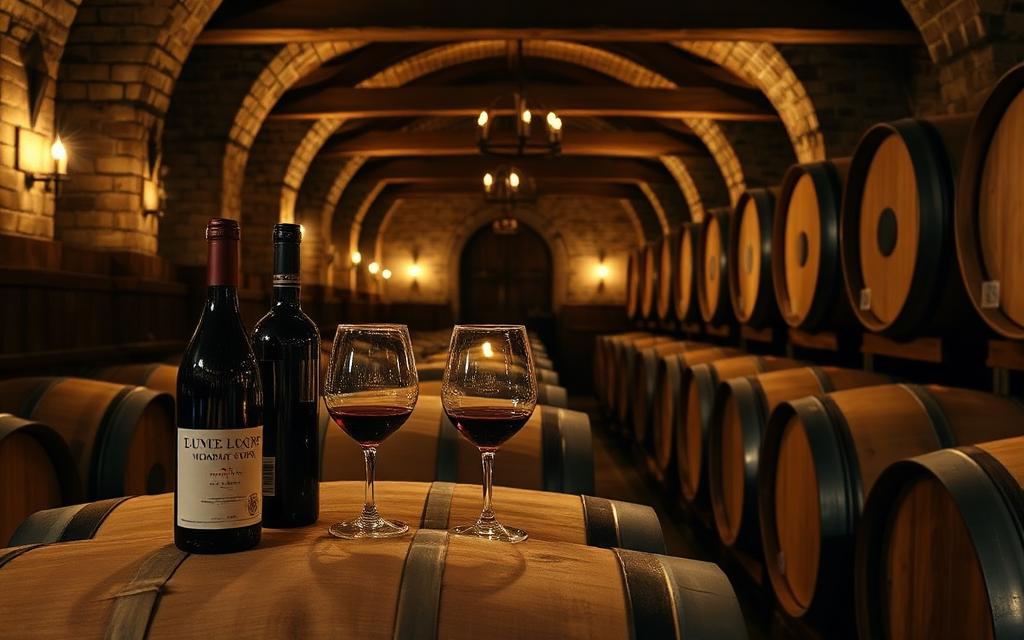
A Connoisseur's Guide to Wine Travel: Bordeaux & Burgundy
France's wine regions are not merely agricultural landscapes — they are living museums of terroir, tradition, and taste. Bordeaux and Burgundy represent the two philosophical poles of French winemaking, and understanding their differences enriches every glass you'll ever drink.
Bordeaux: Power and Prestige
Bordeaux is the world's most famous wine region, and its classification system — dating to 1855 — still defines the hierarchy. The Left Bank (Médoc, Pauillac, Margaux) produces the Cabernet Sauvignon-dominant blends that built Bordeaux's reputation. Château Margaux, Lafite Rothschild, and Mouton Rothschild are pilgrimage sites for oenophiles. The Right Bank (Saint-Émilion, Pomerol) favors Merlot and offers a more intimate, village-oriented experience.
Burgundy: Terroir Above All
Burgundy is Bordeaux's philosophical opposite: small producers, single-grape varietals (Pinot Noir and Chardonnay), and an almost spiritual reverence for terroir. The Côte d'Or — a narrow strip of vineyard running from Dijon to Santenay — contains some of the most expensive agricultural land on Earth. A tasting at Domaine de la Romanée-Conti, if you can secure one, is a once-in-a-lifetime experience.
When to Visit
Harvest (vendange) typically falls in September, and while the châteaux are at their most energetic, access can be limited. June and early October offer the best combination of pleasant weather, available appointments, and unhurried cellar visits. Spring brings the vines into leaf and the countryside into bloom — beautiful, but some properties limit tastings during this period.
Where to Stay
Les Sources de Caudalie, in the vineyards of Château Smith Haut Lafitte near Bordeaux, combines a wine estate with a pioneering vinotherapy spa. In Burgundy, Maison Lameloise in Chagny holds three Michelin stars and offers rooms above one of France's most celebrated restaurants. For something more intimate, Le Montrachet in Puligny-Montrachet puts you steps from some of the world's greatest white wine vineyards.
The Haute Black Wine Journey
Our curated wine itineraries include private cellar access, winemaker-led tastings at properties typically closed to visitors, and transportation between estates by private driver — allowing you to taste freely without logistics on your mind. We pair vineyard visits with the region's finest tables, creating journeys where wine and cuisine are inseparable.
A Connoisseur's Guide to Wine Travel: Bordeaux & Burgundy — Frequently Asked Questions
June and early October offer the best combination of pleasant weather, available appointments, and unhurried cellar visits. Harvest (vendange) typically falls in September — the châteaux are energetic but access can be limited. Spring brings the countryside into bloom but some properties limit tastings.
Tastings at DRC are extremely rare and typically require a personal connection or allocation history. HauteBlack's wine travel team can advise on access and arrange private cellar visits at top Burgundy and Bordeaux estates that are otherwise closed to the public.
Les Sources de Caudalie, set within the vineyards of Château Smith Haut Lafitte, combines a premier wine estate with a pioneering vinotherapy spa. In Burgundy, Maison Lameloise in Chagny holds three Michelin stars with rooms above one of France's most celebrated restaurants.
Yes. Our curated wine itineraries include private cellar access, winemaker-led tastings at properties typically closed to visitors, and transportation between estates by private driver. We pair vineyard visits with the region's finest tables.
Related Reading


Related Experiences


From the Journal

Your Journey Starts Here
Ready to Experience This
the Haute Black Way?
Our travel concierge team can arrange every recommendation in this guide — from priority reservations to private experiences and preferred room upgrades.
Begin Your Journey