Haute Black Journal
Ultimate US Cultural Events for Luxury Travelers 2026

Marlene Azeez
Director, HauteBlack
View all articles →
Published August 20, 2026 by Marlene Azeez
The United States cultural calendar is larger than most luxury travel planning suggests. In 2017, 53.8% of U.S. adults, about 132.3 million people, attended at least one visual or performing arts activity, while adults collectively attended about 500 million arts events in one year, including more than 150 million museum or gallery visits (National Endowment for the Arts participation report). These figures place U.S. cultural events firmly in the mainstream, not at the margins of American leisure.
For seasoned travelers, the right event isn't just a date with a ticket attached. It can be the reason to choose a city, extend a stay, arrange private transportation, reserve a discreet suite, or build a multi-stop journey around art, music, film, fashion, and food. The strongest itineraries treat the cultural calendar as an organizing principle.
This year-round guide moves through the practical priorities that matter most to ultra-high-net-worth travelers: cultural significance, ideal stay, access strategy, and the itinerary details Haute Black can coordinate. It also keeps an essential editorial standard in view. Event names, dates, locations, hospitality offerings, and access claims should be drawn only from confirmed material published on the Haute Black news page before publication.
For travelers building a wider wine and culture itinerary, upcoming winery events can provide a useful complementary anchor.
1. Confirmed Haute Black material comes first
A luxury cultural calendar should begin with confirmed Haute Black material, not attractive but unverified dates. The supplied material shows that its news coverage includes culture-focused travel, U.S. luxury adventures, seasonal getaways, loyalty programs, and curated five-star properties. It does not establish a complete schedule of American art fairs, film festivals, jazz programs, fashion weeks, or gala dates.
That boundary protects the traveler's time, privacy, and expectations. Before an event enters a private itinerary, confirm whether it offers a preview, formal hospitality, discreet arrival options, or invitation-only access. Also assess whether the destination can support the desired pace, from hotel selection and dining to chauffeur service, aviation, and departure timing. Generic listings cannot establish those conditions.
What belongs in a publishable entry
Lead with the cultural reason to attend, then give the planning facts that determine the experience:
- Cultural significance: Describe the event's artistic, historical, or social character accurately, without inflating its importance.
- Ideal stay: Set the appropriate length and rhythm according to the program and destination.
- Access strategy: Separate public admission from confirmed VIP, private, hosted, or invitation-only opportunities.
- Travel design: Identify relevant hotel, aviation, helicopter, chauffeur, dining, villa, estate, or concierge needs.
Practical rule: If the source material does not confirm an event detail, state the planning requirement instead of presenting an assumption as fact.
This standard gives Haute Black room to apply its relationships after the event and client priorities are established. Preferred hotel benefits, VIP recognition, and insider access may shape the final arrangement, but they should be presented only when confirmed. A disciplined entry turns cultural attendance into a properly orchestrated journey rather than a ticket attached to a date.
2. Build the calendar from exact titles and links
The supplied Haute Black page already signals a strong editorial pattern. It includes “10 Elite Cultural Travel Experiences Worldwide,” a culture-led travel article that frames experiences as reasons to travel rather than as generic attractions. It also includes “Unique Travel Experiences USA: Top 10 Luxury Adventures 2026,” which confirms a U.S.-focused, ranked format with explicit year-based framing.
That structure is valuable for a cultural-events guide. Readers don't need a directory of every concert, exhibition, and festival. They need a carefully selected set of experiences with clear reasons for inclusion and a practical sense of how to attend them well.
Titles determine the editorial promise
Exact article titles and URLs prevent several common problems. They keep the guide aligned with the Haute Black news page, reduce the risk of describing an event that isn't covered, and make internal linking more useful. They also clarify whether an entry should be positioned as a cultural journey, a seasonal escape, a property-led stay, or a specific event recommendation.
The page's “7 Best Spring Break Getaways for 2026: An Insider's Guide” adds another useful signal. It combines a seasonal frame with a numbered selection, suggesting that readers respond to concrete recommendations rather than vague travel inspiration.
A source list should therefore include the precise headline, canonical URL, city or region if stated, date or season if stated, and any confirmed access language. Avoid rewriting an article title into a more dramatic claim. Precision reads as confidence, particularly for clients whose schedules and travel arrangements depend on accuracy.
A final editorial pass should verify that every event belongs to the U.S. cultural calendar and that every access statement is supported by the supplied Haute Black material. Where a source offers only inspiration, keep the wording inspirational. Where it confirms a service or invitation, state that service clearly.
3. Use full article text when access details matter
A headline can identify an experience, but it rarely captures the details that distinguish a luxury itinerary from ordinary attendance. Full article text reveals whether Haute Black discusses private gallery tours, artist meet-and-greets, member events, preferred hotel benefits, VIP arrivals, or transportation in connection with the experience.
That level of detail changes how an advisor should plan. A traveler attending an art program may want a quiet arrival before the public opening, a private conversation after the viewing, and dining arranged away from the busiest district. A traveler attending a fashion program may prioritize backstage timing, secure vehicle staging, and a hotel close enough to support multiple outfit changes without sacrificing privacy.
Preserve the source's boundaries
Use the original text to separate confirmed facts from editorial interpretation. A source may establish that Haute Black curates intimate cultural evenings or offers access to art and culture experiences through its private members app. It may not establish that a specific event includes a private dinner, reserved seating, or a particular artist. Those details require direct confirmation.
The same discipline applies to dates. A 2026 article may provide a future-facing recommendation, but that doesn't automatically confirm an event schedule, ticket tier, or venue arrangement. Label projections and upcoming planning appropriately, and verify live details before a client commits to air, accommodation, or ground transport.
Cultural travel becomes compelling when the event and the surrounding journey receive equal attention.
Full text also supports a more useful tone. Instead of promising an experience will be exclusive, describe the confirmed mechanism of access. Instead of calling a hotel ideal, explain the practical advantage it offers, such as proximity, discretion, flexible arrival, or a stronger base for a multi-day program.
4. Specify the cultural event before designing the itinerary
A broad request for “U.S. cultural events” is too open for precise luxury planning. The right selection changes significantly depending on whether the traveler wants contemporary art, film, jazz, fashion, architecture, culinary culture, or a seasonal festival. The city, dates, neighborhood, guest profile, and preferred level of privacy matter just as much.
Useful examples include Tribeca Film Festival 2026 highlights, Art Basel Miami VIP exhibitions, New Orleans Jazz Festival premium experiences, and New York Fashion Week shows and after-parties. These are starting points, not verified claims about the supplied Haute Black news page. Each requires confirmation before publication or booking.
Match the event to the traveler
A private couple may want a tightly edited arts weekend with one principal event, a discreet hotel, and late dining. A family may prefer a cultural program with flexible daytime pacing and a villa or estate that allows everyone to regroup privately. A chief executive may need a schedule that protects calls, minimizes road transfers, and places meetings near the event district.
For fashion-led travel, New York Fashion Week experiences can serve as the starting point for a conversation about show access, backstage timing, fittings, dinners, and vehicle coordination. The link should not be used to imply a specific 2026 schedule unless that schedule is confirmed.
A good brief should state the event type, preferred destination, travel window, guest count, desired access, and tolerance for public exposure. Add whether the traveler wants a single-city stay or a broader itinerary with private aviation, helicopter transfers, or a second cultural stop.
5. Use illustrative examples only when they're labeled
A curated template can be useful when the live Haute Black articles aren't available for review. It can show how a finished entry should handle cultural context, itinerary structure, access, privacy, and transport without pretending that an illustrative event is confirmed site content.
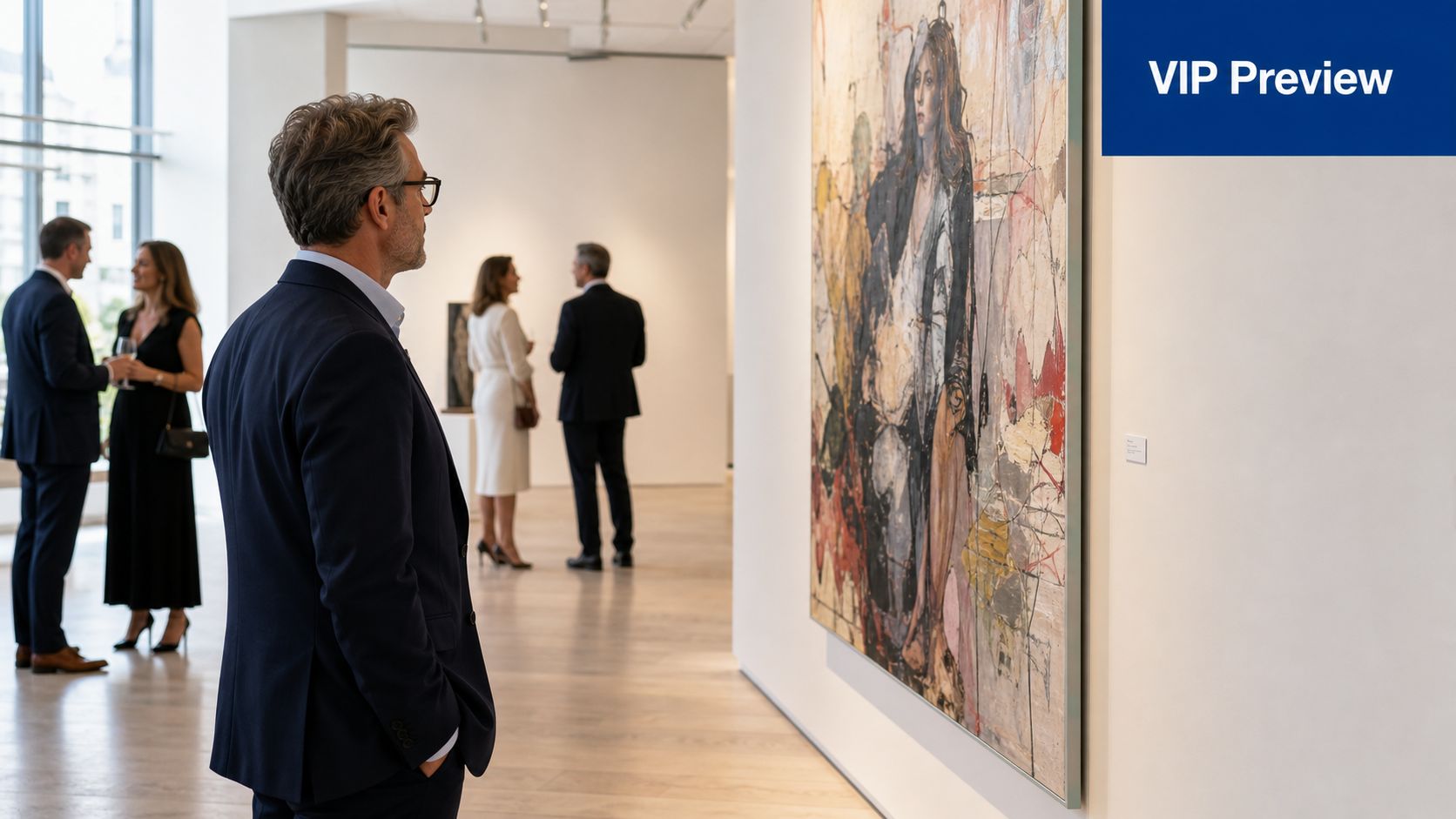
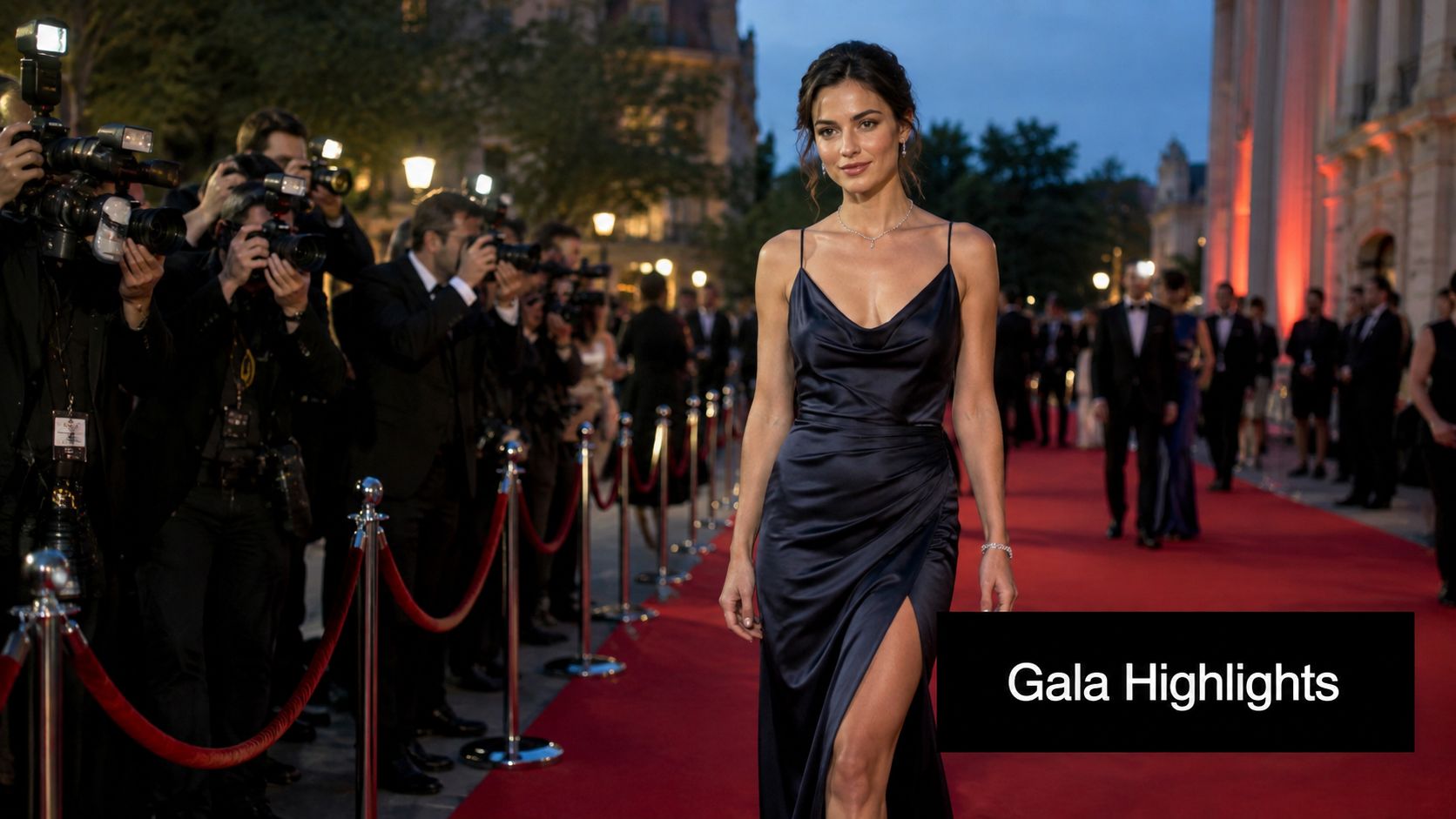
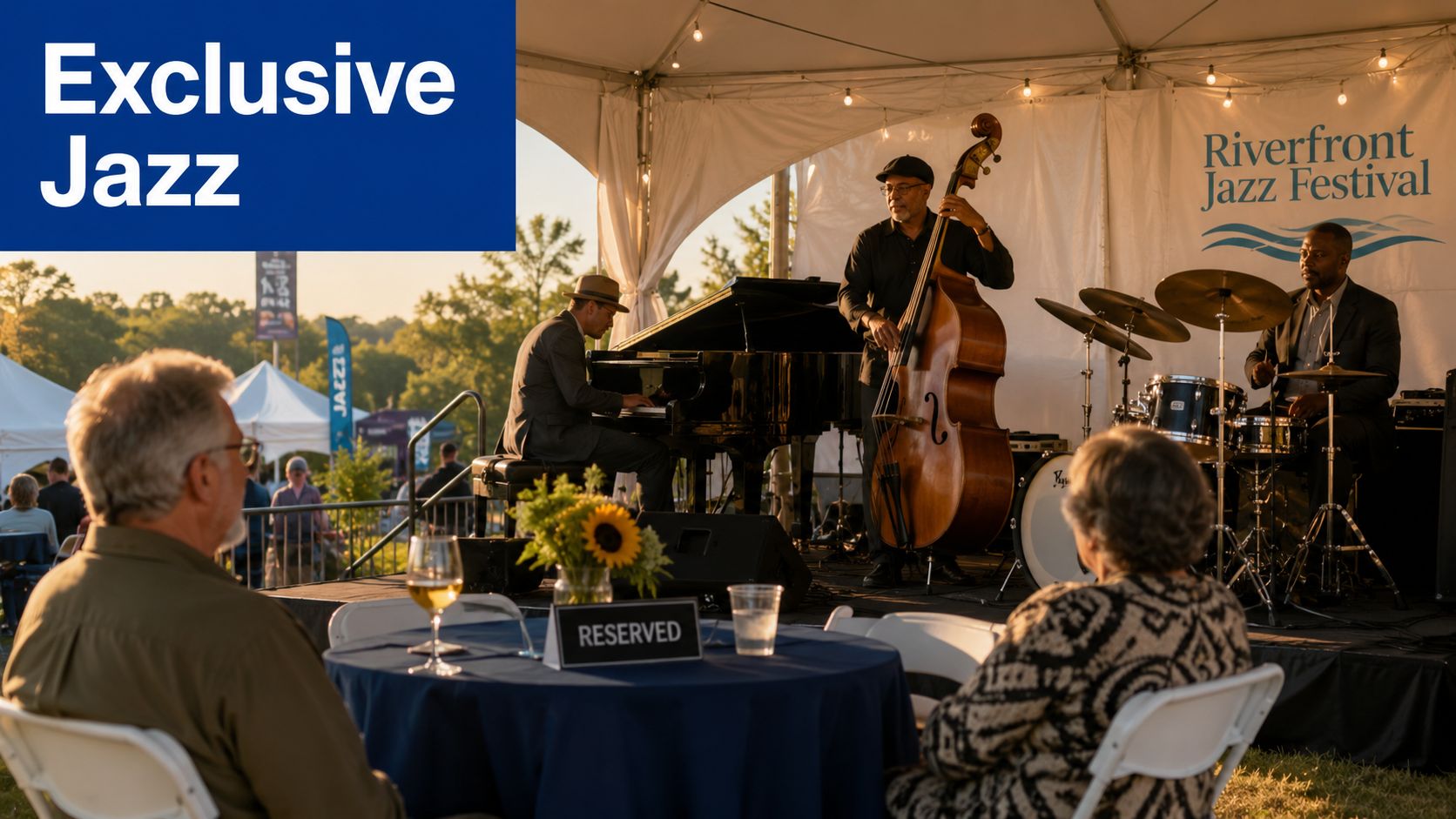
Appropriate examples include Art Basel Miami VIP previews, Tribeca Film Festival gala roundups, New Orleans Jazz Festival premium experiences, and New York Fashion Week shows and after-parties. These examples are plausible planning categories, not verified recommendations from the supplied news material.
What an illustrative entry should contain
Begin with a short description of why the event matters culturally. Then specify the type of stay that would support it, such as a discreet city base, a longer destination stay, or a multi-city route. Follow with access considerations, but use conditional language unless the source confirms a benefit. “Request private viewing access” is responsible. “Includes private viewing access” is not responsible without proof.
The final component should show what Haute Black could coordinate in principle. That may include hotel benefits, private aviation, helicopter transfers, villas and estates, concierge dining, chauffeur transport, VIP recognition, or insider introductions. The wording should distinguish available service categories from event-specific guarantees.
The supplied Haute Black page's U.S. luxury adventures guide for 2026 supports the broader editorial idea of ranked, year-specific American travel recommendations. It doesn't, by itself, verify any particular cultural event or hospitality package.
A strong template remains useful because it gives an advisor a consistent standard. It also makes gaps visible before a draft reaches publication.
6. Gather the information required for accurate delivery
A dependable cultural-events guide needs one of three inputs: exact Haute Black article titles and URLs, the article text itself, or confirmation that the final entries should be curated examples rather than site-verified content. Without one of those inputs, a polished list can still be misleading.
For a top-ten format, number the source articles from one through ten and include the exact headline for each. Add the destination, event date or season, event type, and any stated access language. If the article mentions privacy, transportation, accommodation, dining, or membership benefits, preserve the wording accurately rather than broadening it into a promise.
Decide which fields belong in each entry
A clean editorial schema can include:
- Title: Use the exact published headline where site fidelity matters.
- Description: Summarize the cultural experience and its travel relevance.
- Features: Include only confirmed services or attributes.
- Pros and cons: Keep judgments editorial and avoid unsupported performance claims.
- Examples: Identify specific itineraries only when the source provides them.
- Tips: Explain timing, access requests, privacy, and transport planning.
- PopularizedBy: Use this only when the supplied content explicitly identifies an associated person, institution, or publication.
Optional fields should serve the traveler, not clutter the entry. Timestamps, authors, categories, and publication dates are useful when they help distinguish current information from older editorial material.
Accuracy beats apparent completeness. A shorter confirmed list is more valuable than a longer calendar built from assumptions.
This is particularly important for future travel. Flights, hotel inventory, event programming, vehicle access, and invitation policies can change. A final verification step should occur before the guide is published and again before a client books a nonrefundable component.
7. Sample luxury-focused U.S. cultural events
A useful sample list can demonstrate the intended tone without presenting hypothetical material as confirmed fact. Consider four editorial categories: an art-fair preview, a film-festival gala, a jazz festival, and a fashion-week program. Each category supports a different balance of access, privacy, hospitality, and movement through the city.
An art-fair itinerary should begin with the viewing plan, not the room. Arrange the galleries, identify the desired works or artists, and reserve recovery time between appointments. A film itinerary should account for screening times, red-carpet exposure, private dining, and the need for a calm base between events. Jazz travel benefits from neighborhood knowledge and carefully timed transfers. Fashion travel demands precision around shows, fittings, backstage access, and evening commitments.
Four illustrative planning profiles
- Art fair: Build around private previews, gallery visits, discreet transportation, and a hotel with strong service recovery.
- Film festival: Pair screenings with confirmed gala or hospitality opportunities, then keep dining flexible for schedule changes.
- Jazz festival: Combine the main performance with local culinary culture and a private vehicle capable of handling changing departure times.
- Fashion week: Plan show access, fittings, wardrobe logistics, backstage timing, and secure evening transfers.
These are planning profiles, not verified event entries. The New York cultural events guide should be used only after its contents and current event details have been confirmed.
A high-touch journey also needs a realistic understanding of the traveler. A chauffeur should know whether the client values a fast exit or a discreet pause after the event. The itinerary should leave space for spontaneous invitations without making the entire trip dependent on them. That is the difference between a full schedule and a well-orchestrated one.
For broader guidance on arranging movement and service for high-value travelers, review this chauffeur clients' value travel guide.
8. Define the final deliverable before production
Once the source material is supplied, the editorial output can be structured cleanly. A valid JSON deliverable can contain exactly ten items when a top-ten list is required, with each entry carrying a title and description plus optional metadata.
The most useful metadata reflects how a luxury traveler makes decisions. Features can identify confirmed access or service attributes. Pros and cons can clarify atmosphere, scheduling complexity, and privacy tradeoffs. Examples can show how an event fits into a larger itinerary. Tips can address timing, ticketing tiers, vehicle staging, hotel location, dining, and contingency planning.
Keep factual and editorial fields separate
The title and description should remain faithful to the source. Editorial recommendations can live in tips or planning notes, where the language makes clear that an advisor is offering judgment rather than repeating a source claim. Authors, categories, and timestamps should be included only when they appear in the supplied material or are specifically requested.
Confirm whether each entry should be fictional, illustrative, or site-verified. That single distinction determines the entire tone. A fictional example may be shaped for clarity and inspiration. A site-verified entry must preserve the source's exact boundaries and avoid adding access, dates, prices, or affiliations that aren't present.
If the final guide is intended for publication on the Haute Black news page, the editorial team should also confirm the required link destinations, image rights, media placement, and update process. Cultural calendars age quickly, and a luxury audience expects current information.
The best output won't just convert articles into records. It will preserve the cultural point of each experience while making the practical journey legible to a traveler who values time, discretion, and dependable execution.
9. Write for travelers who value access and privacy
A luxury cultural guide must explain more than what is happening. It should show how a traveler can attend with less friction, protect personal privacy, and remain connected to the culture surrounding the event. The strongest entries make access, timing, and service decisions clear before an itinerary is built.
The U.S. audience is broad. In 2017, 43.4% of U.S. adults, about 106.8 million people, attended at least one live performing arts event, while 58.6% of adults, or 137.8 million people, went to the movies at least once (National Endowment for the Arts participation report). That reach makes popular events culturally significant and logistically demanding. A private itinerary should account for both realities.
Prioritize details that shape the experience
- VIP access: Confirm whether private previews, hosted events, artist meetings, or priority invitations are available. Do not imply access that the source has not verified.
- Privacy options: Identify discreet arrivals, private dining, villas, estates, or lower-exposure scheduling when those choices exist.
- Transportation: Arrange private aviation, helicopter transfers, chauffeurs, and vehicle staging around the venue. Route planning should support the event, not be added afterward.
- Hotel positioning: Choose a property for service, proximity, recovery time, and preferred benefits, rather than reputation alone.
- Ticketing tiers: Explain the practical difference between general admission, reserved seating, hospitality, and invitation-only access when the source confirms those distinctions.
Haute Black's publisher information states that the company offers bespoke itineraries, VIP recognition, and insider access across 120+ countries, with preferred partner status at over 500 properties. These credentials describe the brand's capabilities. They do not prove that a particular event includes any specific privilege.
The editorial standard is direct: give travelers enough verified detail to judge the event's cultural value, exposure level, and pace. Mark every remaining access or service detail for confirmation before the itinerary is finalized.
10. Choose the editorial path and move quickly
Choose the source path before drafting. Supply ten article URLs from Haute Black's news page, paste the full text of up to ten articles, or confirm that the entries should be curated examples. Each route supports a different editorial result, from faithful documentation to a planning framework for a private cultural journey.
Choose based on the desired outcome
Use exact URLs for a source-faithful list when the titles and published framing already support the guide. Provide full text when access, accommodations, membership, or event logistics require precise treatment. Select curated examples for a concept draft, and label every hypothetical detail as illustrative.
Reply with a numbered list of ten source articles for a verified top-ten JSON list. Paste each headline, date, and body for accurate conversion with optional fields such as features, pros, cons, examples, tips, and popularizedBy. Confirm “Proceed with curated examples” for a plausible planning framework rather than a transcription of published content.
Use the source material exactly when replication matters. Use an editorial brief when the calendar should serve couples, families, private members, executives, or executive assistants arranging travel for a principal. State the preferred destinations, cultural interests, timing, and desired level of privacy at the same time.
Decide quickly. A confirmed event gives the journey its purpose, while Haute Black can shape the surrounding schedule around access, hospitality, transportation, and recovery time. Share your interests, destinations, and timeline with a Haute Black advisor. The advisor can match you with confirmed events, arrange verified access, and build a discreet itinerary that lets you focus on the music, art, or performance instead of managing the logistics. Visit Haute Black to begin.
Top 10 U.S. Cultural Events Comparison
| Item | Implementation Complexity 🔄 | Resource Requirements ⚡ | Expected Outcomes ⭐📊 | Ideal Use Cases 💡 | Key Advantages ⭐ |
|---|---|---|---|---|---|
| Limitation: No browsing of external websites | Low (inherent constraint) 🔄 | Requires user-provided content; no external fetch ⚡ | Cannot verify live content; reduced accuracy 📊 | When users supply content or accept illustrative outputs 💡 | Preserves privacy and avoids external dependencies ⭐ |
| Option 1: Provide article links or titles | Low 🔄 | User supplies URLs or exact titles ⚡ | Structured summaries/metadata with moderate fidelity ⭐📊 | Quick conversion when site links are available 💡 | Fast and scalable if links are correct ⭐ |
| Option 2: Share the article content | Low–Medium 🔄 | Full article text or excerpts from user ⚡ | High-fidelity JSON conversion; preserves wording ⭐📊 | Converting articles to JSON or exact reproductions 💡 | Most accurate; customizable fields and metadata ⭐ |
| Option 3: Specify which cultural events to cover | Low 🔄 | User gives event names/dates/locations ⚡ | Tailored, luxury-focused entries appropriate for UHNW readers ⭐📊 | Producing bespoke event write-ups or curation lists 💡 | Highly relevant and audience-tailored; efficient to produce ⭐ |
| What I can do instead: Curated template of plausible events | Low 🔄 | No site access required; uses model knowledge ⚡ | Illustrative templates/examples, not site-verified 📊 | Fast mockups, placeholders, or ideation for editors 💡 | Quick turnaround and luxury-focused framing ⭐ |
| Required information for accurate delivery | Low–Medium 🔄 | Titles/URLs or full article text or approval to proceed ⚡ | Enables site-accurate JSON output and proper metadata ⭐📊 | Preparing inputs prior to conversion or bulk processing 💡 | Clarifies scope and ensures editorial accuracy ⭐ |
| Sample curated luxury-focused U.S. cultural events (illustrative) | Low 🔄 | Minimal, assistant provides sample entries ⚡ | Ready-to-expand list of plausible events; illustrative impact 📊 | Generating example top-10 lists or draft content for approval 💡 | Concrete examples that are easy to expand or adapt ⭐ |
| Deliverable I can produce once you provide input | Medium 🔄 | Varies with number of items; formatting time required ⚡ | Valid, CMS-ready JSON with UHNW tone and optional metadata ⭐📊 | Direct ingestion into apps/CMS or publication workflows 💡 | Customizable fields, consistent formatting, production-ready ⭐ |
| Editorial accuracy and audience guidance | Low–Medium 🔄 | Editorial guidelines or emphasis from user ⚡ | Tone and focus aligned to UHNW audience; improved engagement ⭐📊 | Finalizing voice, exclusivity details, and concierge logistics 💡 | Increases relevance and reader trust; refines messaging ⭐ |
| Next step: How would you like to proceed? | Low 🔄 | User decision: supply links/text or approve curated examples ⚡ | Initiates chosen workflow and produces requested deliverable ⭐📊 | Project kickoff, input collection, or approval for curated content 💡 | Clear call-to-action that streamlines production and scope ⭐ |
Turn the Calendar Into a Private Journey
The best U.S. cultural itinerary isn't the one with the most events. It's the one that respects the traveler's season, cultural interests, privacy requirements, and preferred pace. A client who wants contemporary art may value a concentrated city stay with private gallery time. A couple seeking music and atmosphere may prefer a slower destination journey with carefully chosen performances and unhurried dining. A family may need a flexible program that allows different generations to engage with culture without forcing everyone into the same rhythm.
The broader market supports this approach. About 102 million people attend arts and cultural festivals annually in the United States, while an earlier benchmark recorded more than 55 million U.S. adults attending at least one arts-and-crafts fair or festival and 47 million attending at least one outdoor performing arts festival (National Endowment for the Arts festival summary). Cultural gatherings have the scale to shape destination demand, but scale doesn't determine suitability. The right plan still depends on the quality of access, the character of the stay, and the client's tolerance for crowds.
Spending patterns point to a further consideration for premium programming. U.S. household spending on arts and cultural fees and admissions rose from $72 in 2020 to $257 in 2023, exceeding the 2019 level of $239, and households earning $150,000 or more accounted for about 50% of arts and cultural admissions spending in 2023 (National Endowment for the Arts summary report). For an advisor, that is a clear signal to design for travelers who want more than basic entry. They may be looking for proximity, recognition, privacy, and a richer relationship with the destination.
Performing arts also offer a substantial demand pool. Consumers spent $28.5 billion on performing arts admissions in 2019, representing nearly 0.20% of all U.S. consumer spending (ICPSR performing arts data). Yet a large audience doesn't guarantee an intimate experience. A well-designed itinerary should protect time before and after the main event, keep the route efficient, and make privacy decisions before tickets are purchased.
Haute Black can build that surrounding experience through preferred hotel benefits, private aviation or helicopter transfers, villas and estates, concierge dining and transport, VIP recognition, and insider access. Its publisher information also describes 80+ intimate events annually, including private chef dinners and cultural evenings, as well as an AI-powered network connecting verified founders, executives, investors, athletes, and creators. These offerings should be matched to confirmed event material and the client's stated priorities, not presented as automatic inclusions.
Editorial accuracy remains essential. Link or reference only confirmed material published on the Haute Black news page, and verify event dates, venues, access arrangements, and hospitality details before publication or booking. A private journey begins with reliable information, then adds the service, discretion, and flexibility that allow the traveler to experience the culture rather than manage the logistics.
Haute Black designs bespoke travel around cultural events, with VIP recognition, preferred hotel benefits, private aviation, helicopter transfers, villas, estates, concierge dining, and private transport. Visit Haute Black to turn a confirmed U.S. cultural event into a carefully coordinated journey with the right access and pace.
Frequently Asked Questions
Explore Our Guides


Signature Experiences