Haute Black Journal
Luxury Trip to India: A Definitive 2026 Guide

Marlene Azeez
Director, HauteBlack
View all articles →

# Luxury Trip to India: A Definitive 2026 Guide
May 10, 2026
A luxury trip to India is defined long before check-in. It is defined by how well the journey is engineered: the pace between regions, the quality of the people around you, and the ability to move a family or group through a complex country without wasted time, crowd exposure, or avoidable friction.
That distinction matters even more for travelers who have already done the standard version of luxury. A palace suite in Rajasthan, a famous table in Mumbai, or a Taj-facing room in Agra can all be arranged quickly. What takes judgment is building an itinerary that respects school calendars, wellness priorities, private aviation schedules, differing mobility levels, and the simple fact that three generations rarely want the same day.
India's luxury travel market is projected to keep growing as demand shifts toward more personalized, private, and experience-led journeys. That reflects what experienced travelers already expect. They want privacy, context, and plans shaped around their time, not around a packaged circuit.
The best India journeys reveal far more than the usual Golden Triangle. They combine access, timing, and regional contrast in a way that makes the country feel intelligible rather than overwhelming. Done well, India becomes not just impressive, but uniquely personal.
Beyond the Palace Hotels Redefining an Indian Luxury Trip
A large suite in Jaipur or a famous hotel facing the Taj Mahal is easy to buy. What isn't easy to buy is frictionless entry into the right places, at the right pace, with the right people guiding the experience.
That matters more in India than in almost any other destination. India rewards context. A monument without the right historian can feel crowded and ceremonial. The same site, accessed privately and interpreted well, can become the emotional center of the trip. A luxury journey here is less about seeing more and more about seeing well.
What actually defines luxury in India
The old model was straightforward. Book heritage hotels, add a car and guide, include the Golden Triangle, and call it luxury. That still sells, but it rarely satisfies seasoned travelers who are used to private estates in Tuscany, closed-door museum moments in Europe, or yacht-level personalization in the Mediterranean.
In India, modern luxury is built on a different set of standards:
- Effortless movement: No wasted hours in chaotic transfers, public bottlenecks, or poorly timed domestic connections.
- Calibrated access: Private entry windows, trusted scholars, celebrated naturalists, temple etiquette handled correctly, and dining set in spaces that aren't available through standard booking channels.
- Intelligent pacing: Not every day should be maximal. India can be exhilarating, but overloading the schedule is one of the fastest ways to flatten the experience.
- Cultural precision: The right dress guidance, temple protocols, festival timing, and local introductions change everything.
India isn't difficult when it's designed properly. It's difficult when too many moving parts are left to chance.
Why standard luxury often disappoints
What doesn't work is copying a European model of luxury and dropping it into India. Guests who try to "do" Delhi, Agra, Jaipur, Udaipur, Mumbai, and a safari in one fast sweep usually come home remembering airports, road transfers, and fatigue.
What works is curation with discipline. One region explored thoroughly almost always outperforms a broad, checklist-driven route. A private dinner in a restored haveli, an early wildlife drive with a respected tracker, or a quiet audience with a spiritual teacher in the foothills often leaves a far stronger impression than another ornate lobby.
The most successful India itineraries feel edited. They protect energy, preserve spontaneity, and make room for moments that can't be scripted too tightly. That's the threshold where a luxury holiday becomes something rarer.
Mapping Your Journey India's Luxury Regions and Seasons
India is too large and too varied to plan by map alone. The better approach is to plan by travel personality. Decide first what kind of luxury you want, then place it in the right region and season.
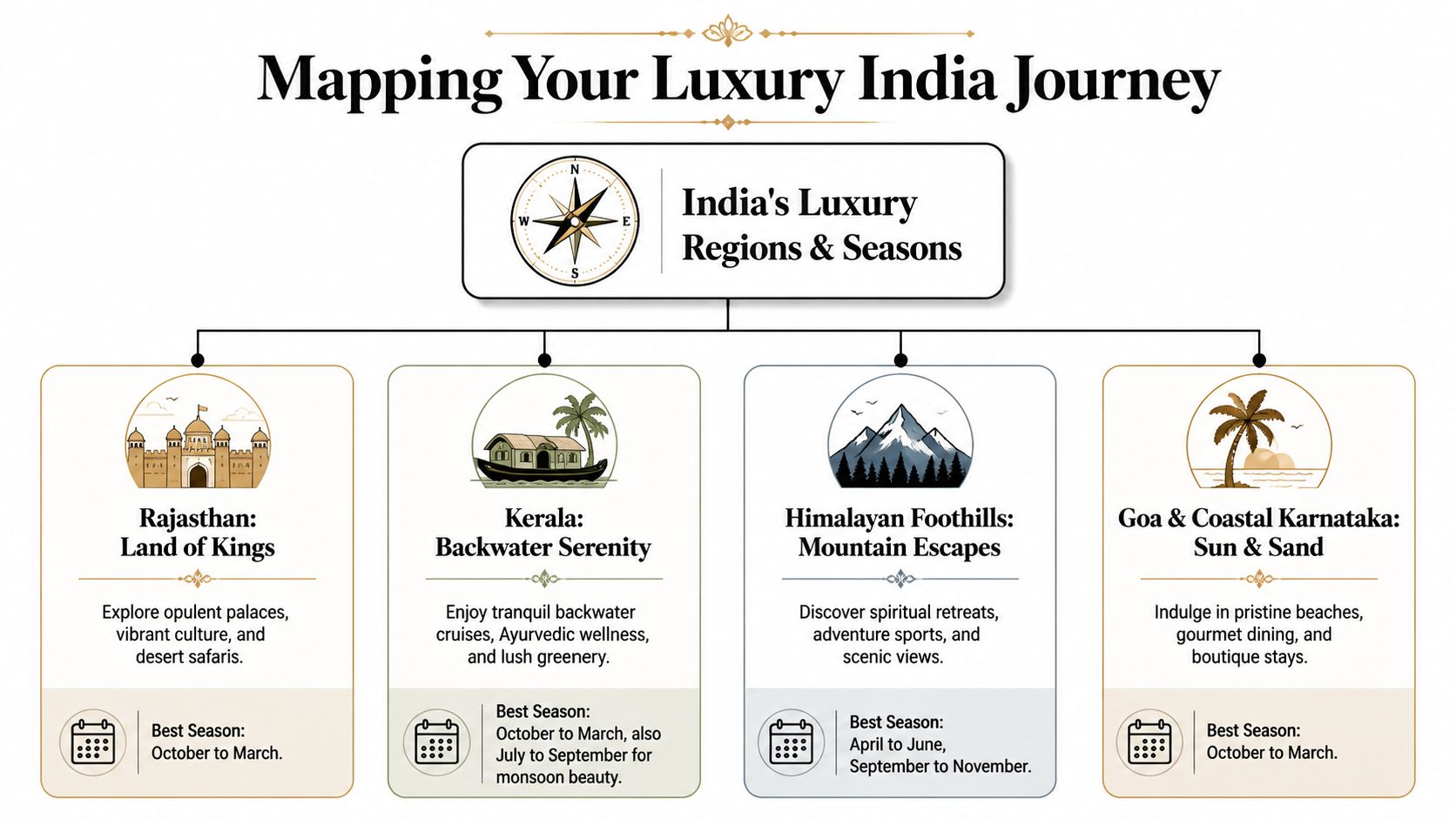
Rajasthan for regal and heritage luxury
If a client wants grandeur, Rajasthan is usually the anchor. In this region, India delivers palace hotels, storied forts, polo culture, jewel-toned textiles, private courtyards, and desert-edge drama with unusual consistency.
Jaipur works well for design, shopping, and refined heritage stays. Udaipur is more romantic and cinematic. Jodhpur has a stronger sense of old aristocratic power. Ranthambore pairs naturally with the region when wildlife is part of the brief.
The strongest season for Rajasthan is October to March. The weather is generally more comfortable, gardens come alive, and outdoor dining is far more enjoyable. The trade-off is obvious. This is also when demand is highest, and the mood can turn congested if the trip isn't timed carefully around festivals, weddings, and peak holiday flows.
Kerala for serenity and wellness
Kerala attracts a different client. It isn't about ceremony or spectacle. It's about softness. Backwaters, houseboats, discreet wellness programs, spice-rich cuisine, and slower days that reset the nervous system.
For travelers coming off an intense year of deals, boards, and constant social obligations, Kerala often performs better than a high-energy circuit. The days don't need to be packed. A luxury villa on the water, a refined coastal resort, or a wellness-led retreat can carry the trip with very little theatrical programming.
The classic season is October to March. There's also a compelling case for the monsoon period, especially for travelers who enjoy dramatic scenery, fewer crowds, and a more introspective atmosphere.
Himalayan foothills for seclusion and spiritual depth
The Himalayan foothills are where India becomes quieter and more interior. This region suits travelers who want mountain air, meditation, serious walking, spiritual conversation, and a sense of retreat from social visibility.
Some guests come for monasteries and contemplative time. Others want a blend of soft adventure and privacy. The primary decision here is altitude, comfort tolerance, and how much structure the traveler truly wants. A beautiful mountain property can feel restorative. A poorly considered one can feel remote in the wrong way.
For most luxury travelers, April to June and September to November are the cleanest windows. That typically gives you better conditions for views, drives, and outdoor time without the heaviness of harsher weather.
The right season isn't just about climate. It's about how much social energy you want around you, and whether the trip should feel vibrant, festive, quiet, or withdrawn.
Goa and Coastal Karnataka for private coastal ease
Not every India itinerary needs to be heritage-heavy. Goa and parts of Coastal Karnataka suit travelers who want beach time, strong dining, slower mornings, and a less ceremonial style of luxury.
This region works especially well as a decompression ending. After Rajasthan or Delhi, a few coastal nights restore balance. It also suits families because the rhythm is easier. Children have space, adults can linger over meals, and privacy is often easier to protect than in more trafficked cultural hubs.
October to March is the most reliable period for this style of journey.
A practical way to choose
Rather than asking, "What should I see in India?" ask three better questions:
1. Do you want intensity or calm?
2. Do you want heritage, wilderness, wellness, or seclusion?
3. Do you want the trip to feel socially alive or deliberately private?
Those answers shape the route far better than any generic top-ten list.
Accessing the Unforgettable Signature Indian Experiences
The difference between a pleasant luxury trip to India and an unforgettable one is access, timing, and control. Famous sights matter less than how you enter them, who interprets them, and whether the day has been built around your priorities rather than the site's opening hours.
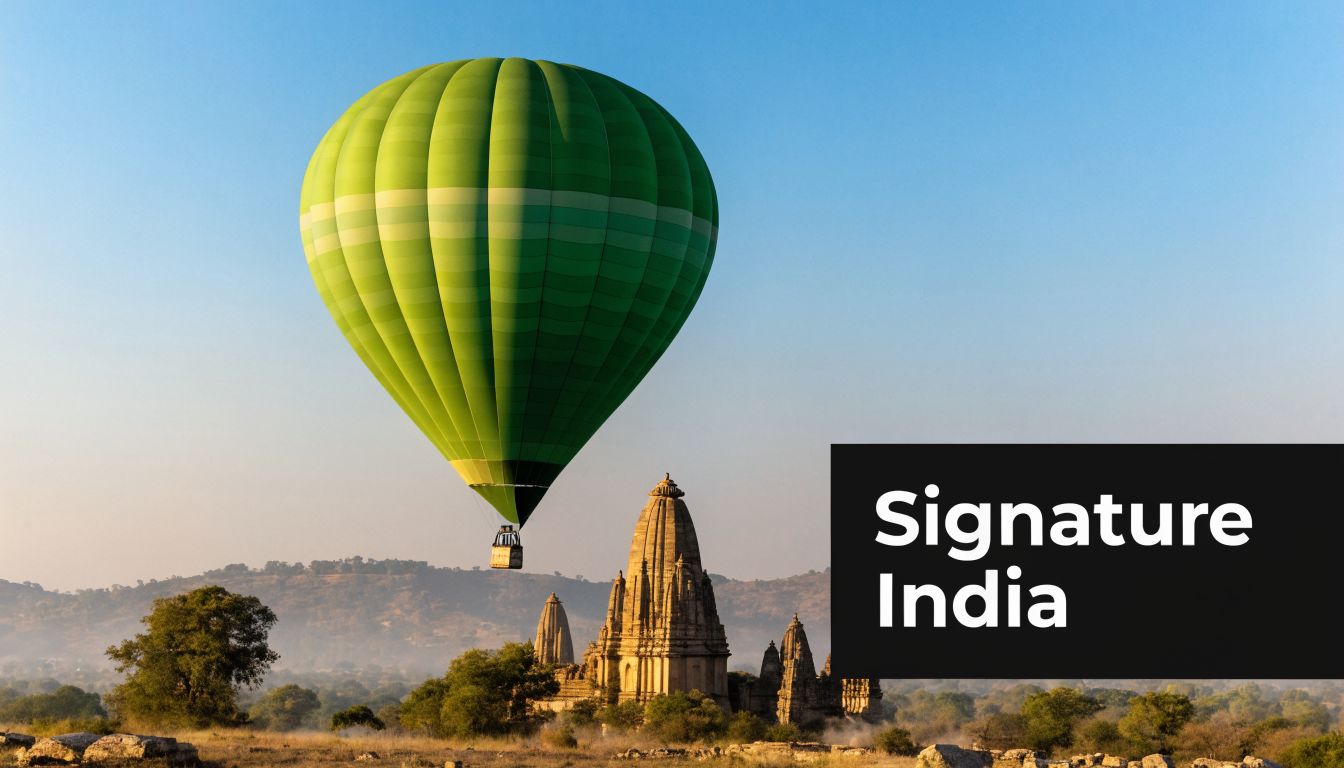
Jaipur is a useful example. One version of the city is a sequence of crowded monuments, a showroom textile stop, and dinner back at the hotel. A better version starts before the traffic builds, uses private or quieter entry windows where possible, and pairs each visit with someone who can explain why the place mattered, not just when it was built. That distinction is what separates a standard luxury holiday from a journey with staying power.
Royal heritage done properly
Royal India is easy to oversell and easy to flatten into theater. Guests are often offered "exclusive" palace moments that amount to costume, lighting, and a rehearsed welcome with little intellectual value.
The stronger approach is smaller, quieter, and more informed.
A private fort visit with a respected historian changes the entire experience. So does dinner in a restored residence where the host can speak credibly about lineage, patronage, or the politics that shaped the house. For families, I often favor residences where younger guests can move through courtyards and gardens without feeling trapped in a lecture, while older generations still get the depth they came for.
A well-built heritage program usually includes:
- Private architectural access: Early or after-hours timing, calmer routes, and fewer public bottlenecks.
- Credible hosts: Historians, curators, family members, or specialist guides with substance.
- A setting with restraint: A terrace supper, salon conversation, or private courtyard meal instead of a broad "cultural evening" designed for volume.
Wildlife with privacy and patience
India's safari experience rewards preparation. Guests expecting East Africa often misread the rhythm and come away underwhelmed for the wrong reasons. The forest is denser, sightings are less theatrical, and much of the appeal lies in tracking, silence, and the quality of the guide's interpretation.
The right naturalist matters more than the longest game drive.
For UHNW families or principals traveling with limited time, reserve choice is only part of the equation. Vehicle allocation, zone strategy, lodge positioning, recovery time between drives, and tolerance for early starts all matter. I have seen carefully paced two-night wildlife stays outperform longer safari blocks because the logistics were right and the guests were not exhausted by transfers.
Some travelers want a tiger-focused stay that fits neatly after Rajasthan. Others want wilderness with polished tented comfort and minimal social exposure. Both can work. The mistake is assuming every safari guest wants maximum drives. Many want select drives, privacy, and enough space in the day to enjoy the property.
Spiritual sanctuaries beyond performance
Requests for something "spiritual" are common. The useful planning question is what form of depth the traveler can receive without turning the experience into spectacle.
For some, that means a private meeting with a respected teacher. For others, it means time in a mountain retreat with enough context to understand the practice rather than consume it as atmosphere. Temple visits can also be powerful, but only when they are structured around etiquette, timing, and interpretation. Entering at the wrong hour with the wrong guide can feel intrusive for everyone involved.
This category requires judgment. Privacy, dress, photography boundaries, religious calendars, and family readiness all affect whether the experience feels meaningful or merely arranged.
Culinary immersion with context
India's most rewarding food experiences rarely happen through a generic tasting menu alone. True value comes from context. A chef-led market visit, a private meal in a family home, a discussion of regional court cuisine, or a thali explained course by course does far more than a polished but interchangeable hotel dinner.
As noted earlier, demand in this segment continues to move toward food, design, and shopping experiences that carry local meaning. That matches what I see in practice. Discriminating travelers want cuisine to explain a region, a community, or a family tradition. They do not need another choreographed "folk performance" attached to dinner.
This is also where itinerary design matters for multi-generational groups. Grandparents may want culinary history. Teenagers usually engage faster with kitchens, sweet shops, bread-making, or street-food conversations in a controlled setting. The strongest customized private India tours for families and founders build those layers into the same day without making anyone feel managed.
The common thread
These experiences work when they are matched to the traveler with precision. A history-minded couple needs scholarship. A family with children needs pace and participation. A founder on a compressed schedule needs high-value access without wasted motion.
Access is not a buzzword. In India, it is the discipline of choosing the right host, the right hour, the right sequence, and the right level of privacy.
Bespoke Itineraries for the Discerning Traveler
A high-end India trip succeeds or fails at the itinerary level. The difference is rarely the headline hotel or the business-class seat. It is whether the route respects energy, privacy, family dynamics, security protocols, and the value of time.
Standard luxury circuits still assume a traveler with flexible days, uniform interests, and patience for inefficient movement. That model falls apart for three groups I plan for often. Multi-generational families, principals traveling with tight schedules, and clients who want India beyond the familiar Golden Triangle without turning the trip into an endurance test.
Genuine orchestration is the key. In India, a strong itinerary has to carry different paces inside the same journey while keeping the trip coherent.
Three itinerary blueprints fit real lives
This is the planning lens I use when deciding whether a route deserves to be booked.
| Traveler Profile | Primary Focus | Sample Experience |
|---|---|---|
| Couple | Romance and atmosphere | Palace stay, private sunset dinner, curated shopping and spa time |
| Multi-generational family | Pacing and cross-age engagement | Interconnected suites, flexible sightseeing, child-friendly heritage experiences |
| C-suite executive | Cultural density with minimal friction | Compressed route, private transfers, high-impact heritage and dining moments |
The couple itinerary
For couples, India works best when the route has emotional continuity. Too many flights, too many one-night stops, and too many "must-sees" flatten the trip.
A refined pairing is Delhi for arrival and a first layer of culture, Agra handled with exact timing, then Rajasthan chosen by mood rather than habit. Udaipur usually wins for romance and privacy. Jaipur is stronger for design, shopping, and social energy. Jodhpur suits travelers who want scale, drama, and a sharper visual identity.
I rarely advise couples to collect cities. I advise them to choose moments. One superb suite. One dinner with real atmosphere. One unhurried morning. One guide who can read the room and step back without being asked.
The multi-generational family itinerary
India can be exceptional for families, but only when the itinerary is built around split pacing and choice. Grandparents may need shorter walking windows, better vehicle access, and midday rest. Children need participation, not passive sightseeing. Parents want substance without spending the day solving fatigue, food, and timing.
That usually means designing parallel tracks inside the same day. One branch of the family may take an early monument visit while others join later. Adults may spend the afternoon with a textile scholar or design specialist while younger travelers do a cooking session, kite-flying lesson, nature walk, or age-appropriate fort experience. The hotel matters here, but the schedule matters more.
A useful reference point for families comparing formats is our guide to customized private India tours for families and founders. It explains why standard departures rarely hold up once age range, privacy, and different attention spans enter the picture.
Small details decide whether a family trip feels graceful or draining. Lift access. Shade at arrivals. Drive times that respect nap windows. Menus that can handle both adventurous diners and children. Guides with warmth, patience, and enough judgment to shorten a visit before anyone asks.
The C-suite executive itinerary
This is the category the market still underserves. Many operators equate depth with duration. For founders, chairs, and senior executives, depth usually comes from precision.
A short India journey can work brilliantly if it is designed as a short journey from the outset. That means fewer cities, cleaner sequencing, immediate airport handling, and experiences selected for intellectual and emotional return. A compressed route through Delhi, Agra, and Jaipur can work. So can a sharper version that pairs Delhi with one region only, such as Jaipur for design and access, or Ranthambore for wildlife and privacy, if the client wants contrast without constant repacking.
The mistake is trying to shrink a leisure itinerary rather than redesigning it. A three- or four-night trip should not imitate a ten-night holiday. It should deliver one major heritage moment, one serious cultural encounter, one memorable private meal, and enough protected space to absorb India without feeling processed.
For UHNWIs, the strongest itineraries often go further than the standard circuit. They combine a disciplined first visit with one deeper layer. A family might pair Jaipur with a private estate stay in rural Rajasthan. A couple might follow Delhi with Udaipur and a short wellness reset. A principal with limited time might skip the expected route entirely and focus on one city plus one exceptional property, if access and privacy are the priority.
That is what bespoke means in practice. Better choices, better sequencing, and a route built around the people taking it rather than the brochure version of India.
Your Private Sanctuaries India's Premier Properties
The right hotel in India does more than provide comfort. It regulates the trip. It decides whether a busy city feels manageable, whether a heritage stay feels authentic or theatrical, and whether a family remains well-held between outward-facing days.
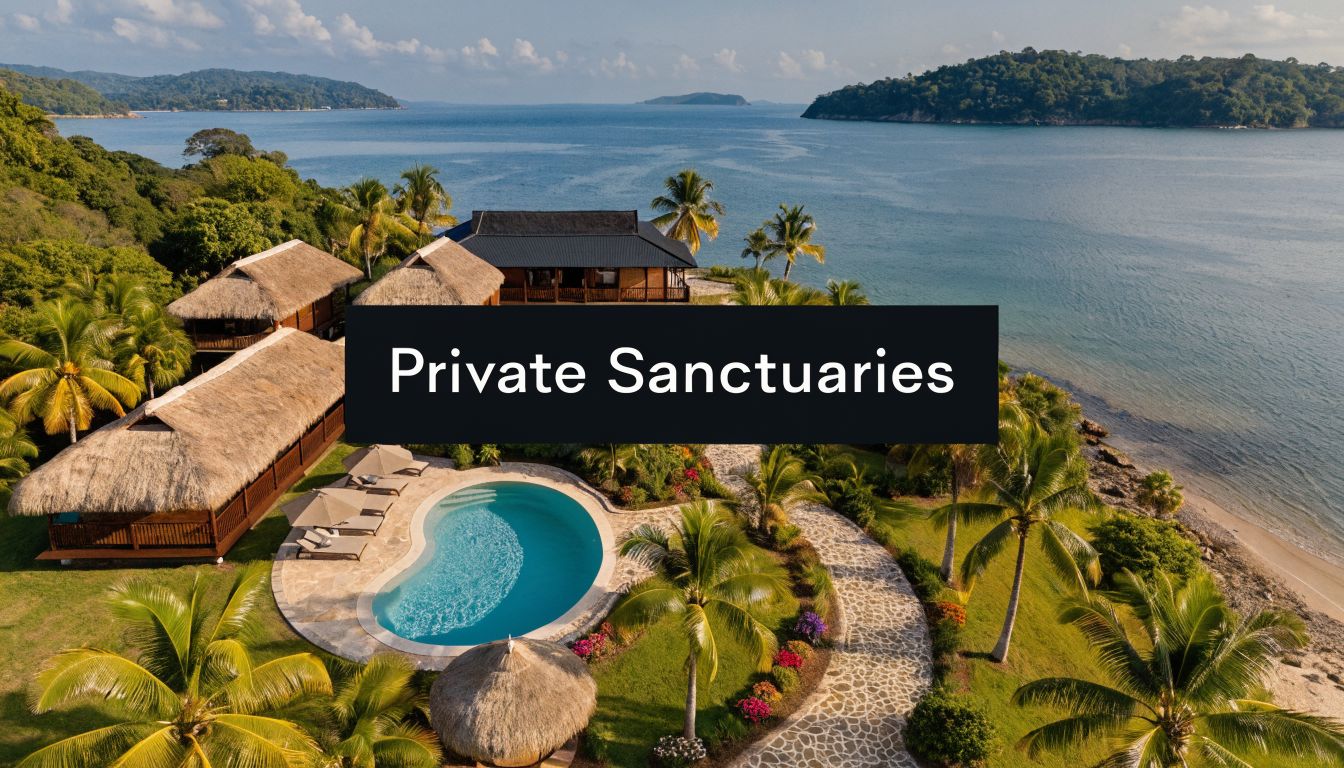
What makes a property worth choosing
In India, brand alone isn't enough. I care more about four things: arrival experience, room positioning, service intelligence, and how the property protects the guest from unnecessary friction.
Some hotels have beautiful public spaces but weak room stock. Others have gorgeous suites but poor transfer flow, limited privacy, or a staff culture that over-serves instead of anticipating. The most successful properties feel composed. They know when to be present and when to disappear.
The properties that usually make the short list
Certain names appear often for a reason. A Taj-facing address in Agra can justify itself if the room orientation and timing strategy are correct. In Rajasthan, palace hotels earn their place when they still feel inhabited by history rather than themed around it. On safari, tented luxury only works if the camp team is disciplined, the guiding is serious, and the downtime feels restorative rather than idle.
For privacy-first clients, I often prefer:
- Suites with defensible quiet: Not merely the top category, but the right position within the property.
- Private villas and estates: Especially for families, principals traveling with staff, or guests who don't want public-facing hotel rhythm.
- Smaller heritage residences: These can outperform grand hotels when discretion matters more than lobby drama.
A useful starting point for comparing accommodation styles is Haute Black's hotel booking and VIP stay services, particularly for travelers deciding between classic flagship hotels, villas, and more private-use options.
The trade-offs clients should understand
Palace hotels offer atmosphere that modern builds can't replicate. They can also bring longer walking distances, more public curiosity, and rooms that vary more than clients expect. Contemporary luxury hotels deliver smoother systems, stronger soundproofing, and easier wellness infrastructure, but sometimes feel detached from place.
Choose heritage for emotion. Choose contemporary for operational ease. The strongest itineraries often mix both.
For families, private-use residences can offer immense advantages. Children get space. Staff can coordinate meals more flexibly. Grandparents don't have to adhere to a public hotel schedule. For couples, however, a legendary hotel with a strong sense of ceremony may still be the right answer.
The point isn't to chase famous names. It's to choose sanctuaries that support the mood and mechanics of the trip.
The Art of Effortless Travel: Logistics and Etiquette
India exposes weak trip design faster than almost any other luxury destination. On a well-orchestrated itinerary, the country feels generous, efficient, and thoroughly rewarding. On a poorly timed one, guests lose hours to transfers, arrive tired for the moments that matter, and spend too much of the trip recovering from the plan itself.
For UHNW families and time-poor principals, logistics are not a back-office detail. They shape the quality of the experience. The right India journey is rarely about seeing more. It is about sequencing each stop so grandparents, children, staff, and executives with limited time can move comfortably, keep their privacy, and still experience the country with depth.
Lead time matters because India's best arrangements disappear early. The strongest suites, the most polished guides, and the most useful festive dates are usually secured months ahead, particularly during the peak winter season, according to Ker & Downey's India destination guidance. Late booking usually reduces choice in ways clients notice immediately. Inferior room position, weaker guide fit, awkward domestic flight timings, and rushed transitions.
The details to lock first are often the ones travelers do not see on a booking confirmation:
- Exact room or villa position: Quiet wing, easier lift access, interconnecting setup, or better privacy from public areas.
- Airport handling: Fast-track, tarmac support where possible, baggage coordination, and airside-to-car timing that protects rest after long-haul arrivals.
- Guide selection: Some guests want academic depth. Others want concise context, polished pacing, and the judgment to know when silence is preferable.
- Domestic transport strategy: Private aviation, helicopter sectors, and first-class commercial flights should be chosen by time efficiency, family composition, and airport realities.
- Day pacing: India rewards fewer commitments done well. One excellent morning visit and a proper break often delivers more than a packed schedule.
For travelers delegating that operational work, this guide to luxury travel concierge services gives a clear sense of how much coordination sits behind an itinerary that feels easy on the ground.
Packing deserves more thought than clients expect. India can place a guest in dry desert air, heavy urban humidity, cool mornings, sacred sites, and aggressively air-conditioned interiors within the same trip. Over-packing formalwear is common. Under-packing adaptable clothing is the usual mistake.
A smart wardrobe for India includes lightweight daytime pieces in natural fabrics, layers that travel well, footwear that can handle uneven surfaces, and at least a few options that work for temple visits without looking utilitarian. For multi-generational groups, I also recommend building outfits around fast changes. Children need easy resets after heat and dust. Older travelers benefit from lighter shoes, sun protection, and simple layering that avoids constant wardrobe management.
Etiquette in India is straightforward for travelers who pay attention. Dress with modesty in sacred spaces. Ask before photographing people. Let a trusted guide brief each visit properly, especially in temples, private homes, and ceremonial settings. Staff interactions also matter. Politeness is remembered, and so is entitlement.
The highest level of luxury in India is not visible effort. It is good judgment, precise timing, and respect for context. That is what turns a complex country into a trip that feels calm, private, and intelligently handled.
How Haute Black Crafts Your Definitive India Journey
A luxury trip to India is won or lost long before arrival. For UHNW travelers, the difference rarely comes down to spending more. It comes from correct pacing, controlled logistics, and access that fits the brief, especially for multi-generational families and executives trying to see India properly in a limited window.
These are the itineraries the market often mishandles. A family group may need Jaipur to feel gentle for grandparents, interesting for teenagers, and private enough for principals who do not want every movement observed. A founder flying in for five nights may want Delhi for meetings, Agra without the usual churn, and one restorative stop that justifies the distance. Standard luxury circuits do not solve for that. They usually add stops when they should edit them down.
That is where judgment matters.
Haute Black builds around the traveler first, then the route. For India, that can include hotel relationships, private aviation through Haute Jets, preferred partner benefits, and scheduling that respects energy, privacy, and purpose rather than default sightseeing flow. In practice, the brief usually centers on a few pressure points:
- Compressed schedules: High-return itineraries for principals who cannot afford wasted transfers or poorly timed touring.
- Multi-generational complexity: Trips that need different daily rhythms, room configurations, mobility considerations, and built-in flexibility.
- Privacy: Discreet arrivals, stronger villa or suite choices, and less exposure in places that can quickly feel over-observed.
- Access: Guides, hosts, and experiences that depend on relationships and timing, not just reservations.
True value sits upstream. It is not about booking celebrated hotels and desirable tables. It is deciding which city earns two nights instead of one, which property is overrated for a specific client profile, when private air saves the trip, and when it is unnecessary expense. It is also knowing when India should feel full and when it should feel quiet.
That distinction matters more in India than in many destinations. The country rewards ambition, but it also punishes overbuilding. I have seen families enjoy Rajasthan far more after cutting one palace stop and adding unstructured time at a single excellent estate. I have seen executive trips improve once the brief shifted from "cover Delhi, Agra, Jaipur" to "leave with one serious cultural memory, one exceptional stay, and no operational drag."
Haute Black's role is to make those calls early and correctly. That is how India becomes more than a prestigious itinerary. It becomes a journey with clarity, privacy, and depth.
If you're planning a luxury trip to India and want it built around privacy, access, and intelligent pacing, Haute Black can help shape the itinerary around your exact brief, whether that's a romantic escape, a multi-generational family journey, or a tightly optimized executive visit.
Explore Our Guides
Signature Experiences