Haute Black Journal
The Luxury Guide to Latin American Festivals

Leslie Peterson
Travel Writer
View all articles →
Latin America's marquee festivals are not difficult to find. They are difficult to do well.
At this level, the question is not which celebration is famous. It is which one deserves your time, how much access can be arranged beyond the public program, and whether the trip can be executed with precision from arrival to final dinner. These events attract serious crowds and intense demand. Poor planning turns them into traffic, waiting, and noise. Expert planning turns them into private viewing rooms, escorted entrances, backstage introductions, and hotels positioned for smart movement rather than postcard appeal.
That distinction matters. A mass event can still feel intimate if the trip is built correctly. The right advisor secures the vantage point, times transfers around road closures, places you in the hotel with the strongest festival relationships, and layers the celebration with the right private experiences before and after the main event.
Luxury travelers do not need a longer list of festivals. They need judgment. Some celebrations justify premium access. Some are better admired selectively. Some only become worth the effort once private hosts, premium seating, and custom touring are in place. Buenos Aires' tango festival, for example, draws a substantial audience for a citywide program of dance and music, as noted by Study Spanish Latin America's guide to major regional festivals. The opportunity is not limited to attendance. It is to convert public culture into a highly controlled, highly personal experience.
This guide focuses on execution. Where to stay. What to reserve first. Which VIP pathways are worth paying for. When to arrive early, when to leave late, and when to skip the obvious option for the better one. That is how latin american festivals should be approached if the goal is not attendance, but access.
1. Carnival of Rio de Janeiro
Rio is the festival everyone knows. Very few travelers experience it well.
Carnival rewards precision, not spontaneity. The city swells, traffic hardens, access tightens, and mediocre planning leaves even high spenders stranded in crowds with a ticket that looked impressive on paper. Done properly, Rio becomes a controlled, high-glamour program of hosted arrivals, protected viewing, private cultural access, and recovery time built into the right moments.
How to do Rio properly
Choose your hotel for access and relationships. Price is secondary. Copacabana and Ipanema remain the smartest bases because they shorten transfer times and keep you close to private events, beach downtime, and parade logistics. Belmond Copacabana Palace is still the benchmark for clients who want strong carnival programming, polished service, and the right social orbit during the week.
Do not limit Rio to parade seating. An upgrade comes from private samba school access, atelier visits, rehearsal entry, and backstage hosting that explains how the spectacle is assembled. Add private samba instruction before your main parade night. It changes how you watch. What looks chaotic to the average visitor becomes legible, technical, and far more impressive.
Pacing matters.
Most clients should not stack late nights back to back. After your main Sambadrome evening, schedule a slower day on the water or at a proper spa. A private yacht charter works particularly well because it restores privacy after the scale and noise of carnival.
Practical rule: Reserve the assets with the highest scarcity first. Your hotel, Sambadrome hospitality, and invitation-only events. Dining, styling, and secondary nightlife can follow.
The strongest Rio programs usually include:
- One high-status social event: A major carnival ball or a tightly controlled private party with serious hosting.
- One parade night done properly: Premium box seating, quality hospitality, escorted entry, and a driver who knows festival routing.
- One cultural appointment away from the crush: A private art or architecture visit, or a hosted afternoon in Santa Teresa.
- One recovery day: Yacht, spa, or beach club time before departure.
Rio also works best as part of a broader South America itinerary rather than a single-event sprint. For clients pairing Brazil with another polished cultural stop in the region, Haute Black often connects festival travel with a wider Latin America program such as its privately designed Colombia Golden Triangle journey.
2. Barranquilla Carnival
Barranquilla is for clients who want festival intensity without Rio's glare.
It delivers exuberance, Caribbean rhythm, and deep local identity, but the luxury strategy here is different. This isn't the place to chase celebrity optics. It's the place to buy access to context. The return comes from who introduces you, where you watch from, and which private cultural encounters happen away from the main parade flow.
The smart luxury play in Barranquilla
Use a top hotel with strong local relationships, then build outward. Raised viewing platforms and hosted dining overlooking the parade route matter more than front-row chaos at street level. A private guide with real roots in the city is essential. Barranquilla rewards local trust.
Private cumbia and percussion sessions work especially well here because they connect the public celebration to the region's musical DNA. So do off-schedule meals with chefs and cultural hosts who can explain the city's layered influences through the table, not a lecture.
For clients already traveling through Colombia, Barranquilla works best as part of a broader, polished route rather than a standalone hit-and-run visit. Pair it with Cartagena for contrast or fold it into Haute Black's Colombia Golden Triangle experience if you want an itinerary with stronger urban and cultural pacing.
A few decisions matter more than people expect:
- Choose placement over square footage: A well-positioned suite beats a larger room with poor routing.
- Book heritage interpreters, not generic guides: Family history and local credibility matter in Barranquilla.
- Protect your evenings: One excellent hosted dinner is better than trying to do three events in succession.
Go to Barranquilla if you want warmth, rhythm, and access that still feels personal.
This is one of the most rewarding latin american festivals for travelers who prefer cultural intimacy over maximum scale.
3. Festival of San Fermín
Pamplona isn't in Latin America, but well-traveled festival enthusiasts often pair Iberian tradition with a broader Spanish-speaking cultural circuit. San Fermín earns its place because it shows how to convert a famously unruly public event into a controlled luxury experience.
The perception often stops at the running of the bulls. That's amateur framing. The authentic high-end experience is about private sightlines, timing, and expert interpretation. You don't need adrenaline. You need a balcony, a host, and the discipline to avoid the worst street congestion.
Where luxury clients get San Fermín wrong
They over-focus on participation and under-focus on placement.
A suite or private balcony at a storied address such as Grand Hotel La Perla changes everything. You're no longer jostling for a view at dawn. You're receiving breakfast and coffee while watching one of Europe's most famous rituals from above, in safety, with context. That's the right frame.
The same logic applies to bullfighting. If you're going to attend, do it with a knowledgeable aficionado who can explain the codes, sequence, and controversy with intelligence rather than sentimentality. For some travelers, that context deepens the experience. For others, it confirms that the corrida should be skipped. Both outcomes are useful.
The strongest San Fermín itineraries also leave Pamplona quickly after the key events. Rioja is the obvious follow-on. A private wine program restores privacy and quiet after the compressed intensity of the festival.
Use this structure:
- Morning observation: Private balcony viewing and guided cultural interpretation.
- Midday retreat: Hotel downtime, protected lunch, and no unnecessary movement.
- Evening selectivity: One dinner, one event, then back to your base.
- Exit plan: Car and driver positioned outside the densest closure zone.
This festival doesn't reward spontaneity. It rewards control.
4. Día de Muertos Celebrations
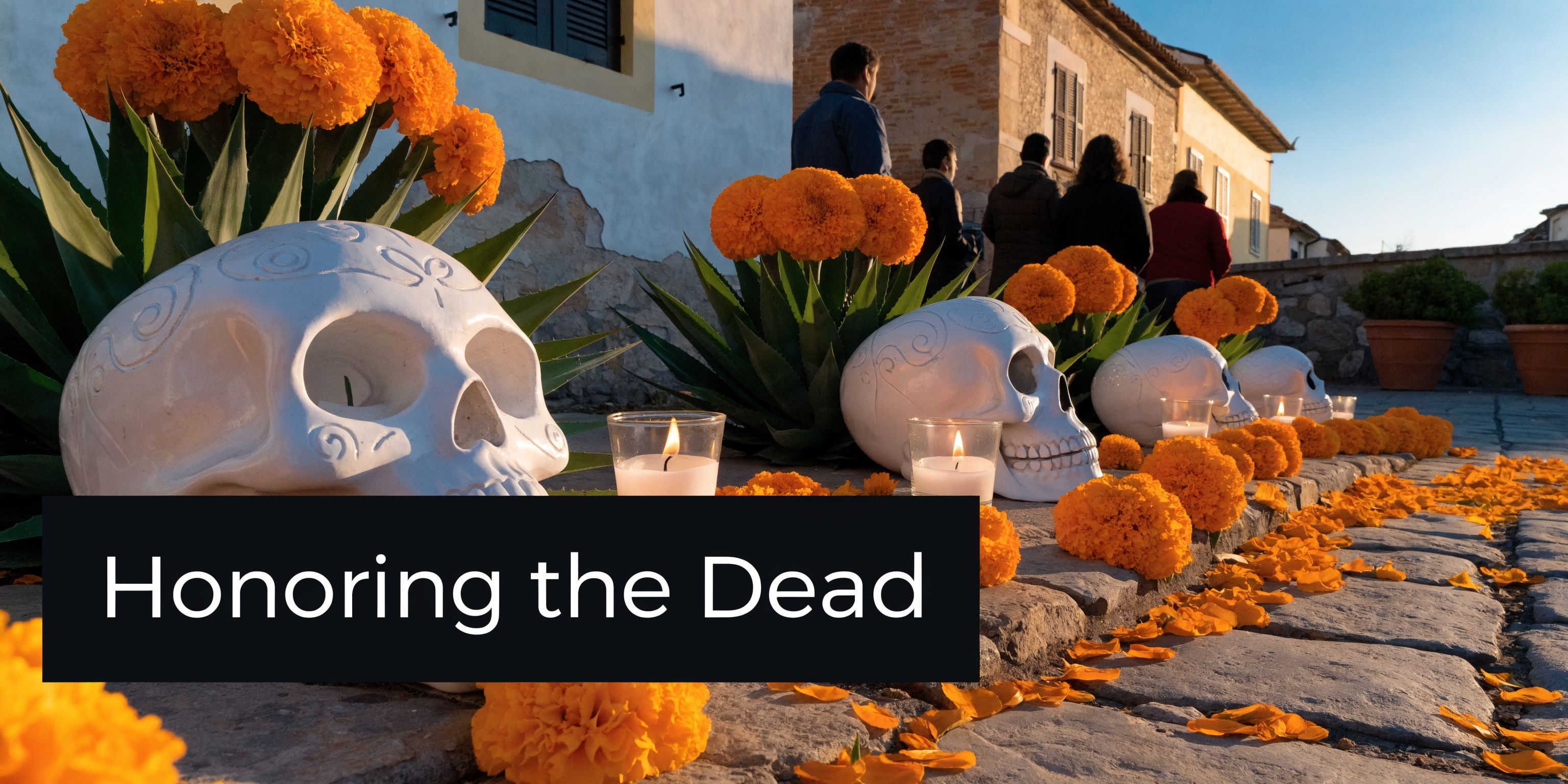
Día de Muertos is one of the most misunderstood entries on luxury festival lists. It isn't a party to consume. It's a ritual season to enter with care.
Mexico City and Oaxaca offer different versions of the experience. Mexico City gives you scale, art, design, and an excellent hotel platform. Oaxaca offers stronger intimacy, artisan access, and culinary depth. The right answer depends on whether you want metropolitan polish or a more rooted atmosphere.
Build a respectful private program
The best luxury access here doesn't look flashy. It looks informed.
Arrange private ofrenda creation with artisans or cultural hosts. Book culinary experiences focused on regional dishes rather than generic tasting menus with seasonal branding. If you visit cemeteries or village observances, go with someone trusted by the community and accept that some moments require quiet observation, not aggressive photography.
For travelers who want a polished urban route with additional beach time or a broader Mexico itinerary, Haute Black's Mexico City, San Miguel, Los Cabos journey creates a strong framework around the holiday period.
Pair the celebration with:
- A serious food program: Mole, pan de muerto, mezcal, and regional market visits.
- An art acquisition strategy: Folk art, textiles, and contemporary design sourced privately.
- A cultural historian: Not optional if you want more than visual impressions.
- A selective calendar: Processions and altar visits, yes. Overcrowded generic "theme" events, no.
Respect opens doors here. Performance closes them.
Among latin american festivals, this one rewards restraint more than status signaling.
5. La Tirana Festival
La Tirana is not polished. That's exactly why it belongs on this list.
Held in Chile's Atacama region, it offers something many luxury travelers struggle to find: a major living tradition that hasn't been rounded off for easy consumption. The setting is austere, devotional, and logistically demanding. Done badly, it feels exhausting. Done properly, it becomes one of the most memorable cultural experiences in South America.
How to make an unforgiving festival feel effortless
Don't stay too close unless your team can create real comfort on the ground. For most clients, nearby town-based accommodations with disciplined daily transport work better than improvising around festival-day availability. For others, a professionally managed private encampment with luxury tents and dedicated staff can be exceptional, but only if every operational detail is handled in advance.
What matters here is support. You want a guide who understands both the religious significance and the dance traditions, a driver who knows how movement patterns shift during peak hours, and a host who can facilitate respectful meetings with dance group leaders or local historians.
Then widen the itinerary. La Tirana should never be the whole trip.
Anchor it within a larger Atacama program:
- Desert vistas by air: Private helicopter touring if conditions and routing allow.
- Regional cuisine: Curated dining that reflects northern Chile, not generic international menus.
- Artisan access: Pre-arranged visits to makers before festival crowds thicken.
- Recovery time: A quieter lodge segment after the celebration.
This is one of the strongest options for travelers who have already "done" the obvious luxury circuits and now want depth without sacrificing standards. The event itself remains grounded and communal. Your comfort comes from how intelligently the journey is wrapped around it.
6. Viña del Mar International Song Festival
Viña del Mar sits in a different category from the more ritual-driven festivals on this list. This is entertainment, social visibility, and premium hospitality on the Chilean coast.
It's also one of the cleaner fits for clients who want a festival that still feels dressy, structured, and commercially polished. You're not entering a devotional space or a sprawling street celebration. You're stepping into a high-profile performance environment where access, seating, and social positioning matter.
Best for clients who want glamour with control
VIP box seating at Quinta Vergara is the centerpiece. That's where service, visibility, and comfort come together. After that, the game is about peripheral access: private after-parties, label-hosted gatherings, and a hotel environment that can absorb late nights without friction.
The strongest pairings are obvious. Santiago for city polish. Casablanca or Colchagua for wine. The coast for a slower final chapter after the festival.
This is one of the easiest festivals on this list to make feel cinematic. Arrive from Santiago by helicopter if time efficiency matters. Dress properly. Keep your evenings edited. The clients who enjoy Viña most aren't trying to do everything. They're selecting the best rooms, the best tables, and the right after-hours doors.
Book Viña if you want:
- A socially charged festival calendar
- A red-carpet-ready hotel environment
- Easy combination with elite wine touring
- A music-focused event that still accommodates privacy
Viña isn't rugged authenticity. It's polished access. For the right traveler, that's exactly the point.
7. Inti Raymi Festival
Inti Raymi is one of the clearest examples of why luxury logistics matter. Cusco is compelling. It's also physically demanding. Add festival crowds, archaeological touring, and altitude, and a casual plan starts to fray fast.
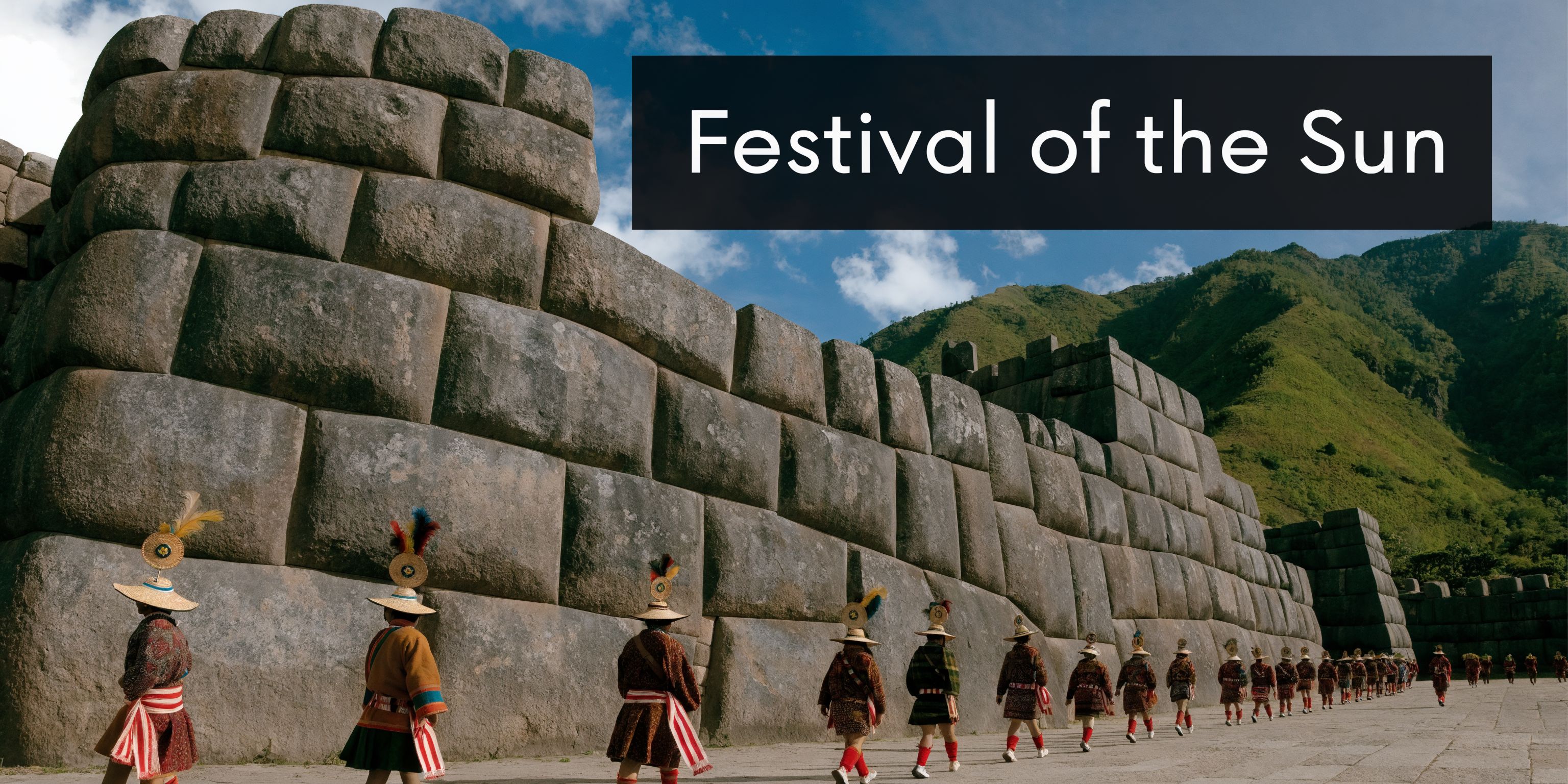
The recreated Festival of the Sun has pageantry, historical resonance, and a magnificent setting. But the luxury version isn't a better seat. It's a better physiological and cultural strategy from the moment you land.
Sequence matters more than spectacle
Do not arrive and launch directly into the program. Build acclimatization into the trip. Then use private historians or archaeologically trained guides so the ceremonial reenactments connect to place, cosmology, and imperial history instead of feeling like stagecraft in costume.
Private seating and hospitality near the processional routes or overlooking key ceremonial settings make the day more comfortable, but the deeper value comes from what surrounds the festival. That means a serious Sacred Valley stay, private access planning for Machu Picchu, and enough unstructured time to absorb Peru rather than merely transit through it.
Haute Black's perspective on luxury travel to Machu Picchu is particularly relevant here because Inti Raymi works best when folded into a larger high-touch Peru itinerary rather than treated as a standalone city event.
A strong structure includes:
- Early arrival in Cusco: Time to adapt before major movement.
- Historical framing: Private briefings before the festival day.
- Sacred Valley balance: Lower-intensity luxury between major cultural moments.
- Machu Picchu integration: Planned with precision, not added casually at the end.
This is the festival for travelers who want grandeur with intellectual substance. If your standard is "show me something beautiful and explain why it mattered," Inti Raymi delivers.
8. Indigenous Peoples' Day Celebrations
This isn't one event in one place. It's a category of experiences across Latin America, especially compelling in Colombia and Mexico when handled with seriousness.
That matters, because many travelers approach indigenous heritage through museums and marketplaces alone. Those are useful, but insufficient. The richer approach is direct engagement with artists, historians, curators, and community hosts who control how their culture is presented.
Buy access to dialogue, not performance
The private luxury play here is straightforward. Commission cultural advisors who know protocols. Arrange studio visits and private viewings with indigenous artists. Build acquisition opportunities around direct relationships rather than decorative retail. Support communities through transactions and philanthropy that are transparent and respectful.
This style of travel works well for collectors, families, and executives who want their itinerary to include substance. It's also one of the few festival-adjacent experiences where a slower pace produces better outcomes. Fewer appointments, more depth.
The strongest formats include:
- Private seminars: Historians, cultural leaders, or curators in a controlled setting.
- Collector access: Textiles, ceramics, paintings, or ceremonial-inspired work sourced directly.
- Community-led experiences: Hospitality shaped by local hosts, not generic tour operators.
- Museum strategy: Use private entry or curator-led visits where available.
For discerning travelers, this category isn't about checking a date on the calendar. It's about entering cultural conversations that are often far more memorable than the public ceremony itself.
9. Garifuna Settlement Day
Garifuna Settlement Day in Belize and Honduras offers a very different luxury equation. Rhythm, history, and coastal ease come together in a way that can feel both celebratory and grounded.
This is one of the best choices for travelers who want authentic cultural engagement without giving up the pleasures of island-hopping, private villas, or yacht-based movement. The festival honors arrival, resilience, and identity. If you build the trip well, the celebration and the seascape strengthen each other.
Use the water as your private corridor
The smartest way to approach this festival is by controlling movement. Private yacht transfers or boat-based day routing create separation from public congestion and give the itinerary a graceful rhythm. You can attend the key drumming, reenactments, and hosted meals, then retreat to a villa or private island environment that restores quiet immediately.
Private dinners with Garifuna historians, musicians, or community leaders often become the trip's anchor memory. So do master classes in punta dance or drumming when they're arranged respectfully and without performative tourist packaging.
This is a natural fit for:
- Families: Easy to combine culture and beach time.
- Couples: Strong romance factor without cultural emptiness.
- Collectors and food lovers: Music, storytelling, and cuisine all matter here.
- Yacht clients: Effortless coastal mobility transforms the experience.
Don't overcomplicate the land component. Choose one or two meaningful heritage engagements, then pair them with reef time, diving, or archaeological touring inland if you want range. The beauty of this festival lies in contrast. Drums and sea. Ceremony and stillness. Public celebration and private retreat.
Among latin american festivals, this one feels especially elegant when the itinerary is built around movement by water.
10. Buenos Aires Tango Festival
Buenos Aires offers Latin America's most refined festival experiences. Done properly, tango week gives you cultural authority without the chaos tax that usually comes with major public events.
The festival spreads across the city and draws serious crowds. That is precisely why planning matters. This is one of the few large festivals that can be shaped into a polished private program if you secure the right rooms, the right tables, and the right introductions before arrival.
Treat the public program as a backdrop, not the main event
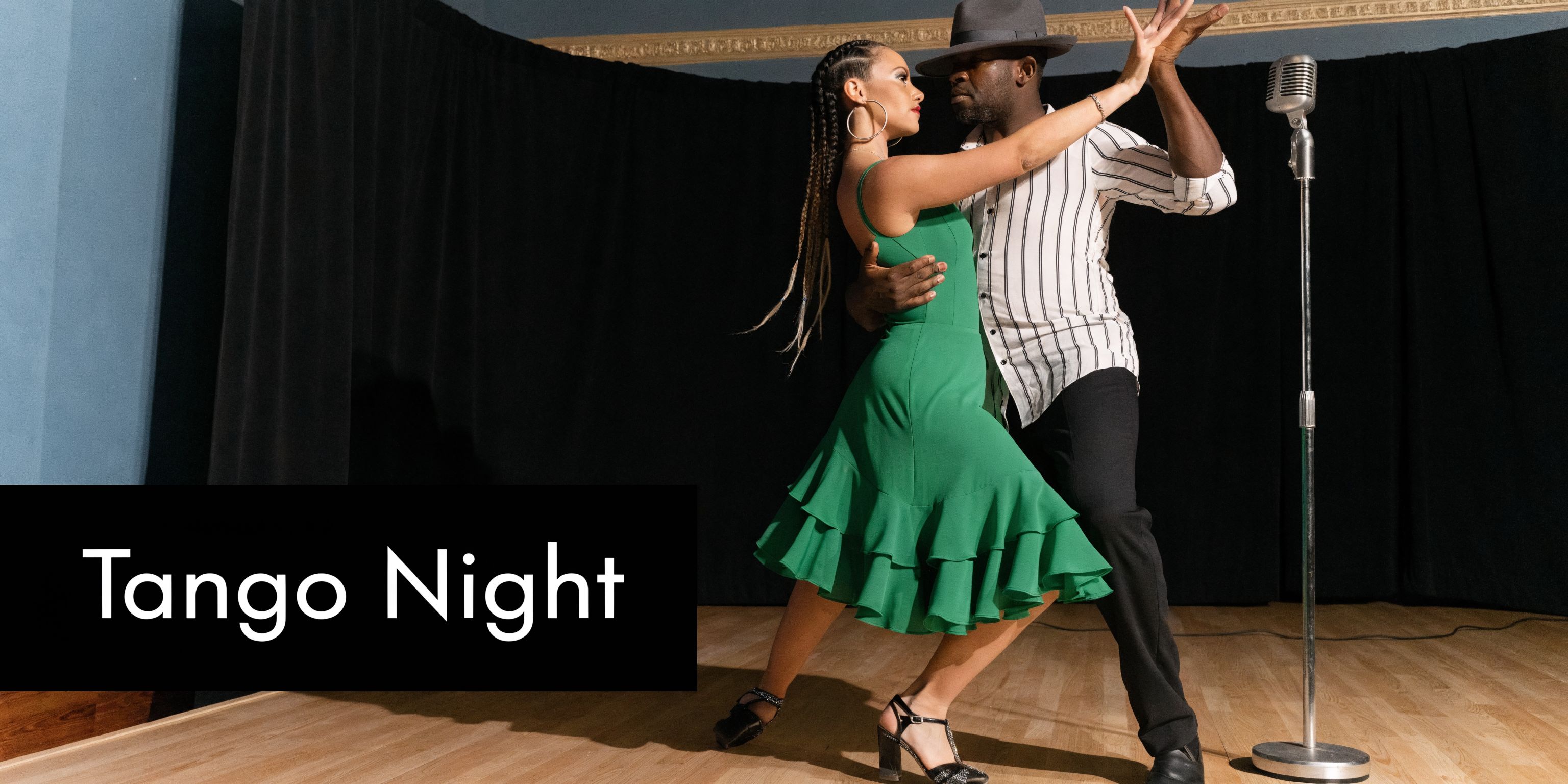
The published schedule matters, but the best nights happen around it. Use headline performances and competition finals selectively, then build the trip around private instruction with respected dancers, invitation-led milongas, after-hours music salons, and dining that places you with the people who shape the city's cultural life.
Teatro Colón is the prestige booking if dates align. After that, precision beats volume. One well-chosen performance, one private rehearsal visit, one supper that runs long, and one late milonga with a trusted host will outperform a frantic schedule packed with tourist-facing stops.
Buenos Aires also rewards clients who buy the city correctly. Recoleta suits travelers who want old-guard refinement and formal service. Palermo works better for clients who prioritize contemporary design, restaurant access, and a younger evening scene. Either way, use a hotel with serious concierge reach or take a private residence with staffed service and dedicated transport. Improvisation is where tango trips start to feel ordinary.
My recommendation is simple:
- Reserve premium seats early: Focus on opening nights, finals, and any gala-format performances.
- Book private tango instruction before arrival: A single excellent lesson changes how you watch, hear, and judge the dance.
- Use a vetted local host for milonga access: Room selection matters more than quantity.
- Plan dinners as carefully as performances: The city's best tables are part of the experience, not filler between events.
- Add a second act after Buenos Aires: Mendoza, a private estancia, or a short polo extension gives the trip breadth and recovery time.
The right tango itinerary feels controlled, intimate, and unmistakably insider. You are not collecting shows. You are gaining entry into the version of Buenos Aires that still takes tango seriously.
Orchestrating the Unforgettable
Luxury at Latin American festivals is won in the planning, not in the spending. The travelers who get this right do not buy more on the ground. They secure the right vantage point, the right host, the right routing, and the right protection from chaos before departure.
That changes everything.
A riverfront suite in Barranquilla with controlled transfers beats a larger room stranded in traffic. A private balcony on the Sambadrome route beats a stack of generic VIP inclusions. A respected local cultural host beats any laminated pass. Precision decides whether a festival feels glamorous or exhausting.
This is why festival travel belongs in the hands of an advisor with serious local reach. These events compress demand into a few dates, strain the best hotels, and turn ordinary city movement into a logistical problem. The public celebration is only one layer. Essential work sits underneath it. Hotel relationships. Security planning. Last-minute route changes. Cultural gatekeepers who can arrange a private studio visit, a chef's table after midnight, or a dignified introduction that would never happen through a concierge desk.
The right choice also depends on temperament. Rio suits clients who want visibility, energy, and polished spectacle handled with discipline. Barranquilla gives you stronger intimacy and less posturing. Día de Muertos rewards restraint, serious local guidance, and a program built around meaning rather than performance. Viña del Mar works well for travelers who want culture with comfort and easy extensions into Chilean wine country. Inti Raymi and La Tirana suit clients who want devotion, history, and a trip with real substance.
The goal is not to attend the most famous festival. The goal is to attend the right festival in a way that protects your time and improves the experience at every turn.
That requires judgment. A honeymoon couple usually does better with Buenos Aires tango, late dinners, and a carefully paced schedule than with Carnival's constant intensity. A multigenerational family often gets more from Garifuna Settlement Day paired with villa time and private boating. A collector may care far more about access to ateliers, curators, and community leaders than parade seating. An executive with no patience for friction may need aircraft coordination, escorted arrivals, and a schedule built with backup options from the start.
Done properly, a festival itinerary feels calm because the hard decisions were made early. Your suite is chosen for access, not square footage. Your entrances are timed to avoid the crush. Your hosts know when to step in and when to disappear. Dinner still happens if a performance runs long. Recovery time is built in, whether that means a beach reset after Rio, a private hacienda stay after San Fermín, or a few quiet nights in the Andes after Cusco.
That is the Haute Black standard. Private access with judgment behind it. Cultural credibility without dilution. Comfort without the usual tourist theater. Public events turned into intimate, highly controlled journeys through the right rooms, the right people, and the right sequence.
Haute Black designs festival journeys for travelers who expect private access, flawless execution, and a program shaped around their exact pace. If you want Carnival from the right box, Día de Muertos with the right cultural hosts, or a tango week in Buenos Aires that opens doors most visitors never see, start with Haute Black.
Frequently Asked Questions
Explore Our Guides


Signature Experiences


