Haute Black Journal
Best Time to Go to Brazil: Your Luxury Travel Guide

Marlene Azeez
Director, HauteBlack
View all articles →

The generic answer to the best time to go to Brazil is wrong. Luxury travel doesn't run on a single national weather chart. It runs on timing, access, and intent.
Brazil is one of those countries where the obvious choice is often the least interesting one. If you want maximum spectacle, go in summer. If you want space, easier access, and a more controlled experience, go in the shoulder seasons. If you want wildlife, your calendar should look completely different from a beach lover's. The right month isn't the one travel forums repeat. It's the one that fits the version of Brazil you want.
Defining Your Perfect Brazilian Moment
For most travelers, "best time to visit" means decent weather and broad convenience. For a private client, that standard is too low.
The best time to go to Brazil depends on what you value most. Some travelers want the country at full voltage. Others want Brazil with the volume lowered slightly, when the service sharpens, the pace becomes more elegant, and the experience feels less shared. Both are valid. They are not the same trip.
Ordinary timing versus intelligent timing
An ordinary trip asks, "When is Brazil sunny?"
A well-designed trip asks better questions:
- Do you want Brazil at its most social? Then summer matters.
- Do you want iconic places without the crush? Then shoulder season wins.
- Do you want dramatic nature over nightlife? Then regional timing matters more than national timing.
- Do you want privacy that still feels culturally alive? Then the edges of peak season are often strongest.
That's the difference between a standard itinerary and a refined one. Rio in February is not the same proposition as Rio in October. Trancoso in a festive summer mood is not the same place as Trancoso when you can settle into a villa rhythm and feel the beach belongs to you.
Practical rule: In Brazil, don't choose a month first. Choose the mood, then match the month.
What separates a strong trip from a forgettable one
The question isn't weather alone. It's whether the season supports the specific version of luxury you want.
If your idea of Brazil is samba, beach glamour, and high-energy social access, you should lean into the country's summer rhythm. If your ideal trip is a polished blend of privacy, wildlife, and cultural depth, the answer shifts quickly toward April, September, October, or November.
That's why one-size-fits-all advice fails here. Brazil rewards precision. The country is too large, too varied, and too dynamic for blanket recommendations.
Brazil's Luxury Calendar: An Executive Summary
Some destinations have one clear season. Brazil has several, and that's exactly why it rewards a more strategic approach.
The cleanest way to choose the best time to go to Brazil is to start with your priority. Beach energy, wildlife, cultural immersion, privacy, and active wellness each peak at different moments. If you align your trip with the right window, Brazil feels effortless. If you don't, you can still have a good trip, but you'll miss the ideal version.
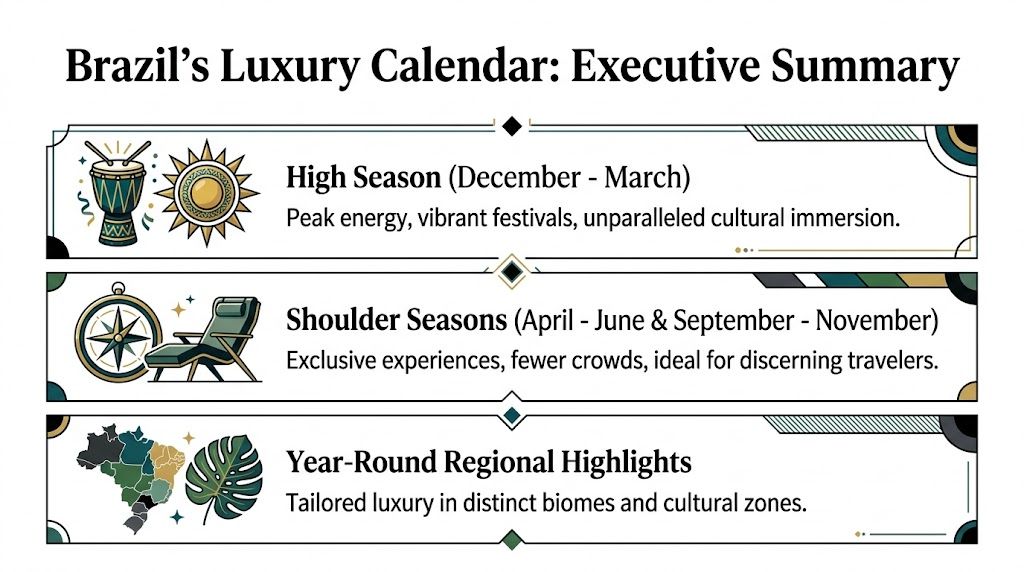
Optimal months at a glance
- Peak beach glamour in Rio — December to March: Hot, social, and visually at full strength for iconic beach days and polished nightlife.
- Carnival and high-energy culture — February or March: Brazil at maximum intensity, ideal if you want access to the country's most famous celebration.
- Iguassu at maximum drama — March: The falls are at their most forceful and visually commanding.
- Exclusive city-and-coast travel — April and October to November: Better space, easier pacing, and a more discreet sense of privilege.
- Pantanal wildlife journeys — September to October: Strong wildlife visibility with fewer visitors and cleaner safari conditions.
- Active wellness and trekking — April: Coastal humidity eases while the landscape stays lush.
- Northeast villa escapes — August to March: Warm coastal conditions support longer, slower stays focused on the sea.
My direct recommendations
If you want one answer, here it is.
- Choose December to March if you want Brazil in its most glamorous, extroverted form.
- Choose April if you want a smart shoulder-season trip with strong comfort for active days.
- Choose September to October if wildlife is the priority.
- Choose October to November if you want polished weather, easier reservations, and a more exclusive atmosphere.
Go in peak season for energy. Go in shoulder season for taste.
That distinction matters. Peak season gives you maximum buzz. Shoulder season gives you control.
The High Season for Unmatched Vibrancy (December to March)
Brazil in summer is not subtle. That's the point.
From December to March, the country delivers the version of itself often imagined first: heat, beach life, social momentum, late nights, and the kind of visual drama that works perfectly for celebratory travel. Rio de Janeiro reaches 27°C to 35°C (81°F to 95°F) in this period, Carnival has drawn over 6 million attendees to Rio alone, and Iguassu Falls can reach flows of up to 13,000 cubic meters per second in March.
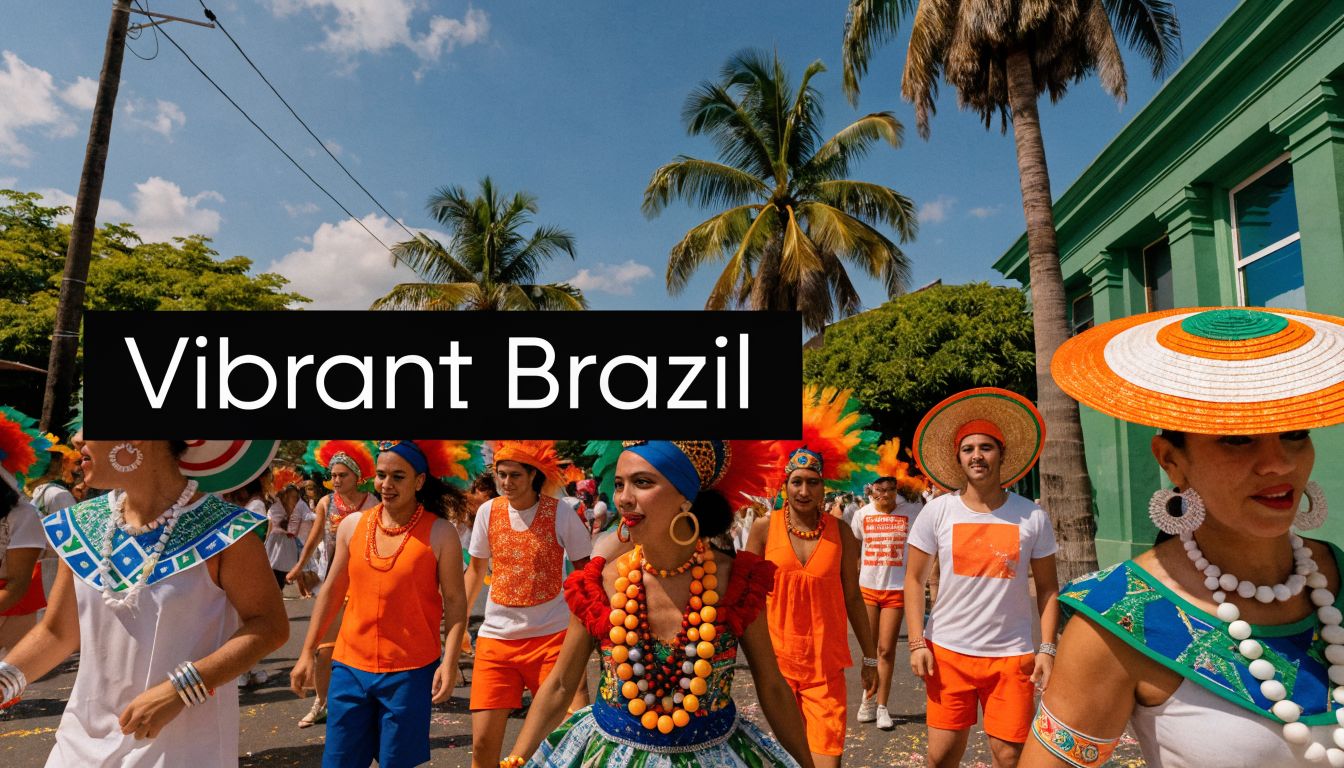
When summer is the right answer
If you're planning a first trip and want Brazil to feel cinematic, this is your season. Rio is at its most recognizable. The beaches are the social stage. Lunch turns into sunset drinks, and sunset drinks often turn into dinner plans that start late and go later.
This is also the season for travelers who don't just want scenery. They want atmosphere. They want movement, fashion, music, and a sense that the country is performing at full scale.
How to do peak season properly
Many visitors experience summer in Brazil reactively. They accept crowds, chase reservations, and get whatever access is left. That's a mistake.
In high season, the right approach is controlled and pre-committed:
- Lock in key accommodations early. The best rooms and best-positioned suites disappear first.
- Choose fewer stops. Summer rewards depth more than frantic country-hopping.
- Build around access points. Priority entry, private guides, table strategy, and transfer planning matter more here than in quieter months.
- Use weather intelligently. Summer brings rain, but it often arrives as shorter afternoon showers rather than trip-killing washouts.
The clients who love Brazil in summer aren't the ones trying to "beat" peak season. They're the ones who embrace it and design around it.
The best high-season traveler profile
This season is ideal for:
- Celebratory couples who want glamour and nightlife
- Festive groups planning around New Year's or Carnival
- Beach-first travelers who want Rio at its most photogenic
- Nature lovers pairing Rio with March access to a more powerful Iguassu
Summer is not the season for indecision. It rewards travelers who like momentum and can commit early. If that's you, this is the most exhilarating time to go.
The Connoisseur's Choice: Shoulder Seasons for Exclusivity
The smartest travelers in Brazil often skip the loudest months.
April and October to November are where Brazil starts to feel more private, more polished, and frankly more luxurious. The weather remains appealing, but the experience changes. You stop competing with the calendar. The country opens up.
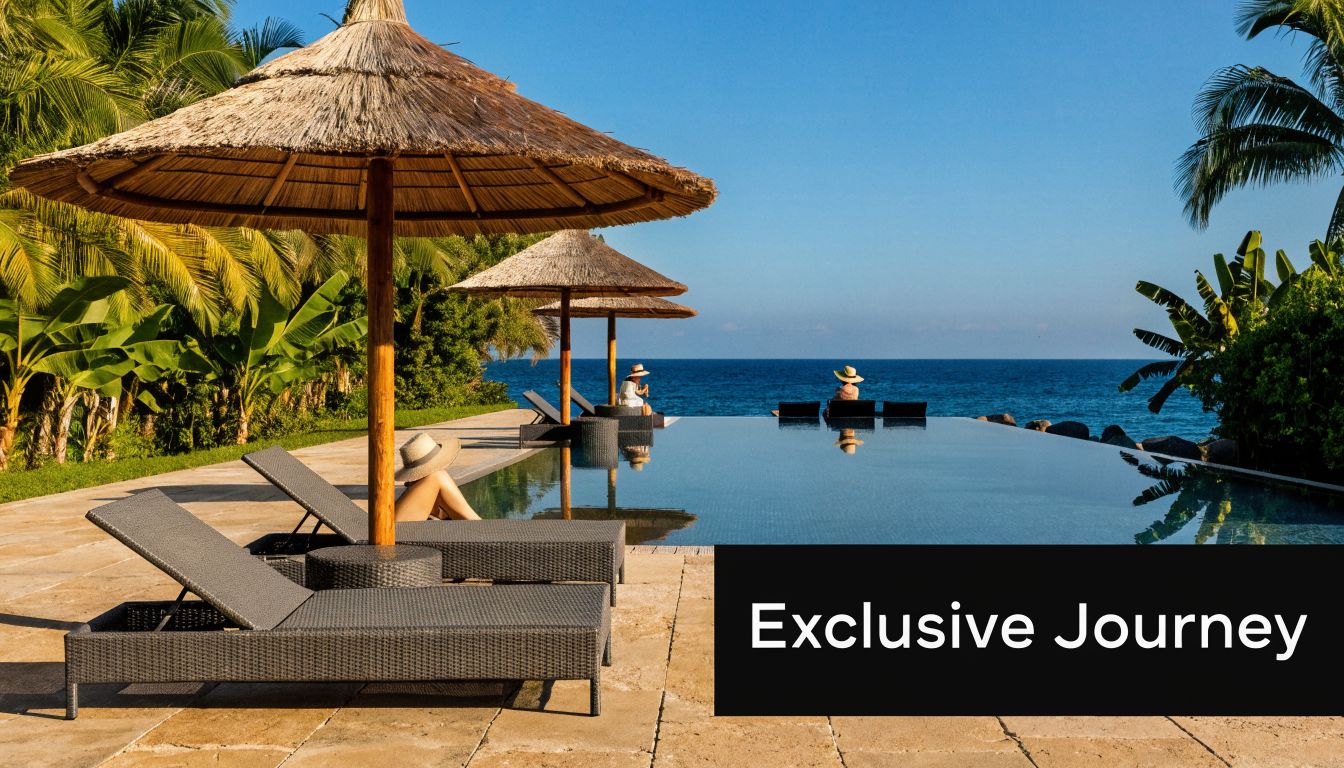
For travelers who value exclusivity, this is the insider answer. Shoulder seasons like April and October to November can bring 20 to 30% lower rates at elite resorts in Rio or Ilha Grande, along with the possibility of complimentary upgrades and VIP arrivals through top-tier travel partnerships.
Why shoulder season feels better
Peak season gives you energy. Shoulder season gives you clarity.
You notice it immediately. Transfers move more smoothly. Hotels feel attentive instead of overwhelmed. Signature restaurants are easier to enjoy without dining at awkward hours. Major landmarks feel less performative and more personal.
That matters in Brazil because so much of the country's appeal is emotional. You want room to absorb it.
April for style and breathing room
April is especially strong for travelers who want Brazil to feel curated rather than crowded. The summer intensity has passed, but the country still looks lush. Beach towns exhale. Cities become easier to get around. Resort stays feel less transactional.
This is when I'd send someone who wants a refined mix of coast, design, dining, and soft adventure. It's also a strong month for couples who don't need a festival around them to feel the country's charisma.
What shoulder season does best
- Improves access to top properties because availability is less compressed
- Creates a calmer arrival experience in Rio and island destinations
- Supports longer stays because the rhythm is easier to sustain
- Lets service teams shine since they aren't under peak-pressure volume
October and November for discreet luxury
October and November are excellent if you want warmth, movement, and polish without the frenzy of summer build-up. These months are ideal for travelers who want a balanced itinerary rather than a single-theme trip.
Think of them as Brazil's elegant middle register. You can combine Rio, a coastal retreat, and nature without feeling like one segment compromises another.
Shoulder season in Brazil isn't a compromise. It's often the first truly intelligent choice.
Who should choose this window
Pick the shoulder seasons if you are:
- A repeat visitor who has no interest in battling the obvious dates
- A honeymooner who wants atmosphere without noise
- A family that values flexibility and smoother logistics
- An executive traveler fitting a high-touch trip into a tighter calendar
If your definition of luxury includes ease, privacy, and access without theater, this is your season.
A Regional Guide to Seasonal Luxury
Brazil is too large for blanket advice. A serious itinerary has to be regional.
The best time to go to Brazil changes the moment you stop thinking of the country as one destination and start treating it as several distinct worlds. Rio behaves differently from the Pantanal. The Amazon has nothing in common with Trancoso's rhythm. Iguassu belongs to its own timing entirely.

Rio and the Southeast
Rio is the city that most travelers build around, but it offers two very different luxury moods.
Summer is for beach energy, cultural electricity, and a social calendar that feels alive from breakfast onward. Shoulder season is for elegance. The views don't disappear. What changes is how much space you have to enjoy them.
For travelers planning a polished Rio stay, I recommend focusing on design hotels, private guides, scenic helicopter movements, and a tighter shortlist of experiences rather than a maximalist checklist. If you want a more curated city brief, these luxury things to do in Rio de Janeiro are a useful starting point.
Best regional timing:
- December to March for energy, beaches, and social life
- April and October to November for easier access and a more controlled city experience
The Pantanal
If wildlife is your priority, this is one of the clearest seasonal decisions in the country.
September to October is a standout period for the Pantanal, with 40 to 50% higher jaguar sightings as animals gather at shrinking waterholes, plus up to 30% fewer visitors than peak summer. That combination is unusually strong. Better wildlife visibility and fewer people is exactly what serious safari travelers want.
Why September and October win in the Pantanal
The Pantanal is not a place to visit generically. You go with a purpose. In these months, that purpose is clear: wildlife concentration, cleaner viewing conditions, and more rewarding private photographic days.
The luxury version of the Pantanal is not just about the lodge. It's about quiet boats, sharp naturalist guiding, and enough schedule flexibility to follow what the natural world is offering that day.
If you're flying across the world for jaguars, don't settle for "good enough" timing. September and October are the months to prioritize.
The Northeast Coast and Trancoso
The Northeast is where many of Brazil's best slow-luxury itineraries unfold.
This region works beautifully for travelers who want villa life, long lunches, understated beach culture, and the kind of social scene that remains chic without becoming frantic. Northeastern coasts such as Trancoso stay balmy at 26°C to 30°C and are drier from post-August into the broader dry period, which makes them especially good for yacht time, sea-facing villa stays, and longer coastal itineraries.
Best regional timing:
- August to March for warmer, drier coastal conditions
- October to November if you want the coast at its most polished and manageable
The Amazon
The Amazon should be chosen for immersion, not for speed.
I don't recommend dropping it casually into a broader Brazil itinerary unless you're willing to slow down. It needs time, patience, and the right sequence. The challenge here is that conditions vary sharply by subregion and water level, so general timing matters less than matching the right lodge or river route to the month.
What I do recommend is being realistic about what you want. If you want active jungle exploration, trail conditions and humidity matter. If you want river-based immersion, the feel of the journey changes with water levels and rainfall.
April deserves special attention, but not for the Amazon itself. It's more useful for coastal and southeastern active itineraries, where humidity begins to fall while the scenery remains lush. That distinction matters because too many travelers treat "Brazil" as a single weather system.
Iguassu Falls and the South
Iguassu is one of the easiest ways to add grandeur to a Brazil itinerary. It also benefits from timing.
March is the dramatic choice if you want the falls in their most forceful state. That's a power-and-scale trip. If your objective is visual intensity and aerial perspective, this is the window to consider.
If you prefer a calmer balance of nature and comfort, shoulder periods can make the broader journey easier to pace. The falls remain impressive regardless, but the style of the trip changes. One version is all spectacle. The other is spectacle with more breathing room.
A better way to combine regions
A strong Brazil itinerary usually pairs one urban anchor, one nature component, and one place to exhale.
Here are three combinations I like:
- Rio, Trancoso, and Iguassu for first-time travelers who want icons, coast, and natural drama
- São Paulo, Pantanal, and a beach retreat for travelers who care more about access, wildlife, and privacy than postcard predictability
- Rio, Ilha Grande, and the Pantanal for couples who want both sensual coastal time and a meaningful wildlife chapter
Brazil improves when you stop trying to "cover" it and start curating it.
Planning for Brazil's Signature Events
Brazil's calendar matters because the best experiences aren't only seasonal. They are event-driven.
Carnival is the obvious example, but it's not the only one worth planning around. The more advanced strategy is to choose whether you want your trip built around a marquee event, or whether you want an event layered into a broader itinerary without allowing it to dominate the whole journey.
Carnival, done selectively
Carnival belongs to travelers who want maximum cultural charge. Not everyone does.
If you're going for it, commit. Don't build a hesitant itinerary around the edges of the celebration and expect it to feel elegant. You either secure strong access and let the event lead the rhythm, or you choose a calmer window and skip the frenzy entirely.
Fashion, sport, and cultural positioning
Brazil also rewards travelers who think beyond its most public festivals.
São Paulo is especially useful for clients who care about fashion, design, gastronomy, and private social access. If your calendar aligns with major cultural moments, the trip can become less about sightseeing and more about being in the right rooms. The same applies to selective music and coastal cultural events, where the value isn't mass attendance but proximity and curation.
For travelers drawn to festival culture across the region, this broader luxury guide to Latin American festivals gives helpful context for planning beyond Brazil alone.
April for wellness-led travel
April is particularly interesting because it supports a very different style of signature trip.
April is a critical window for high-altitude trekking in coastal areas like Tijuca Forest, with coastal humidity dropping by 40 to 50% while the vegetation remains lush from the summer rains. That makes April one of the best answers for clients who want a wellness-oriented Brazil centered on movement, scenery, and physical comfort rather than crowds and nightlife.
How to plan event-led travel well
- Book around the event, not just the destination. The event changes transfers, room categories, dining demand, and service pressure.
- Decide how visible you want to be. Some clients want to be in the center of things. Others want invitation-level access with privacy preserved.
- Protect recovery time. Brazil's best events are immersive. Build in quieter nights or a beach reset afterward.
The most successful event trips in Brazil feel edited. They don't try to attend everything. They secure the right few experiences and leave space around them.
Crafting Your Bespoke Brazilian Journey
The best time to go to Brazil isn't one answer. It's a personal match between season, region, and style of travel.
A family with different interests might prefer a calmer window that allows city time, beach time, and light adventure without friction. A couple may choose October for a trip that feels intimate and cinematic. A wildlife-focused traveler should organize the calendar around the Pantanal first, then add the rest. A celebratory group may decide that only summer has the right energy.
The decision framework I'd actually use
Ask these questions in order:
- What do you want Brazil to feel like? Festive, secluded, adventurous, romantic, or restorative.
- What is the essential experience? Carnival, beach time, jaguars, trekking, or a villa retreat.
- How much social energy do you want around you? That single answer often determines peak versus shoulder season.
- Do you want one destination experienced in-depth, or a multi-stop circuit? Brazil punishes overpacking.
Flight timing also matters more than people think, especially if you're coordinating multiple legs, premium cabin inventory, or school calendars.
For clients building a slower coastal chapter, private estates and fully staffed retreats often make more sense than a traditional hotel stay, especially in destinations built around privacy and space. A well-chosen luxury villa stay can completely change the texture of a Brazil trip.
The right Brazil itinerary feels inevitable once it's designed well. The wrong one feels busy.
Brazil rewards travelers who choose their timing with intention. If you want that done properly, HauteBlack designs bespoke journeys with the kind of access, recognition, and precision that turn a strong trip into an unforgettable one.
Frequently Asked Questions
Explore Our Guides


Signature Experiences


