Haute Black Journal
Best River Cruises in Italy for 2026

Marlene Azeez
Director, HauteBlack
View all articles →
# Best River Cruises in Italy for 2026
Dawn in the Venetian Lagoon changes the entire argument for Italy. Venice is still there, of course, but from a small river vessel the city feels less like a stage set and more like a threshold into a quieter, rarer version of the country.
The Allure of Italy's Quiet Waterways
Most luxury travel in Italy is built around motion. Fast transfers, headline reservations, tightly choreographed days. River cruises in italy work in the opposite direction. They reduce friction, slow the pace, and give the scenery time to reveal itself.
That shift matters now because traveler demand has moved toward premium, less-crowded voyages. The global river cruise industry is projected to grow at an 11.1% compound annual growth rate from 2024 to 2029, and in Europe the average passenger age has moved from 66 in 2019 to 55 in 2024, reflecting broader appeal among affluent travelers seeking longer, more immersive journeys, according to Statista’s cruise industry overview.
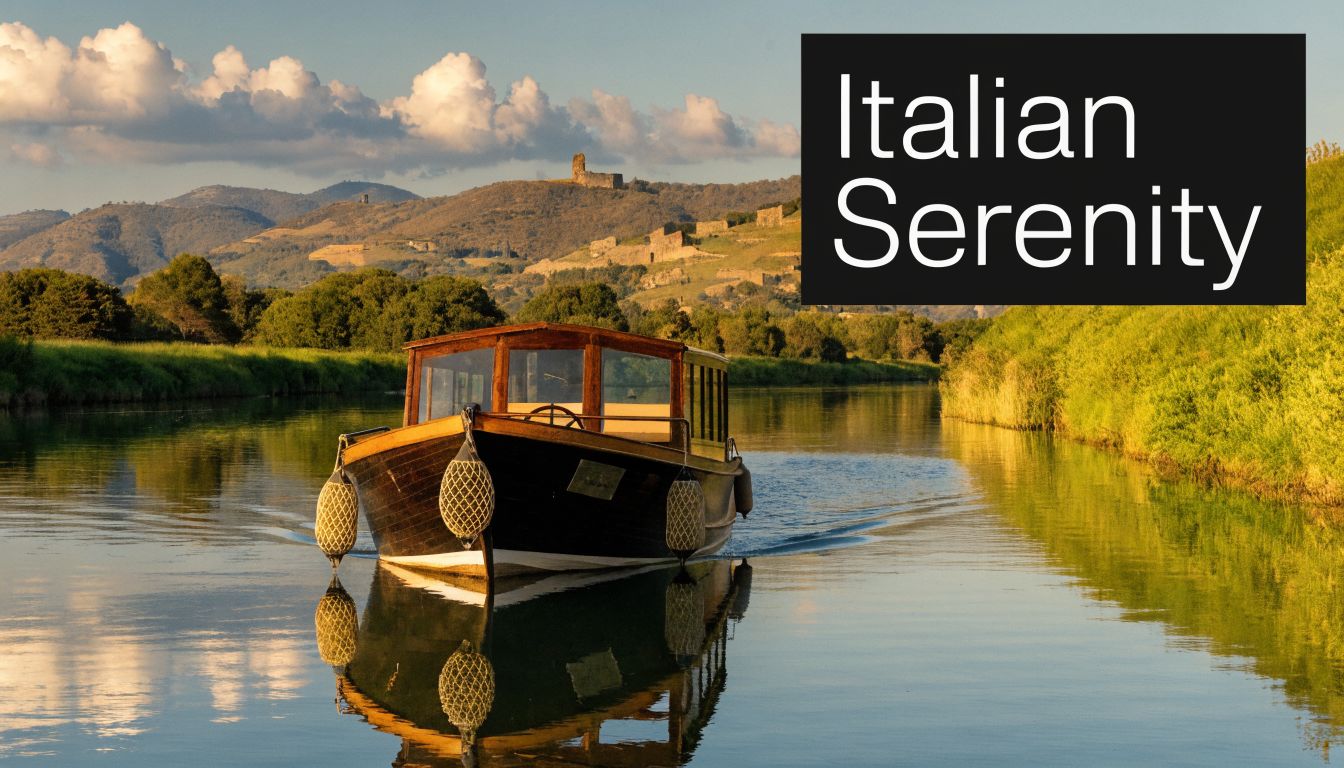
Why the experience feels different
An Italian river journey isn't designed around spectacle from a distance. It works because the vessel becomes part of the setting. You drift through lagoons at first light, approach towns without the commotion of a major port, and return onboard without losing the rhythm of the day.
That intimacy is luxury. Not bigger dining rooms or louder branding. Access, silence, and proximity.
Italian waterways reward travelers who don't need to conquer a destination in one visit. They reward those who want to inhabit it.
The strongest itineraries also pair naturally with other refined Italian experiences. A river voyage can sit beautifully beside a city stay, a villa interlude, or a romantic lagoon escape such as those featured in these Venice honeymoon ideas.
What discerning travelers tend to value most
- Fewer crowds: Smaller vessels avoid the atmosphere that often follows large-scale cruise traffic.
- A stronger sense of place: The route itself, especially through lagoons and rural waterways, feels unmistakably Italian.
- Cultural depth: The experience favors private visits, regional cuisine, and slower arrival into historic centers.
- Elegant simplicity: Unpacking once and moving through northern Italy without constant repacking is a practical advantage that never feels mundane.
For travelers who already know Rome, Florence, and Capri well, river cruising offers something more difficult to find. Not novelty for its own sake, but a calmer and more insider way to return to Italy.
Navigating Italy's Premier River Routes
I often know within five minutes whether a client wants an Italian river cruise or a river cruise that is merely located in Italy. The distinction matters. Italy rewards travelers who value access, timing, and private arrangements more than broad mileage or a long list of ports.
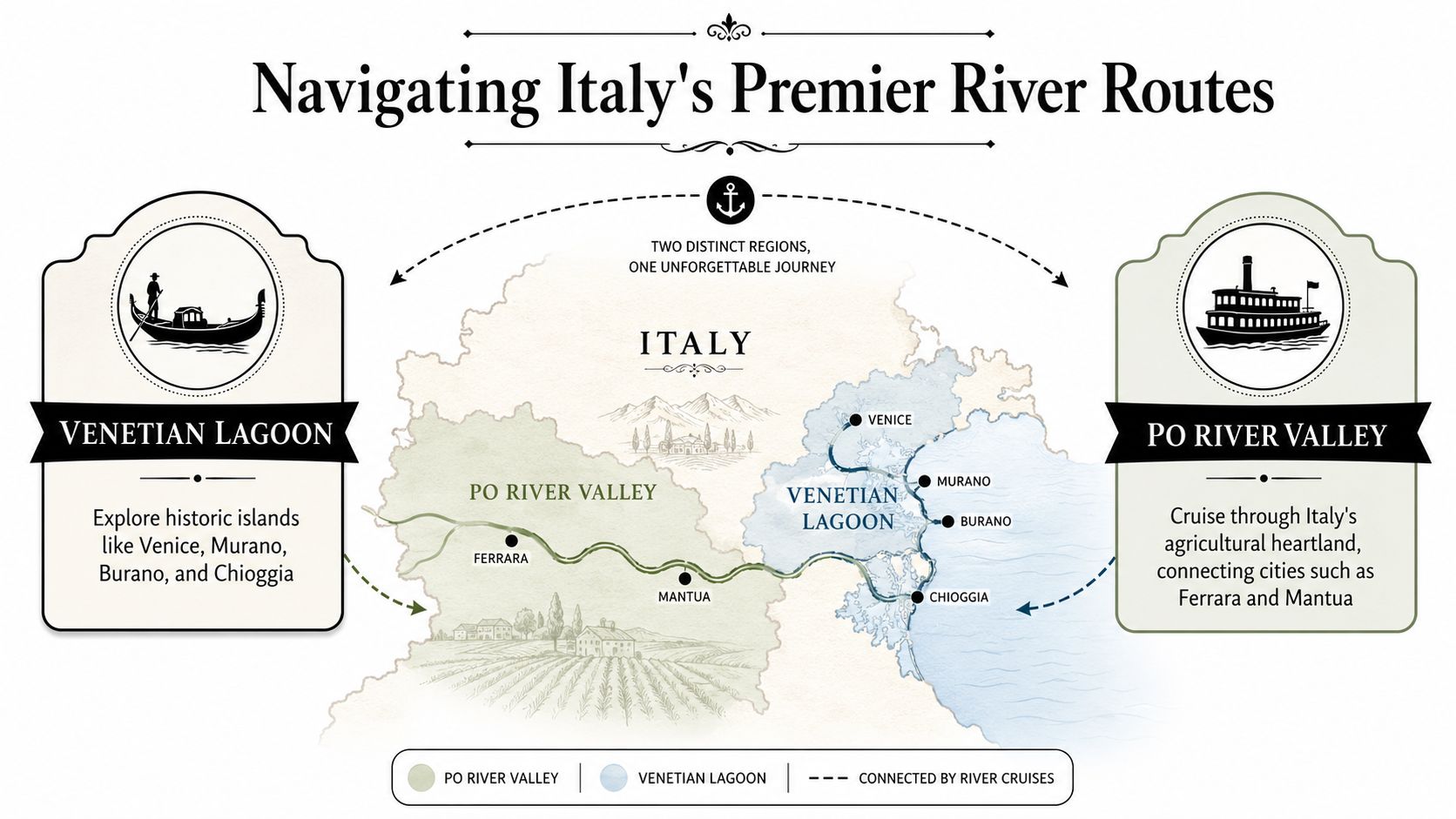
The Venetian Lagoon
The Venetian Lagoon deserves to be treated as its own cruising ground, not merely the approach to Venice. Its appeal lies in controlled arrival. You move through islands, working channels, fishing communities, and craft traditions at a pace that suits private visits and late-hour access, especially if the sailing is paired with a villa stay on the mainland or a customized Venice program before or after embarkation.
This is also where the gap between standard luxury and bespoke planning becomes obvious. A packaged itinerary may give you Murano and Burano at conventional hours. A well-designed program can add a private glassmaking atelier visit before the day crowds build, dinner in a quieter quarter of Venice after other guests have returned onboard, or a direct transfer from a city hotel to the vessel that avoids losing half a day to logistics.
Travelers looking beyond Italy's obvious addresses usually pair the lagoon with more less expected Italian escapes for elite travelers.
The Po River and Mantua corridor
The core Italian river route continues from Venice through the lagoon system and westward along the Po toward Mantua. It is a subtler proposition than the major northern European rivers, and that is precisely its strength. The scenery shifts from wetlands and cultivated plains to smaller historic centers with a strong Renaissance identity, creating a journey that feels inhabited rather than staged for passing ships.
The best way to book this route is to respect what it does well. It offers atmosphere, cultural depth, and access to places that work beautifully with private guiding, small museum openings, and overland additions such as a chauffeured transfer onward to Emilia Romagna, Lake Garda, or a staffed country house. Clients expecting the Rhine's procession of headline monuments usually find the Po too understated. Clients who want privacy and nuance tend to find it far more rewarding.
The Po works best as a curated passage through northern Italy, especially when the sailing is only one part of a larger itinerary.
How to assess the route practically
A useful way to evaluate river cruises in italy is to separate the journey into three distinct environments:
| Area | What it offers | Best for |
|---|---|---|
| Venetian Lagoon | Islands, artisan culture, refined access into Venice | First-time lagoon cruising, anniversary trips, and clients adding private city arrangements |
| Po Delta | Birdlife, marshland scenery, unusual ecological environments | Travelers who want nature, photography, and a quieter tone between cultural stops |
| Inland stretch toward Mantua | Historic towns, Renaissance character, slower rural Italy | Repeat visitors seeking depth, private touring, and tailored extensions by car or rail |
Route choice should shape the rest of the trip. If the sailing begins or ends in Venice, it often makes sense to add a final night in a top hotel rather than connect onward too quickly. If privacy is the priority, a partial or full charter, followed by private aviation or a villa stay, creates a much smoother Italian journey than treating the cruise as a standalone booking.
The Vessels Of Distinction Onboard Luxury
The ship choice in Italy matters more than it does on many other river systems. On the Po and its connected waterways, vessel size isn't just an aesthetic decision. It's an operational one.
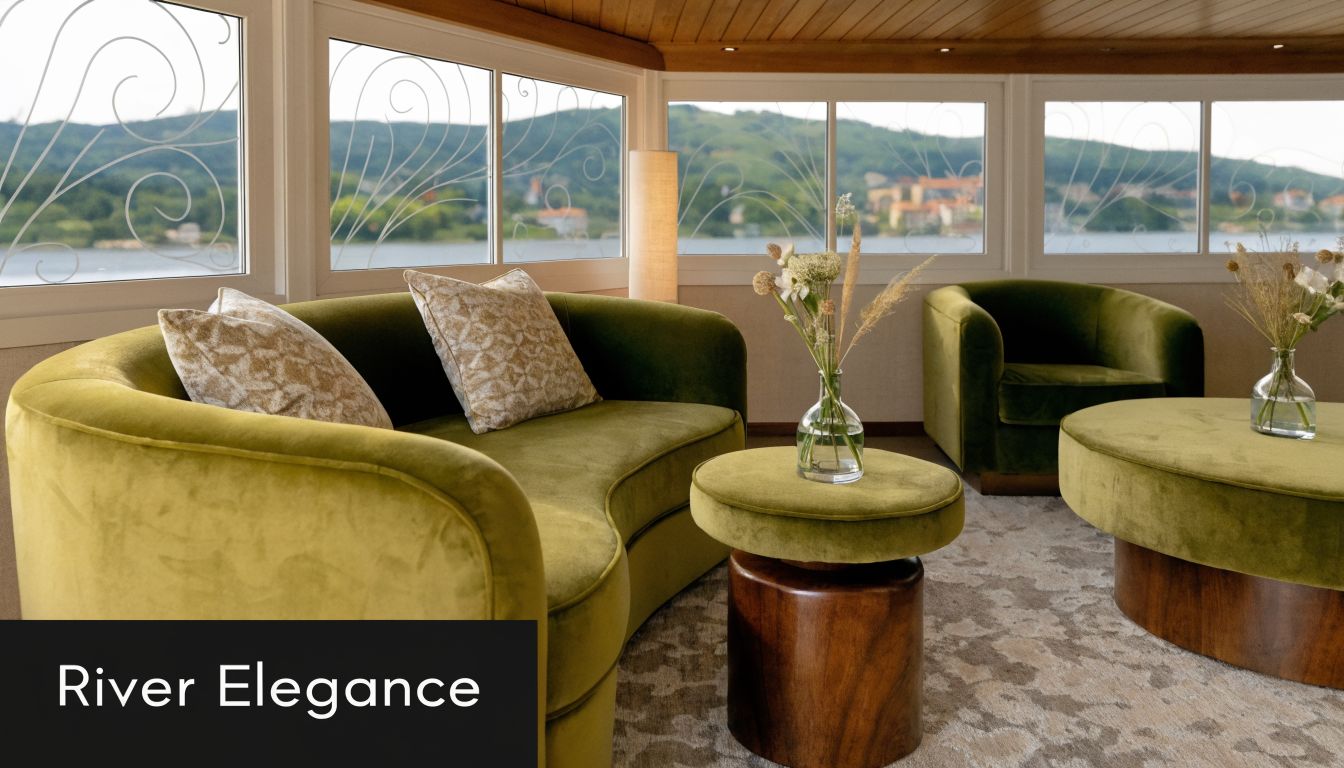
Boutique river yacht or hotel barge
At the luxury end, travelers usually face two very different options.
Boutique river yachts offer a polished, hotel-like experience. They suit guests who want a larger onboard social atmosphere, more public spaces, and a familiar luxury-cruise structure with strong service and curated excursions.
Hotel barges are more intimate and more convincing for travelers who prioritize access over scale. These vessels feel private from the outset. The pace is slower, the service more personal, and the route often more atmospheric because the ship can use narrower or shallower stretches.
The distinction isn't academic. It changes the texture of every day.
What small scale gets right
The Po’s navigability is limited, which makes intimate vessels essential. A hotel barge such as the 20-passenger La Bella Vita has a 1.4-meter draft, allowing genuine slow travel and access to places such as Ferrara without the long coach transfers larger vessels may require. That same source notes guest immersion ratings of over 95%, as detailed in this La Bella Vita video overview.
That tells you something important. In Italy, the best luxury vessel isn't necessarily the one with the most onboard infrastructure. It's often the one that can go where others can't.
- Choose a boutique yacht if you want a more traditional luxury-cruise rhythm, more onboard buzz, and a familiar level of structured programming.
- Choose a hotel barge if you care most about privacy, rural access, and the feeling that the journey was designed for a very small circle of guests.
- Avoid choosing by brand name alone: On Italian waterways, route fit matters as much as interior design.
Here is a look at one style of onboard atmosphere:
The trade-offs most brochures soften
Larger ships can be more comfortable for guests who want predictability. They tend to offer more spacious lounges, more cabin categories, and an easier adjustment for travelers new to river cruising.
But they also introduce compromise. In Italy, compromise often shows up on land. More coach time. Less spontaneity. A weaker sense that the river itself is carrying the experience.
Practical rule: If your priority is Ferrara, Mantua, the delta landscape, and the feeling of moving through hidden northern Italy, err small.
The best onboard luxury in Italy comes from fit, not excess. Refined service, regional food, and beautiful cabins matter. They matter more when the vessel also belongs to the water it’s navigating.
Signature Itineraries and Exclusive Shore Experiences
A strong Italian river voyage should never read like a sequence of bus drop-offs with aperitivi attached. The route is compact enough that every stop has to earn its place. When it does, the week feels perfectly integrated.
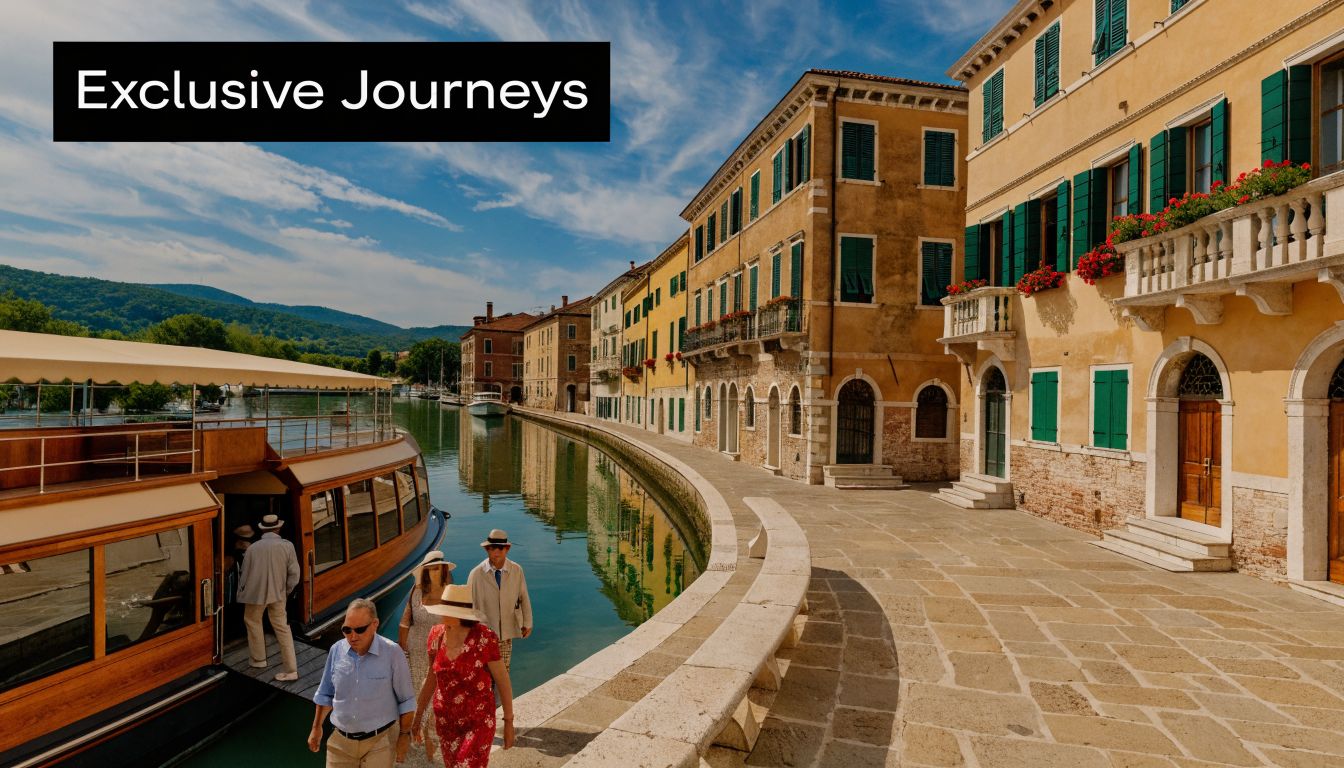
A week that actually works
A well-shaped journey often begins in Venice, ideally with enough time to experience the city at hours when it still feels dignified. The first day should be kept light. Private arrival, lunch set away from the heaviest foot traffic, then boarding without hurry.
The next phase belongs to the lagoon. Murano and Burano can be rewarding if handled correctly. What works is a specialist-led visit, a studio opening, or a conversation with a craft practitioner. What doesn't work is being folded into a generic crowd pattern and told you've “done” the islands by mid-afternoon.
By the middle of the voyage, the tone changes. The scenery opens into the Po corridor, where the pleasure lies in contrast. The water becomes calmer, the towns more grounded, and the excursions richer when they focus on private access rather than surface-level touring.
The shore experiences worth paying for
The difference between standard luxury and bespoke travel appears most clearly off the ship. Included touring may be competent. It is rarely the reason seasoned travelers remember a journey years later.
The experiences that tend to justify the trip are more selective:
- After-hours sacred or civic access: A private or limited-entry visit changes a famous site from an obligation into an encounter.
- Villa-based culinary experiences: A hands-on meal in a private home or estate has far more texture than a staged demonstration in a tourist kitchen.
- Art handled with context: Mantua and Ferrara reward guests who see works with a scholar, curator, or knowledgeable local guide.
- Delta nature excursions: Birdlife and wetland habitats matter more when they're framed by someone who understands the ecosystem, not just the route timing.
A sample rhythm from Venice to Mantua
Rather than treat each port equally, the best itineraries create variation.
1. Venice arrival and soft landing
Keep the first evening graceful and undemanding. A canal-facing dinner or a private architectural introduction works better than an overloaded agenda.
2. Lagoon day with artisan focus
Murano or Burano can be excellent when arranged around access, not shopping pressure.
3. Chioggia and the edge of the lagoon
Here, many travelers realize the voyage is shifting away from Venice and into a more local Italy.
4. Delta passage and ecological exploration
The day works best when left with breathing room. Not every hour needs to be programmed.
5. Ferrara with a serious guide
Renaissance cities reward depth. One well-led visit beats several superficial stops.
6. Countryside tasting or villa lunch
This is the point in the week where private pacing matters most.
7. Mantua finale
End with art, architecture, and enough unstructured time to enjoy the city rather than merely arrive in it.
The finest shore program is rarely the busiest one. It is the one that feels edited.
A river cruise in Italy succeeds when the ship and shore tell the same story. Quiet access, proper timing, and the confidence to leave space in the day. That's what turns a good route into a memorable one.
Planning Your Voyage Logistics and Costs
A well-bought Italian river cruise can feel graceful from the first airport greeting to the final car transfer. A poorly structured one shows its faults early. The usual problem is not the ship. It is the handoff points around it: arrival timing into Venice, luggage handling through historic centers, limited dockside infrastructure, and vague assumptions about what the fare covers.
When to go
The published sailing window generally runs from spring through autumn, with the warmest and busiest departures concentrated in summer. For clients who care about atmosphere as much as weather, I usually favor late spring or early autumn. Light is softer, cities are easier to enjoy, and private guiding tends to feel calmer.
Summer still has its place. Families tied to school holidays often prefer it, and longer daylight can make the rhythm of the trip easier. The compromise is heat, busier ports, and less flexibility on premium inventory.
| Priority | Timing that usually suits it |
|---|---|
| Warm-weather cruising and classic summer energy | June through September |
| Better value and a quieter pace | April, May, late September, or October |
| A balanced first experience | May, June, or September |
What to budget for
Entry pricing on Italian river itineraries can look reasonable at first glance. The meaningful distinction is between a standard luxury fare and the final cost of a properly customized journey.
A published cruise fare often includes:
- Accommodation onboard
- Meals and selected wines
- House excursions
- Some port or transfer logistics
The larger spend usually comes from the pieces discerning travelers remember:
- Private airport and dock transfers
- Top guides in Venice, Ferrara, or Mantua
- After-hours access, specialist tastings, and private villa lunches
- Pre- or post-cruise hotel stays
- Private aviation or helicopter positioning
- Full or partial charter buyouts for privacy and control
For some travelers, a suite on a scheduled sailing is enough. For others, the smarter buy is a small-ship charter with a reworked shore plan, especially if the party includes family members with different pacing needs or clients who value privacy over the social atmosphere of a shared departure. The upfront spend is higher, but the trip runs more cleanly because every moving part answers to one brief.
Transfers, extensions, and where budgets often drift
Italy rewards adding land well, not adding land casually.
A pre-cruise night in Venice can help with jet lag and protect against flight delays. A post-cruise extension can do more than fill time. It can shift the mood of the trip entirely. Some clients continue to a staffed villa in the Veneto or move north for a few restorative days around the lakes and mountains through a privately arranged Italian Lakes and Dolomites journey. That sort of pairing works best when transport, luggage, and timing are handled as one plan rather than separate bookings.
Private air also changes the equation. Not every itinerary warrants it, but it becomes sensible when commercial schedules create long dead hours, multiple handoffs, or awkward overnighting. On shorter Italian river programs, saving half a day at each end can materially improve the experience.
Packing and practical setup
Dress onboard is usually polished rather than formal. Soft tailoring, elegant daywear, a light layer for deck time, and shoes that handle stone pavements without complaint are usually the right answer.
Accessibility needs direct confirmation before booking. Smaller vessels can be charming and restrictive at the same time. Ask about boarding conditions, cabin dimensions, lift access, walking distances during excursions, and how staff handle guests who prefer a slower pace.
A beautiful route is never enough. The trip has to work comfortably for every traveler on it.
The strongest planning conversations are usually the most specific ones. Arrival windows, porterage, dining preferences, mobility, privacy expectations, and extension strategy all deserve clear decisions early. That is how an Italian river cruise moves from attractive brochure luxury to a journey that feels personally and intelligently assembled.
Crafting A Bespoke Italian River Journey
A standard river booking can be lovely. For some travelers, that's enough. For others, especially those used to private aviation, staffed villas, and highly edited itineraries, it is only the framework.
The true opportunity in Italy is to treat the cruise as one component inside a larger design. Charter the right vessel. Shape the pacing around your family or your guests. Add the land elements that make the journey feel whole rather than segmented.
Where bespoke travel changes the outcome
Most published material on these routes still assumes a couple-focused trip. That leaves a meaningful gap. Forty percent of luxury travel bookings now involve families, and bespoke multi-generational Po Delta itineraries with eco-adventures and accessibility planning can command a 30 to 50 percent premium, according to this family-focused river cruise market note.
That premium makes sense when the customization is substantive. Not decorative.
- Private chartering: Best for family celebrations, milestone birthdays, or a small group that wants full control over dining, timing, and guest list.
- Multi-generational design: Strong itineraries separate activities without splitting the family’s experience. Younger travelers might prefer wildlife outings or hands-on workshops, while older guests may want slower cultural touring and easier boarding arrangements.
- Thematic curation: Culinary, art, design, and history-led journeys work especially well because the route is compact and layered.
The strongest itineraries don't begin or end at the gangway
Italy rewards extensions. A river voyage can lead into a private lakeside stay, a mountain retreat, or a city residence with a very different mood.
For travelers who want that broader composition, the most natural pairing is often northern Italy beyond the Po corridor, including the scenery featured in these Italian Lakes and Dolomites journeys.
What bespoke means in practical terms
True customization isn't just choosing a better suite or adding one private car. It means joining pieces that usually live in separate bookings:
| Bespoke element | Why it matters |
|---|---|
| Private air and ground routing | Reduces fatigue and protects the start of the trip |
| Pre-cruise villa or hotel stay | Gives the journey a graceful opening rather than a rushed embarkation |
| Tailored shore access | Replaces standard touring with specific cultural priorities |
| Family and accessibility planning | Makes the trip work for all generations, not just the most mobile guests |
A bespoke Italian river journey should feel coherent from touchdown to final departure. If it still feels like a cruise plus a few upgrades, it hasn't been designed far enough.
Your Invitation to Italy's Waterways
The case for river cruises in italy isn't built on scale. It is built on restraint. Smaller waterways, quieter arrivals, fewer guests, and a stronger connection between the natural environment and culture.
That is why this form of travel appeals so strongly to seasoned travelers who no longer need Italy to perform at full volume. They want access, not commotion. Precision, not excess. A journey with enough elegance to feel effortless and enough substance to reward attention.
The best Italian river itineraries understand those priorities. They respect the limits of the waterways. They choose vessels that belong to the route. They build shore experiences around private context rather than generic coverage. And when the journey is arranged thoughtfully, they connect smoothly to the rest of northern Italy in ways that feel natural, not bolted on.
A good Italian river cruise shows you beautiful places. A great one alters your pace, sharpens your eye, and leaves you with a version of Italy that most travelers never touch.
For travelers considering this route in the coming season, the most important decision isn't just which ship to book. It's how deliberately the trip is assembled. That choice determines whether the experience feels packaged or personal.
If you'd like to turn inspiration into a fully customized journey, speak with Haute Black about designing an Italian river escape with private air, villa extensions, VIP access, and the kind of flawless execution that discerning travelers expect.
Explore Our Guides


Signature Experiences